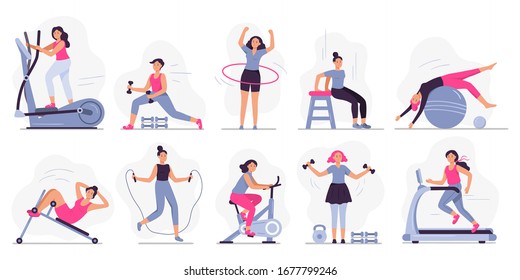
Cardio Options
Cardio exercises and types
Cardiovascular exercise, also known as cardio or aerobic exercise, refers to physical activities that increase your heart rate and promote the efficient functioning of your cardiovascular system. Regular cardio exercises offer numerous health benefits, including improved heart health, increased lung capacity, weight management, reduced risk of chronic diseases, and enhanced mood. Here are some common types of cardio exercises:
Running/Jogging: Running or jogging is a popular form of cardio exercise that can be done outdoors or on a treadmill. It effectively engages your leg muscles and helps improve endurance.

It burns a lot of calories, may help you continue to burn calories long after a workout, may help suppress appetite and targets harmful belly fat.
This makes running an effective and efficient way to achieve weight loss goals. Since 3 kilometers are approximately 1.86 miles, running this distance at a pace of 10 minutes per mile could help you burn 312.46 calories daily
Moderate-intensity jogging (including short or long distances), high-intensity running (variable running, uphill running, sprinting or HIIT combined with running) are remarkably effective. significantly in reducing belly fat, even without changing the diet.
You can lose weight just by running if your routine boosts your activity level beyond what it was before. So if you never exercise and you start running—even just around the block every day or running for 30 minutes—you’re going to burn more calories and drop some weight (unless you fall into the trap of eating extra..
Running 30 minutes a day will help you lose weight, so long as the runs are intense. Rather than focusing on distance, running faster or doing sprint intervals will be more effective.
To go down in weight by 1kg, you need to accumulate a energy-deficit of something like 7000 kcals. Thus you need to run for approximately 7000/150 = 45 miles or 7000/90 = 74km. 10 km or 6.5 miles every day should just about do it.
Running is a natural movement that helps in slimming the thighs and giving them shape. Not only legs, running actually works on every lower body muscles including glutes and calf muscles. It also helps in developing strength and burning calories.
Running, along with targeted weight training, will cut down on excess fat and build, tone and shape the muscles in your chest.
Walking: Walking is a low-impact cardio exercise suitable for people of all fitness levels. It can be done anywhere and requires minimal equipment. Brisk walking can offer excellent cardiovascular benefits.

walking, is important for weight control because it helps you burn calories. If you add 30 minutes of brisk walking to your daily routine, you could burn about 150 more calories a day. Of course, the more you walk and the quicker your pace, the more calories you’ll burn.
Studies show walking is one of the best ways to shed belly fat, in less time than you think. Researchers reviewed 40 years of studies on exercise and belly fat and found that just 2 1/2 hours of brisk walking a week–about 20 minutes a day–can shrink your belly by about 1 inch in 4 weeks.
Walking for 30-90 minutes several days each week will help you to lose weight. Walking at a brisk walking pace for 30 minutes typically results in a distance walked of 1.5-2 miles or 3,000-4,500 steps.
However, as a general rule of thumb, it’s recommended to aim for at least 10,000 steps per day, which is roughly equivalent to 8 kilometers of walking. Walking is a great form of exercise for weight loss, as it is low-impact, easy to do, and can be done almost anywhere.
Walking for 30 minutes a day or more on most days of the week is a great way to improve or maintain your overall health.
What does 10,000 steps look like? Ten thousand steps equates to about eight kilometres, or an hour and 40 minutes walking, depending on your stride length and walking speed. But that doesn’t mean you have to do it all in one walk.
Apart from morning hours, 4pm to sunset are ideal hours for an outdoor walk. Our body has less perceived exertion, meaning we can exert more and feel less. This makes it the perfect hour for a quick run or a brisk walk. Muscles are warm and flexible, which makes the risks of injuries lower.
Walking outside comes with certain obstacles that make your body work harder, like wind resistance and pushing your own body to move forward, unlike a motorized treadmill that will keep you going with less effort on your part. When your body has to expend more energy, you burn more calories.
Cycling: Cycling can be done on a stationary bike or outdoors on a regular bicycle. It targets the leg muscles and provides an effective cardio workout while being relatively low-impact.
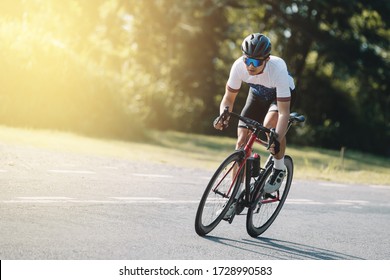
Cycling is a good way to control or reduce weight, as it raises your metabolic rate, builds muscle and burns body fat. If you’re trying to lose weight, cycling must be combined with a healthy eating plan.
cycling burns about 300 calories in 60 minutes, but you can burn more than that if you increase the intensity. In fact, according to the Harvard Health Letter, a 155-pound person can burn as many as 298 calories in a 30-minute bike ride, if they pedal at a 12-to-13.9 mile-per-hour pace.
one must cycle for at an hour or more, for fat loss. “Cycling is a cardio workout, in which one usually begins to burn fat only after the first 20 minutes. If you are walking, the fat burn will begin after that amount of time. So make sure that you do cycling for at least 30 minutes,”
Riding for 30 minutes three to four times a week can help accelerate your weight loss and significantly improve your fitness levels. 30 minutes of moderate-intensity cycling 4 times a week can burn about 1.3 kg of fat per month.
Cycling can help reduce thigh and belly fat by burning calories and increasing metabolism. It tones muscles in the lower body, including the thighs, while also promoting fat loss. Consistency and developing a habit of cycling are important for seeing results in fat reduction.
Yes, cycling can build leg muscle because it targets hamstrings, glutes, quads, and calves. Which makes sense because it’s the legs that are doing most of the work when it comes to cycling
Swimming: Swimming is a full-body workout that engages multiple muscle groups. It is low-impact and gentle on the joints, making it an excellent option for individuals with joint pain or injuries.

Swimming brings a lot of benefits to health, skeletal system and slimming body, especially reducing excess belly fat. Under the direct impact of water, combined with full-body movement, it helps to burn calories and release energy quickly. Swimming burns more calories than brisk walking or jogging.
As long as you maintain a healthy diet alongside your swimming regime, spending just 30 minutes 3 times a week in the pool will help you stay fit. For the best results, it’s important to stay consistent with your swimming routine. With a consistent water workout, you should begin seeing weight loss within 30 days.
Swimming is great for shaping the body, even without any other type of exercise. Swimming is one of the best forms of exercising. Not only can swimming help you shed some pounds, but it can also tighten up your whole body, and improve your overall fitness level.
Swimming can be an effective way to lose weight and manage your weight. According to research, a 30-minute swim can burn between 200-500 calories depending on intensity and body composition. Swimming also helps improve metabolism which helps with weight loss goals.
If you’re looking for a low-impact activity that engages multiple muscle groups, improves cardiovascular health, and promotes mental health, swimming may be a better choice for you. If you’re looking to lose fat, build muscle mass, and increase strength and power, gym workouts may be a better choice.
Swimming is a lot better, considering you use more muscles, and therefore burn more calories. So yes, swimming can help lose thigh fat, or any other type of fat, like … fat.
Yes, experts point that swimming is an effective cardiovascular workout and helps lose weight.
One study compared the effects of swimming and walking for weight loss, both performed at the same intensity and frequency (3 times per week). The swimming group lost an additional 2 pounds and 0.7 inches from their waistline compared to the walking group [2].
Jumping Rope: Jumping rope is a simple and inexpensive cardio exercise that can be done virtually anywhere. It improves coordination, cardiovascular endurance, and engages both the upper and lower body.
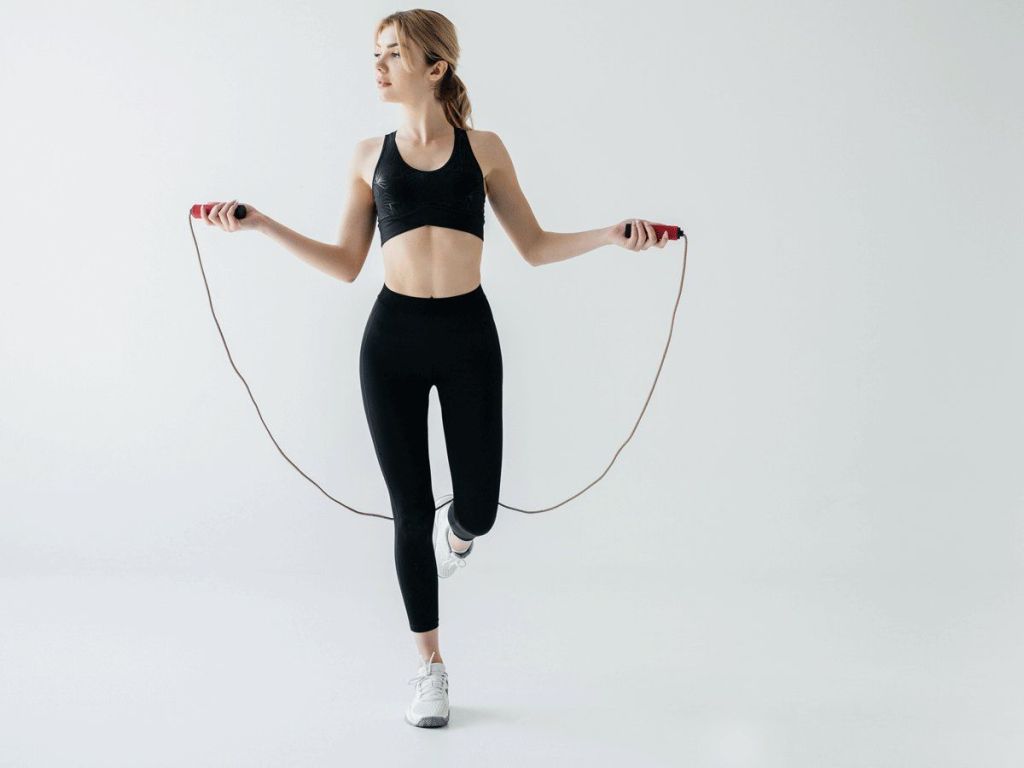
Though you can burn a lot of calories from jump rope, it’s not enough to support long-term weight loss. If you solely rely on jumping rope to burn calories but continue to consume a high calorie diet that puts you in a calorie surplus, you won’t lose weight.
skipping is effective for weight loss when combined with a healthy lifestyle. It’s a high-intensity exercise that engages multiple muscle groups and burns calories. Skipping also increases muscle mass, and metabolism, and can help target belly fat for a slimmer appearance.
it’s probably enough to strengthen your cardiovascular system, assuming you time your 500 jumps and find that you can do them faster and faster from week to week.
Around 300–400 skipping in a day is sufficient for a person and if you are a beginner then you can start with 50 counts in one go and try to reach 5–6 rounds in a day having 20–30 seconds of rest. Skipping played a significant role in my weight loss journey.
I would advice you to jump rope only 500–800 every alternate day and rest days do yoga. Make sure u only do jump rope on wooden flooring. If that is not possible then don’t do it. 10 kgs is not a big task in 2 months and u can surely achieve it.
Most of the mass of breasts is fatty tissue, which can be lost through exercise. It’s why overweight women tend to have larger chests than slimmer women, and why female body builders are flat as a board. That being said, skipping rope is unlikely to cause such a drastic reduction in size as is seen in body builders.
Side effects:-1Impact Injury: The impact of repeated jumping can cause injury like shin splints Splints or stress fractures. 2. Strain on the joints: The high-impact nature of jumping rope can put a strain on the joints, especially the ankles, knees and hips.jumping can put pressure on your joints, so too much can lead to injury or pain. “Because of the repetitive nature, jumping rope can add stress to your joints, like your knees and ankles,” says Soumer.
Yes, doing 1000 jump ropes a day can help you lose weight. Jumping rope is a great cardiovascular exercise that can help you burn calories and improve your fitness. According to Harvard Health, jumping rope for 10 minutes can burn about 100 calories. So, if you do 1000 jump ropes, you could burn about 1000 calories.

High-Intensity Interval Training (HIIT): HIIT involves short bursts of intense exercise followed by brief recovery periods. It can include a variety of exercises such as jumping jacks, burpees, squat jumps, and more. HIIT workouts are time-efficient and highly effective for cardiovascular fitness.
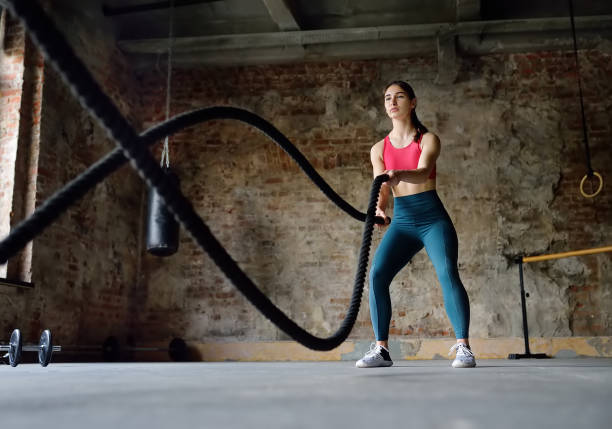
High intensity interval training (HIIT) can offer significant health benefits to people with weight loss goals by burning more calories, reducing body fat, and improving general well-being. HIIT can offer similar benefits as other types of intense workouts and exercises.
HIIT workouts can burn some serious calories in a short space of time. While this number will vary depending on factors like your weight, and what type of HIIT you are doing, you can expect to burn around 150-400 calories in 20 minutes of HIIT. And that’s without the extra calories burned throughout the day!
Studies have shown that HIIT can help to lose belly fat, but it’s likely this is from overall weight loss.
Side effects:-You could also hurt yourself if you push yourself too hard during a HIIT workout. This is because HIIT puts a lot of strain on your muscles and joints. If you don’t warm up properly or if you try to do too much, you could end up pulling a muscle or hurting your joints.

The results showed that HIIT burned more calories than the other three workouts, suggesting that you can burn more calories with a 30-minute HIIT workout than doing steady-state cardio in the same amount of time. That’s not to say that you can’t get a great workout with LISS cardio, too.
This form of interval training is more effective than a long session of cardio and is ideal for losing weight and toning your muscles. Muscles: glutes, quadriceps, core, shoulders––basically all the muscles of your body. (It’s called full-body HIIT for a reason, ya know.)
healthcare professional may recommend some HIIT workouts for weight loss, including burpees, plank jacks, and jump squats. The duration, intervals, intensity, recovery periods, and completed cycles within each workout can vary based on individual preference, fitness level, and goals.
Rowing: Rowing is a full-body workout that engages the muscles in your arms, legs, and core. It can be done using a rowing machine at the gym or by rowing on the water if you have access to a boat.

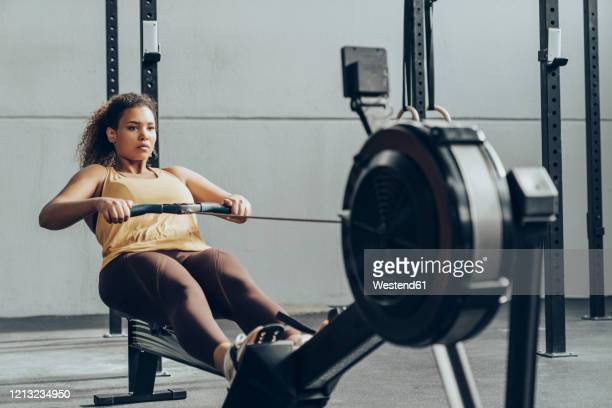
Rowing is a versatile cardio exercise with several benefits, including improved heart health. In addition, rowing promotes calorie burning that may aid weight loss.
Rowing is one of the best cardio exercises for strength training and it also tones muscles, but often people ask if it can shed stubborn belly fat. The short answer is yes. As a low-impact full-body workout, rowing is an excellent workout to elevate your heart rate.
Thirty minutes of rowing is enough to reap physical benefits like better heart health, strength, and even weight loss. The key here is consistency and how frequently you row.
When rowing for weight loss, workout consistency and duration are key. For maximum results, strive to complete 30–50 minutes of rowing five to six times per week.
if you’re working out for general health, using a rowing machine for 30 minutes a day at a moderate intensity, or 15 minutes a day at a vigorous intensity, is plenty. However, if you’re rowing for weight loss or sports training, you might need to do more — around 40 minutes a day.
Rowing machines may have a slight edge in aiding weight loss and burning fat due to their ability to engage more muscles that use more energy (calories). The combination of endurance and strength is an effective way to boost your metabolism and increase your calorie burn.
Rowing is cardio and strength, all in one. Because it requires such intense effort, you could enjoy a shorter workout session than if you were going for a run. As a full-body workout, rowing will work well for those who want to drop weight and build muscle.
For the best full-body workout, an air rowing machine, water rowing machine, or magnetic rowing machine will serve you better than a hydraulic rowing machine. If you’re looking to improve strength in your arms solely, then the hydraulic rowing machine is a suitable choice.
Stair Climbing: Climbing stairs is an excellent cardio exercise that targets your leg muscles and increases your heart rate. You can use stairs in your home, office building, or find a stair-climbing machine at the gym.
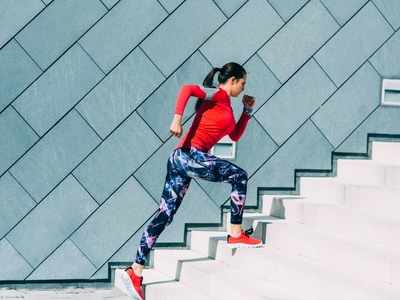
Climbing stairs are said to burn 0.75 and 0.25 calories, respectively, calories. A typical flight of stairs has around 20 steps, thus climbing them up and down uses 15 calories. So, you must climb 33.33 flights of steps or descend 100 flights of stairs in order to burn 500 calories every day.
Stair climbing requires about 8 – 11kcal of energy per minute, which is high compared to other moderate level physical activities. Active stair climbers are more fit and have a higher aerobic capacity. Even two flights of stairs climbed per day can lead to 6 lbs of weight loss over one year.
Climbing stairs is one of the best exercises when it comes to pure FAT BURN, strengthening the lower body, toning the butt, thighs, calves, losing inches from those love handles and belly and building great abs. Along with these benefits is the immense good it does for your lungs and cardio vascular system.
. Stair climbing helps to lose weight properly. Climbing stairs for 15 minutes regularly every day is really ideal, first with a warm-up of climbing up and down stairs for 2 minutes, then slowly getting up to speed and moving faster for the next 5 minutes according to.
Disadvantages:-Unfortunately climbing stairs as a workout has downsides that you shouldn’t overlook, mostly if you have knee pain or any joint issues. Walking downstairs puts more strain on your knees and ankles than walking up causing knee pain and inflammation of the leg muscle groups and tissues.As the cartilage wears away, bones may rub against each other, causing pain and stiffness. Climbing stairs can put added pressure on the knee joint, exacerbating the pain.
If the goal is improved health and longevity, the Harvard Alumni Health study reported that climbing 10-19 flights a week (two to four flights per day) reduces mortality risk.
Kickboxing: Kickboxing classes combine martial arts movements with cardio exercises. They provide a high-intensity workout, improve coordination, and help build strength and endurance.


Kickboxing provides an aerobic workout that burns calories and can help you lose weight. Research shows that elite and amateur kickboxers have more muscle mass and lower percentages of body fat. A person who weighs 155 pounds can burn 372 calories during just 30 minutes of kickboxing.
you can burn a lot of calories in a shorter amount of time if you decide to put in the effort during a kickboxing class. In fact, you can burn as many as 900 calories in a single class! This is great news for those who are trying to raise their heart rate and lose belly fat.
Although you’ll use your thighs as you kick your way through a kickboxing class, the exercise won’t specifically burn your thigh fat. Any exercise or exercise product’s claim that it can target the fat in a certain part of your body is false.
kickboxing—while great for weight loss—isn’t going to get you all the way to a flat stomach and a 6-pack. It’s important to work hard, and it’s a good idea to introduce other workouts (such as resistance training) into your routine to compound the benefits of kickboxing.
high-intensity exercise is one of the best things you can do for your heart. Not only is kickboxing a high-intensity workout, but it is an effective way to reduce belly fat. Belly fat has been correlated with heart disease, diabetes, and other severe health conditions.
You can burn a lot of calories quickly.
Fitness experts note that you can burn upwards of 900 calories for every hour of kickboxing.
Dancing–Dancing can be an enjoyable way to lose weight and stay fit. It’s a cardiovascular exercise that burns calories and improves your overall fitness. Regular dancing can help you achieve your weight loss goals by increasing your heart rate and boosting your metabolism. Additionally, it can enhance your flexibility, balance, and coordination. Remember, consistency is key in any fitness routine, so find a dance style you love and make it a regular part of your exercise routine.
Dancing is an excellent way to exercise, burn calories, and lose weight. Aside from weight loss, dancing can also increase muscle strength and stamina, improve flexibility, balance, blood flow, and sleep, and reduce stress, depression, and the risk for certain chronic conditions like diabetes and heart disease.
To lose weight by dancing, you should strive for at least 20 minutes of time with an accelerated heart-rate at least 4-5 days a week. You should start with a 5 minute warm-up and end with a 5 minute cool-down which means 30 minutes, 4-5 times a week.
A 30-minute dance class burns between 130 and 250 calories, about the same as jogging. Sign up for a class. Your teacher will lead you through a series of choreographed steps. The focus might be on the footwork, but the series of leaps, turns, shimmies, and cha-chas engage the entire body.
It entirely depends on what you want from going to the gym or a dance class. If your goal is to lose weight, then both of them works just right. However, if you’re goal is to gain strength and muscles, then it is necessary to join a gym. Dancing increases your posture and stamina .
Health benefits of dancing
increased muscular strength, endurance and motor fitness. increased aerobic fitness. improved muscle tone and strength. weight management.
It comprises of twisting movements and moves that tone the muscles around your waist while burning away the extra flab. Depending on the intensity at which you do the dance, studies reveal that it can help you burn up to 300 calories per hour.
Dance can lead to:
- Better Brain Health. …
- Improved Flexibility. …
- Minimized Stress. …
- Reduced Depression. …
- Weight Loss. …
- Increased Energy. …
- Improved Cardiovascular Health. …
- Better Coordination Strength & Balance.
Hiking–hiking burns more calories than walking because it utilizes steeper paths. Yet, per half an hour, hiking burns fewer calories than running. This form of outdoor exercise offers several benefits, including improvements in weight loss, mental health, and lower body strength.
Hiking in itself will help you lose weight—you can burn up to 250 calories per hour if you walk at a pace of 2.5 miles an hour. You can further accentuate this by leveraging the slopes and inclines on your trails. Try hiking uphill as fast as you can.
When you hike, you train your body to work as it is designed. This involves lots of muscles all working in synergy, adapting to the situation as required. Gyms often lack this by exercising muscles in only one motion
Going up and down hills gets the heart pumping, creating a great cardio workout. Like most cardio exercises, hiking helps reduce your risk of heart disease, stroke, high blood pressure, high cholesterol and even some cancers. Hiking is a weight-bearing exercise, which builds muscle mass and helps prevent osteoporosis.
Moreover, much like the principle applied with high-intensity interval training (HIIT) workouts, if you hike at a vigorous enough intensity, you’ll stoke your metabolism so significantly that you’ll continue to have an elevated metabolic rate, or burn additional calories, even after your hiking boots have come off.
Hiking is a great exercise for burning calories and losing weight, which, in turn, will help you to lose belly fat. In addition to helping you to burn calories and lose weight, hiking also helps to tone your stomach muscles. This will give you a flatter and more toned stomach.
In general, hiking burns more calories than walking because it utilizes steeper paths. Yet, per half an hour, hiking burns fewer calories than running. This form of outdoor exercise offers several benefits, including improvements in weight loss, mental health, and lower body strength.
Hiking is a cardio activity, but because it involves walking on an incline and more vigorously than a stroll on the sidewalk, it’s also a strength-building exercise. “Hiking is an aerobic exercise that helps to improve cardiovascular health,” Tucker says.
Remember to choose a type of cardio exercise that you enjoy and can sustain over time. Aim for at least 150 minutes of moderate-intensity cardio exercise or 75 minutes of vigorous-intensity exercise per week for optimal health benefits.
 k's all in one