Detox Tea Benefits
Types of detox tea n benifits
Detox teas are herbal beverages that claim to help cleanse the body and promote detoxification. While their effectiveness and benefits are often debated, here are some common types of detox teas and the potential benefits associated with them:
1.Green Tea: Green tea is rich in antioxidants, such as catechins, which may help protect against cellular damage and support overall well-being. It also contains natural compounds that can promote detoxification by stimulating liver function.
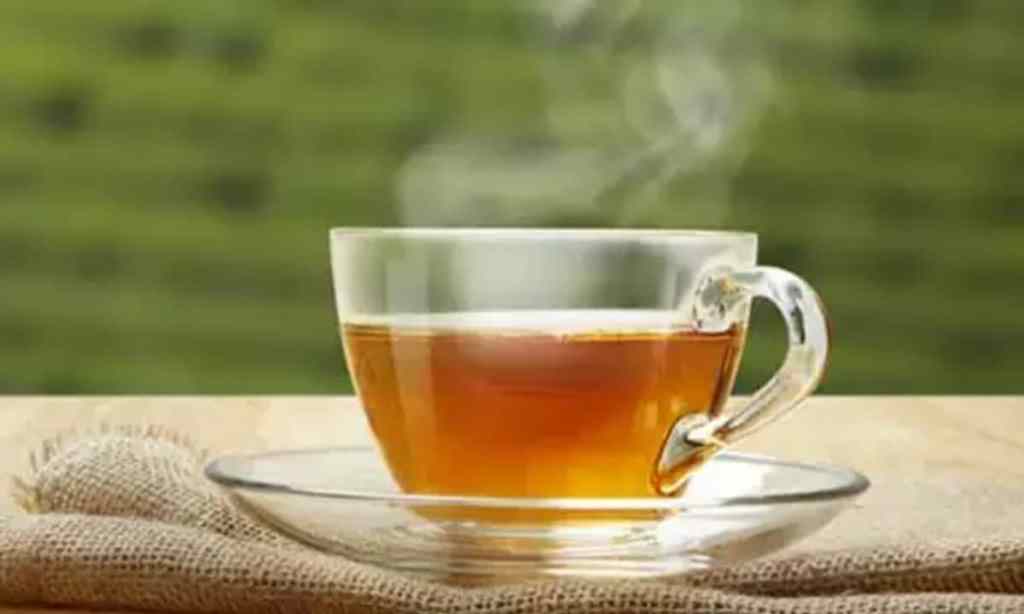
The popularity of green tea is very much in full swing, with the young, the not so young and pretty much everyone jumping aboard the green tea train.
It is a thrilling scenario to see green tea finally taking up lots of well-deserved place in our lives. Emerging from China, but enjoyed all over the world, this wonder leaf has captured all imaginations.
The love affair with green tea has grown with time and some of the most exquisite varieties of green tea are available in the market, which has enchanted our minds.
All credits to the impressive levels of polyphenols and friendly antioxidants for the unique health benefits. Green tea is no more monochromatic!
It’s being blended into lattes, infused into chocolate, dusted onto cheesecakes and even mixed in bourbon & cocktails.
🌸Sencha: Needled-like shape leaves, Intense flavour, top-notch quality, High content of Vitamin C
🌸Gyokuro: Sweet flavour, Rich taste, Stimulates healthy skin & tissue growth
🌸Tencha : High level of minerals & vitamins, Boosts metabolism, Rejuvenate the body
🌸Matcha: Conventional green tea, Powdered form, Has medicinal attributes, Cleanses the body
🌸Funmatsucha : Bitter flavour, Thick taste, High content of potential antioxidants, Fights against common cold & headaches
🌸Konacha : Small bits of roasted leaves, Strong aroma, Robust flavour
🌸Shincha : Best quality green tea, Bitter taste, Rich in amino acids, Soothes the stomach
🌸Fukamushicha : A blend of various green tea leaves, Deeper colour, Light flavour, Rich taste
🌸Kukicha : Made with twigs & stems, Yellow in colour, Light fragrance
🌸Bancha: Bitter taste, High levels of fluoride, Effective against oral problems
2.Dandelion Tea: Dandelion tea is known for its potential diuretic properties, which may help increase urine production and promote the elimination of toxins from the body. It is also believed to support liver health.

1. It Reduces Water Weight
If you’re feeling bloated, dandelion tea could provide relief because it acts as a diuretic and increases urine output. One studyTrusted Source showed an increased urine output after two 1-cup servings of dandelion tea made from the leaves of the plant.
2. It Could Promote Liver Health
Dandelion root has long been held as a “liver tonic” in folk medicine. Preliminary studies suggest this is due, in part, to its ability to increase the flow of bile.
Naturopaths believe it means that dandelion root tea could help detoxify the liver, help with skin and eye problems, and relieve symptoms of liver disease. A 2017 study suggests that polysaccharides in dandelion may indeed be beneficial to liver function.
3. It Can Act As a Natural Coffee Substitute
You may be able to find this product of pre-prepared dandelion root at your local health food stores, but you can also harvest and make it from your own non-insecticide-treated, lawn-variety dandelions.
The roots of young dandelion plants are roasted to a dark brown color. Then, after steeping in hot water and straining, it can be enjoyed as a coffee substitute.
4. Similarities Between Dandelion and a Weight Loss Drug?
A recent Korean studyTrusted Source suggests that dandelion could have similar effects on the body as the weight loss drug Orlistat, which works by inhibiting pancreatic lipase, an enzyme released during digestion to break down fat.
5. Dandelion Tea May Soothe Digestive Ailments
Dandelion root tea can have many positive effects on your digestive system, although much of the evidence is anecdotal. It has historically been used to improve appetite, soothe minor digestive ailments, and possibly relieve constipation.
6. It Could Have Future Anti-Cancer Applications
Recently, dandelion root has been studied for its cancer-fighting potential, and so far the results appear promising.
7. It May Help Prevent Urinary Tract Infections
Paired with another herb, uva ursi, dandelion roots and leaves may help prevent urinary tract infections. It’s believed this combination works because of anti-bacterial compounds in uva ursi, and the increased urination associated with dandelion.
8. May help lower cholesterol levels
3.Ginger Tea: Ginger has been used for centuries for its digestive properties. Ginger tea may help soothe the digestive system, reduce inflammation, and support detoxification by improving digestion and metabolism.
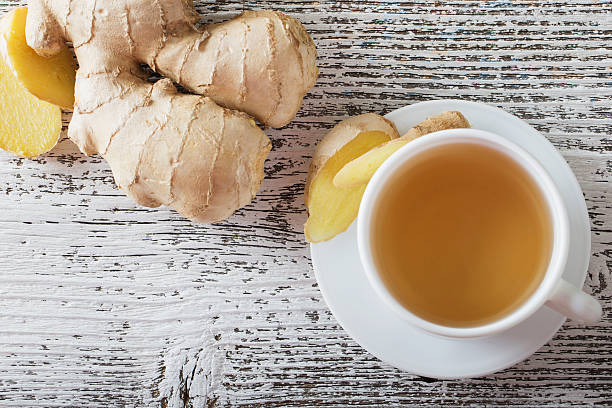
1. Contains gingerol, which has potent medicinal properties
Ginger has a long history of use in various forms of traditional and alternative medicine. It’s been used to aid digestion, reduce nausea, and help fight the flu and common cold, to name a few of its purposes.
2. Can treat morning sickness and other forms of nausea
Ginger may be effectiveTrusted Source against nausea, including pregnancy-related nausea, commonly known as morning sickness.
Ginger may help relieve nausea and vomiting for people undergoing certain types of surgery, and it may also help reduce chemotherapy-related nausea.
3. May help with weight loss
Ginger may play a role in weight loss, according to studies in humans and animals.
One 2019 reviewTrusted Source concluded that ginger supplementation significantly reduced body weight, the waist-hip ratio, and the hip ratio in people with overweight or obesity.
Ginger’s ability to influence weight loss may be due to certain mechanisms, such as its potential to reduce inflammation.
4. Can help with osteoarthritis
Osteoarthritis (OA) involves degeneration of the joints, leading to symptoms such as joint pain and stiffness.
One review concluded that ginger may help reduce pain and disability.The participants took 0.5–1 gram of ginger per day for 3–12 weeks, depending on the study. Most had a diagnosis of OA of the knee.
However, other researchTrusted Source has not found evidence of the same effects.
However, many discontinued treatment as they did not like the taste of ginger or because it upset their stomach.
5. May lower blood sugar and improve heart disease risk factors
Some research suggests ginger may have anti-diabetic properties.
6. Can help treat chronic indigestion
Ginger may help manage indigestion by speeding up the passage of food through the stomach.
Functional dyspepsia is when a person has indigestion — with symptoms such as abdominal pain, bloating, feeling too full, belching, and nausea — for no clear reason. It often occurs with irritable bowel syndrome (IBS).
7. May reduce menstrual pain
Ginger may help relieve dysmenorrhea, also known as menstrual pain.
Some research has suggested that ginger is more effective than acetaminophen/caffeine/ibuprofen (Novafen) in relieving menstrual pain.
8. May help lower cholesterol levels
High levels of LDL (bad) cholesterol are linked toTrusted Source an increased risk of heart disease.
9. May help reduce cancer risk
Ginger may have anticancer properties due to gingerol and various other antioxidant and anti-inflammatory compounds.
There is some evidenceTrusted Source that these compounds may help reduce the risk of gastrointestinal cancers, such asTrusted Source colorectal, pancreatic, and liver cancer.
10. May improve brain function and protect against Alzheimer’s disease
Some researchTrusted Source suggests that 6-shogaol and 6-gingerol — compounds in ginger — may help prevent degenerative diseases such as Alzheimer’s, Parkinson’s disease, and multiple sclerosis.
4.Peppermint Tea: Peppermint tea is often used to aid digestion and relieve bloating and gas. It may help relax the muscles of the gastrointestinal tract, supporting healthy digestion and potentially assisting in the elimination of waste.
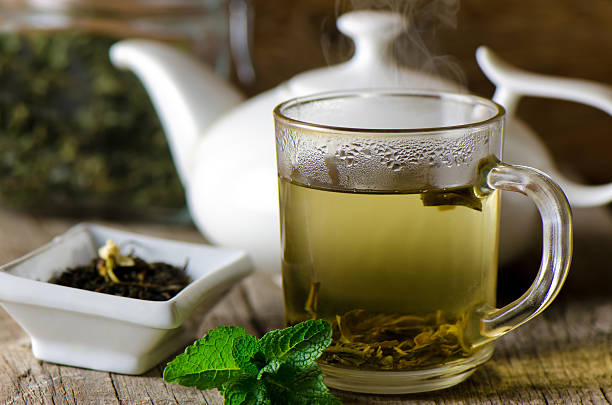
Mint tea is a traditional tea that’s celebrated in many cultures. In Moroccan culture, the tea is steeped with mint and green tea leaves, and sugar, and commonly served at all times of day.
Mint tea can be prepared using spearmint, peppermint, or orange mint leaves. It shouldn’t steep for more than 10 minutes, or it could start to develop a bitter taste. You can serve it cold or hot.
By itself, mint tea does not contain caffeine, but some mixed mint teas may contain caffeine from other ingredients.
Mint tea can contain both peppermint and spearmint leaves, which can be combined in varying proportions, depending on your personal preference. Spearmint and peppermint have flavors that are very different from each other, and they both offer health benefits.
Spearmint contains a compound known as carvone, giving it a mild flavor that’s sweet and cool. Carvone is also found in caraway seeds and dill.
Stomach and digestion: Peppermint tea may relieve an upset stomach. And in some cases, it has been seen to relieve symptoms of irritable bowel syndrome (IBS). It does this by causing the muscles of the stomach to relax and by improving the flow of bile, helping food digest and pass through the stomach more quickly. But peppermint can also be an irritant, so it should not be used if you have gastroesophageal reflux disease,
5.Milk Thistle Tea: Milk thistle is a herb known for its potential liver-protective properties. Milk thistle tea is believed to promote liver detoxification by enhancing liver function and protecting liver cells from damage caused by toxins.
People have traditionally used milk thistle for problems with the liver and gallbladder . Experts believe silymarin is the primary active ingredient of the herb. Silymarin is an antioxidant compound taken from milk thistle seeds. It’s unclear what benefits, if any, it may have in the body, but it’s sometimes used as a natural treatment for things including cirrhosis, jaundice, hepatitis, and gallbladder disorders.
Is Milk Thistle Good for the Liver?
There’s conflicting research on the benefits of milk thistle for liver health. It may have protective effects on the liver, preventing damage. There’s some evidence that milk thistle can treat cirrhosis and chronic hepatitis, which can be caused by alcohol abuse, autoimmune disease, or viruses. But experts say that the evidence isn’t conclusive.
Can Milk Thistle Help People With Diabetes?
Medical research suggests that milk thistle, combined with traditional treatment, can improve diabetes. Studies have shown a decrease in blood sugar levels and an improvement in cholesterol in people with type 2 diabetes.
Is Milk Thistle Good for the Heart?
By lowering LDL “bad” cholesterol levels, milk thistle may lower the chance of developing heart disease. But studies on heart benefits have only been done in people with diabetes. People with diabetes often have high cholesterol. It’s unclear if milk thistle has the same effects in people without diabetes.
Milk thistle can also be taken with cholesterol-lowering medications, like statins. It can help prevent elevation of liver enzymes, which can be a side effect of the medication.
What Are the Risks of Taking Milk Thistle?
Risks. Milk thistle can trigger allergic reactions. People who are allergic to artichokes, kiwi, ragweed, daisies, marigolds, and chrysanthemums are at higher risk. People who have diabetes or endometriosis should check with a doctor before using milk thistle. While milk thistle has been traditionally used in pregnant and breastfeeding women, its safety is unknown. If you’re pregnant or breastfeeding, check with your doctor before using milk thistle. Milk thistle is not recommended for children.
6.Rooibos Tea: Rooibos tea is a herbal tea rich in antioxidants and polyphenols. It may support overall well-being and help combat oxidative stress, which can be associated with toxin exposure.

Rooibos tea (pronounced ROY-boss) is less well known than its true tea cousins, but it has excellent health benefits and a delicate flavor that is sweet and aromatic. Rooibos tea contains antioxidants, enzymes, and chemical compounds that help skin look youthful, reduce inflammation that causes pain, and prevent serious illness.
Rooibos tea, also known as red tea, is unique in that it is grown mainly on the African continent and contains polyphenols such as aspalathin that are not found in any other foods. With powerful antioxidant and anti-inflammatory properties, drinking a cup of rooibos tea every day can help you stay healthy.
Rooibos tea—also known as red bush tea and African red tea—is an herbal tea made using the leaves of the Aspalathus linearis plant. Rooibos means “red bush” in Afrikaans and references the rich, deep crimson of rooibos tea. Rooibos tea is made using the long needle leaves of the plant, which are green when still growing on the plant and turn red during the fermentation process.
The Aspalathus linearis plant is native to South Africa and like most teas, contains high levels of polyphenols that provide an array of health benefits. Rooibos is grown mainly in the mountainous Cederberg region of South Africa in the Western Cape province. There are two types of rooibos tea: red rooibos and green rooibos. Red rooibos tea is oxidized and tastes more similar to black tea and oolong tea. Green rooibos tea is unoxidized and has similar flavor characteristics to green tea.
Rooibos tea has a sweet, nutty flavor that is often compared to hibiscus tea and earthy notes that are similar to yerba mate infusions. Rooibos is also described as having hints of caramel, vanilla and a smoky essence likened to tobacco.
Rooibos has a light mouth feel that is subtle and not overpowering. It’s often described as having a neutral, yet sweet flavor profile that can be enhanced with slices of lemon or a dash of honey. It brews into a reddish-brown hue as visually stunning as it is tasty.
Rooibos tea is also caffeine-free, making it a good beverage at any time of the day. Thanks to its high concentration of vitamins and polyphenols, rooibos tea offers not only delicious taste, but also helps to keep you healthy. Rooibos tea can be brewed as a hot tea or as an iced tea.
Rooibos tea contains vital minerals including calcium, iron, magnesium, zinc and alpha hydroxyl acid. As with most true teas and herbal teas, it also contains high levels of vitamin C along with powerful antioxidants such as aspalathin that offer extensive health benefits. Rooibos tea contains polyphenols that help to fight free radicals, keeping your body healthy and ready to tackle the day.
7.Lemon and Ginger Tea: This combination of lemon and ginger is often used as a detoxifying drink. Lemon is believed to support liver function and aid digestion, while ginger can help reduce inflammation and promote detoxification.
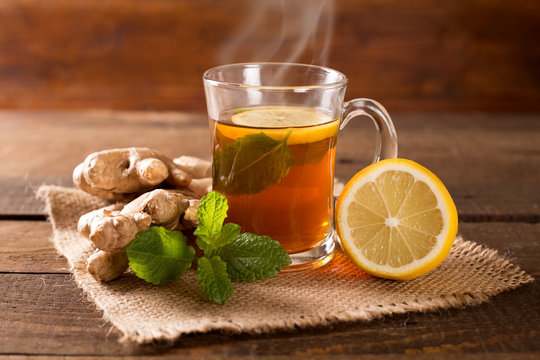
Drinking lemon-ginger tea before bed may help improve mindfulness and hydration. It may also reduce indigestion, nasal congestion, and more.
Drinking an herbal tonic, like lemon-ginger tea, could be a soothing bedtime ritual to help put the day behind you.
Lemon-ginger tea is exactly what it sounds like: a gentle herbal infusion of fresh lemon and ginger — with a bit of sweetener like honey or agave nectar, if you so choose.
1. Soothes indigestion
If chronic indigestion or a heavy dinner keeps you up later than you would like, a cup of lemon-ginger tea may be a great tonic before you head for bed
While the amount of limonene in a given cup of lemon-ginger tea will vary, you might find that the combination of lemon, ginger, and water in lemon-ginger tea calms indigestion.
2. May alleviate nausea
Ginger has long been touted for its ability to alleviate nausea, which many people experience during pregnancy or chemotherapy, among many other situations. According to research, consuming 1–1.5 grams of ginger per day may be enough to get an anti-nausea effect
3. May reduce nasal congestion
The steam generated from your hot lemon-ginger infusion may help open up your nasal cavities — helping clear a stuffy nose. Drinking something warm also soothes a throat sore from mucus buildup
4. May relieve constipation
Constipation can result from several factors, including dehydration and a diet that’s low in fiber (16Trusted Source).
When constipation stems from dehydration, relaxing in the evening with a warm cup of lemon-ginger tea may help since water helps stool pass through your digestive tract more easily.
5. May help fight inflammation
Gingerol, one of the plant compounds found in ginger, boasts anti-inflammatory and antioxidant properties (8Trusted Source).
Chronic inflammation is linked to conditions like metabolic syndrome, cancer, Alzheimer’s disease, and heart disease
6. Keeps you hydrated
When you drink lemon-ginger tea, along with drinking fragrant ginger and lemon essence, you are, of course, drinking water — which means you’re hydrating your body.
This is important, because staying hydrated keeps vital organs, like your kidneys, gut, and heart, functioning properly.
How much water you need per day is affected by many factors, such as your medications, activities, and any health issues.
7. Provides a moment of mindfulness
Having comforting rituals, like a nightly cup of lemon-ginger tea, can have the added benefit of giving you a moment of quiet reflection. Think of it as an opportunity to practice mindfulness.
Mindfulness practice is not just for relaxation — it can be a health booster, too.
One review study found that mindfulness may help you process negative emotions and live your day with more intention
8.Nettle Tea: Nettle tea is thought to have diuretic properties and may help flush out toxins by increasing urine production. It is also rich in antioxidants and may support overall health.
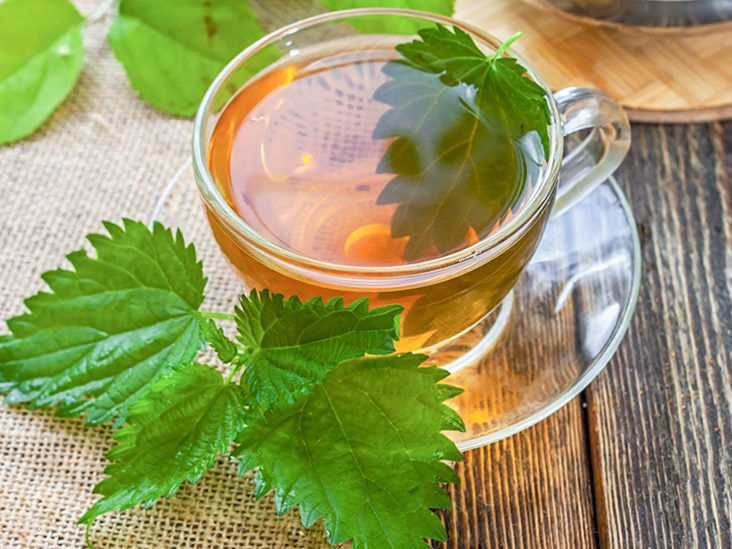
Nettle is a herb that is known for its medicinal properties. It is mostly consumed in its tea form to improve several health aspects like heart issues, gut health, immunity development, kidney function enhancement, allergy reduction, UTI treatment and arthritis pain. It is a powerful blood purifier that drives out toxins from the body, making it the perfect addition to your daily routine to stay healthy.
1. Keeps blood sugar and blood pressure levels in check
Nettle is effective in lowering blood pressure and blood sugar levels, keeping them stable. Nettle can reduce the risk of cardiovascular diseases such as stroke and heart attack. In addition, a 2013 study supports the fact that nettle leaf extract lowers the blood glucose level in people with type-2 diabetes.
2. Useful in preventing many ailments
A study published in the Scientific World Journal found that nettle tea is a source of polyphenols compound (a plant chemical) that helps to prevent and manage chronic diseases such as diabetes, cancer, heart diseases, and obesity. In addition, nettle tea has anti-inflammatory properties that may help to regulate digestion and reduce instances of constipation and diarrhoea.
3. Alleviates pain
Nettle tea may help to reduce the symptoms of pain, thanks to its anti-inflammatory properties. Drinking nettle tea can help to alleviate pain such as muscle pain, joint pain and headache. According to research published in 2018 in the journal Molecules, nettle can help to relieve joint pain, typically in the hands, knees, hips, and spine.
4. Soothes allergies and skin irritation
While the leaves are irritating for the skin sometimes, nettle tea benefits range from reducing skin irritation to alleviating allergic symptoms. The antihistamines, anti-inflammatory, and antimicrobial properties of nettle go a long way in treating skin issues like eczema and acne. In fact, a study published in 2017 in the Iranian Journal of Pharmaceutical Research suggests that hay fever is an allergy that can be treated with nettle tea.
5. Protects kidney, urinary, and prostate health
Nettle tea is used to treat urinary tract infections (UTI), kidney and prostate issues. Being a diuretic, nettle can promote healthy urination and also inhibit the growth of pathogens that causes UTI and kidney stones. A study published in 2014 in the Molecular Medicine Reports shows that nettle tea can reduce the build-up of calcium oxalate crystals in the kidneys, the prime cause of kidney stones.
6. Strengthens the bones
Stinging nettle is rich in a multitude of amino acids, protein, flavonoids, and bone-building minerals like iron, calcium, magnesium, silicon, potassium, and zinc. A study published in 2016 in the journal Food Science & Nutrition also suggests that vitamins and minerals present in nettle are capable of protecting bone health.
9:Black Tea:
Black tea is made from the leaves of a bush called Camellia sinensis. It has caffeine as well as other stimulants and antioxidants.
A process called oxidation turns the leaves from green to a dark brownish-black color. Oxidation means the leaves are exposed to moist, oxygen-rich air.
Tea manufacturers can control the amount of oxidation. Black tea is a fully oxidized tea. Green tea comes from the same plant, but is not oxidized.
Black tea extract is sometimes sold as an herbal supplement. Sometimes, the supplement includes other types of herbs, vitamins, or minerals.
Black Tea Benefits
Many people drink black tea just because they like it. People also may use it for:
Alertness and energy
Antioxidants, including polyphenols and catechins
Possible anti-cancer effects
Heart health
Improved metabolism
Gut health
Black Tea Risks
Drinking black tea in moderate amounts is generally safe for most people. There’s no known right amount to drink. Supplement ingredients and quality may vary widely. This makes it hard to set a standard dose.
Benefits of black tea
Helps you focus
Because of the caffeine content in black tea, it can help with focus and energy levels, Holtzer says. And brewed tea as a drink has about a third to a half of the caffeine of a cup of coffee. So, it’s great for people who want that extra boost without the stimulating sip.
Boosts heart health
A recent study found two or more cups of black tea per day can lower the risk of early death from cardiovascular disease, ischemic heart disease, and stroke. Additionally, tea can help improve the health and function of the endothelium layer of the blood vessels, explains Foroutan. This can help support proper blood flow throughout the body and encourage healthy blood pressure.
Reduces LDL cholesterol
Holtzer says some research indicates that beyond overall heart health, black tea in the diet can reduce LDL cholesterol known as “bad” cholesterol in the blood.
10:Herbal Tea:
Herbal teas— sometimes called tisanes, hot beverages made from infusions of herbs, fruits, and spices in hot water— are as close as many people come to a “natural” health product.
Herbal tea nutrition facts vary depending on the ingredients, but they share some common potential health benefits. That being said, they actually aren’t safe for everyone and you should always talk to your doctor before trying any herbal teas or supplements, especially if you are being treated for any conditions, are on medication, or are pregnant or breastfeeding.
Herbal products are often marketed as natural alternatives to pharmaceuticals. They’re perceived as safe for everyone including children and the elderly.
With this image of safety and simplicity, it’s not surprising that herbal tea is one of the most popular food supplements on the market today. Many American adults drink herbal tea regularly. But do all those little jars with their aromatic labels offer real benefits?
Herbal tea nutrition facts vary depending on the ingredients, but they share some common potential health benefits. That being said, they actually aren’t safe for everyone and you should always talk to your doctor before trying any herbal teas or supplements, especially if you are being treated for any conditions, are on medication, or are pregnant or breastfeeding.
If it is the first time that you are trying it, you will discover that many of them have a pleasant taste too. So without further ado, here are nine reasons why these infusions are worth trying.
Herbal Tea Health Benefits
Immune-Boosting Properties
Although the names of herbal teas sound mysterious and exotic, most of them are made from surprisingly simple ingredients you can find in your local supermarket.
Many of these formulations have been used for decades as a natural remedy. The herbal infusions used to make this beverage are steeped or infused in hot water, which extracts their purported immune-boosting properties.
Improved Digestion
Digestion is a complicated process that needs to be working well for you to enjoy good health. The breakdown of the foods into absorbable nutrients is vital for you to maintain your energy levels throughout the day and ensure that your body gets all the nutrients it requires.
Some herbal teas are believed to help in improving digestion by introducing essential chemicals that enhance the digestive process to ensure that you get back on track.
11:Lemon detox Tea:
Warm water with lemon in the morning is one of the most used and very effective remedies to get rid of belly fat.
Lemon tea is delicious any time of day, but we recommend drinking lemon tea in the morning for a refreshing start to your day. Lemon tea can also be sipped in the evening or after meals as a palate cleanser, but make sure that the type of base tea in your lemon tea blend has little-to-no caffeine!
Lemin tea is much better than milk tea…but if one has been drinking milk tra then one must not opt out completly from milk tea… Because the basic functionung of any tea is refreahing oneself …if one attains the refreshment by the means of tea then it is well and good..
Lemon tea, on the other hand, involves a mere addition of lemon to hot or cold water, or already-prepared tea. Both share similar benefits; however, green tea is infused with L-theanine and polyphenols, and these properties make it a more effective beverage to consume if you’re looking to lose weight.
It is best to limit your Lemon Tea intake to 1-2 cups per day. This allows you to enjoy its refreshing taste and potential benefits without overloading your system with excess acidity.
Lemon tea does wonders for your skin. Apart from hydrating, nourishing and flushing out toxins, lemon tea actually looks after our skin. Vitamin C present in the lemon brightens up our skin, and most importantly slows down ageing by increasing collagen production.
Hot lemon tea may help soothe a sore throat, while cold lemon tea can be a refreshing drink in hot weather.
Lemon can boost hydration, prevent the formation of kidney stones, create an alkaline atmosphere in the body, and is rich in antioxidants which are responsible to protect against cellular damage. Overall lemon can be consumed by a kidney disease patient in reasonable quantity without any problems.
12: Hibiscus Tea:
Health Benefits of Hibiscus Tea
Lowers Cholesterol. Sipping on hibiscus tea can work wonders when it comes to cutting down on your cholesterol levels. …
Full of Antioxidants. …
Aids Weight Loss. …
Helps Manage Blood Sugars. …
Liver Health. …
Helps Fight Cancer. …
Fights Bacteria. …
Loaded with Vitamins.
Hibiscus may cause blood pressure to drop. It has also been linked to dermatitis, headache, nausea, and ringing in the ear. Risks. Avoid hibiscus if you are allergic or sensitive to it or members of the Malvaceae plant family.
Amino acids in hibiscus flowers provide essential nutrients to dormant follicles and stimulate new hair growth. Some amino acids also trigger keratin production in the hair follicle cells and contribute to healthy hair growth. The presence of sufficient keratin also prevents your hair from breakage.
In addition to its potential weight loss and cancer-fighting benefits, it may also help improve kidney health. Polyphenols found in hibiscus tea are thought to protect the kidneys from oxidative damage and reduce inflammation that can cause long-term damage.
Hibiscus tea may be an effective herbal remedy for weight loss. It has shown potential in preventing weight gain, promoting belly fat burning, and reducing fat absorption.
To get rid of high blood pressure, it is recommended to drink 1-2 cups of red tea a day. It normalizes the blood pressure, and digestion, and is great to cleanse the blood from harmful substances. However, drinking hibiscus is still better cold, or warm, temperature not above 40 degrees.
Hibiscus tea has been used for centuries to help with menstrual cramps and heavy bleeding, and it’s even thought to help balance your hormones.
Hibiscus preparations, including teas, powders, and extracts, have been shown to decrease blood pressure, reduce body fat, improve metabolic syndrome, protect the liver, and fight cancer cells.
Hibiscus is loaded with essential antioxidants, AHAs and BHAs, and Vitamins which help enhance the skin complexion and texture. Vitamin C helps in lightening the skin tone and Vitamin E helps in moisturizing the skin and improving its complexion.
Interactions with Other Drugs:
It may interact with chloroquine, a drug used for malaria. …
Hibiscus tea may interact with diclofenac, a drug used to relieve pain. …
Hibiscus tea may increase the levels of losartan, a medicine used to treat blood pressure.
When taken by mouth: Hibiscus sabdariffa is commonly consumed in foods. It is possibly safe when used in medicinal amounts. Hibiscus sabdariffa tea has been used safely in amounts of up to 720 mL daily for up to 6 weeks. Side effects are uncommon but might include stomach upset, gas, and constipation.
13:Senna Tea:
Senna tea is a popular way to relieve constipation, thanks to its effectiveness as a laxative. It’s also used to relieve hemorrhoid discomfort and to prep for colonoscopies. It’s been marketed as a weight loss or detox method, but senna tea shouldn’t be used to lose weight.
Senna is generally safe and well tolerated, but can cause adverse events including clinically apparent liver injury when used in high doses for longer than recommended periods.
If you want to make Senna Tea at home to ease constipation, make sure that you do not exceed the daily recommended dosage of 15-30 mg per day.
talk to your doctor about the risks and benefits of taking senna if you are 65 years of age or older. Older adults should not usually take senna products over a long period of time because they are not as safe as other medications that can be used to treat the same condition.
Common side effects of senna, which happen in more than 1 in 100 people, are stomach cramps and diarrhoea. You are particularly likely to get stomach cramps and diarrhoea with senna if you have constipation related to irritable bowel syndrome (IBS).
there is no scientific evidence to support the use of Senna tea for any detox, cleanse, or weight loss routine.
Long-term use of Senna can lead to laxative dependence, electrolyte disturbances, and liver damage.
1-2 grams of dried senna leaves steeped in hot water for 10 minutes, up to twice per day.
Cautions with other medicines
Tell your doctor if you are taking any of these medicines before starting to take senna: tablets that make you pee more (diuretics) steroid tablets such as prednisolone. heart medicines such as digoxin.
14:Burdock Root Tea:
you are sensitive to daisies, chrysanthemums, or ragweed, you may experience an allergic reaction to burdock, including dermatitis. People who are dehydrated should not take burdock because the herb’s diuretic effects could make dehydration worse.
Mild Side Effects
Burdock is generally regarded as safe for healthy adults. However, the following mild side effects have been reported: Contact dermatitis (a skin rash)1. Hyperglycemia (high blood sugar)13.
The antioxidants in Burdock Root especially help to protect the liver against poisonous substances. The compounds that give Burdock its bitter taste can help stimulate bile production, helping the liver flush away toxins with more speed and ease.
Burdock root is rich in polyacetylenes, triterpenoids, and lignans that help eliminate waste products. Once the waste products are in the bloodstream, the kidneys and liver work to remove them. Burdock root is particularly vital during this detox process, as it helps support liver and kidney function.
Enjoying a cup of burdock root tea each day can provide all the essential nutrients and benefits your body needs for optimal health. .
it’s best to skip it if you’re taking other diuretics to avoid becoming dehydrated, or if you’re otherwise at risk for dehydration.
Burdock is an herb with weak estrogen-like actions similar to soy. In one trial, a formula containing tinctures of licorice, burdock, dong quai, wild yam, and motherwort reduced menopause symptoms.
Burdock root, as it turns out, may not only purify the blood, but it may also inhibit certain types of cancer. Research has also found that burdock had “potent inhibitory effects” on cancer growth caused by cancers like pancreatic carcinoma (1).
15:Parsley Tea:
Parsley tea health benefits include rich in antioxidants, improves blood sugar control, boosts your immunity, acts as a natural detoxifier, helps regulate menstruation, rich in folic acid, may prevent cancer, may prevent kidney stones, alleviates respiratory issues, maintains healthy blood pressure & cholesterol.
it is generally okay for most healthy people to drink parsley tea every day in the short term. Parsley tea is rich in antioxidants, a good source of vitamin C, and may have other benefits r (11). However, like with any food or drink, moderation is key.
Parsley herbal tea is a wonderful cleansing tea that you may drink up to 3 cups a day, preferably before your meals. It is best to drink for about a week and then take 3 days off to let your body adjust and see if you no longer need this tea.
Parsley contains high levels of vitamin K, vitamin A, vitamin E, vitamin C and folic acid. It’s also a great source of copper, iron, potassium, and calcium. Notably, though, parsley tea is repeatedly reported to help regulate menstruation and hormone levels in older medical literature.
Parsley tea is soothing, delicious, and can be made with just a few ingredients. Start by boiling one cup (250 ml) of water in a small pot or saucepan. Next, prepare the parsley by rinsing off 1/4 cup (15 grams) of fresh parsley and chopping it up. Alternatively, you can use two tablespoons (1 gram) of dried parsley.
Parsley tea is rich in antioxidants and vitamins that may offer some skin benefits. For example, the vitamin C in parsley may help protect your skin from damage caused by ultraviolet (UV) rays. In addition, the antioxidants in parsley tea may help reduce the appearance of wrinkles and fight signs of ageing.
Parsley contains chemicals that can make kidney disease worse. Surgery: Parsley might lower blood glucose levels and could interfere with blood sugar control during and after surgical procedures. Stop using parsley at least 2 weeks before a scheduled surgery.
Parsley is the most commonly used herb in cooking. It is also a diuretic (helps to increase the loss of water and salt from the body) and excellent for helping to prevent and overcome gas and bloating. Steeping parsley with your tea is the best way to eliminate bloating and reduce excess water weight.
parsley can be used for much more than just garnishing your pasta. Being a natural diuretic, it helps in fighting water weight and water retention. It is also packed with vitamins A, B, C and K, making it an ideal addition to your nighttime drink.
Helps regulate the menstrual cycle
Hormonal imbalance plays a key role in the irregularity of menstrual cycles. Parsley contains myristicin and apiole which help boost estrogen production, mitigating the effects of menstruation and helping to regulate monthly periods and lessen their severity
16: Fennel Tea:
Fennel tea may help balance hormones by encouraging your body to produce the correct hormone levels. Fennel contains antioxidants that may decrease inflammation and increase blood circulation – both of which can improve overall hormone balance throughout the body.
Side effects of Fennel include:
difficulty breathing.
tightness of chest/throat.
chest pain.
nausea.
vomiting.
hives.
rash.
itchy or swollen skin.
. Pregnant and breast-feeding women should not drink fennel tea. People with cancers that are sensitive to estrogen should also avoid the use of fennel.
This leads to lesser calorie consumption, resulting in weight loss. Consuming saunf may help reduce fat storage by improving vitamin and mineral absorption in the body. Saunf has diuretic properties; therefore, drinking fennel tea can help remove toxins from the body, which in turn, may contribute to weight loss.
Relieve Menstrual Cramps
Underlying conditions like endometriosis and uterine fibroids can make menstrual cramps worse. For women with painful menstrual cramps, fennel may provide relief.
It Boosts Fertility
This research shows that fennel seeds can help boost your chances of conceiving, as it’s a rich source of anethole. It contains antioxidants that have been shown to improve female fertility when consumed regularly.
Pregnancy: Fennel is possibly unsafe to use when pregnant. Regularly using fennel has been linked to preterm birth. Breast-feeding: Fennel is possibly unsafe.
There is no recommended daily limit established for how much fennel tea is safe to drink.
Estrogen rich foods are foods that contain high levels of the hormone estrogen. These foods can help to balance estrogen levels in the body and may offer a variety of health benefits. Some of the most common estrogen rich foods include soy products, flaxseeds, and fennel.
Potential Uses of fennel seeds for liver
Fennel seed oil could avoid liver damage and act as a hepatoprotective (liver protective) in an animal study. Oral intake of fennel seed oil could also decrease the levels of enzymes associated with liver damage. Thus, saunf is indeed good for the liver.
Fennel is popular as a cooling spice, contributing mainly the sweet taste with an undertone of the bitter taste.
17:Cliantro Tea:
Superb Health Benefits Of Citron:
Prevents Cancer.
Lowers Blood Pressure.
Good Analgesic.
Boosts Immune System.
Promotes Digestion.
Relieves Cough And Cold.
Supports Strong Teeth And Gums.
Accelerates Weight Loss.
?
🍋【 CAFFEINE-FREE 】🍋 – Honey citron tea is a tasty substitute for any caffeinated drink. You can enjoy this caffeine free tea any time of the day or night!
it boasts citric acid for digestive aid, and other potential benefits like improved skin health and weight loss. To prepare this unique tea, honey, sugar, or other sweeteners are blended with thinly-sliced yuja fruit, including its rind and seeds.
it can be bad if you drink the tea too much.
lemon and orange, I would say. Ottogi Honey Citron Tea can be made as a hot or cold drink. Our tea comes in a jam consistency that is easy to stir. It is perfectly sweetened to satisfy everyone’s unique tastes.
if you often drink citron tea, you will experience its benefits of aiding digestion, strengthening the stomach, soothing the throat and quenching thirst.
Citron is inherently low in calories, saturated fats, has zero cholesterol and is high in fibres, which makes it a wonderful addition to the weight loss diet.
Honey can promote relaxation and help ease you to sleep at night. Drinking a cup of citron tea before bed may actually help you get a better night’s sleep!
contains this particular vitamin – one associated with brightening our skin, and functioning as an anti-ageing agent – and is said to stimulate the production of collage, and reduce the formation of wrinkles.
18:Red Clover Tea:
red clover was used for asthma, whooping cough, cancer, and gout. Today, extracts from red clover are most often promoted for menopause symptoms, high cholesterol levels, or osteoporosis.
Red clover products contain chemicals called isoflavones. It is possibly safe to take red clover in doses that provide up to 80 mg of isoflavones daily for up to 2 years. It’s usually well-tolerated, but might cause muscle aches, nausea, and vaginal bleeding (spotting) in some people.
Furthermore, due to its minor estrogenic properties, those who are pregnant or breastfeeding, as well as people with hormone-sensitive conditions or bleeding disorders, should avoid its use. To protect your health, always speak to your healthcare provider before taking red clover.
ease menopausal symptoms, reduce bone loss, treat prostate cancer, and decrease cholesterol to support heart health. While results from some clinical trials are promising, large and well-designed studies are still needed to confirm red clover’s benefits for these purposes.
No serious side effects have been reported in people taking red clover for up to 1 year. General side effects may include headache, nausea, and rash. However, animals that graze on large amounts of red clover have become infertile.
One key ingredient is red clover (Trifolium pratense) extract, which research suggests may help stimulate hair growth, thicken hair and reduce scalp inflammation.
The benefits of red clover …
It’s another great diuretic, meaning it helps remove extra fluids (water weight) and cleanse the kidneys. It’s also great for removing mucus from the respiratory system, reducing inflammation, and cleansing the blood.
Red clover is generally considered safe for many individuals, and studies suggest that it can have favorable effects on libido, mood, sleep, and skin and bone health within a few months of use.
Red clover is contraindicated in patients with hormonal disorders, estrogen-dependent breast cancer (or risk of), and during pregnancy or lactation. Red clover supplementation is not advised in children younger than 12 years.
Red clover also helps to regulate the menstrual cycle and to prevent and treat vaginal dryness and osteoporosis. Red clover contains coumarins which have blood thinning properties so it is not to be used with anti-coagulant medicines. Red clover is sweet with cooling and moistening qualities.
Red Clover supports a healthy detoxification process, helping to remove metabolic waste from the body, by assisting in the purification of the blood and lymph. Red Clover, Nettles and Yellow Dock can be blended and made into a tea for skin conditions
ConclusionRed clover isoflavones has protective effect on liver function and could reduce inflammatory response of liver in rats with non-alcoholic fatty liver.
19:Rosehip Tea:
Stick to two or three cups of rosehip tea per day to avoid these side effects. The high amounts of vitamin C in rosehips may also cause complications for people with certain diseases. It may also increase the risk of developing kidney stones or other kidney disorders in certain individuals.
Rose hip can cause some side effects such as nausea, vomiting, diarrhea, constipation, heartburn, stomach cramps, fatigue, headache, inability to sleep, and others.
Many people find that drinking rosehip tea makes them feel very sleepy. The reason is that rosehip tea is high in two compounds, GABA and theanine. GABA is an amino acid known for its sleep-inducing properties and theanine is an amino acid that is known to help people relax.
if you are pregnant or breastfeeding. There are no studies to determine if such use is safe.
Pretty red in color, this heady combination of hibiscus flowers and rosehips has an earthy wine-like flavor. Naturally caffeine-free, sugar-free and rich in antioxidants. Enjoy many cups, hot or cold, anytime of day or night.
Skin Health: Antioxidants in rosehip tea improve skin elasticity and reduce wrinkles. Digestive Aid: It aids digestion by preventing constipation and maintaining healthy gut flora. Anti-Inflammatory: Rosehip tea has anti-inflammatory properties, offering relief from arthritis pain.
Kidney Stones: Individuals with a history of kidney stones or high oxalate levels should exercise caution or avoid excessive rosehip tea consumption. Pregnancy and Breastfeeding: Pregnant and breastfeeding women should consult with a healthcare professional before adding rosehip tea to their diet.
Rosehip tea is also good for your kidneys. This delicious drink is rich in antioxidants and nutrients that can help to protect your kidneys from damage. In addition, rosehip tea can also help to improve kidney function. If you’re looking for a way to keep your kidneys healthy, look no further than rosehip tea!
Dosing. In traditional medicine, a dose of 2 to 5 g of the plant material (as tea) is taken 3 to 4 times a day. Dosages of 5 to 10 g/day of rose hip powder have been used in clinical studies in osteoarthritis.
Sun damage, skin repair, nourishment and maintaining a fresh and youthful appearance are all important to men, just as they are to women. With that in mind, a bottle of Rosehip Oil is a great addition to your facial skincare routine and a wise long term investment.
20:Chaga Mashroom Tea:
Chaga mushroom (Inonotus obliquus) is high in antioxidants and plant compounds that may benefit health. Chaga is available as a herbal tea and supplement. Consuming chaga mushrooms as part of a healthy, balanced diet may help reduce oxidative stress, lower “bad” cholesterol, and support immune function.
You can increase the amount of Chaga tea you drink every day over time, but it’s best to drink no more than three cups a day. The reason for this is simply because there is no need to, and your body will just process the excess vitamins and minerals as waste. Of course, you don’t have to drink Chaga tea every day.
Chaga mushrooms are high in oxalates, which can increase the risk of kidney stones. Those who have kidney disease, a prior history of kidney stones, or who are at risk of kidney stones should not take chaga.
It’s generally safe to eat chaga mushroom and drink it as a tea. But talk with your healthcare providers before taking chaga supplements. Herbal supplements are stronger than the herbs you would use in cooking.
it is the perfect beverage to have before going to bed at night to ensure you get a great sleep and are well rested for the next day.
the ingestion of excessive Chaga mushroom can result in acute oxalate nephropathy caused by the deposition of calcium oxalate crystals in the renal tubules. This leads to acute kidney injury (AKI) and chronic renal tubular changes, such as interstitial fibrosis and tubular atrophy.
Chaga might slow blood clotting. Taking chaga along with medications that also slow clotting might increase the chances of bruising and bleeding.
those with insulin resistance, polycystic ovarian syndrome or Type 2 diabetes, using chaga mushroom may help reduce blood sugar levels and improve insulin resistance.
could pose risks for people on insulin or those with diabetes due to its impact on blood sugar. .
can help reduce fat stores in the body while suppressing appetite. The tea’s high fibre content helps keep you full for longer and can lead to fewer cravings throughout the day.
21: Turmeric Tea:
When added to tea, turmeric adds a bright yellow-orange color and earthy, spicy notes. Turmeric is often included along with ginger in anti-inflammatory herbal teas, like our Atomic Gold. Other turmeric tea benefits include boosting your immune system, soothing aches and pain, and improving mental focus
be aware that high doses or long-term use may cause GI issues in some people. Turmeric may also interfere with certain medications and health conditions.
The best time to drink turmeric and ginger tea is either first thing in the morning or before bed. Turmeric and ginger tea is great for aiding digestion, so drinking them before meals is ideal. However, drinking it first thing in the morning is best if you’re looking for a detoxifying drink to help cleanse your system.
People who should not take turmeric include those with gallbladder problems, bleeding disorders, diabetes, gastroesophageal reflux disease (GERD), infertility, iron deficiency, liver disease, hormone-sensitive conditions, and arrhythmia. Pregnant women and those who are going to undergo surgery should not use turmeric.
Another one of the major benefits of turmeric for your skin is its ability to boost collagen production and speed up the body’s ability to form new, healthy tissue! It also blocks elastase, an enzyme that attacks your skin’s ability to produce elastin.
Turmeric Lighten Your Skin? Yes. Turmeric works as a skin lightening agent for your skin. The curcumin in it reduces the excess melanin production and lightens your skin tone.
Two teaspoons of fresh turmeric contain around 400 milligrams of curcumin, but this amount can vary depending on the spice’s quality.
Turmeric has been found to enhance the antioxidant capacity and fights free-radical damages. This offers benefits for brain functions and immune system. It can increase the natural antioxidant capacity of your body and boost up the defense system to fight and eliminate any potential dangers.
Aids In Digestion
When consumed on an empty stomach, turmeric water can effectively heal digestive issues like ulcers and irritable bowel syndrome.
Mix a teaspoon of turmeric powder with half a teaspoon of lemon juice in another cup. *Add warm water to the mix. Put some honey (if required). *Stir well and consume in a lukewarm state..
Golden milk is a delicious drink loaded with antioxidants that may provide an array of health benefits, ranging from a healthier brain and heart to stronger bones, improved digestion and a lower risk of disease.
Kasturi turmeric is very fragrant with a camphor-like aroma. It also does not stain the skin like its regular turmeric. Benefits: Among its numerous properties, the magical spice is an excellent anti-inflammatory, antioxidant, antibacterial and anti-aging agent.
Ways to Take Turmeric
Drink it: iced golden milk. …
To keep your grey matter healthy. …
Eat it: tangy turmeric dressing. …
Drink it: turmeric tonic. …
To nourish your emotional wellbeing. …
Drink it: turmeric tea. …
To support your gut. …
Eat it: gut-friendly ginger, turmeric, and carrot soup.
You can enjoy a cup of turmeric tea any time of day — have a cup to start the day, enjoy one after lunch, or sip one before bed.
22: Cinnamon Tea:
An occasional tea likely won’t have problems, but drinking a lot of Cassia cinnamon tea regularly could lead to liver problems, especially if you already have liver disease. Coumarins also have a blood thinning effect.
Cinnamon helps to reduce markers of inflammation, which in turn lowers the risk of disease. Antioxidants in cinnamon tea also help to fight against free radicals, which damage your cells and make things like heart disease and cancer more likely. Help control your blood sugar.
The advantages of drinking cinnamon tea before bed include supporting a weight loss program and easing sore muscles. Additionally, it promotes digestion of the food consumed during the day, speeds up metabolism, and helps with weight loss. And it continues to function as you restfully sleep the next day.
Given the lack of evidence about its safety, children, pregnant women, and women who are breastfeeding should avoid cinnamon as a treatment. Lower blood sugar. Cinnamon may affect your blood sugar, so if you have diabetes and take cinnamon supplements, you might need to adjust your treatment.
You can enjoy all the benefits of cinnamon tea throughout the day. For those who are looking to this tasty tea to help with their blood sugar levels, you may want to stick to drinking cinnamon tea while eating.
No evidence suggests that cinnamon directly burns stubborn belly fat. It might help with insulin sensitivity and metabolism, aiding gradual weight loss and a healthy diet.
Drinking cinnamon-infused water on an empty stomach has been gaining popularity for its potential health benefits. From supporting weight management to improving digestion, this soothing and humble concoction offers a range of advantages that can positively impact your daily routine.
overall heart health by improving blood pressure and circulation, and reducing blood lipid levels, like LDL cholesterol. Having high blood pressure and high blood fat levels can increase your risk for heart disease, so taking cinnamon supplements may help reduce cardiovascular risk.
it has antibacterial properties and exfoliating properties that make it great for keeping oily skin clear.
23:Licorice Root Rea:
you can’t drink licorice root tea everyday because too much of it can potentially lead to health issues.
People with the following conditions should not take licorice:
Heart failure.
Heart disease.
Hormone-sensitive cancers, such as breast, ovarian, uterine, or prostate cancer.
Fluid retention.
High blood pressure (hypertension)
Diabetes.
Kidney disease.
Liver disease.
Licorice root extract can also soothe inflammation and calm irritated skin.
Liquorice extract consumption can reduce blood potassium levels resulting in abnormal heart rhythms, high blood pressure, oedema, lethargy, heart failure and hypokalaemic myopathy manifesting as flaccid paralysis1–3.
Licorice root tea can be a tasty tea to help with digestion, making it the perfect after-dinner tea when you’re looking for something to soothe your stomach and sate your sweet tooth. Licorice has been shown to help ease the symptoms of digestive problems and promote good digestive health.
Licorice is Sita (cold) in nature, Guru (heavy) to digest, and Madhura (sweet) in taste. Licorice is beneficial to eye problems due to its Chakshuya(good for eyes) property. It also helps improve strength because of its Balya (strength provider) property.
There is not a specific “safe” amount, but people with high blood pressure or heart or kidney disease should avoid black licorice, which could worsen these conditions.
Licorice Root interrupts the enzymes responsible for the activation of melanin production. Therefore, it is a natural skin-brightening agent. It improves the dark spots and prevents skin hyperpigmentation.
Licorice is a wonder herb. This one not only treats your skin but is a super ingredient even for your hair. In fact, it prevents hair damage as well.
Mulethi Benefits & Uses
Respiratory & Digestive Disorders. …
Reduces Stress & Depression. …
Controls Cholesterol. …
Boosts Immunity. …
Keeps your Liver Healthy. …
Treats Skin Disorders. …
Weight Management. …
Treats Sore Throat & Cough.
Liquorice tea is often recommended as a natural aid for weight loss. The active ingredient in liquorice, glycyrrhizin, helps to regulate and balance cortisol levels in the body. Cortisol, known as the stress hormone, can trigger overeating and encourages the body to store fat, especially in the abdominal area.
24:Bilberry Tea:
Common side effects of Bilberry include: Wasting syndrome (cachexia): weight loss, muscle loss, fatigue, weakness, loss of appetite. Anemia.
Bilberry has been suggested as a treatment for retinopathy (damage to the retina) because anthocyanosides appear to help protect the retina. Bilberry has also exhibited protective effects against macular degeneration, glaucoma, and cataracts.
Bilberry fruit extracts are possibly safe when taken in doses up to 160 mg daily for up to 6 months.
Do not take bilberry without medical advice if you are using any of the following medications:
insulin or oral diabetes medicine; or.
medicine used to prevent blood clots, such as clopidogrel (Plavix), dalteparin, enoxaparin, heparin, or warfarin (Coumadin, Jantoven).
bilberry extract improved oxygen radical absorbance capacity (ORAC) levels in kidney tissue, which showed that bilberry extract reduced the degree of oxidative stress and kidney damage induced by KBrO3.
Neither fresh bilberries nor fruit or plant extracts have been implicated in causing serum enzyme elevations during treatment or clinically apparent acute liver injury.
it may also help protect against certain types of cancer and support healthy skin and brain function.
Bilberry is also extremely useful to stimulate hair growth due to its ability to improve micro-capillary circulation. This not only improves blood circulation to the hair follicles but also improves the nutrition and oxygen that flows to hair follicles resulting in faster and stronger hair growth.
Which is better for eyes blueberry or bilberry?
Because both fruits are rich in antioxidants, they may be used for similar conditions. However, folk medicine uses bilberries more often for eye problems, blood flow, and diarrhea, while blueberries are preferred for chronic fatigue syndrome, cognitive function, and urinary tract infections.
the high anthocyanin content is one of the key bilberry benefits for weight loss.
25:Juniper Berry Tea:
Juniper berries are a diuretic and stimulate increased production of urine, thereby helping to flush out toxins and waste products from the body.
Stomach and intestinal disorders: Juniper berry might irritate the stomach and intestines, making disorders in these organs worse. High blood pressure, low blood pressure: Juniper berry might affect blood pressure and could make blood pressure control more difficult.
Grind the juniper berries a little at a time (a couple of tablespoons at a time). Be sure to wipe your grinder blades immediately afterward. Bring the water to a boil and add the sugar; stir well until all of the sugar is dissolved. Add the ground juniper berries and simmer for 5 minutes.
In India, it is found in Himalayas at an altitude of 1500-4000 mtrs above MSL. It thrives well on warm sunny places especially in mountain slopes.
Many natural health practitioners recommend juniper berry essential oil as a relaxant and believe it has a positive impact on brain chemistry, encouraging rest.
Juniper berries have antibacterial, antiseptic and anti-inflammatory properties. These properties help in the fight against acne and breakouts.
Juniper berry tea can be made by washing and boiling the berries.
Warnings About Juniper Berries
In animal studies, researchers have found that taking juniper for too long or taking high doses has consequences. It can irritate your digestive system or your kidneys. Some researchers warn against taking juniper supplements if you have diabetes. It might make your symptoms worse.
Juniper is a powerful diuretic – a herb that increases the flow of urine, helping to cleanse the system of excess fluids and stimulating the kidneys.
The oil can work well on your scalp to promote hair growth as well as diminish dry patches. You can create a beautiful hair mask using Coconut Oil, Tea Tree Oil and Juniper Berry Oil which you can leave on for 1-2 hours before washing out.
The taste of the juniper berry is fresh with a fruity citrus flavor and an aromatic , piney spiciness. The berry is in no way sweet, instead it has a pungent, piney taste that can mimic sweetness. The juniper berry pairs well with other strong flavors such as caraway, garlic, rosemary and black pepper.
26: Echinacea Tea:
Health Benefits of Echinacea Tea
Boosts Immune System. One of the main uses of echinacea tea is to alleviate symptoms of the common cold. …
Decreases Inflammation. …
Antioxidant-Rich. …
Reduces Stress. …
Fights Infections. …
Boosts Immune System. …
Decreases Inflammation. …
Antioxidant-Rich.
some say it is fine to take echinacea daily for up to four months, while others recommend no more than eight weeks.
The more common side effects of echinacea include:
headaches.
dizziness.
feeling sick.
stomach ache.
constipation.
skin reactions (redness, itchiness and swelling) – these are more common in children.
Kalmegh
It is found in the Indian pharmacopoeia and it is incorporated in many Ayurvedic formulas. As an Ayurvedic herbal supplement, it is also known as ‘Kalmegh or Kalamegha’ which means ‘dark cloud’.
dopamine, which is known as a hormone that controls happiness. Echinacea may also decrease levels of cortisol, which is commonly known as the stress hormone.
Echinacea has been used for virus infections such as the common cold and flu. It is used to strengthen the immune system. It has also been used for returning vaginal fungal infections (“yeast infections”) along with antifungal products applied to the vaginal area.
Echinacea is a coneflower used to increase the number of white blood cells.
Echinacea has been used mostly for treating and preventing the common cold and other upper respiratory illnesses. While echinacea is generally well tolerated with only few and minor adverse effects, there have been isolated reports of serum enzyme elevations and clinically apparent liver injury attributed to its use.
27: Chamomile Tea:
7 Health Benefits of Chamomile Tea
May Help You Sleep Better. …
May Improve Cancer-Related Health Complications. …
May Promote Digestive Health. …
May Reduce Diabetes-Related Health Complications. …
May Promote Heart Health. …
Might Improve Symptoms of Depression. …
May Ease Menstrual Symptoms. …
Chamomile tea is generally safe and well-tolerated. Like many herbal teas, it works best when you drink it regularly – it is fine and even encouraged to drink two-three cups a day.
Roman chamomile is considered generally safe. Chamomile may make asthma worse, so people with asthma should not take it. Pregnant women should avoid chamomile because of the risk of miscarriage.
The long-term safety of using chamomile on the skin for medicinal purposes is unknown. Side effects are uncommon and may include nausea, dizziness, and allergic reactions.
. Chamomile tea promotes better sleep with the antioxidant apigenin. Indeed, chamomile tea is an excellent after-dinner, pre-bedtime drink. In addition to its aromatic, earthy-floral flavor and lack of caffeine, it has longstanding medicinal uses and is known for its relaxing effects.
Chamomile tea has a mild sedative effect that is great for inducing sleep. After you fall asleep, chamomile can help to improve sleep quality so that you wake up rested and refreshed. Chamomile has also been shown to help sleep quality problems associated with depression and other mental health issues.
Chamomile preparations are commonly used for many human ailments such as hay fever, inflammation, muscle spasms, menstrual disorders, insomnia, ulcers, wounds, gastrointestinal disorders, rheumatic pain, and hemorrhoids. Essential oils of chamomile are used extensively in cosmetics and aromatherapy.
drinking tea on an empty stomach has the potential to harm your health. This is why health experts recommend not drinking tea on an empty stomach. Regardless of the tea price, drinking tea on an empty stomach can cause acid reflux, causing heartburn.
28:Oolong Tea:
oolong tea stimulates fat burning and increases the number of calories your body burns by up to 3.4%. Oolong tea is high in an amino acid called L-theanine, which studies show has cognitive effects like improved brain activity, better sleep quality, and reduced stress and anxiety.
Drinking oolong tea in moderate amounts (about 4 cups daily) is likely safe for most people. Drinking more than 4 cups of oolong tea daily is possibly unsafe. Drinking large amounts might cause side effects due to the caffeine content.
but when it comes to Green tea vs. Oolong tea antioxidants’ presence, Oolong tea wins the round as it contains more antioxidants than Green tea. Drinking just one cup of Oolong tea daily can accelerate the weight loss process.
The best time to drink oolong tea depends on your individual needs and preferences. For those who want to boost productivity, the afternoon may be the optimal time to drink it. For others, drinking it before bed may help them relax and unwind.
Lightly oxidized teas include white tea, yellow tea, green tea, and lighter oolong tea. And these are cooling teas. On the other hand, heavily oxidized teas include black tea and heavier oolong tea. And these are warming teas.
Among other health benefits of Oolong tea, protection against skin problems is another, but in a safe and natural way. It lowers the impact and damage on the skin caused by UV rays, which thus helps to alleviate dark spots, hyperpigmentation, eczema, and other skin-related issues.
Several studies have shown that oolong tea could help enhance weight loss by improving fat burning and speeding up metabolism.
We wouldn’t recommend adding milk to oolong as it can spoil the complex delicate flavours of the tea.
29: Bilberry Leaves Tea:
Traditionally, bilberry leaves have been used to control blood sugar levels in people with diabetes.
Bilberry leaf has become prized for itsability to kill cravings, helping in with loss. Brewing Instructions: Steep 1 Tbsp per 8oz. Cup, 190 -200 degrees for 5-10 minutes. Also recommend drinking plenty of water.
Bilberry leaves may be unsafe when taken orally (by mouth) in high doses or for long periods of time.
Bilberry Leaf Tea has a mild and fresh aroma followed with a slightly sweet scent. A light grassy base flavor with mellow fruit notes, finishing with a sharp aftertaste.
leaves are the parts of the plant that are used. Historically, bilberry has been used for a variety of conditions, including diarrhea, inflammation of the mouth, urinary problems, and diabetes. It’s also been used traditionally to prevent scurvy, due to its high vitamin C content.
30: Burdock Tea ☕:
Burdock is generally regarded as safe for healthy adults. However, the following mild side effects have been reported: Contact dermatitis (a skin rash)1. Hyperglycemia (high blood sugar)13.
If you are sensitive to daisies, chrysanthemums, or ragweed, you may experience an allergic reaction to burdock, including dermatitis. People who are dehydrated should not take burdock because the herb’s diuretic effects could make dehydration worse.
Burdock root tea can be an excellent addition to your daily routine as it may help you maintain a healthy lifestyle. Enjoy it hot or cold! Try adding other spices such as cinnamon, honey or ginger for added nutrition and flavour.
The Herbal Apothecary and other herbal sources recommend drinking burdock root tea 1-3 times per day, so I make one batch in the morning that I sip on throughout the day.
The antioxidants in Burdock Root especially help to protect the liver against poisonous substances. The compounds that give Burdock its bitter taste can help stimulate bile production, helping the liver flush away toxins with more speed and ease.
A gentle herb that improves liver function and elimination. Burdock goes well with dandelion root for reducing swelling in and around the liver.
Bleeding disorders: Burdock might slow blood clotting. Taking burdock might increase the risk of bleeding in people with bleeding disorders.
31: Lemon 🍋 & Ginger honey , tulsi Tea ☕:
Ginger has been found to lower cholesterol levels, reduce blood pressure, and prevent blood clots. Lemon contains compounds that can help protect the heart and blood vessels. Drinking lemon ginger tea regularly can help reduce the risk of cardiovascular disease and liver disease.
Lemon ginger tea is an effective treatment for nausea and vomiting. Lower insulin resistance. Lemon has been shown to reduce insulin resistance, helping to reduce the amount of (excess) fat stored in the body. Furthermore, ginger has been shown to reduce hunger, which can help aid in blood sugar balance.
Lemon ginger tea can also help you lose weight. Lemon has been shown to reduce insulin resistance and the amount of fat stored in the body. Ginger has been shown to reduce hunger, which can help people lose weight. Lemon is a rich source of vitamin C and antioxidants, both of which have immunity-boosting properties.
Drinking lemon and ginger tea before bed may make you feel better overall and help you get some much-needed rest. Whether it’s the honey, or the lemon, or the ginger, or the warm tea in particular that helps you soothe your throat worries is up in the air, but this combination has often been used as home remedies.
Warm water with lemon in the morning is one of the most used and very effective remedies to get rid of belly fat.
the antioxidant gingerol, which not only fights skin-damaging free radicals, but also promotes a smooth and even skin tone. Mix some crushed ginger with lemon juice to complement its benefits.
Crush some ginger and mix it with lemon juice. Apply this mixture on your face, especially on areas that have dark spots. Let it dry for sometime, after which you can rinse it with water.
Dosage: Drink a brew made with a 1-inch chunk of ginger three to four times a day .
ginger as a supplement to help kidneys. However, it is clear that ginger has some kidney healthy benefits. So, it might be a good idea to add more ginger to your day! Adding ginger in non-supplement form is unlikely to cause harm.
The potent antioxidants present in ginger can be useful in providing nourishment to the hair, leading to an improved look and feel. Antioxidants present in ginger protect hair follicles and reduce damage, leading to an improved hair growth cycle.
32:Lemon Leaves Tea ☕:
Lemon’s glycosides and flavonoids reinforce capillaries and improve circulation. Lemon leaves, rich in limonene and terpene compounds with calming and antispasmodic properties, are also recommended against palpitations, insomnia, headaches and asthma.
Health benefits
Lemon leaves are rich in vitamin C which boosts immunity. ( …
They also help to reduce cramps or relieve sore throats. ( …
They helps to strengthen blood vessels in the body. ( …
They helps to treat insomnia, nervousness and palpitation.
Lemon leaves contain many substances that are beneficial to internal organs, such as flavonoids, coumarins and many acidic components. Lemon leaves have the effect of clearing away heat and detoxification, and can eliminate the damage of viruses and bacteria to human internal organs and reduce the risk of diseases.
Lemon leaves contain vitamin C, which acts as an antioxidant in the body and helps to fight free radicals that can cause damage to cells and DNA. Free radicals contribute to cancer development by causing mutations in healthy cells. In essence, lemon leaves help to fight cancer.
lemon leaf: Antimicrobial properties: Lemon leaves contain compounds such as citronella, limonene, and citral, which have shown antimicrobial activity against various bacterial and fungal strains.
Don’t drink more than one cup a day and if possible, avoid having it first thing in the morning when your stomach is empty. If you feel any symptoms like tooth sensitivity, stomach ache or nausea, give this habit a break and consult your doctor and thoroughly discuss lemon tea benefits and side effects.
Lemon leaves are anti-inflammatory and are high in vitamin C and vitamin P, meaning they can help your body fight infections strengthen blood vessels. Plus, the delicate flavor tastes enticingly sweet and zesty in a hot cup of herbal tea.
it’s very important that you only cook and consume pesticide-free lemon leaves to avoid getting sick! But if you want to cook lemon leaves, you can roast or grill them, boil them (like for tea), add them to salads or even blanche them and add them to other foods.
33: Guava Leaves Tea ☕:
Drinking guava leaf tea after meals can help suppress blood sugar spikes and has not shown to interact negatively with medications people with diabetes may be taking. Several lab studies of various guava leaf extracts, including guava leaf tea, have demonstrated antibacterial and antifungal properties.
the high levels of antioxidants and vitamins in guava leaves may help protect your heart from damage by free radicals .
Guava leaves have anti-inflammatory action and antibacterial ability that fights infections and kills germs and people consuming guava leaves at home will help curb toothaches.
Guava leaf extract contains chemicals that can cause skin irritation, especially in people with skin conditions like eczema. If you have eczema, use guava leaf extract with caution. Diabetes: Guava might lower blood sugar.
Who should not drink guava leaves?
These include:
Pregnant and breastfeeding women. While guavas are mostly considered safe, the same can’t be said for the supplements containing guava leaf extract. …
People with skin conditions. The chemicals in guava fruit and leaf can irritate the skin in some cases. …
Pre-diabetic or diabetic patients.
Both the fleshy fruit of the guava plant and the leaves are edible, with the fruit most often eaten as a snack and the leaves commonly boiled into an herbal tea.
Wash 5–10 fresh guava leaves under cold running water to remove any dirt or residue. Boil 2 cups (475 mL) of water on the stove, then add the leaves. Reduce the heat and simmer for 10–12 minutes. Remove from the heat and pour the liquid into a strainer over a wide cup or bowl.
to treat the inflammation of the kidney, the fresh guava leaves are used .
, restricts fat accumulation in the liver by increasing adiponectin receptor gene expression, and improves insulin resistance.
34:Mango Leaves Tea ☕:
Mango leaves are excellent in balancing blood sugar levels in diabetic patients. Those leaves contain tannins called anthocyanidins that may help in treating early diabetes. It also contains 3beta taraxerol and ethyl acetate, which help treat hyperglycemia (increased blood sugar levels).
Brimming with vitamins A, B, and C, mango leaf tea bolsters the immune system, enhances vision, and fuels the body with antioxidants. These antioxidants combat free radicals, decelerate the aging process, and lower the risk of chronic diseases like cancer.
The mango leaves are good for all kinds of respiratory problems. It is especially useful for people suffering from colds, bronchitis and asthma (7). Drinking a decoction made by boiling mango leaves in water with a little honey helps to cure cough effectively. It also helps in curing voice loss.
Young green mango leaves are very tender, so they’re cooked and eaten in some cultures. Because the leaves are considered very nutritious, they’re also used to make tea and supplements.
it does help in burning unwanted and stubborn fats. Mango leaves are rich in Vitamin B. Vitamin B is known to stimulate the liver to flush out all the toxins and extra carbs from the body aiding in weight loss.
Mango leaves are rich in citrate which is helpful in preventing kidney stones.
Mango leaves have been Reported for various medicinal effects like antioxidant, antimicrobial, antihelminthic, antidiabetic and antiallergic etc.
35:Lemon Grass Tea ☕:
There isn’t enough research on lemongrass tea to recommend a standard dosage for any condition. For dosing recommendations, consult your doctor or a qualified natural health practitioner. To limit your risk of side effects, start with one cup daily. If you tolerate this well, you can drink more.
Lemongrass is high in potassium, and helps to increase the production of urine in the body. This, in turn, lowers blood pressure and boosts blood circulation. According to a study published in the Medical Forum Monthly, lemongrass is effective in decreasing blood pressure.
Lemongrass tea contains potassium, which helps in controlling blood pressure. Consuming it every morning on an empty stomach reduces the level of bad cholesterol in the body. It can also prove helpful in reducing the risk of heart diseases.
Lemongrass is a plant. The leaves and the oil are used to make medicine. Lemongrass is used for treating digestive tract spasms, stomachache, high blood pressure, convulsions, pain, vomiting, cough, achy joints (rheumatism), fever, the common cold, and exhaustion.
Some people might develop a rash or skin irritation. When inhaled: Lemongrass essential oil is possibly safe when used in aromatherapy. Pregnancy: Lemongrass is likely unsafe when taken by mouth during pregnancy. Lemongrass can stimulate the uterus and menstrual flow, which might cause a miscarriage.
Lemongrass has long been used in traditional medicine as a natural way to help reduce belly fat.
If these hormones are not balanced, they can cause infertility, irregular menstrual cycles, and PMS. It’s one of the best essential oils for female hormone balance.
The combination of lemongrass and ginger works together to calm your mind ready for sleep.
Tanglad/lemongrass tea soothes the stomach by removing excess heat from the body and also helps to control bloating.
Drinking lemongrass tea can have diuretic effects, which means that it stimulates the kidneys to release more urine than usual.
Organic lemongrass essential oil has purifying properties which make it perfect for skincare.
Health Benefits and Benefits of Lemongrass Stem (serai) for Our Body Health
Anti-Cancer. The first benefit of lemongrass is as an anti-cancer. …
Overcoming Diabetes. …
Treating Anemia. …
Overcoming Colds and Bloating. …
Remove Toxins From The Body. …
Lowers Bad Cholesterol. …
Strengthens the Nervous System. …
Treating Skin Diseases.
It’s important to note that the actual detoxification processes in the body are primarily carried out by organs such as the liver, kidneys, and lungs. While these teas may offer certain potential benefits, maintaining a balanced diet, staying hydrated, exercising regularly, and seeking professional medical advice when necessary are key factors in supporting your body’s natural detoxification mechanisms.
 k's all in one