How do you balance work and home life?
How do you balance work and home
Balancing work and home life is essential for maintaining overall well-being and avoiding burnout. Here are some tips to help you achieve a better work-life balance:

Set clear boundaries:
Establish specific boundaries between your work and personal life. Define dedicated working hours and communicate them to your colleagues or clients. Stick to these boundaries as much as possible to prevent work from encroaching on your personal time.

Prioritize and delegate:
Determine your priorities both at work and home. Identify tasks that are most important and focus your energy on them. Learn to delegate tasks at work and seek support from family members or hire help for household chores whenever possible.

Create a schedule:
Develop a schedule that allows you to allocate time for work, personal commitments, and relaxation. Plan your day or week in advance, including specific blocks of time for work tasks, family activities, exercise, hobbies, and self-care. Be flexible but disciplined in adhering to your schedule.

Practice effective time management:
Optimize your productivity by utilizing time management techniques such as prioritizing tasks, setting deadlines, and minimizing distractions. Avoid multitasking, as it can reduce efficiency and increase stress.

Communicate openly:
Maintain open communication with your colleagues, supervisors, and family members about your commitments and limitations. Clearly express your needs and concerns, negotiate flexible working arrangements if possible, and seek support when necessary.

Take breaks and disconnect:
Allow yourself regular breaks during work hours to recharge and rejuvenate. Additionally, make sure to disconnect from work completely during your personal time. Turn off work-related notifications and resist the urge to constantly check emails or messages.

Nurture self-care:
Dedicate time for self-care activities that promote relaxation, stress reduction, and personal well-being. This can include exercise, meditation, reading, pursuing hobbies, spending quality time with loved ones, or engaging in activities that bring you joy and fulfillment.

Learn to say no:
Be mindful of your commitments and avoid taking on more than you can handle. Learn to say no when necessary to maintain a healthy balance. Prioritize your well-being and avoid overextending yourself.

Seek social support:
Surround yourself with a supportive network of family, friends, or colleagues who understand the importance of work-life balance. Share your challenges, seek advice, and learn from others’ experiences.

Regularly reassess and adjust:
Work-life balance is an ongoing process that may require periodic adjustments. Regularly evaluate how well you’re managing your time and energy and make necessary changes to ensure a healthy balance.
Remember that achieving work-life balance is a personal journey, and it may look different for each individual. Be patient, give yourself grace, and make gradual changes to find a balance that works best for you.

Working woman or House wife?” According to the society, women are equally treated to men. But indoors she is dominated, oppressed and exploited by men. Working women should behold all the duties and responsibilities of her work place and family. She has to adjust their co-workers in all ways. Also she is only secondary to her husband. The effect and sacrifice of a housewife cannot be understood by a money mind husband, because a housewife is not paid for her labour and it is named as sacrifice. She has to alter her family members by cooking their favourite food, washing their clothes, concerning with children and satisfying her husband. So who finds respect .
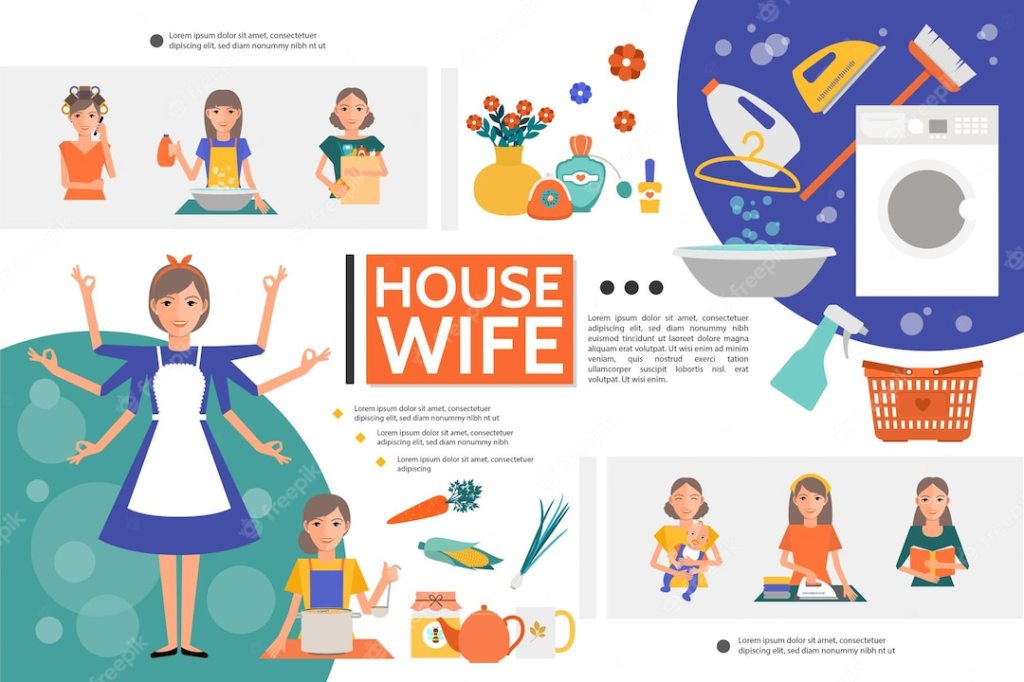
It can be high society job or low society job. That depends upon their education and family back ground. There are some women who are not interested in working. They love to be a house wife, looking after their children, doing household requirements and taking care of elders. Now our discussion is about, who is acquiring respect in the society? Either house wife or working woman?
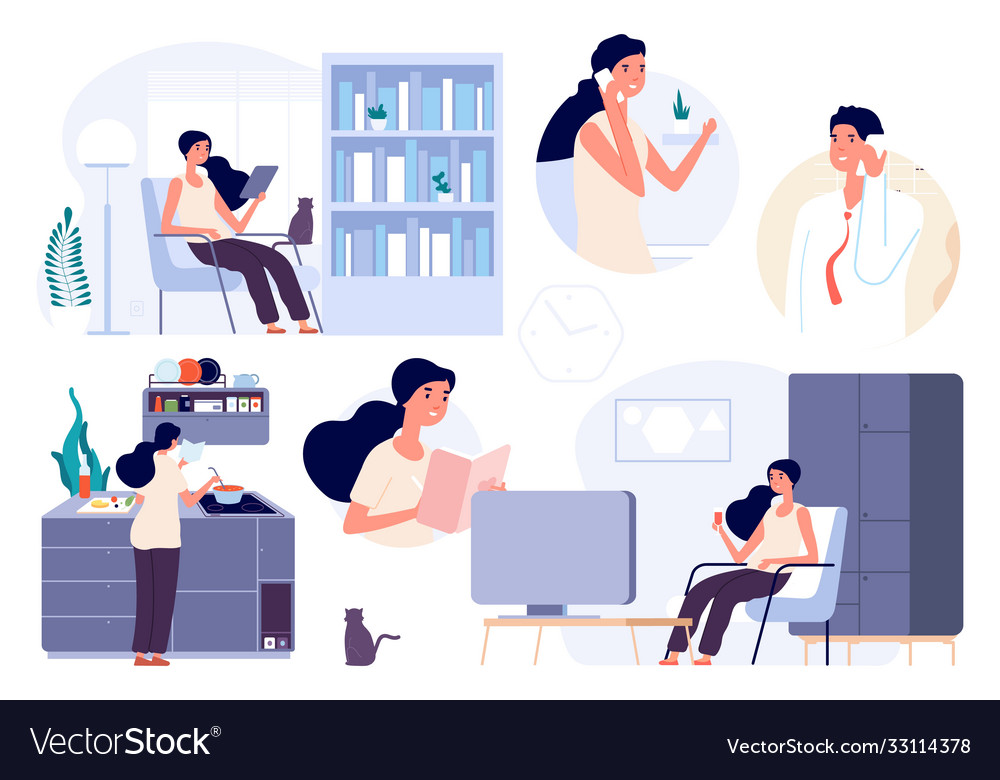
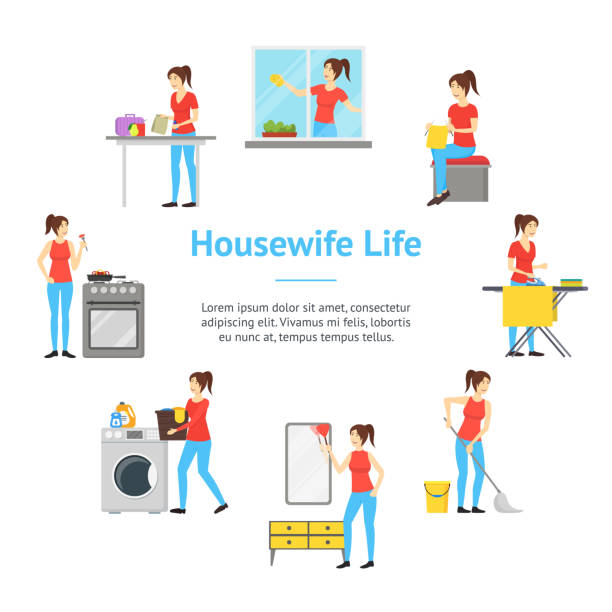
When females went to college, recommenced courses included interior decoration and family finance. Many women applied for jobs, and did not care what society thought. Society had strong thoughts to share though, and working women received plenty of criticism. They were putting time into their work and spending less time at home. Many critics said this wrecked the relationship between a parent and her child. Over all, the working woman faced many difficulties in the 1950s.
Today, life is different, yet it is easy to see that some values we share today are still in place from the 1950s. Starting all they way from childhood, the person who does most of the housework leads into modern day. As a child, girls do more housework than boys. Males also get more money, as 66% of boys get allowances, while only 59% of girls get their allowance. Boys who have with sisters are 13.5% more likely to believe in traditional female roles. When grown up, we can see the effects of this. Women spend 3 hours more cleaning a week, and we can see this in the fact that 50% of women come home and do housework. Only 20% of men do the same. Although it might be insignificant, we can see the skewed standards. These standards have not yet changed since the fifties.
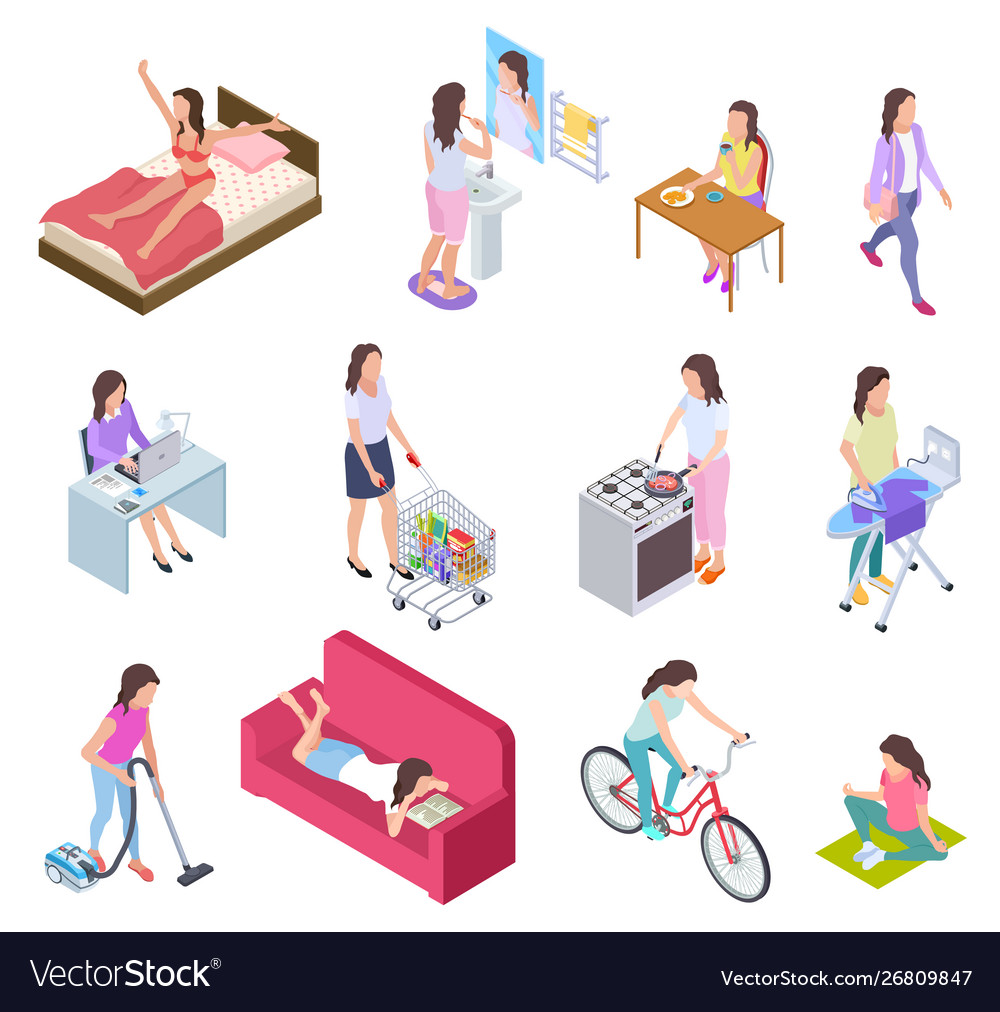
The idea of housework seems minuscule, compared to a real job. A career seems better, considering that science has proven that females are smarter. Girls have higher IQs, and at age 7, girls have an average IQ of 101. This has a lead on boys
On the other hand, when both partners share the breadwinner role men are more likely to increase their core housework tasks in companion to men in the ‘new traditional’ and male-breadwinner families. Consequently, many studies found that gender attitudes are still primary indicators of who does housework, thus women still do two-thirds of housework where men do two-thirds of paid work. It is noticed that there have been significant changes for women over the last 6 decades to participate in the labour force, yet there was hardly any change to the division of core household work between men and women.
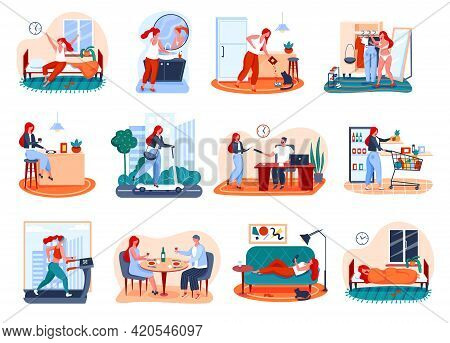
During the 1950’s- 1960’s men and women followed strict gender roles that complied with society’s expectation at the time. Women played domestic roles in which it was implied they were only useful in the kitchen and taking care of their husbands. Throughout this time period it was more important for women marry a man than it was to attend college and be educated. Some women had college degrees and still chose to be housewives. At the time even secondary schools prepared young girls for this type of role; lessons were given in cookery, household management, darning, sewing and even how to iron a shirt properly. Women were prepared to take on the housewife role both at school and at home; housewives did not have a career so they depended on their husband. Sexism was rampant during this era; the attitude carried over into advertising, which did little to advance gender roles and ran advertisements that implied women were idiots who cared mostly about pleasing their men.
Whether it is the past or the present, there have always been gender roles in society. In most homes, it is the woman’s responsibility to take care of the house. This includes cleaning, meal preparations, raising and taking care of the children as well as the husband. Compared to the men who take care of the more physical activities, such as yard work. It was known throughout many years that it was a woman’s responsibility to stay in the house while the man would go out and look for work to provide money for his family. Although the intensity of gender roles has changed, it still exists.
Women and men are to work side by side in the home. The truth that men are not as capable as women in the home is derived not from the innate incapability, but from the lack of practice. They were never taught to work in the home, as in their youth they were given the chores of the men, and left the housework to their sisters under the firm direction of their mother. As a result of this, they became helpless when it came to housework. This practice has left feminists in a horrified state. The training of young boys and girls starts now.
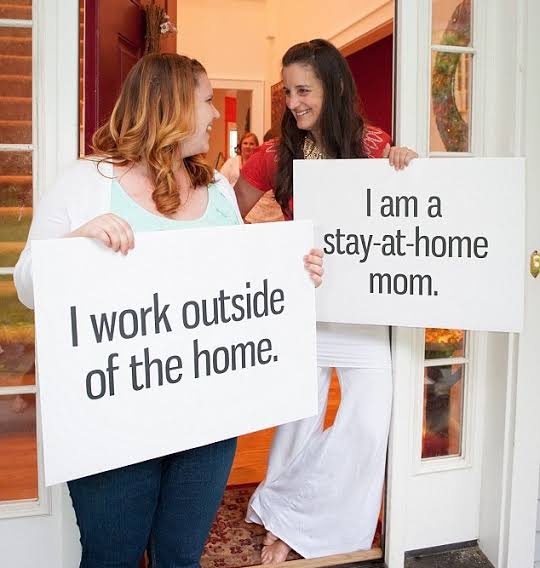
Once women began working at the beginning of the twentieth century due to the war, gender roles drastically changed within households. The world was used to women spending time on housework versus men so it was an adjustment for everyone. In all actuality, when husbands take on a greater role in the house, it will result in lower divorce rates in the long run. Studies show that although this change
During the 19th century, men and women were expected to occupy different spheres. Men lived a public life, working and socializing. While women, however, were tasked with taking care of the home. Women had been tasked with this job since, practically, the beginning of civilization. Women were expected to manage the cooking, cleaning, and children. Not only was it a lot of men who occupied this notion, but also a plethora of women.

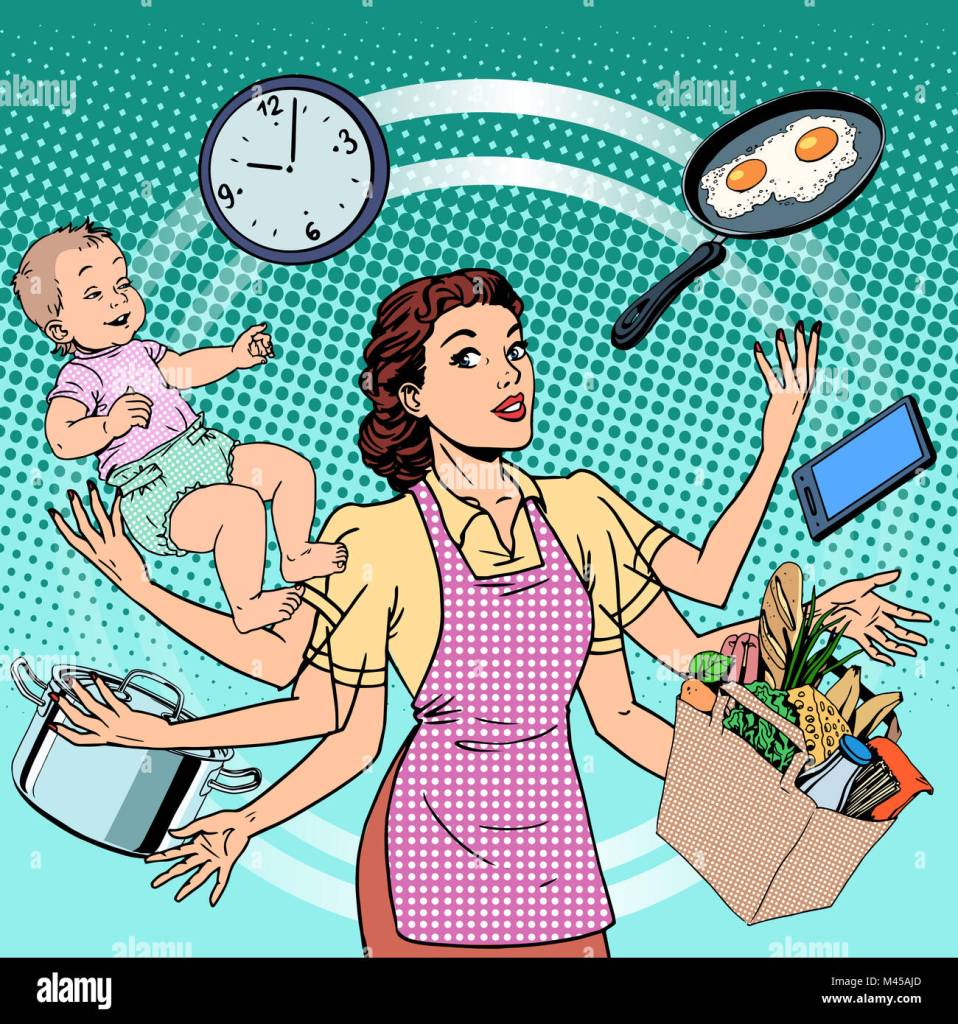
Women for years have been automatically given the role of the domestic housewife, where their only job is to cook, clean, and take care of the children. Men have usually taken the primary responsibility for economic support and contact with the rest of society, while women have traditionally taken the role of providing love, nurturing, emotional support, and maintenance of the home. However, in today’s society women over the age of sixteen work outside of the home, and there are more single parent households that are headed by women than at any other time in the history .
Even though gender roles have changed over time, females and males in the 1950’s as compared to today’s society has changes especially in social expectation. While researching about gender role I learn that females and male have become more equal than in the 1950’s. However in the 1950’s the men was the breadwinner of the house but in today’s society is much different now the women can now be the breadwinner of the house hold. Now the men have a choice to work or not to work they can stay at home and watch the children while the women is working outside.

Before, women were considered housewives who were in charge of taking care of children and cleaning the house while their husbands worked jobs to sustain their families. As years passed, many things have changed throughout society, including the responsibilities of both men and women. Today, women work and provide for their own family as much as men do. Throughout the years, many roles have changed, but one issue remains which is that most men do not consider house cleaning as a mandatory task. Gross believes that men lack the emotional and physical drive to do a “woman’s job”. Although today more men are contributing to their home chores, there are still many men who leave this to their wives or any woman in general. Men cook and watch for their children, but they do not bother with house cleaning. Most men feel like a clean house is not needed to have a healthy, safe environment for the family, which Gross does not agree with.
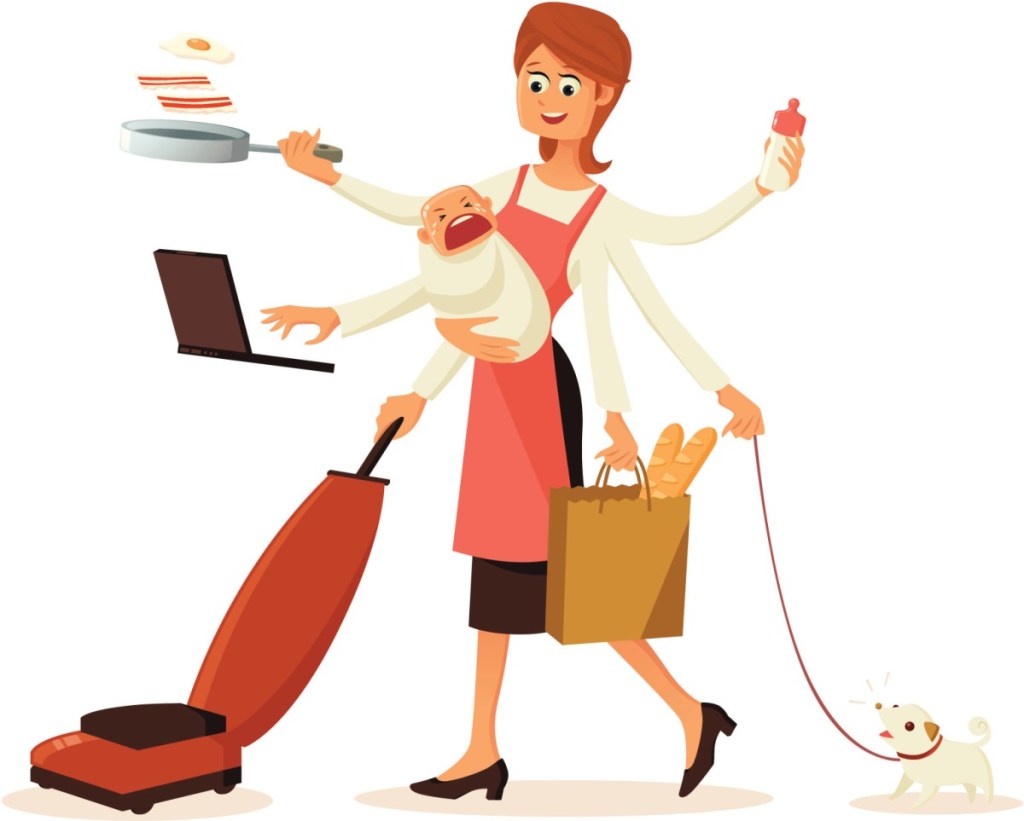
Feminization of work is an idea which lives up to expectations towards more noteworthy vocation of women and the point is to illuminate the issues concerning sex disparities in the work power. It points towards explaining the issues of sexual contrasts and killing imbalance in administrations.
Since the beginning of time, women have always been responsible for housework, such as bearing and caring for children, cleaning and maintaining the house, preparing the food, and generally staying within the four walls that her husband has provided her; however, education threatens this sound way of life.
Even though gender roles have changed over time, females and males in the 1950’s as compared to today’s society has changes especially in social expectation. While researching about gender role I learn that females and male have become more equal than in the 1950’s. However in the 1950’s the men was the breadwinner of the house but in today’s society is much different now the women can now be the breadwinner of the house hold. Now the men have a choice to work or not to work they can stay at home and watch the children while the women is
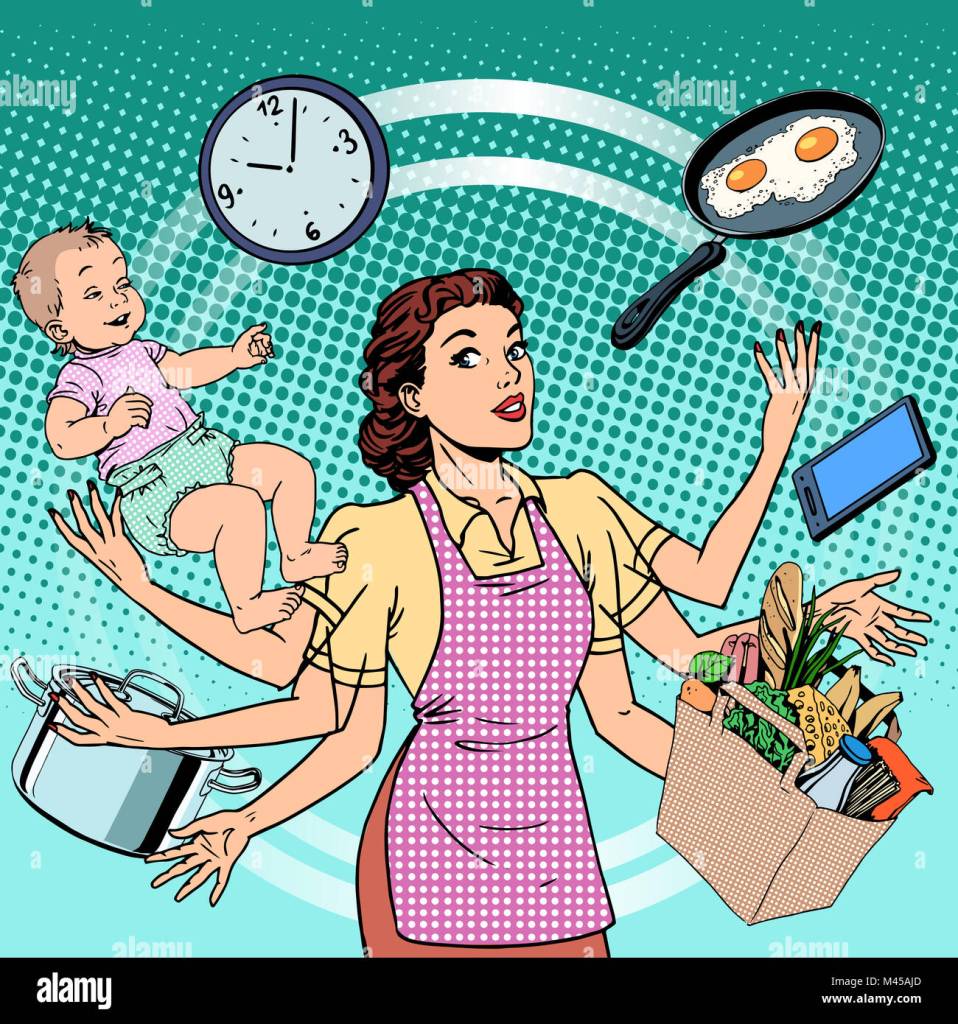
Before, women were considered housewives who were in charge of taking care of children and cleaning the house while their husbands worked jobs to sustain their families. As years passed, many things have changed throughout society, including the responsibilities of both men and women. Today, women work and provide for their own family as much as men do. Throughout the years, many roles have changed, but one issue remains which is that most men do not consider house cleaning as a mandatory task. Gross believes that men lack the emotional and physical drive to do a “woman’s job”. Although today more men are contributing to their home chores, there are still many men who leave this to their wives or any woman in general. Men cook and watch for their children, but they do not bother with house cleaning. Most men feel like a clean house is not needed to have a healthy, safe environment for the family, which Gross does not agree with.
Feminization of work is an idea which lives up to expectations towards more noteworthy vocation of women and the point is to illuminate the issues concerning sex disparities in the work power. It points towards explaining the issues of sexual contrasts and killing imbalance in administrations.
Since the beginning of time, women have always been responsible for housework, such as bearing and caring for childe and maintaining the house, preparing the food, and generally staying within the four walls that her husband has provided her; however, education threatens this sound way of life.
 k's all in one
One thought on “.working women n housewife roll of all ladies”