Types of cornflakes
Cornflakes are a popular breakfast cereal made from toasted flakes of corn. While there are many variations and brands of cornflakes available, I can provide you with information about some common types of cornflakes:
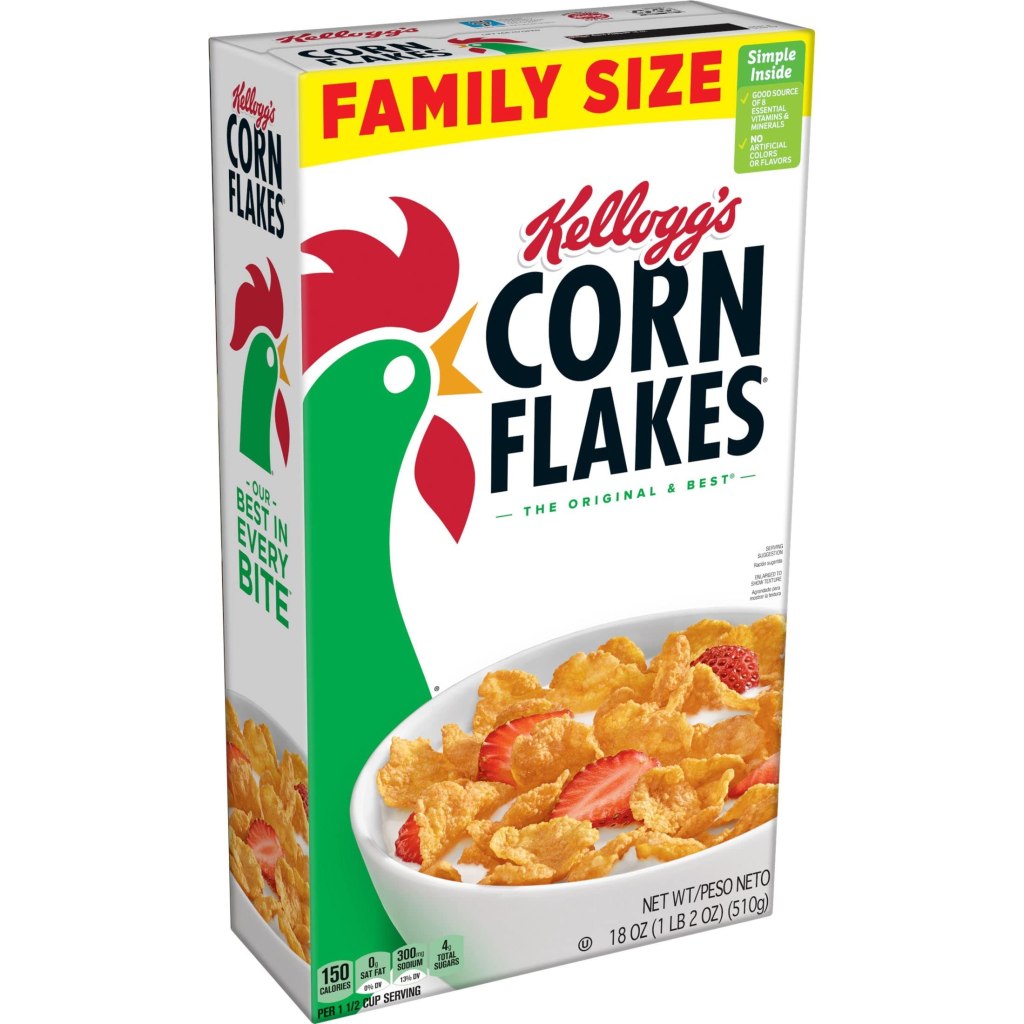
1.Original Cornflakes: This is the classic version of cornflakes, consisting of plain toasted corn flakes. They are typically made from milled corn and have a light, crispy texture.
Good for vision – Cornflakes contain vitamins A, niacin, vitamin B, vitamin B12, lutein, and all essential nutrients that are beneficial for your eyes. In addition, it improves the amount of iron in the body. Anemia can be tackled by including a diet rich in iron.
The flakes may be low in fat, but they make up for that in the amount of sugar present in them, making them unhealthy for daily consumption. Corn flakes contain high levels of sugar in the form of high fructose corn syrup (HFCS).
Though it is inappropriate to call corn flakes completely unhealthy, yes, it may cause diabetes too. In general, processed food with loaded sugar content come under the category of high glycemic food and corn flakes with 82 glycemic food index may cause increased insulin levels in the body and lead to type 2- diabetes.
Milk and cornflakes make a very healthy, protein-rich meal which is essential for an active body all day. Proteins help you improve immunity, regulate hormones, and also repair body tissues. Adding almonds to your cornflakes bowl can further increase the protein intake.
Oats and cornflakes both are some amazing options for breakfast, but overall oats is a better option. Per 100 grams, oats contain 26 grams of protein, while cornflakes contain 7 grams. Oats are better in terms of fibre as well, as they contain 16 grams of fibre, while cornflakes contain only 2 grams.
Cereals like cornflakes or puffed rice served with low-fat milk – can be part of a healthy breakfast but are low in fibre so not as good a choice as a wholegrain cereal. Adding a piece of fruit will help to balance your breakfast as well as making it more filling to eat.
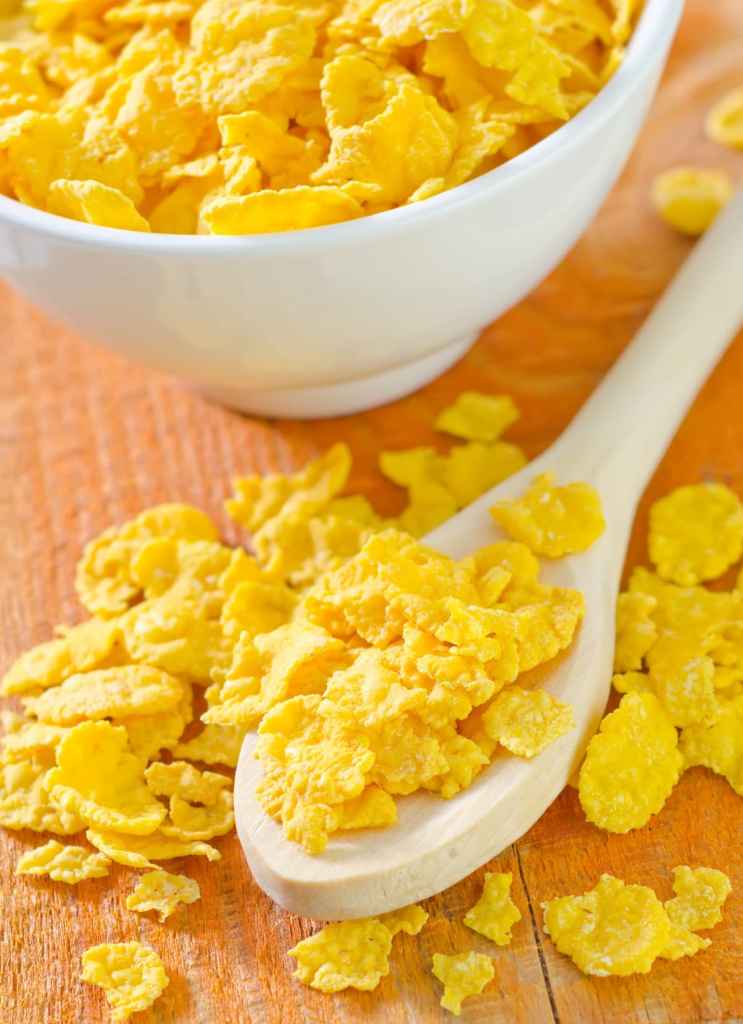
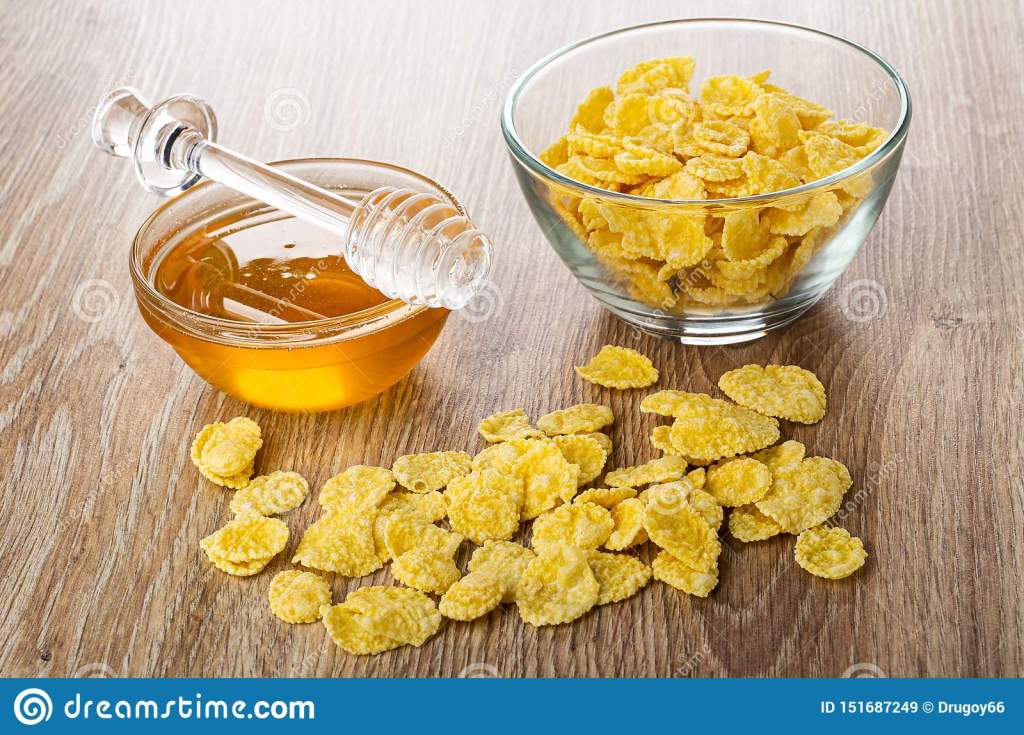
2.Honey Cornflakes: These cornflakes are coated with a sweet honey glaze, adding a touch of sweetness to the cereal. The honey flavor enhances the taste and provides a different twist to the original cornflakes.
It is low in fat, naturally cholesterol free and also has the goodness of Power of 5- Energy to be active and alert, Protein, Iron, Immuno Nutrients and Essential Vitamins. All you need to do is just add milk and jump start your active day.
Honey Cornflakes: Honey cornflakes are quite favourite among kids and adults alike. As they are rich in all the nutrients whereas honey provides thiamin, niacin, riboflavin along with vitamin B6 and vitamin B12. So, you should consider adding this cereal to your daily meals.
Packed With Nutrition. Corn flakes are a rich source of nutrients, minerals, dietary fiber, folate, proteins, and furthermore carbohydrates. …
Protein-Rich Meal. …
Maintains Lung Health. …
Helps In Formation of New Cells. …
Improves The Iron Content. …
Helps In Losing Weight. …
Beneficial For Heart Disease.
Avoid fatty breakfast meats, such as bacon and sausage, because they can increase inflammation and cause heartburn and indigestion. Plain cereals, such as corn flakes or cream of rice, are low in fat, quick to fix and easy to digest.
Corn flakes are not recommended as a main source of nutrition for babies. Babies need a variety of nutrients, especially those found in breast milk or formula. Solid foods should be introduced gradually after 6 months of age, with a focus on iron-rich foods such as pureed meats and iron-fortified cereals.
We have found that a 30-gram portion matches well the energy needs of children. Our easy rule of thumb when having cereals is 25 to 30 grams for children and 30 to 45 grams for adults. Measuring the weight of your breakfast cereal is the most accurate method of getting your portions right.
You should avoid eating packed foods, such as fast food and pre-packaged snacks if you have fatty liver disease. Processed foods like biscuits, chips, and cornflakes have a high amount of saturated fats that can impact your liver functions. These are harder to digest which causes more stress on the liver cells.
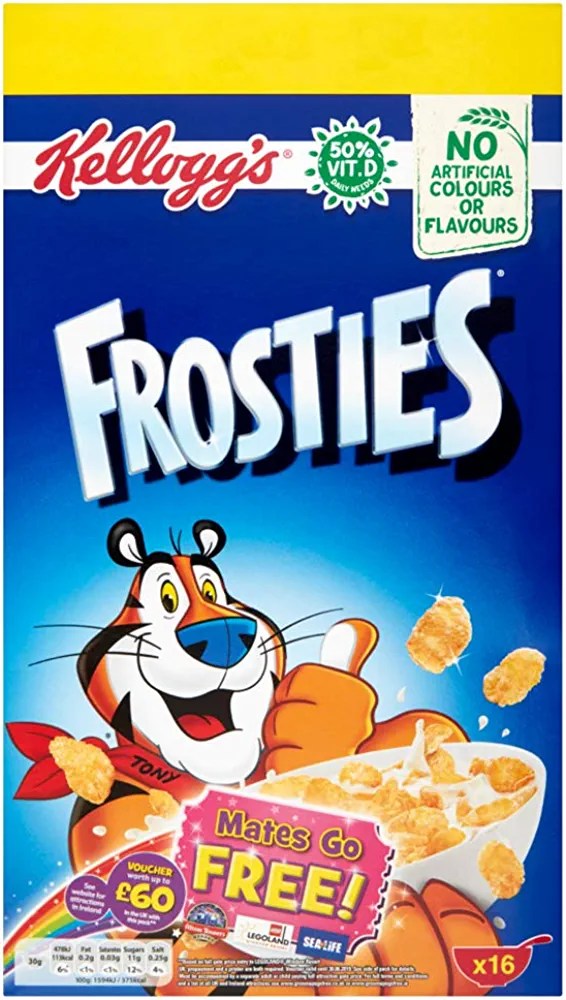
3.Frosted Cornflakes: Frosted cornflakes are coated with a sugary frosting, creating a sweeter and crunchier cereal. The frosting adds a deliciously sweet taste to the cornflakes.
Although Frosted Flakes are higher in sugar than other cereals and often not considered a diet food, they can be part of a healthy weight-loss plan. Cereals that are low in calories and fat content such as Frosted Flakes may help you lose weight.
Sugar-frosted cornflakes are high in sugar and low in fibre as well as usually coming with added salt. Sugar-frosted flakes are usually nutritionally similar to other sweetened cereals like chocolate rice cereals, or honey-nut coated cereals.
Vitamins and Minerals: Iron (ferric phosphate), niacinamide, vitamin B6 (pyridoxine hydrochloride), vitamin B2 (riboflavin), vitamin B1 (thiamin hydrochloride), folic acid, vitamin D3, vitamin B12.
While Kellogg’s Corn Flakes do contain some protein, it is not a significant source of protein compared to other protein-rich foods like chicken, eggs, or beans. Therefore, while Kellogg’s Corn Flakes can be part of a healthy and balanced diet, they alone are not likely to be sufficient to support bodybuilding.
Kellogg’s Frosted Flakes® contains malt flavoring, which is derived from barley, a grain that contains gluten.
Their Amazon Frosted Flakes are made from three ingredients: organic cornmeal, organic cane sugar, and sea salt. If you enjoy them, we recommend checking out their other gluten-free corn flakes, like Honey’d Corn Flakes. These include the same three ingredients as above and a touch of honey.
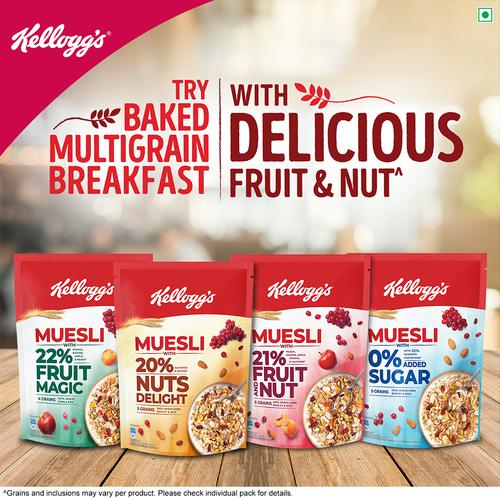
4.Multigrain Cornflakes: Some cornflake brands offer a variation that combines corn with other grains such as wheat, rice, barley, or oats. These multigrain cornflakes provide added nutritional value and may have a slightly different texture and flavor.
Helps Improve Heart Health
Jowar flakes in Multigrain Flakes are rich in fibre. Jowar Flakes help to lower the LDL (bad cholesterol) and in turn reduces the chance of heart diseases.
reduce the risk of developing diseases such as coronary heart disease, cancer, diabetes and diverticular disease. A high intake of highly refined cereals has been linked to diabetes and some types of cancer.
Contrary to what many corn flake brand advertisements will have you believe, the breakfast cereal is not very healthy, let alone helpful in weight loss. The flakes may be low in fat, but they make up for that in the amount of sugar present in them, making them unhealthy for daily consumption.
Multigrain flakes is healthiest when it is whole grain. When multigrain flakes contains whole grains, it can lower the risk of heart disease, cancer, stroke and diabetes. Not all multigrain flakes is whole grain, however.
Contains≥15% RI of vitamin D and iron. Vitamin D contributes to the maintenance of normal bones. Iron contributes to normal cognitive function. Enjoy as part of a varied & balanced diet and a healthy lifestyle.
Multigrain flakes does contain fiber. While it doesn’t contain as much fiber as whole grain flakes, it contains more fiber than white flakes. In addition, if multigrain flakes is made up of whole grains, the fiber content is greater and creates a nutritious flakes type.
5 disease, there are gluten-free: cornflake options available. These cornflakes are made from gluten-free grains and are suitable for those following a gluten-free diet.
A few brands of corn flakes are certified gluten-free, including Nature’s Path Organic Fruit Juice Corn Flakes and Nestle Gluten-Free Corn Flakes. Most other popular brands of corn flakes are not gluten-free because they contain malt barley, which has gluten in it.
Grains, starches or flours that can be part of a gluten-free diet include:
Amaranth.
Arrowroot.
Buckwheat.
Corn — cornmeal, grits and polenta labeled gluten-free.
Flax.
Gluten-free flours — rice, soy, corn, potato and bean flours.
Hominy (corn)
Millet.
corn in its natural form is gluten-free. However, be on the lookout for gluten in corn that comes in a sauce or with any other ingredients, as they could contain the protein. Regardless of the type of corn you purchase, always double check the ingredients label to make sure the product is truly gluten-free.
Are Kellogg’s cornflakes gluten-free?
A: No, Corn Flakes Kellogg’s are not gluten-free. They have milled corn, sugar, and malt flavoring containing barley gluten. People with gluten intolerance or celiac disease should avoid Corn Flakes Kellogg’s and look for gluten-free alternatives.
Are Nestle corn flakes gluten-free?
NESTLE CORN FLAKES
A delicious way to have a gluten-free breakfast for the whole family! Gently toasted, crunchy flakes in three flavours, being a source of 5 vitamins, including folic acid for the whole family!
What are the 3 types of gluten?
As we already mentioned in the previous section, glutens found in wheat, rye, and barley are known by different names but they all contain the protein fraction gliadin. So, if you have celiac disease, you can expect to experience a negative reaction when consuming any of these three gluten grains.
What are 3 gluten-free grains?
While some grains contain gluten, there are a number of naturally gluten-free grains that those following a gluten-free diet can enjoy. These include oats, quinoa, brown rice, corn, millet, amaranth, teff, and buckwheat. Most of these gluten-free grains can be purchased at grocery stores.
What are 4 sources of gluten?
Sources of Gluten
Wheat.
Varieties and derivatives of wheat such as: …
Rye.
Barley.
Triticale.
Malt in various forms including: malted barley flour, malted milk or milkshakes, malt extract, malt syrup, malt flavoring, malt vinegar.
Brewer’s Yeast.
What part of corn has gluten?
Yes, corn in its natural form is gluten-free. However, be on the lookout for gluten in corn that comes in a sauce or with any other ingredients, as they could contain the protein. Regardless of the type of corn you purchase, always double check the ingredients label to make sure the product is truly gluten-free.
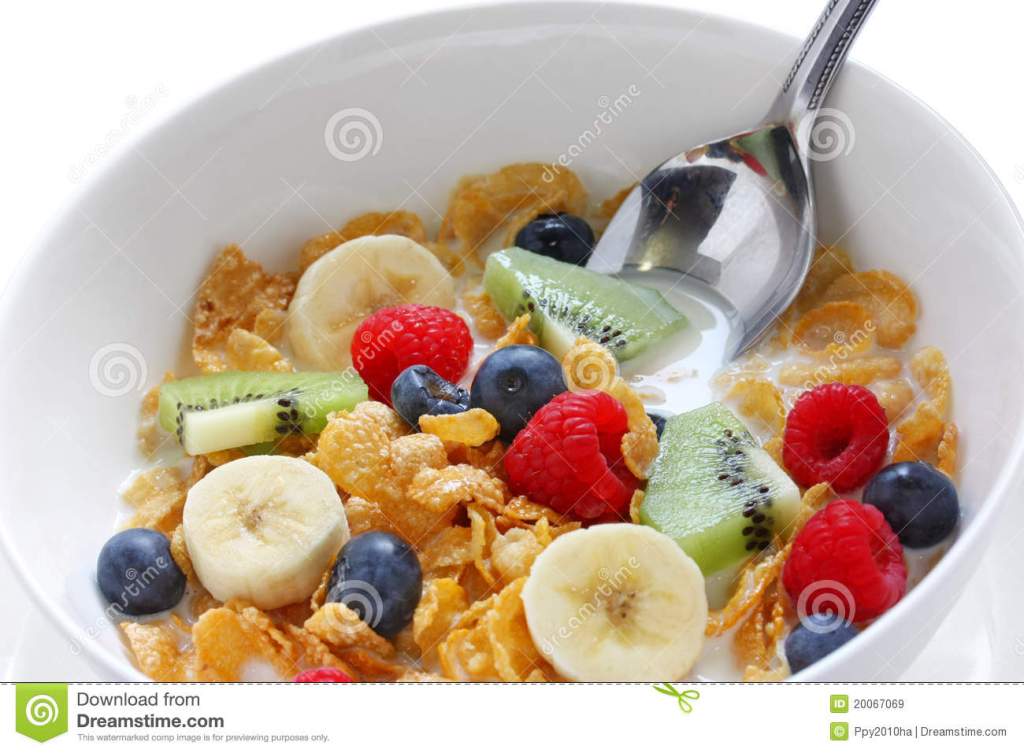
6.Organic Cornflakes: Organic cornflakes are made from organically grown corn, without the use of synthetic pesticides or fertilizers. They are a choice for individuals seeking organic food options.
Organic corn flakes deliver a crunchy texture and satisfying taste. It is a good source of folate, helpful in preventing birth defects, heart diseases, and colon cancer. Corn flakes provide lutein which is a vital nutrient for eye health.
Are organic corn flakes healthy?
1. Apart from satisfying the taste buds of consumers, cornflake is also a good source of vitamins, minerals, folate, dietary fiber, as well as proteins, and carbohydrates. 2. A good source of folate.
What is the best organic cereal?
organic cereal brands
Nature’s Path Organic Sunrise Crunchy Honey Cereal – Case of 12/10.6 oz. …
Nature’s Path Organic Optimum Power Blueberry Cinnamon Flax Cereal – Case of 12/14 oz. …
Cascadian Farm Organic Purely O’s Cereal – Case of 12/8.6 oz. …
Nature’s Path Organic Honey’D Corn Flakes Cereal – Case of 12/10.6 oz.
What is organic corn flakes?
Light, golden flakes made from maize. This product is Coeliac UK, Vegan, Kosher and Soil Association certified. GLUTEN FREE ORGANIC Corn Flakes. Crunchy corn cereal flakes. Ingredients: maize*98%, dried rice syrup*, salt, rice bran extract*.
Why buy organic cereal?
Organic cereals contain fewer ultra-processed ingredients and potentially harmful food additives than their conventional counterparts. By choosing organic, you avoid artificial preservatives, colors or flavors, because they are not allowed for use in organic foods.

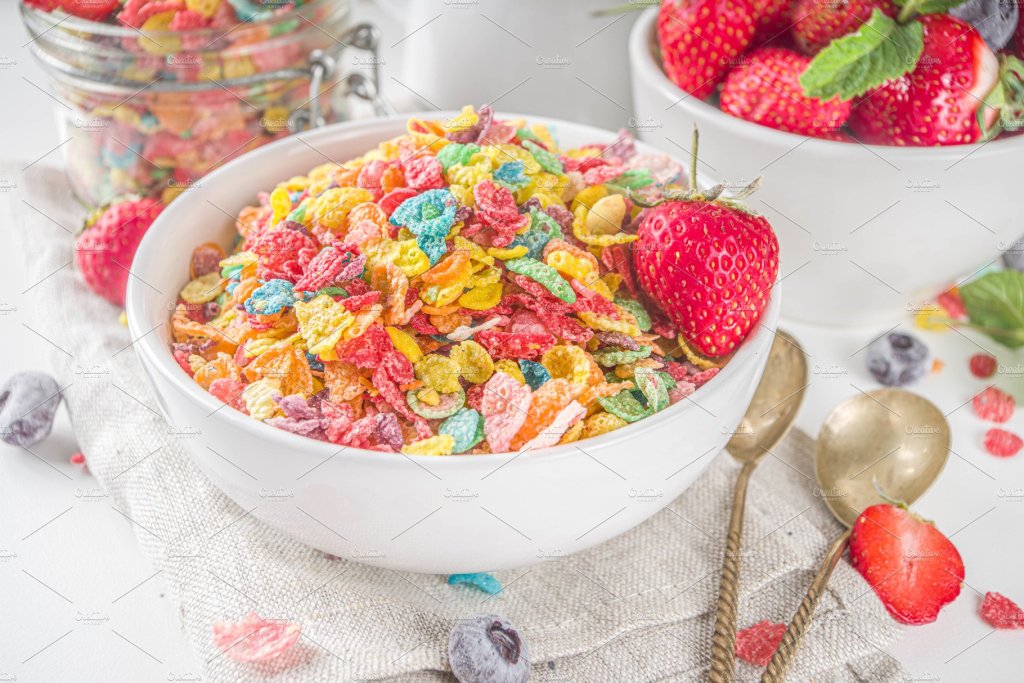
7.Flavored Cornflakes: Some brands offer flavored cornflakes with additional ingredients such as chocolate, cinnamon, fruits, or nuts. These variations provide a different taste experience compared to traditional cornflakes.
Kellogg’s Corn Flakes
Kellogg’s® Corn Flakes with Real Almond & Honey. Kellogg’s Corn Flakes Real Almond and Honey with Milk is a nourishing breakfast for your busy mornings. …
Kellogg’s® Corn Flakes Original. …
Kellogg’s® Corn Flakes with Real Strawberry Puree. …
Kellogg’s® Corn Flakes with Real Honey.
What is malt flavor in corn flakes?
This is a sweetener made from barley, a gluten-containing ingredient. In fact, many brands of corn flakes are made with malt syrup flavoring or extract (which contain gluten). But that doesn’t mean there aren’t plenty of gluten-free corn flakes available.
A cereal brand is introducing three new variations on a classic. Kellogg’s Frosted Flakes, a brand of Battle Creek-based Kellogg Company, said Wednesday, May 18, it is rolling out Kellogg’s Frosted Flakes Strawberry Milkshake, Cinnamon French Toast and Chocolate flavors.
Is malt flavor good?
The subtly sweet, nutty ingredient is a delicious addition to a milkshake (often referred to as a “malt” or a “malted milkshake”) or simple desserts like cookies or brownies. Malt powder can also be coated in chocolate to make malted milk balls.
Which Flavour is malt?
The short answer is that malt is a sweetener with a distinct toasted, caramel-like, fruity flavor.
It’s worth noting that different brands may have their own unique variations of cornflakes, and the availability of specific types may vary depending on your location and the brand you choose
 k's all in one