Several studies have shown that sonth may have the following properties:
It may act as an antimicrobial agent. …
Ginger also shows antimicrobial and other biological activities due gingerol and paradol, shogaols and zingerone. An important finding showed that 10% ethanolic ginger extract was found to possess antimicrobial potential against pathogens [16].
Natural spices of garlic and ginger possess effective anti-bacterial activity against multi-drug clinical pathogens and can be used for prevention of drug resistant microbial diseases and further evaluation is necessary.
Sonth can be used as an antioxidant. It may be used against bacterial infections, stomach disorders, headaches and coughs. It can kill and inhibit the growth of cancer-causing cells. Additionally, sonth may reduce pain and inflammation.
Results indicate that ginger contains monoterpenoids, sesquiterpenoids, phenolic compounds, and its derivatives, aldehydes, ketones, alcohols, esters, which provide a broad antimicrobial spectrum against different microorganisms and make it an interesting alternative to synthetic antimicrobials.
The active compounds with antibacterial activity are gingerol and shogaol compounds of phenolic groups. These compounds damage the membrane and the cell wall resulting a change in permeability and release of intracellular constituents such as ribose and Na-glutamate.
What are 4 antimicrobial agents?
They include antiseptics, antibiotics, antivirals, antifungals and antiparasitics. Disinfectants are antimicrobial agents applied to non-living surfaces.
What is the difference between ginger powder and sonth powder?
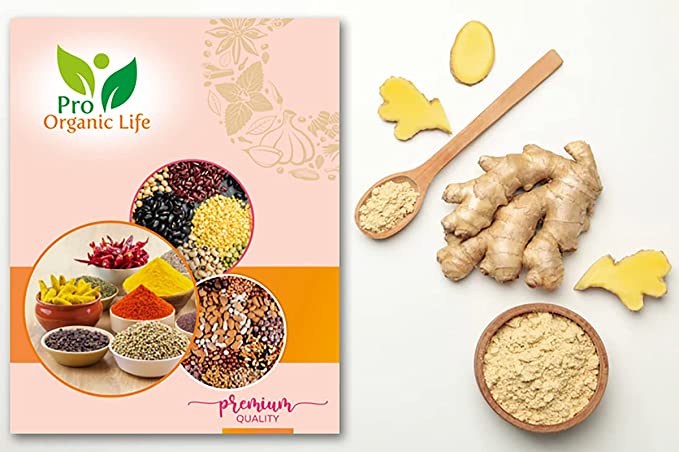
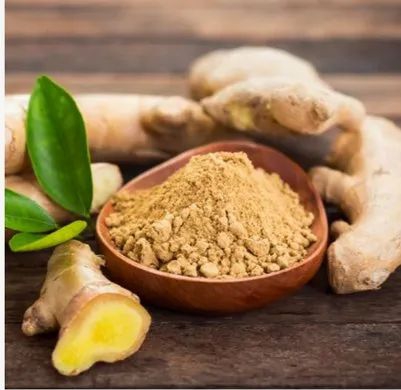
Dry ginger, also known as “sonth”, is made by drying fresh ginger root and then grinding it into a fine powder. This process involves removing most of the water content and concentrating the flavor and medicinal properties.
It may act as an anticancer agent. …
Ginger has been found to be effective against various GI cancers such as gastric cancer, pancreatic cancer, liver cancer, colorectal cancer, and cholangiocarcinoma.
Sonth can be used as an antioxidant. It may be used against bacterial infections, stomach disorders, headaches and coughs. It can kill and inhibit the growth of cancer-causing cells. Additionally, sonth may reduce pain and inflammation.
Sunthi has Anti – Inflammatory, Antimicrobial, Antioxidant, anticancer properties. It is useful in Amavata, Cough, Cold, Gastrointestinal, Cardiovascular and Sexual disorders. In Ayurveda Sunthi has been described as mahaushadh means a great medicine.
Chemical Constituents of Sunthi (Zingiber officinale):
Sunthi is rich in Essential oil, pungent constituents (Gingerol and Shogaol), resinous matter, starch, etc. The Seeds of Sunthi contains Ricinine, Ricine, and lipase enzyme. Oil is rich in Glycerides like recinoleic acid, oleic acid, linoleic acid, & stearic acid.
It may be an antioxidant. …
Ginger contains antioxidants. These molecules help manage free radicals, which are compounds that can damage cells when their numbers grow too high.
[6]-Gingerol extract reportedly attenuated oxidative stress through decreasing the levels of H2O2, MDA, MPO, NO, TNF-α, and caspase-3 on one hand, while increasing the levels of the antioxidant enzymes, including catalase, SOD, GPx, GST, and GSH on the other hand in chlorpyrifos (CPF)-induced oxidative damage rat .
Ginger (Zingiber officinale Roscoe) is a common and widely used spice. It is rich in various chemical constituents, including phenolic compounds, terpenes, polysaccharides, lipids, organic acids, and raw fibers.
Garlic is known to contain natural antioxidants that can remove reactive oxygen species (ROS) and reduce lipid peroxides and low-density lipoprotein (LDL) oxidation [1, 2].
Ginger root contains a very high level (3.85 mmol/100 g) of total antioxidants, surpassed only by pomegranate and some types of berries (Halvorsen et al.
The highest antioxidant activity by infusion process was found in red ginger of 79.83 % followed by 70.43 % and 61.70% in emprit ginger and elephant ginger. Conversely, the highest antioxidant activity by decoction was found 78.76 % in emprit ginger, followed by 70.56 % and 60.93% for red ginger and elephant ginger.
Reactive oxygen species (ROS) are widely believed to cause or aggravate several human pathologies such as neurodegenerative diseases, cancer, stroke and many other ailments. Antioxidants are assumed to counteract the harmful effects of ROS and therefore prevent or treat oxidative stress-related diseases.
Antioxidant-Rich
There are several ways to assess antioxidant capacity, and each yields slightly different results. However, both turmeric and ginger are regarded as some of the most antioxidant-rich foods out there.
According to the findings, the two varieties of ginger and garlic have strong antioxidant activity due to their different phytochemical compositions, which could make them useful as natural antioxidants in food and medicine applications.
Black ginger is known to be rich in secondary metabolites such as methoxyflavones, phenolic glycosides, polyphenols, and terpenoids. Methoxyflavones in black ginger are known to have antioxidant and anti-inflammatory activity [7].
It may reduce inflammation. …
Sunth powder is made from dried ginger root that has been ground into a fine powder. Is dried ginger powder healthy? Dried ginger powder is generally considered healthy and has numerous health benefits such as reducing nausea, relieving pain and inflammation, and improving digestion.
Potential use of sonth for reducing pain and inflammation
in 2020 showed that sonth might have anti-inflammatory and analgesic (reducing pain) activity. Sonth may inhibit the release of inflammatory mediators (molecules responsible for inflammation and reducing pain).
One of ginger’s main uses is to treat urinary tract inflammatory problems [6]. Furthermore, its anti-inflammatory properties, due to immune response modulation during the cellular phase, have been described. Another highlighted ability of this herbal extract are its antinociceptive effects induced by acetic acid [7].
There is also promising evidence suggesting daily ginger intake of 1600 mg may help lower LDL (“bad”) cholesterol by reducing inflammation and balancing blood sugar, per a 2020 review in ARYA Atherosclerosis.
The Arthritis Foundation (AF) suggests taking ginger as a powder, extract, tincture, capsule, or oil. They recommend having a maximum of 2 g a day, divided into three doses, or drinking up to 4 cups of ginger tea daily.
Ginger (Zingiber officinale Roscoe, G) and turmeric (Curcuma longa L., T) are two popular functional foods belonging to the Zingiberaceae family with anti-inflammatory properties [27,28].
Ginger was shown to reduce inflammation when taken in high doses for four weeks.
Lemon ginger tea may have anti-inflammatory properties that could help reduce pain and inflammation associated with conditions such as arthritis, headaches, and menstrual cramps. Ginger has been found to have similar effects to non-steroidal anti-inflammatory drugs (NSAIDs) but without the negative side effects.
It may lower blood sugar levels. …
Potential use of sonth for lowering blood glucose levels
A study by Roufogalis et al. in 2014 showed that sonth might be used in the case of type 2 diabetes due to bioactive compounds like gingerol. This bioactive compound may control lipids and blood sugar levels, reducing the risk of type 2 diabetes.
Ginger supplementation significantly reduced the levels of fasting blood sugar, hemoglobin A1c, apolipoprotein B, apolipoprotein B/apolipoprotein A-I and malondialdehyde in ginger group in comparison to baseline, as well as control group, while it increased the level of apolipoprotein A-I (p<0.05).
Costus igneus, commonly known as insulin plant in India, belongs to the family Costaceae. Consumption of the leaves are believed to lower blood glucose levels, and diabetics who consumed the leaves of this plant did report a fall in their blood glucose levels.
The quickest way to lower your blood sugar is to take fast-acting insulin. Exercising is another fast, effective way. However, in severe cases, you should go to the hospital. High blood sugar levels are known as hyperglycemia or high blood glucose.
Generally, ginger is safe for consumption by individuals with diabetes. It may also offer several health benefits that can support diabetes management. Evidence notes that ginger can be beneficial for digestive health and reducing nausea and vomiting.
It may reduce headaches. …
One recommended recipe is stirring half a teaspoon of ground ginger into a glass of water and drinking the “ginger juice,” while another is to drink hot tea made from a teaspoon of freshly ground ginger.
One benefit is that it helps treat headaches and migraines. Ginger has a natural oil which contains chemical compounds that treats inflammation, nausea, and vomiting. Ginger can also increase your levels of serotonin, which acts as a chemical messenger during migraine attacks.
Conclusions: Ginger is safe and effective in treating migraine patients with pain outcomes assessed at 2 h.
Protection of brain cells: Ginger is high in antioxidants. The antioxidants help tone down the immune dysregulation in the brain cells and free-radical-induced brain cell damage that is responsible for the onset of diseases, such as dementia, Parkinson’s, and Alzheimer’s.
Additionally, some research suggests that ginger may be effective in reducing anxiety, as well. The spices saffron and turmeric may reduce both depression and anxiety. Additionally, some research suggests that ginger may be effective in reducing anxiety, as well.
It may relieve cough. …
Ginger is a natural anti-inflammatory and antioxidant that can help ease a cough. It can reduce inflammation in your respiratory tract and may even help to suppress the cough reflex. Try drinking fresh ginger tea several times a day for cough relief.
The researchers found that both honey and dextromethorphan worked to suppress coughs. They noted that honey scored slightly higher in one trial and on par with dextromethorphan in another. A person can use this remedy by swallowing a spoonful of honey or adding it to a hot drink, such as an herbal tea.
Honey and saltwater gargles are popular home remedies for coughing. You can also drink herbal teas made of peppermint, ginger, slippery elm, thyme, turmeric, or marshmallow root. There’s some evidence that bromelain supplements and probiotics can help ease a cough, but more evidence is needed.
Garlic is loaded with anti-bacterial properties which can help fight infections. Lemon is loaded with vitamin C that can boost immunity and help in reducing symptoms of common cold and sore throat. Ginger is widely used to treat cough and throat related issues.
Honey Ginger Water The main sign our body gives us when we have the flu is a sore throat. At this point, scrape some ginger and put it in a pan of boiling water. When it boils, add honey to it and squeeze half a lemon and you are good to go. This is beneficial for both sore throats and coughs.
It may decrease pain.
Shunthi churna has warming properties and improves the cardiovascular system, keeps your respiratory system in tune, increases appetite, aids digestion and also serves as a detoxifying agent. Benefits of Shunthi Churna: Shunthi contains thermogenic agents that are useful to burn fat.
Zandu Sunthi Ayurvedic Pure Herbs: Sunthi or sonth is basically dry ginger. It relieves the body from pains and inflammation. It is an anti-flatulent that helps treat an upset stomach and improves metabolism. Its anti-inflammatory properties can heal and regenerate cells in the body faster.
Ginger has been found to reduce both pain and nausea and has therefore also been studied in the context of migraine headache. One randomized controlled trial (RCT) found that ginger was no better than placebo for the prevention of migraine episodes.
🌸 *Sunthi Medicinal Pill*
Dried Ginger is a medicinal guti from a grandmother’s purse. Suntha is useful in cold, cough, indigestion, nausea. There is always something to eat in the cold, rain and current corona epidemic days.
I make sunthi pills by adding sunthi powder, jaggery, turmeric and honey. They taste a bit spicy but very tasty. Chew 2-3 tablets daily with a cup of warm water. Taking these tablets along with the doctor’s medicine will definitely help. Circumcision, turmeric and honey will boost the immune system.
How much jaggery to add to these pills depends on how hot your sunthi powder is. Sometimes jaggery will be required when the powder is very spicy.
FAQ:-
Is Sunthi good for health?
Sonth or Shunthi is also called vishvabhejhaj (universal medicine) due its many uses. It is a natural pain killer, used in Ayurveda to relieve all types of pain including abdominal colicky pain, joint pain, headaches and menstrual pain as it balances vata dosha in body.
What are the benefits of shunthi?
Shunthi churna has warming properties and improves the cardiovascular system, keeps your respiratory system in tune, increases appetite, aids digestion and also serves as a detoxifying agent. Benefits of Shunthi Churna: Shunthi contains thermogenic agents that are useful to burn fat.
How do you use Sunthi?
Sunthi Ginger
Use up to ½ teaspoon per serving in cooking.
Balancing for Pitta. Best for people with fiery, sharp digestion.
Ayurvedically cured dry ginger.
What are the properties of Sunthi?
Sunthi has Anti – Inflammatory, Antimicrobial, Antioxidant, anticancer properties. It is useful in Amavata, Cough, Cold, Gastrointestinal, Cardiovascular and Sexual disorders. In Ayurveda Sunthi has been described as mahaushadh means a great medicine.
Is it OK to eat ginger everyday?
How much ginger should you take daily? Ginger is safe to eat daily, but experts recommend limiting yourself to 3 to 4 grams a day — stick to 1 gram daily if you’re pregnant. Taking more than 6 grams of ginger a day has been proven to cause gastrointestinal issues such as reflux, heartburn and diarrhea.
Does ginger have side effects?
It is rare to have side effects from ginger. In high doses it may cause mild heartburn, diarrhea, and irritation of the mouth. You may be able to avoid some of the mild stomach side effects, such as belching, heartburn, or stomach upset, by taking ginger supplements in capsules or taking ginger with meals.
Is Saunth hot or cold?
Soonth is one of the herbs that is considered heaty in nature. To optimise its benefits, it’s important to use it in time tested ways – as a part of masala chai, as a part of laddoo or barfi that also incorporates ghee and jaggery or as a tadka in dals.
How to make Sunthi powder?
Wash, peel, and pat dry it. Cut them into thin slices and place them on the plate. Sundry these slices for a couple of days until they are dried. Then grind them into fine for up to a year.
Which part of shunti is used?
Ginger, in Latin Zingiber officinale, Ayurvedic “Shunti” is a perennial plant growing up to 1.5 m, mainly in China, India and Nepal. The most used part is the aboveground rhizome, sometimes incorrectly referred to as the root.
Is Sunthi and ginger same?
Fresh ginger is known as adrak in Hindi, and dry ginger powder is known as ‘Sonth’ in Hindi, ‘Sonti’ in Telugu, ‘Sonth’ in Bengali and ‘Soonth’ in Gujarati. The dry ginger powder comes from fresh ginger roots that are dried.
Is dry ginger heat or cold?
In traditional Chinese medicine (Shennong Ben Cao Jing), dried ginger is used to warm the body. Ginger soup, comprising hot water with dried ginger powder or grated raw ginger, is drunk to keep warm, especially when a person has a cold.
What do we call Sunthi in English?
Ginger root
Sunthi (Zingiber officinale) Synonyms:
English: Ginger root, Ginger. Gujrati: Sunth, Sundh, Suntha. Hindi: Sonth. Kannada: Shunthi.
What are the benefits of ginger for sperm?
Effect of ginger on sperm protection against oxidant compounds. In addition to having antioxidant properties and strong androgenic activity, ginger protects sperm‐producing cells and repairs testicular tissue against the toxic effects of some drugs and chemical compounds.
What is the difference between ginger and Sonth?
When it comes to the dried form of ginger, it is popularly known as “Saunth or Sonth” in Hindi and is often used in powder. It is essentially fresh ginger that has been dehydrated and ground into a fine powder. This process significantly alters its flavour and makes dry ginger a concentrated spice.
Who Cannot take ginger?
The most noteworthy concern is for those with bleeding disorders, such as hemophilia, where the blood doesn’t clot properly, says Dr. Staller. “Ginger has mild anticoagulant, or blood-thinning, properties, which means it may increase the risk of bleeding,” he says.
What is the best time to eat ginger?
If you are looking for relief from nausea, motion sickness, or morning sickness, you can eat ginger on an empty stomach. If you are looking for relief from muscle pain or inflammation, you can eat ginger after a meal. If you are looking for a boost of energy, you can eat ginger in the morning.
What are 5 health benefits of ginger?
5 Health Benefits of Ginger
Improve Blood Sugar Levels. Ginger contains a potent compound called gingerol. …
Reduce Inflammation. Ginger can also help ease joint pain and inflammation caused by arthritis. …
Relieve Pain. …
Strengthen the Immune System. …
Treat Nausea and Indigestion. …
Try It Out. …
Explore More.
Is ginger a blood thinner?
Blood-thinning foods, drinks, and supplements. Some natural substances, such as ginger and Gingko biloba, may help reduce the risk of clotting, but they are unlikely to be as effective as prescription medication, and they will not dissolve a blood clot.
Does ginger cause gas?
The National Center for Complementary and Integrative Health (NCCIH) note that ginger may cause: abdominal pain, or stomachache. gas and bloating. diarrhea.
Ingredients (1 cup = 250 ml)
One and a half cups of cinnamon powder
Chopped jaggery ½ cup
Honey 3 tbsp
Turmeric 2 tbsp
Sajuk ghee 4–5 tbsp
action
1. Heat 2 tablespoons of ghee in a pan and melt it on low flame. Add cinnamon powder to it and saute for 2-3 minutes on low flame. Turn off the gas when the sunthi crackles nicely.
2. Take the sunthi powder in a pan and cool it.
3. Now add jaggery, turmeric, honey and 2 tablespoons of sajuk ghee to it and mix well.
4. Add the mixture to the mixer bowl and swirl the mixer for 2-3 minutes. The mixture will be moist.
5. Take the mixture out in a sieve. See if small pills can be made. If it does not form pellets, add a little more ghee and knead the mixture.
6. Make small balls of the mixture.
7. Sunthi medicinal pill is ready. Chew 2-3 pills daily with a cup of hot water and stay healthy.
🌸🌸🌸🌸🌸🌸🌸
🌺🌺🌺🌺🌺🙏🤝🌺🌺🌺🌺🌺
 k's all in one