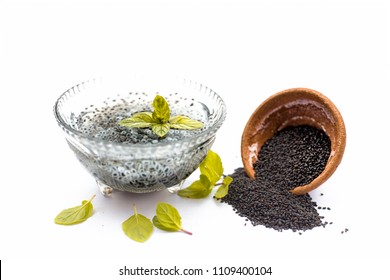
*🌾🥀.. Sabja.. Basil seeds..
Sabja or tukmaria seeds are basil seeds in English. They have a long history of use in Ayurvedic and Chinese medicine, but their health effects have only been tested in a few studies. Basil seeds aren’t just for growing basil plants — you can also eat them. They look similar to sesame seeds but are black.
Basil Properties
Several authors describe the therapeutic properties of basil as a stimulant, anti-dysmenorrhea, carminative and anti- hypochondria. Their seeds are well known as refreshing. Also as digestive, anticatarrhal, anti-cancer, hypotensive.
In India, sabja is popular amongst people because of the popular dish falooda. Like I mentioned in the beginning, other local Indian names of Sabja Seeds include Falooda Seeds and Tukmaria as well. These are basically the nutrient-rich seeds of the sweet basil plant.
Basil is an annual herbaceous plant of the Lamiaceae family native to India, currently cultivated and distributed worldwide mainly for its aromatic leaves.
Once basil has finished its growing season it sends out long flower stems above the leaves. Each flower along the stem will produce tiny black seeds that can be collected and sown to produce lots more basil.
Without frequent harvesting, basil produces flowers and goes to seed. When this happens, the leaves start to lose their flavor, so use them quickly. Pinching off flower heads when they appear will help keep the plant producing tasty leaves.
The name “basil” comes from the Latin basilius, and the Greek βασιλικόν φυτόν (basilikón phytón), meaning “royal/kingly plant”, possibly because the plant was believed to have been used in production of royal perfumes. Basil is likewise sometimes referred to in French as “l’herbe royale” (‘the royal herb’).
FAQ::
What is basil in plant?
basil, (Ocimum basilicum), annual herb of the mint family (Lamiaceae), grown for its aromatic leaves. Basil is likely native to India and is widely grown as a kitchen herb.
What are the properties of basil seeds?
Basil seeds have a long history of use in Ayurvedic and Chinese medicine. Potential benefits include being high in fiber, a good source of minerals, and rich in plant-based omega-3 fat. Many cuisines use basil as an herb to flavor dishes.
What is the introduction of basil?
Basil is an annual herbaceous plant in the mint family Lamiaceae. It has square stems with leaves that grow on opposite sides, and the leaves are rounded, slightly cupped, and curve to form at point at the tip. The leaves are generally light green, although some varieties have reddish or purplish leaves.
What is basil used for?
It is native to tropical regions of Asia and Africa, and it is a member of the mint family. Basil has a sweet, pungent, and slightly spicy flavor, and it is widely used in a variety of dishes, including pasta sauces, salads, and soups. It is also a popular ingredient in many traditional medicine systems.
What are the properties of basil?
Basil provides some macronutrients, such as calcium and vitamin K, as well as a range of antioxidants. Sweet basil, for example, has a high concentration of the chemical agent eugenol. This gives it a clove-like scent. Lime and lemon basils have high concentrations of limonene, which give them a citrusy scent.
What is basil called?
Basil (Ocimum basilicum) (IPA: [‘beɪzəl] or IPA: [‘bæzəl]) is a plant of the Family Lamiaceae. It is also known as Sweet Basil or Tulsi. It is a tender low-growing herb that is grown as a perennial in warm, tropical climates. Basil is originally native to India and other tropical regions of Asia.
What is basil in chemistry?
The chemical compositions of basil fresh leaves were identified by GC-MS: 11 components were identified. The major constituents were found to be methyl cinnamate (70.1%), linalool (17.5%), β-elemene (2.6%) and camphor (1.52%).
How many basil seeds?
Sow 3 or 4 basil seeds per cell. Basil will grow well together as a clump of 3 or 4 seedlings. Sprinkle a thin layer of seed starting mix over the top of each cell in the seed tray, gently firming it in.
Are basil seeds from Tulsi?
Tulsi Seeds which we can eat are not from the regular Holy Tulsi Plant, we generally have in our home but comes from Sweet Basil. The seeds typically referred to as sweet Basil Seeds. They are also called Sabja Seeds.
Is basil self seeding?
Outdoor annual basil plants often self-sow if you don’t pinch back their flowers, so you may find that new basil plants sprout on their own in your garden every spring. However, basil seeds don’t always germinate, which is why many gardeners take matters into their own hands and plant basil annually.
How to use basil seeds?
To use basil seeds for weight loss, soak one/two teaspoons of the seeds in a cup full of warm water and consume them directly after fifteen minutes. You can also sprinkle these seeds in salads and soups, or mix them with lemonade or green tea.
How to grow basil seed?
Before planting, amend the soil with compost and fertilizer and plant after the last frost. Plant the seeds 1/8 inch deep and thin to 3 to 4 inches apart after emergence. The plants germinate in 10-14 days. Irrigate basil with about 1½ inches of water per week.
Summer has started, the heat of summer is increasing. When we go out for some work, and face the heat, as the sun’s rays fall directly on the earth, the amount of heat increases.
🥀 Nosebleeds, dizzy spells, heat stroke, fever increase, many such problems arise, Sabja, i.e. Tulshi seed, is a useful remedy for all these.
, Sabja, is sweet in taste, and cools the body by reducing heat. It is rich in protein, fiber, omega, folic acid, calcium, magnesium, iron, vitamin C, A, etc.
🥀.. Benefits🥀..
Here Are A Few Basil Leaves Benefits::
1) Basil reduces oxidative stress. …
Health benefits of basil include: Reduction of oxidative stress. Basil is full of antioxidants. Sweet basil contains a compound called eugenol, and lime and lemon basils have limonene.
One study found that people who took 500 milligrams (mg) of holy basil extract each day felt less anxious, stressed, and depressed. People also felt more social. Ayurvedic practitioners recommend drinking holy basil as tea using the leaves. And since it’s caffeine-free, it’s OK and even recommended to drink daily.
The qualitative analysis of antioxidant activity of ethanolic extract and ethyl acetate fraction from basil leaf showed an antioxidant activity. The IC50 value of ethanolic extract, ethyl acetate fraction and quercetin were 1,374.00±6.20; 389.00±1.00; 2.10±0.01μg/mL, respectively.
And despite the loss of certain nutrients, the ORAC value of equivalent amounts of dried and fresh basil is actually about the same, which suggest that both are a significant source of antioxidants.
A tea made with leaves of holy basil is a common remedy for cold, cough and mild indigestion. Holy basil has diverse actions on the respiratory system. It effectively liquefies the phlegm and is effective for cough due to allergic bronchitis, asthma and eosinophilic lung disease.
After treated with essential oils of basil leaves (dose 2.5 × 10⁻² mL/kg b.w.), a significant decrease in cortisol and a significant increase in serotonin. Several studies that support a decrease in cortisol levels caused by herbal medicines have been carried out several times.
Basil and Holy Basil: Ayurvedic Benefits and Uses
Sweet basil is the type most commonly used in cooking; it is balancing for Vata and Kapha, as well as for Pitta when used in lesser quantities. It is a warming herb, and contributes the sweet, bitter and pungent tastes.
2)Basil helps in preventing cancer. …
Cancer prevention.
Holy basil’s phytochemicals can help protect against different types of cancer, including lung cancer, liver cancer, oral cancer, and skin cancer.
Benefits: Full of flavonoids, basil “may have a protective effect against cancer,” according to the American Institute for Cancer Research (AICR). The herb is used in many popular dishes, including stir fry, curry, tomato-based sauces, salads, dressings and marinades.
Potential use of basil leaves for cancer
Flavonoids like vicenin and orientin in basil leaves may help against cancer by defending the cells and chromosomes against radiation and oxidative damage. It may also remove cancer-causing substances like mutagens and carcinogens from the body.
Tulsi leaves, which have high concentrations of eugenol, have been shown to have anticancer properties. In a various cancers, eugenol exerts its antitumour effects through a number of different mechanisms.
3)Basil benefits digestion. …
Digestive Health
Basil is rich in the phytonutrient eugenol – a compound that exerts an anti-inflammatory action on the digestive tract. It promotes an environment in which healthy gut bacteria can flourish and decreases harmful, disease causing bacteria. A happy, healthy microbiome is essential to good digestion.
Sweet basil contains eugenol. This chemical compound has anti-inflammatory properties that ensure that your digestive tract is healthy. Basil benefits your digestive and nervous system while ensuring that you have optimal digestion and a proper pH balance in your body.
If you’re looking for instant relief, the carminative and calming effects of basil leaves are highly effective for acidity. You can boil a handful of basil leaves for a few minutes and drink the water. Drinking it every day is one of the most effective acidity home treatments to treat acidity.
Basil seeds are a nutrient-rich powerhouse containing essential elements like fibre, vitamins, and minerals, contributing to overall well-being. The significant fibre content supports digestion, fostering a healthy gut and preventing constipation.
Basil is a gas-relieving herb that may be helpful in calming an upset stomach. Carminatives (also called aromatic digestive tonics or aromatic bitters) may be used to relieve symptoms of indigestion, particularly when there is excessive gas.
Useful in Gastrointestinal Disorders:
Tulsi leaves help to cure indigestion and loss of appetite. They are also used for the treatment of flatulence and bloating.
However, typically, the pH level of a basil extract made from leaves and stems of the plant is around 5.5 to 6.5, which is slightly acidic.
4)Basil offers excellent skin benefits. …
Basil is known for its anti-inflammatory and antibacterial properties. It contains natural oils that help cleanse the pores, removing impurities and excess oil that can encourage blackheads and acne. Basil soothes pain and swelling due to acne.
Basil’s antibacterial and anti-inflammatory properties help heal bacterial and fungal infections and treat scars on the skin. Basil extract purifies skin and unclogs pores, preventing acne, blackheads, and whiteheads. Basil extract is rich in vitamin C, which adds brightness to the skin.
Containing high levels of vitamin C, basil leaves act as a natural skin-brightening ingredient. Vitamin C lessens the appearance of hyperpigmentation and dark spots, in turn, evening out the skin tone. You can use tulsi powder, lime juice, and a tablespoon of honey to smoothen out the skin.
Use fresh basil leaves as a thick paste and apply it on your face and neck. Keep it approximately for 20 minutes before you wash it off with cool water. Basil is also known to prevent the appearance of blackheads.
Tulsi is proven to be the safest skin cream that can be used and the benefits are massive. Tulsi reflects on your skin when you consume it as well as applied. This wonder herb is used to treat acne, skin infections, lighten dark spots and improve skin texture.
2) Skin brightening: Basil leaves can help brighten the skin and reduce dark spots. Mix the paste of basil leaves with some lemon juice and apply it to the face. Wash it off after it dries out. Doing this twice a week will show you visible results.
Lightens skin tone
Overproduction of melanin, pollution and the harsh UV rays are the main causes of uneven skin tone or hyperpigmentation. But, the good news is that tulsi can effectively lighten your skin tone. Its detoxifying effects gives relief from pollution, heat, stress as well as certain skin conditions.
Turmeric contains curcumin that has anti- anti-inflammatory and anti-bacterial properties. It helps enhance the natural glow of your skin. You can make a face pack or can also use it as a scrub. Sandalwood is an essential Ayurvedic plant that is utilised in many Ayurvedic herbal products.
5)Basil helps in diabetes management. …
Some studies suggest that adding basil to your diet may help reduce high blood sugar levels and help lessen long-term effects of high blood sugar. Heart disease prevention. The eugenol in basil can block calcium channels, which may help to lower blood pressure.
Taking holy basil may help people with type 2 diabetes control their blood glucose levels. Holy basil (Ocimim sanctum), also known as tulsi basil, has demonstrated positive effects in multiple studies using animal models of type 2 diabetes.
It is also good for diabetes as it possesses hypoglycaemic properties which are known to help lower blood sugar levels. It is recommended to include tulsi in your diabetic diet plan.
Costus igneus, commonly known as insulin plant in India, belongs to the family Costaceae. Consumption of the leaves are believed to lower blood glucose levels, and diabetics who consumed the leaves of this plant did report a fall in their blood glucose levels.
When people with type 2 diabetes ate 10 grams (3/4 tablespoon) of basil seeds in water after each meal for a month, their post-meal blood sugar was 17% lower than at the start of the study ( 11 ). May improve cholesterol. Pectin may lower blood cholesterol by inhibiting cholesterol absorption in your gut.
Drinking basil water is an excellent way to stay hydrated without consuming sugar. Green tea, cow’s milk, and fermented milk (kefir) could also help you manage your blood sugar responses. Coffee also contains compounds that may help regulate blood sugar, but confirming this requires more research.
6)Basil helps fight inflammation in the body. …
Essential oils in basil, including eugenol, linalool, and citronellol, help fight inflammation in your body. These anti-inflammatory properties help lower your risk of inflammatory conditions such as arthritis. heart disease, and bowel issues.
Nowadays, the interest in bioactive compounds of the Basil (O. basilicum) has increased due to its long-standing usage in folk medicine, especially anti-inflammatory, immunomodulatory, anti-oxidative, and anti-microbial properties.
Basil is one of the most powerful natural anti-inflammatory herbs used for centuries in traditional medicine. This herb contains several bioactive compounds, including gingerols, shogaols, and zingerone, which have been shown to exert anti-inflammatory and antioxidant effects.
7)Basil helps you deal with depression. …
According to the Journal of Ayurveda and Integrative Medicine, holy basil has antidepressant and anti-anxiety properties comparable to diazepam and antidepressant drugs. These studies examined the leaves.
Research shows that holy basil can improve your mental health. It has compounds that help ease anxiety and depression, increase your ability to think clearly, and lower the risk for age-related memory loss.
The “basal ganglia” refers to a group of subcortical nuclei responsible primarily for motor control, as well as other roles such as motor learning, executive functions and behaviors, and emotions.
According to the Journal of Ayurveda and Integrative Medicine, holy basil has antidepressant and anti-anxiety properties comparable to diazepam and antidepressant drugs. These studies examined the leaves.
Low dose Holy Basil may reduce stress, improve sleep: Study.
8)Basil has got detoxifying properties….
Basil health benefits for liver
Basil seed produces enzymes which help to detoxify and have high antioxidant defences. This leads to the decrease of fat build up inside the liver. Fat build up of the liver can cause non alcoholic fatty liver disease and it can be very detrimental for health.
Overall, basil tea is a herbal remedy that has many potential health benefits. It may help to improve oral health, detoxify the body, regulate diabetic symptoms, and relieve stress. Additionally, it can potentially support liver health and reduce pain associated with arthritis.
9)It may be antiviral……
In a 4-week study in 24 healthy adults, supplementing with 300 mg of holy basil extract significantly increased levels of helper T cells and natural killer cells, both of which are immune cells that help protect and defend your body from viral infections.
Since supplementation of leaves or leaf extracts of holy basil or Tulsi (Ocimum tenuiflorum) induces antiviral immunity (Mondal et al.
Antiviral herbs such as oregano, tulsi, fennel, peppermint, pokeweed, black nightshade, and aloe vera boost defense and may be used to treat respiratory diseases such as mucus congestion, which can be a breeding ground for germs and viruses.
10)It may be antibacterial……
Basil has antibacterial properties. Its oils may help fight bacteria if you have respiratory, urinary, abdominal, or skin infections.
In particular, the EOs of the different cultivars of basil (Ocimum basilicum L.) (BEO) have been shown to possess analgesic, anti-inflammatory, antibacterial, hepatoprotective, and immunomodulatory properties [5].
Basil contains flavonoids, tannins, carbohydrates, oils, and proteins. Those active compound are reported to have antibacterial activity against various pathogens, such as S. aureus, E. faecalis, E.
In the case of basil oil, linalool alone showed a moderate antifungal activity while eugenol showed no activity at all. Mixing the two components in a ratio similar to their concentrations in the original oil was found to enhance the antifungal properties of basil oil indicating a synergistic effect.
11)It may be an antioxidant…..
Basil contains many vitamins and minerals, as well as antioxidants such as lutein, zeaxanthin, beta-carotene, and beta-cryptoxanthin. Many of its health benefits come from these antioxidants, as well as its essential oils.
boosting antioxidants and increasing the activity of enzymes That clear off and neutralize free radicals.
Basil contains a chemical, estragole, which has caused liver cancer in laboratory mice. Children: Basil is LIKELY SAFE for children in food amounts. But larger medicinal amounts are POSSIBLY UNSAFE. Basil contains a chemical, estragole, which has caused liver cancer in laboratory mice.
Basil is an herb. The parts of the plant that grow above the ground are used to make medicine. Basil is used for stomach spasms, loss of appetite, intestinal gas, kidney conditions, fluid retention, head colds, warts, and worm infections. It is also used to treat snake and insect bites.
Having tulsi (holy basil) water every day could have the following possible advantages: Support for the immune system: Tulsi is well known for its immunomodulatory qualities, which can strengthen your defences against illness. Anxiety reduction: Tulsi’s adaptogenic qualities may aid in lowering tension and anxiety.
12)It may relieve pain……
It is commonly used in the traditional Indian medicine system, Ayurveda. Holy basil is sometimes called “hot basil” because of its peppery taste. Chemicals in holy basil are thought to decrease pain and swelling. They also might lower blood sugar in people with diabetes.
Several varieties of basil – with their fresh-tasting, aromatic leaves – have been shown to be as strong as anti-inflammatory medication when it comes to easing the swelling and pain of arthritis.
Reduces Fever (antipyretic) & Pain(analgesic):
Eugenol, a terpene with pain-relieving properties found in Tulsi reduces aches in the body.
Basil is commonly used for stomach problems such as spasms, loss of appetite, intestinal gas, diarrhea, constipation, and many other conditions, but there is no good scientific evidence to support these uses. In foods, basil is used for flavor.
13)It may reduce swelling…..
Chemicals in holy basil are thought to decrease pain and swelling. They also might lower blood sugar in people with diabetes. Holy basil oil might act as an antioxidant.
14)It protects against ulcers…..
Many drugs for peptic ulcers have side effects and can cause discomfort in some people. Holy basil may be a preferred alternative. One animal study showed that 200 mg of holy basil extract reduced both the number and index of ulcers significantly in two-thirds of the animals.
Basil seeds benefits::
(1).. Veggies increase immunity, Veggies are high in calories,
(2). Vegetables contain alpha linolenic acid, it is useful for weight loss. Soak it in water every night, mix it with lemon juice and honey, take it in the morning.
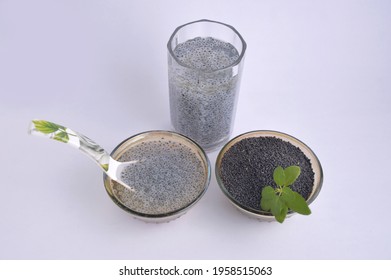
🥀..(3).. Sabja is beneficial for skin disorders
Skin does not wrinkle, remains radiant,
(4) Effective in diabetes.. Sugar is controlled.
(5) ..🥀.. is a good stomach cleansing medicine.
Soak the seeds in water and take it in the morning.
(6) Relieves migraine, depression, mental disorders, reduces body swelling,
(7) If mixed with Sabja B powder in coconut oil, cures psoriasis, eczema.
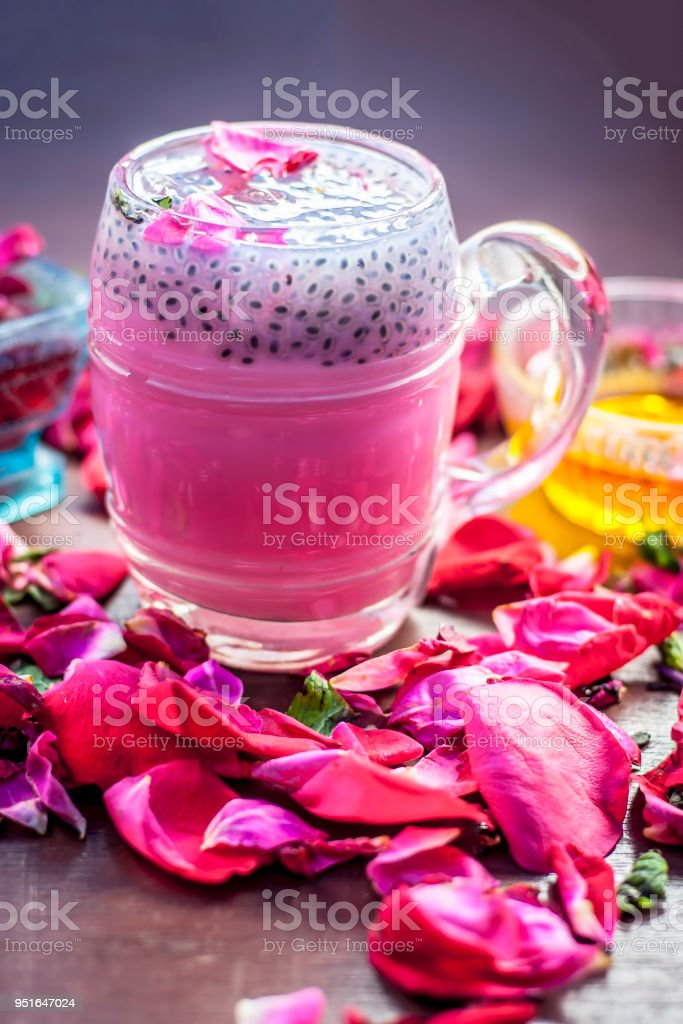
(8,)🥀🥀🥀.. Sabja is drunk in water, milk shake, syrup, faluda, buttermilk, lassi, etc.
🌺🌺🌺🌺🌺🙏🤝🌺🌺🌺🌺🌺
 k's all in one