One of the most significant risks during the summer months is dehydration and heat exhaustion. The hot weather and high humidity can cause our bodies to lose fluids more quickly than usual, leading to dehydration and its associated symptoms such as headache, dizziness, and fatigue.
Your body starts to get warmer, it overheats and then as it tries to regulate itself, it can lead to different things — the first of which we’re all familiar with: sweat. But as the heat progresses, other symptoms may appear, such as fever, muscle cramps or weakness, pale or cold skin, heightened heart rate and nausea.
* Do you feel tired after working a little in the summer?
On hot summer days or even after a little work, we feel like sitting down. It was like being completely tired. At times, the tension in the body seemed to be gone. There can be many reasons for this. It can also be caused by overexertion, lack of sleep, or heatstroke. All these problems are likely to occur if there is not enough nutrition from food or if the body lacks any vitamins. Therefore, if you are tired, it is necessary to find out the reason why it comes on time and take appropriate measures for it.
1)Dehydration::
Dehydration is a primary contributor to heat exhaustion. Your work performance may suffer when you are dehydrated, even if you don’t notice. When working in the heat, drink 1 cup (8 ounces) of water every 15–20 minutes. This translates to ¾–1 quart (24–32 ounces) per hour.
Fatigue & Weakness: Feelings of weakness and exhaustion can result from dehydration since the body cannot operate at its best without enough fluids. Dizziness or Lightheadedness: Standing up might result in lightheadedness or dizziness due to a reduction in blood pressure in extreme cases of dehydration.
Can hot weather cause dehydration?
During hot and humid weather, you are at higher risk of dehydration and heat-related illnesses, including cramps, heat exhaustion and heat stroke. In severe cases, dehydration and heat stroke can result in shock and even death.
Why do we get dehydrated in summer?
It also happens if an individual is overexposed to the sun and not drinking enough water. This is caused when the body loses water content and essential body salts, such as sodium and potassium. Occasionally, dehydration can be caused by medicines, such as diuretics.
How do you control dehydration in the summer?
Some options include infusing the water with fresh fruits or herbs or using an electrolyte or beverage mix. Eat your water. Foods like fruits and vegetables are full of water! In addition to the different nutrients they provide, fresh produce can help you stay hydrated.
What are 3 signs of heat exhaustion?
Heat Exhaustion
Symptoms: Heavy sweating, Weakness or tiredness, cool, pale, clammy skin; fast, weak pulse, muscle cramps, dizziness, nausea or vomiting, headache, fainting,
First Aid: Move person to a cooler environment, preferably a well air conditioned room. Loosen clothing.
Confusion::
Due to a variety of causes, like dehydration, lack of proper diet, long exposure to the sun outside or exhaustion, body heat can effectively rise, leaving you in a confused, fainting and dizzy state of mind.
Changes in melatonin experienced in the summer affect your daily circadian rhythms which can lead to trouble sleeping. Increased temperatures cause higher cortisol levels and palpitations, nausea, and fatigue. These symptoms can feel similar to a panic attack, which can make us more anxious when we notice them.
Symptoms specific to summer-onset seasonal affective disorder, sometimes called summer depression, may include: Trouble sleeping (insomnia) Poor appetite. Weight loss. Agitation or anxiety.
According to doctors, there is evidence that our brains are subject to external temperature fluctuations. Heat stress occurs when the body is unable to cool itself sufficiently to maintain a healthy temperature, which can impair cognitive performance.
Food poisoning::
Unfortunately, food poisoning is more common during summers than any other season of the year. We need to be extra cautious during summers, as heat and moist together makes the best flora for lot of bacteria to grow which can also lead to food poisoning.
Unfortunately at this time of year there are spikes in food poisoning. Salmonella typically doubles in the summer, compared with the winter months. Family feasts, eating outdoors and the warmth of summer can offer the ideal environment for bacteria to grow.
When preparing food, be sure to:
Wash your hands for at least 20 seconds with warm soapy water before and after touching raw meat, poultry, shellfish, fish, eggs, or produce.
Wash all fruits and vegetables well before eating.
Use plastic cutting boards for cutting raw fish, poultry, or meat.
Food poisoning cases caused by heat-cooked foods have actually occurred. Many bacteria and factors causing food poisoning can be destroyed by heating, however some heat-resistant spores can produce toxins, which may cause food poisoning even in cooked foods.
However, rising temperatures can also bring certain food safety risks. During the hot summer months, the chances of food poisoning increase because bacteria multiply faster in warmer temperatures, and preparing food outdoors makes safe food handling more difficult.
Most foodborne bacteria grow fastest at temperatures from 90 to 110 °F (32.2 to 43.3 °C). Bacteria also need moisture to flourish, and summer weather is often hot and humid. Given the right circumstances, harmful bacteria can quickly multiply on food to large numbers…
4 Steps to Prevent Food Poisoning
🤲👏🙌Clean. Wash your hands and work surfaces before, during, and after preparing food. …
🍤🍗🥩Separate. Separate raw meat, chicken and other poultry, seafood, and eggs from ready-to-eat foods. …
🍱🍚🫔Cook. Cook food to the safe internal temperature to kill harmful bacteria. …
🧊🧊🧊Chill.
Heat edema::
Heat edema usually occurs when we are not used to being in hot climates. Our bodies have not had time to acclimate to the high temperatures and may suffer. The tiny blood vessels known as the capillaries expand due to heat.
Heat edema typically occurs when heat and humidity cause swelling in the distal extremities, such as the legs and feet. In some cases, edema may resolve as the body gets used to the change in climate. However, it may be necessary to treat an underlying condition.
In some cases, heat edema can be a symptom of an underlying health condition — sometimes a serious one. Getting treatment for the underlying health condition should help the heat edema resolve itself.
If you have mild edema, you may be able to manage it with lifestyle changes like drinking more water, changing your diet, and staying active. Other causes of edema, though, require medical treatment.
Older adults have an increased risk of heat edema, especially if they have other medical conditions that affect their circulation. People visiting hot climates from colder climates may also have an increased risk of heat edema.
Heat exhaustion::
Symptoms of heat exhaustion can include dizziness, headache, nausea, muscle cramps and others. Treatment includes removal from the heat, rest and fluids. Untreated, heat exhaustion can lead to heatstroke, which can be a life-threatening condition.
Heat Exhaustion
Symptoms: Heavy sweating, Weakness or tiredness, cool, pale, clammy skin; fast, weak pulse, muscle cramps, dizziness, nausea or vomiting, headache, fainting,
First Aid: Move person to a cooler environment, preferably a well air conditioned room. Loosen clothing.
In extreme summer heat, or in prolonged periods of outdoor exposure to hot temperatures, our bodies work overtime to regulate how we feel. It takes massive amounts of energy to maintain a normal and consistent body temperature, moreso on very hot days. All this energy use can cause us to feel tired and sluggish.
Heat emergencies have three stages: heat cramps, heat exhaustion, and heatstroke. All three stages of heat emergency are serious. If you live in hot climates or play sports in the summertime, you should know how to spot the symptoms of heat emergency.
Prognosis/Possible Complications. If you avoid heat stroke, recovering from heat exhaustion usually takes 24 to 48 hours. Depending on the severity of heat exhaustion, you may be hospitalized so doctors can monitor your fluid and electrolyte levels to avoid complications.
What are the first signs of heat exhaustion?
WHAT TO LOOK FOR
Heavy sweating.
Cold, pale, and clammy skin.
Fast, weak pulse.
Nausea or vomiting.
Muscle cramps.
Tiredness or weakness.
Dizziness.
Headache.
Heatstroke::
Heatstroke is a condition caused by your body overheating, usually as a result of prolonged exposure to or physical exertion in high temperatures. This most serious form of heat injury, heatstroke, can occur if your body temperature rises to 104 F (40 C) or higher. The condition is most common in the summer months.
What are the first signs of heat stroke?
Symptoms: Throbbing headache, confusion, nausea, dizziness, body temperature above 103°F, hot, red, dry or damp skin, rapid and strong pulse, fainting, loss of consciousness. First Aid: Call 911 or get the victim to a hospital immediately. Heat stroke is a severe medical emergency. Delay can be fatal.
How many days does heat stroke last?
Recovery time for heat stroke is variable; initial recovery may be done with 1-2 days in the hospital; complete recovery may take about 2 months to a year.
If cold water immersion is unavailable, health care workers may try to lower your body temperature using an evaporation method. Cool water is misted on your body while warm air is fanned over you, causing the water to evaporate and cool your skin. Pack you with ice and cooling blankets.
What is the fastest way to recover from heat stroke?
Heat exhaustion and heatstroke treatment
Get out of the heat quickly and into a cool place, or at least shade.
Lie down and elevate your legs to get blood flowing to your heart.
Take off any tight or extra clothing.
Apply cool towels to your skin or take a cool bath. …
Drink fluids, such as water or a sports drink.
What is the difference between a sunstroke and a heat stroke?
A. These two terms refer to the same condition. Heatstroke (or sunstroke) happens when the body can no longer maintain a temperature of under 105° F when exposed to hot weather. People almost always have warning symptoms before heatstroke, yet sometimes they do not pay attention, or are not able to take action.
Sunburn::
Tips to treat sunburns
Apply a cool compress to the affected area. This can help reduce redness and inflammation. Aloe vera gel can also be soothing and may help speed up the healing process. Over-the-counter pain relievers like ibuprofen or aspirin can help relieve the pain associated with sunburn.
The sun’s angle varies with the seasons, causing the intensity of UVB rays to vary. UV intensity tends to be highest during the summer months. The sun’s rays are strongest at the equator where the sun is most directly overhead and where UV rays must travel the shortest distance through the atmosphere.
How do you prevent sunburn in the summer?
Sunburn prevention
sitting in locations with shade.
wearing clothing that covers the body, preferably that is made of tightly woven fabric.
wearing a wide-brimmed hat.
protecting the eyes with sunglasses.
avoiding going out in the hottest part of the day.
always wearing sunblock of SPF 30+ and reapplying it regularly.
How do you get rid of heat from sunburn?
Take frequent cool baths or showers to help relieve the pain. As soon as you get out of the bathtub or shower, gently pat yourself dry, but leave a little water on your skin. Then, apply a moisturizer to help trap the water in your skin. This can help ease the dryness.
Power of UV rays
After a sunburn, it’s common to find your burnt skin peels off. This is your body’s way of getting rid of the cells that are at risk of becoming cancerous. As deeper layers of the skin absorb UV radiation from sunlight, the skin cells’ genetic material can become damaged.
How damaging is a sunburn?
The long-term effects of repeated bouts of sunburn include premature wrinkling and an increased risk of skin cancer, including melanoma (the most dangerous type of skin cancer). DNA in cells may be damaged, and, if not repaired by the body repeatedly over time, abnormal cells may develop, leading to cancer.
Dizziness::
Not drinking enough fluids and being a little dehydrated probably caused the dizziness. It should go away with drinking fluids and resting in a cool place. This is always made worse during hot weather. Too much sun exposure can also increase the body’s need for fluid.
By drinking adequate liquids, individuals decrease their chance of succombing to exertional heat illnesses. Additional ways to prevent heat syncope include avoiding alcohol, avoiding exposure to warm environments, wear clothing that blocks the sun’s rays, and exercising during cooler times of the day.
However, your dizziness could also be a sign you’ve had dangerous levels of sun. According to the NHS, other symptoms include headaches, confusion, loss of appetite, excessive sweating, cramps, fast breathing, high temperature and thirst. If you or another are experiencing these signs, it’s important to cool down fast.
Can temperature cause dizziness?
Having a fever, influenza (flu), or another illness can make your child feel dizzy. Not getting enough liquids (dehydration) can also cause it. Some rare conditions, such as heart problems, can make a child feel dizzy.
Steps people can take to relieve dizziness include:
lying down and closing the eyes.
acupuncture.
drinking plenty of water and keeping hydrated.
reducing stress plus alcohol and tobacco intake.
getting plenty of sleep.
Dry skin::
Causes of Dry Skin in the Summer
The sunlight absorbs the moisture from the skin leaving it dry and flaky. The pool you jump in to cool off from the sunlight may also cause dry skin. The chemicals from the chlorine can strip the skin of its needed moisture, leaving it dry and chalky.
Why is my skin so dry in the summer?
Exposure to dry weather conditions, hot water, and certain chemicals can cause your skin to dry out. Dry skin can also result from underlying medical conditions. Dermatitis is the medical term for extremely dry skin. There are several different types of dermatitis.
Which product is best for dry skin in summer?
Summer Skincare Routine for Dry Skin
Cetaphil Daily Exfoliating Cleanser.
Plum 3% Niacinamide Toner With Rice Water – Vitamin B3 With Japanese Fermented Rice Water.
L’Oreal Paris Revitalift Hydrating Serum With 1.5 % Hyaluronic Acid.
Simple Kind To Skin Protecting Light Moisturiser SPF 15.
Hot weather increases water loss from the body, leading to dehydration. This can cause skin to feel irritated, red and dry, so make sure to hydrate your skin and keep water levels topped up. Summer heat tends to mean more sweat, more oil and speedier skin cell production too.
What foods are good for dry skin in summer?
Dry and cracked skin that feels tight or itchy can indicate a deficiency of the trace element zinc. Help can be found in rye and wheat sprouts, pumpkin and sunflower seeds, hard cheeses, fish and meat, as well as oat flakes and lentils.
Aloe vera is packed with moisturising vitamins and minerals, so it really could be the one-stop solution for all of your dry skin woes in summer. It is lightweight and does not have a strong fragrance, so it’s suitable for all skin types.
Check out these simple steps to keep your skin healthier this summer!
1: Follow the CTM process.
2: Aloe Vera Gel.
3: Vitamin Rich Food.
4: Waterlogging.
5: Glycerin.
6: Protect Your Lips.
7: Coconut Oil.
8: Take A Towel Lightly.
Fainting::
This refers to a fainting episode that someone can experience in high environmental temperatures, usually during the initial days of heat exposure. Heat syncope occurs when an individual in a hot environment does not have adequate blood flow to the brain, causing the person to lose conciousness.
Why do I faint in summer?
Heat causes the blood vessels to expand (dilate), so body fluid moves into the legs by gravity, which causes low blood pressure and may result in fainting.
Is fainting from heat normal?
It’s more common to see people faint in the summer months because when the weather is warmer, our bodies don’t need to pump so much blood around, resulting in lower blood pressure. People who are on blood pressure lowering medication are more at risk, because in the heat their blood pressure might drop too low.
How can I stop fainting in summer?
By drinking adequate liquids, individuals decrease their chance of succombing to exertional heat illnesses. Additional ways to prevent heat syncope include avoiding alcohol, avoiding exposure to warm environments, wear clothing that blocks the sun’s rays, and exercising during cooler times of the day.
Things you can do to prevent fainting
lie down with your legs raised – if you cannot do this, then sit with your head lowered between your knees.
drink some water.
eat something.
take some deep breaths.
Fever::
Still, children can have fevers during the summer, too, as a symptom of several common summer illnesses, such as hand foot and mouth disease and stomach bugs. Thankfully, a higher than normal temperature isn’t usually cause for panic.
Summer colds are common, though less so than winter colds, because cold viruses spread more easily when people are packed into enclosed spaces. Also, cold viruses spread more easily in cold, dry air.
You can get the flu in summer, but it’s not very common. The influenza virus is more active in the fall and winter in the United States. Still, a summertime upper respiratory infection is likely something other than influenza.
taking over-the-counter medications that reduce pain and a fever. drinking plenty of clear fluids to stay hydrated. drinking warm liquids, such as teas and broths, to soothe a sore throat. taking over-the-counter cough suppressants and decongestants.
Summertime Sickness: Common Illnesses This Season
Sunburn. Many of us have experienced a bad sunburn and know just how painful it can be! …
Heatstroke and Dehydration. High temperatures and humidity can lead to heat-related illnesses, including heatstroke and dehydration. …
Food Poisoning. …
Flu. …
Lyme Disease.
How to cure flu fast?
Usually, you’ll need nothing more than rest and plenty of fluids to treat the flu. But if you have a severe infection or are at higher risk of complications, your healthcare professional may prescribe an antiviral medicine to treat the flu.
Headache::
A heat headache can occur when the weather is hot or during physical activities that raise the body temperature. Treatments and preventive steps such as drinking liquids and avoiding sun exposure may help.
Why do I always get headaches in the summer?
“In the summertime, when it’s really hot outside, a lot of people forget to maintain adequate hydration,” she explains. “And dehydration can certainly be a risk for migraine attacks to happen.” Dr. Halker Singh’s advice to people with migraines is to avoid extremes – in summer weather and everyday schedules.
How do you stop a headache in the summer?
To enjoy summer activities while avoiding migraine headaches, Dr. Khan offers these tips to patients:
Avoid caffeinated beverages as they tend to cause dehydration. …
Run errands and exercise in the cooler morning or evening hours.
Apply cold packs to the head and/or neck.
Stay hydrated with cool beverages.
How do you get rid of sun headaches?
Hot weather headaches can also be caused by sun exposure, barometric pressure, and physical activity. If you have a heat headache, finding a place to cool down and rest, as well as drinking water for hydration, can help keep it from getting worse. You can also take OTC pain medications to relieve your head pain.
How do you get rid of weather headaches?
Try these:
Get 7 to 8 hours of sleep each night.
Drink a minimum of eight glasses of water per day.
Exercise most days of the week.
Eat a balanced diet and avoid skipping meals.
Practice relaxation techniques if you’re experiencing stress.
Nausea::
Avoid drinking sugary drinks or drinks with artificial preservatives as they can further dehydrate your body, leading to nausea. Also, refrain from drinking alcohol as it disrupts the natural lining of the gut. Heat exhaustion is a common problem that people face during peak summers.
How do you cool down nausea?
Things that may help you stop feeling sick
get plenty of fresh air.
distract yourself – for example, listen to music or watch a film.
take regular sips of a cold drink.
drink ginger or peppermint tea.
eat foods containing ginger – such as ginger biscuits.
eat smaller, more frequent meals.
Does banana help with nausea?
Bananas can help relieve an upset stomach by stimulating the production of mucus from the stomach lining. The mucus creates a barrier between the stomach lining and the acidic gastric substances that cause heartburn and stomach upset.
Suddenly feeling hot and nauseous with a hot flash is believed to be due to abrupt changes in serotonin, which can stimulate the area postrema, a part of the brain that controls nausea and vomiting. Area postrema is located right next to the hypothalamus – the part of the brain that regulates temperatures.
What food is good for nausea?
Try eating:
Toast.
Mashed potatoes.
Plain rice or noodles.
Bananas.
Protein-rich foods like low-fat Greek yogurt, plain chicken or turkey, protein shakes.
Mild fruits and vegetables like sweet potatoes and pears.
What drinks are good for nausea?
Use a clear liquid diet to reduce the feeling of nausea. Liquids such as apple juice, cranberry juice, lemonade, fruitades, broth, Gatorade®, ginger ale, 7-Up®, popsicles, gelatin, tea, or cola are usually well tolerated.
What fruit is best for nausea?
Apples. A 2021 study in the BMJ Open on pregnant people found that apples are one of the most well-tolerated foods during morning sickness. The participants in the study were also given watermelon, crackers and white bread, but they unanimously agreed that the apple was easier to eat without inducing too much nausea.
Rapid pulse::
In summer weather, blood pressure can be affected by the body’s attempts to radiate heat. High temperatures and high humidity can cause more blood flow to the skin. This causes the heart to beat faster while circulating twice as much blood per minute than on a normal day.
Why is my heart rate higher in the summer?
The heat forces your heart to pump harder.
Since the warm weather creates a higher body temperature, it forces your heart to pump harder and beat faster to reroute more blood to your skin. During the summer season, your heart may circulate two to four times as much blood per minute as it would in a cooler season.
How do you keep your heart rate down in hot weather?
There are some simple things you can do to keep cool in hot weather:
keep hydrated by drinking plenty of water or other drinks. …
avoid drinking too many alcoholic drinks. …
enjoy cold foods, such as salads and fruit, which have a high water content and are good sources of vitamins and minerals.
As long as the air around you is cooler than your body, you radiate heat to the air. But this transfer stops when the air temperature approaches body temperature. Radiation requires rerouting blood flow so more of it goes to the skin. This makes the heart beat faster and pump harder.
It is widely accepted that an increase in body temperature will be associated with an increase in heart rate [1,2]. In children, this increase has been suggested to be 10 beats per minute (bpm) per 1 °C rise in temperature [1,3].
Muscle aches::
Heat cramps are painful muscle spasms caused by dehydration and electrolyte loss. They can be brought about by strenuous activity, hot weather, and other causes. Heat cramps are the initial symptom of heat illnesses including heatstroke, a potentially deadly reaction to the body overheating.
When it’s hot outside, your body has to work harder to regulate its temperature, which can cause muscle fatigue. The heat can also reduce blood flow to the muscles, making them more prone to cramping and soreness.
Tendons, ligaments and muscles expand in humid weather. Hot weather can keep you from moving around. This inactivity stiffens your joints. Joints with worn cartilage may have exposed nerves that react to changes in the air pressure around you.
How do you get rid of body aches in the summer?
What’s the fastest way to get rid of body aches?
Walking and swimming. This may be especially beneficial for reducing back and knee pain.
Doing arm exercises and shoulder rolls. These exercises can be helpful for calming down shoulder pain.
Alternating ice and heat therapy. …
Taking a hot bath.
The symptoms of sun poisoning
severe redness and pain. fever and chills. dehydration. joint or muscle pain.
Hyperhidrosis::
When the nerves that activate your sweat glands become oversensitive, it can lead to hyperhidrosis. Hyperhidrosis is a condition that causes you to sweat excessively, even when you’re not physically active and your body doesn’t need to cool down.
How do you deal with hyperhidrosis in the summer?
7 easy ways against sweating in summer
Apply an antiperspirant at night. …
Avoid food and drinks that make you sweat. …
Try Botox against excessive sweating. …
Get a prescription for the treatment of hyperhidrosis. …
Laser treatment for underarms. …
Surgical removal of sweat glands. …
Wear breathable clothing to avoid overheating.
Underlying medical conditions such as having an overactive thyroid (hyperthyroidism), diabetes, low blood sugar (hypoglycaemia) and hyperhidrosis may also result in excessive sweating, night sweats and heat intolerance. Obesity and alcoholism can trigger episodes of heavy sweating also.
It can develop during childhood or later in life and can affect any part of the body, but the palms and soles or the armpits are the most commonly affected areas. The excessive sweating may occur even during cool weather, but it is worse during warm weather and when a person is under emotional stress.
Does weather affect hyperhidrosis?
This is especially true for people suffer from hyperhidrosis, which is excessive sweating, and summer could play a part in the condition. In warm temperatures, the arms, hands, and even feet sweat more than usual, especially for women, tend to wear more open shoes in the summer.
How I cured my hyperhidrosis?
Treatment
Prescription antiperspirant. Your health care provider may prescribe an antiperspirant with aluminum chloride (Drysol, Xerac AC). …
Prescription creams and wipes. …
Nerve-blocking medications. …
Antidepressants. …
Botulinum toxin injections.
Natural remedies to treat hyperhidrosis may include herbal substances such as sage tea or sage tablets, chamomile, valerian root, and St. John’s Wort. Acupuncture, biofeedback, hypnosis, and relaxation techniques have also been suggested as potential treatments.
What vitamins help with sweating? Diets rich in vitamin B and magnesium are thought to help reduce excessive sweating. Maintaining a proper diet with all the required vitamins and minerals is crucial for your health, and can reduce sweat.
Thirst::
As summer temperatures rise, so does your risk of dehydration. Water makes up at least two-thirds of our body weight which is why drinking enough water to stay well hydrated is essential to your health and well-being. Just a small percentage loss of total body fluid can lead to muscle cramps, headache and fatigue.
It is not uncommon to feel excessively thirsty on hot summer days. The scorching sun outdoors leads to excessive water loss in the form of sweat, which makes us drink more fluid than we usually do in other seasons.
How can I control my thirst in summer?
Tips for thirst control
Salty foods make you thirsty so limit sodium intake to help control thirst.
Drink your beverages ice cold. …
Be aware of hidden liquid foods like gelatin, ice, soup, gravy and watermelon. …
Eat kidney-friendly diet fruits ice cold between meals.
During summer we drink more water to keep up the water content in our body because water is lost through sweat when the body tries to cool down. Knowing that our body carries 70 per cent water, not drinking sufficient water, up to at least 8 glasses, will lead to health problems including heat-related illnesses.
Suck on a piece of sugar-free hard candy or chew sugar-free gum. This will keep your mouth lubricated and you won’t feel thirsty. Rinse your mouth with mouthwash. This helps get rid of the dry mouth feeling and reduces thirst
What are the best drinks to hydrate?
Water. No surprises here. …
Milk & milk alternatives. One scientific study . has suggested that milk is right up there with the most hydrating drinks. …
Fruit and herb-infused water. …
Fruit juice. …
Sports drinks. …
Coconut Water. …
Herbal Tea.
Although your specific water needs vary, the Academy of Nutrition and Dietetics offers some general guidelines. Healthy women should drink about 11.5 cups of water per day and healthy men should aim for around 15.5 cups.
Some remedies for stay healthy in summer days:
*1. Proteins…*
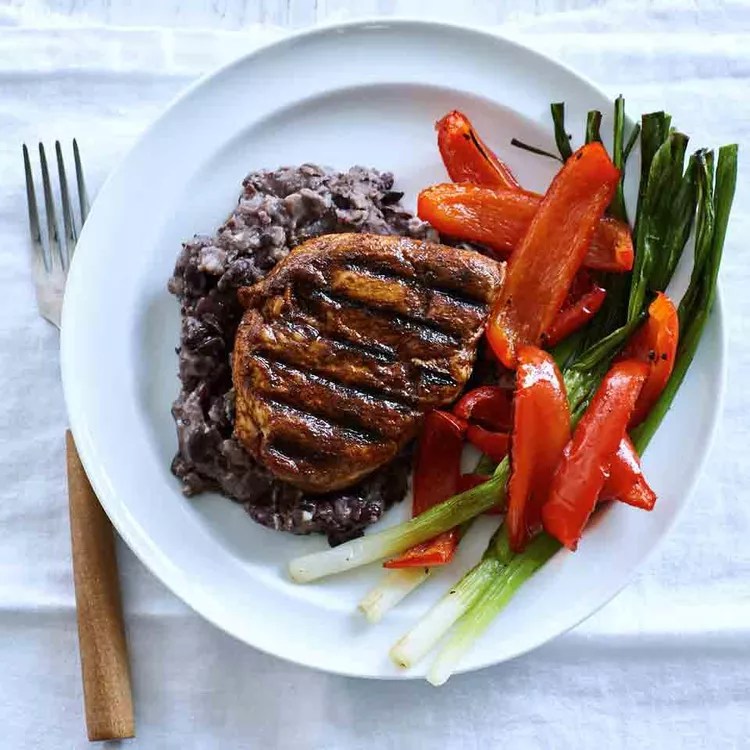
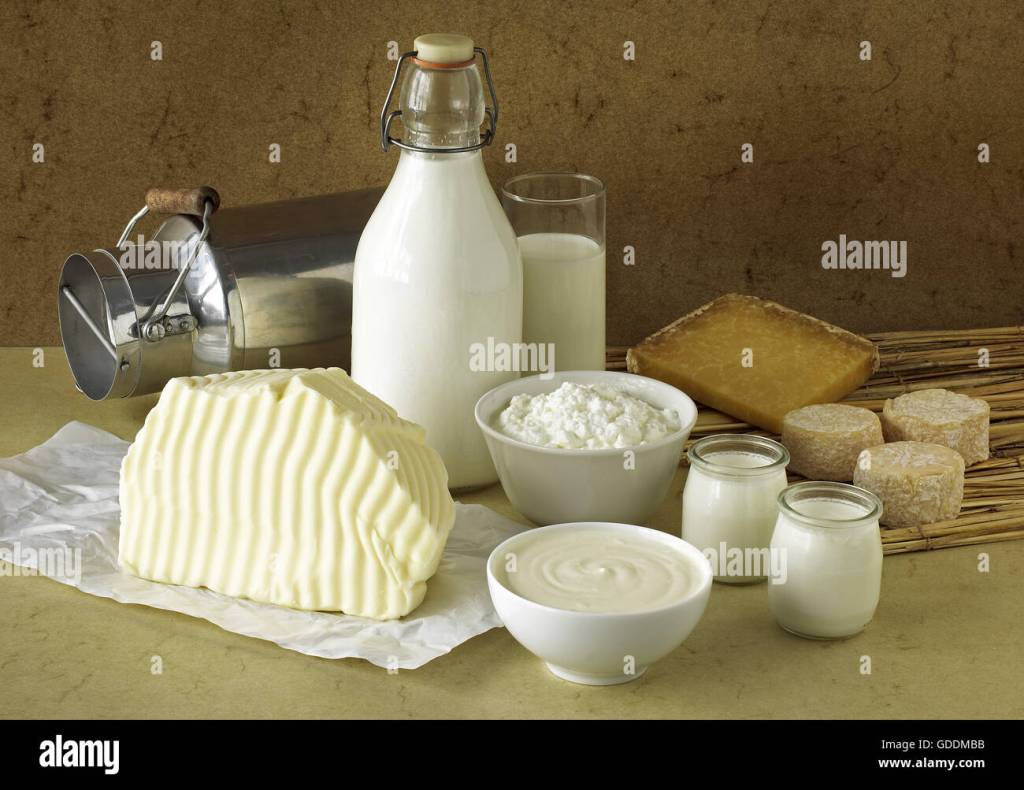
The body gets a lot of proteins from things like milk,dairy products, meat, eggs, pulses, pulses. Proteins are not produced in the body but they have to be supplied to the body from outside. Proper amount of proteins in the diet helps the body to stay fit.
*2. Iron and Folic Acid…*
Iron is rich in leafy vegetables, millet, ragi, grains, pulses, eggs, almonds, peanuts, meat and fish. Foods like walnuts, soybeans, grains, almonds, green leafy vegetables are high in folic acid. Therefore, increasing the amount of these foods in the diet helps in nourishing the body and helps in reducing fatigue.


*3. D3 and K2…*
Sunlight is the best source of D3. So exposure to mild sun is very important to get D3. The body gets vitamin K from yeast, green leafy vegetables, soybeans, sunflower oil, egg yolk. Fatigue can occur even if both of these factors are low.

*4. Vitamin B12…*
It is a very essential element for cell formation in the body. B12 plays a very important role in the formation of red blood cells. Yeast, dairy products, non-vegetarian foods provide the body with a good amount of B12. It is necessary to include all these elements in the diet to keep the body strong.
*5. water…*
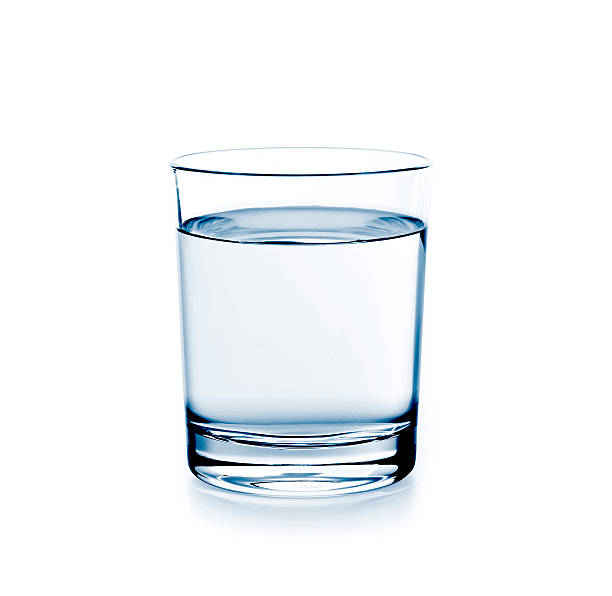
It is a very important factor in maintaining the overall functioning of our body. Since the body consists of 70 percent water, a decrease in this amount can cause problems such as fatigue or weakness.
🌺🌺🌺🌺🌺🙏🤝🌺🌺🌺🌺
 k's all in one