*Worried about children’s weight? These tips will help in controlling weight…..*
Many people are suffering from the problem of obesity these days. Improper eating habits, overeating of junk food in meals, lack of exercise lead to immediate weight gain and thus the problem of obesity. Due to these reasons obesity is increasing in children as well as in adults. Therefore, parents are worried that the weight of children should be controlled. Here are some tips that can help control baby weight.

Adopting healthy eating patterns as a family helps children reach and maintain a healthy weight as they age. Eating a variety of vegetables and fruits, whole grains, lean protein foods, and low-fat and fat-free dairy products follows nutrition guidelines and sets your family up for optimal health.
*Tips to control children’s weight…*
Tips to Support Healthy Routines for Children and Teens::
Ensure adequate sleep.::
The recommended amount of sleep for a healthy adult is at least seven hours. Most people don’t need more than eight hours in bed to be well rested. Go to bed and get up at the same time every day, including weekends. Being consistent reinforces your body’s sleep-wake cycle.
Habits to Improve Your Sleep
Be consistent. …
Make sure your bedroom is quiet, dark, relaxing, and at a comfortable temperature.
Remove electronic devices such as TVs, computers, and phones from the bedroom.
Avoid large meals, caffeine, and chocolate before bedtime.
Get some exercise.
Experts recommend school-age children get at least nine hours a night and teens get between eight and 10. Most adults need at least seven hours or more of sleep each night. There are many misunderstandings about sleep. One is that adults need less sleep as they get older.
Be consistent. Go to bed at the same time each night and get up at the same time each morning, including on the weekends. Make sure your bedroom is quiet, dark, relaxing, and at a comfortable temperature. Remove electronic devices, such as TVs, computers, and smart phones, from the bedroom.
Contrary to our quiet physical state, the brain is very active during sleep, carrying out many important functions. Sleep is essential to every process in the body, affecting our physical and mental functioning the next day, our ability to fight disease and develop immunity, and our metabolism and chronic disease risk.
What Is Sleep Quantity? Sleep quantity refers to how many hours of sleep you get each night.
How Much Sleep Do I Need?
Age Group Recommended Hours of Sleep Per Day.
Newborn 0–3 months 14–17 hours (National Sleep Foundation)
1 No recommendation (American Academy of Sleep Medicine)
2 Teen 13–18 years 8–10 hours per 24 hours
2 Adult 18–60 years 7 or more hours per night
3 61–64 years 7–9 hours
Sleep deprivation occurs when an individual fails to get the amount of sleep that they need. Sleep deprivation can occur due to various lifestyle, work and environmental factors. Sleep disorders and other chronic medical conditions can also cause sleep deprivation.
Reduce screen time.:.:
Research has shown negative associations between screen time, particularly television viewing, and the development of physical and cognitive abilities. Additionally, screen time has been linked to obesity, sleep problems, depression, and anxiety .
Encourage unplugged, unstructured playtime. Create tech-free zones or times, such as during mealtime or one night a week. Discourage use of media entertainment during homework. Set and enforce daily or weekly screen time limits and curfews, such as no exposure to devices or screens one hour before bedtime.
Reducing screen time and being mindful of the toxicity of social media can have profound benefits for our physical and mental health. By consciously disconnecting from screens and social media, we can enjoy improved sleep, reduced eye strain, and enhanced posture.
Between 18 and 24 months screen time should be limited to watching educational programming with a caregiver. For children 2-5, limit non-educational screen time to about 1 hour per weekday and 3 hours on the weekend days. For ages 6 and older, encourage healthy habits and limit activities that include screens.
Average screen time by age
Average screen time for kids ages 0 to 2 – 49 minutes a day.
Average screen time for kids ages 2 to 4 – 2 to 2.5 hours a day.
Average screen time for kids ages 5 to 8 – Over 3 hours a day.
Average screen time for tweens ages 8 to 12 – Almost 5 hours a day.
Develop healthy eating habits.
Tips for Families to Help Children Eat Healthy
Plan healthy meals and eat together as a family. Eating together at meal times helps children learn to enjoy a variety of foods. Buy and serve more fruits and vegetables (fresh, frozen, or canned). Let your child choose them at the store.
8 tips for healthy eating
Base your meals on higher fibre starchy carbohydrates. …
Eat lots of fruit and veg. …
Eat more fish, including a portion of oily fish. …
Cut down on saturated fat and sugar. …
Eat less salt: no more than 6g a day for adults. …
Get active and be a healthy weight. …
Do not get thirsty. …
Do not skip breakfast.
healthy habits to teach your kids
Early to bed and early to rise.
Brushing teeth twice a day.
Washing hands frequently.
Eating veggies and fruits.
Drinking lots of water.
Reducing screen time.
Indulging in physical activities.
Reading books.
5 Good Eating Habits to Achieve Your Health Goals
#1 Choose Water. Set a goal to drink water instead of sugar-sweetened drinks. …
#2 Eat Slowly and Mindfully. It takes about 20 minutes for your brain to send out signals that you are full. …
#3 Stick to One Serving. …
#4 Eat Fruit and Vegetables. …
#5 Swop to Wholegrains.
Family meals are a comforting ritual for both parents and kids. Children like the predictability of family meals and parents get a chance to catch up with their kids. Kids who take part in regular family meals are also:
more likely to eat fruits, vegetables, and grains
less likely to .
Limit snacks with lots of salt, added sugar, and saturated fat.
Limiting snacks with high amounts of saturated fat, added sugar, and salt can help support healthy eating habits. If these foods are eaten less often, they will truly be treats!
Too much salt in your child’s diet can lead to a variety of chronic health problems, from high blood pressure and obesity to heart disease and stroke. Surprisingly, most people may not know that much of the salt we eat already exists in many of our foods.
Eating too much sodium, sugar, and fatty food increases risk of cardiovascular disease and other health problems.
Excess of salt intake is the reason for more sodium in the body in the body. This makes the body lose calcium. Calcium depletion from the body leads to osteoporosis, which is a condition that makes the bones thin and brittle. Large amounts of sugars cause painful cavities and tooth decay in kids.

Too much saturated fat is bad for our and our children’s health. We might seem fine on the outside, but a build-up of harmful fat on the inside can lead to serious health issues like: heart disease and stroke. type 2 diabetes.
Daily salt intake
Age Amount
Age 11 years old and over Amount No more than 6g (around 1 teaspoon)
Age 7 to 10 years old Amount No more than 5g
Age 4 to 6 years old Amount No more than 3g
Age 1 to 3 years old Amount No more than 2g
Toddlers from 1-3 years of age are recommended 800 mg sodium per day, and children 4-8 years of age can go up to 1000 mg sodium daily. As with babies, a little goes a long way with salt and sodium and many foods a child eats can meet their needs. For example, 3 oz. of hard cheese can have 800-1000 mg of sodium.
Too much sugar can lead to obesity, insulin resistance, and inflammation, all of which are risk factors for cancer.
Increased salt intake is associated with increased risk of hypertension, left ventricular hypertrophy and fibrosis, cardiovascular events, renal stones, proteinuria, and renal failure. Increased sugar intake is directly linked to increased risk of obesity, fatty liver disease, and metabolic syndrome.
Daily intake of sugar-sweetened beverages during teenage years is associated with worsening of performance on a learning and memory task during adulthood and a bad outcome for developing brain.
How does sugar affect children’s health and development?
Studies show a negative impact on academic performance, learning and memory. Children experience metabolic outcomes like fatty liver disease, diabetes, heart disease and inflammatory conditions like asthma, acne and even gout.
But too much sugar also affects unexpected territory, with disturbing and possibly lasting effects on learning, memory, addictive tendencies, taste preference, appetite regulation, self-soothing, gut health, liver function, diabetes risk, lung health, heart disease, and metabolism.
Help children and teens stay active.
Give your children equipment that encourages physical activity. Take young people to places where they can be active, such as public parks, community baseball fields, or basketball courts. Be positive about the physical activities in which your child participates and encourage them to be interested in new activities.
Regular physical activity can help children and adolescents improve cardiorespiratory fitness, build strong bones and muscles, control weight, reduce symptoms of anxiety and depression, and reduce the risk of developing health conditions such as: Heart disease.
Provide motivation and encouragement to all school-age children by always being positive and optimistic. Be a role model for school-age children by taking care of your own body and participating in physical activities. Create an environment where school-age children feel safe taking risks and trying new activities.
Children and adolescents ages 6 through 17 years should do 60 minutes (1 hour) or more of moderate-to-vigorous physical activity daily.
Based on research, below are 10 steps on how to raise smart kids.
Read to Them Early and Often. …
Make Time for Unstructured Play. …
Let Them Make Mistakes. …
Get Them Moving. …
Eat Dinner Together. …
Establish a Good Bedtime Routine. …
Give Them Chores. …
Exercise Their Brains.
Play with blocks to improve spatial intelligence
Puzzles, blocks, memory games, crafts, toys figurines – these are tools every child should grow up with. Give your children ample time and space to play with these tools when they are in preschool.
There are several ways to become smart and active:
Get enough sleep: Getting enough sleep is essential for maintaining a healthy brain. …
Exercise regularly: Regular exercise is essential for maintaining a healthy body and mind. …
Eat a healthy diet: A healthy diet is essential for maintaining a healthy body and mind.
How to Motivate A Lazy Child: 11 Ways To Try
How Can I Motivate My Child? …
1) Nurture Your Child’s Interests. …
2) Show Your Child Their Achievements. …
3) Try Apps. …
4) Avoid a Motivational Talk. …
5) Set and Hold Expectations of Them. …
6) Give Positive Praise for Tasks Completed. …
7) Focus on Strengths Not Weaknesses.
*Ask children to do things that involve physical movement…*
Children love to sit in one place and play video games. They get used to it, so they get tired of going out and playing physical activities. This increases their weight by sitting in one place. To avoid this, children should be asked to do things that involve physical activity. You can also ask to do things like dance, exercise.
Make physical activity part of your family’s daily routine by taking family walks or playing active games together. Give your children equipment that encourages physical activity. Take young people to places where they can be active, such as public parks, community baseball fields, or basketball courts.
Regular physical activity can help children and adolescents improve cardiorespiratory fitness, build strong bones and muscles, control weight, reduce symptoms of anxiety and depression, and reduce the risk of developing health conditions such as: Heart disease. Cancer.
The amount of physical activity children need depends on their age. Children ages 3 through 5 years need to be active throughout the day. Children and adolescents ages 6 through 17 need to be active for 60 minutes every day. This may sound like a lot, but don’t worry!
Types of Activity for Preschool-Aged Children
Playing on a playground. Tricycle or bicycle riding. Walking, running, skipping, jumping, dancing. Swimming.
Physical play is the type of play that gets your child moving from big movements like running and jumping to small movements like picking up a pencil or tying a knot. Kids burn more calories through active play than any other type of play, which can help keep them fit, and contribute to a huge range of health benefits.
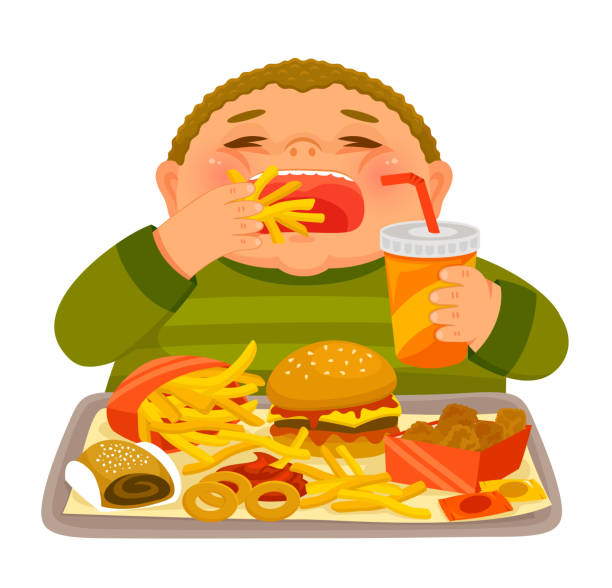
*Avoid junk food…*
Children love to eat junk food from outside rather than nutritious food at home, eating oily food makes them gain weight immediately. So if children want to keep their weight under control, they should avoid eating junk food.
Fast food is generally high in calories, fat, sugar, and salt, and lacks essential nutrients such as fiber, vitamins, and minerals. Children who consume fast food on a regular basis are more likely to exceed their daily recommended intake of calories and unhealthy fats, leading to weight gain and obesity.
HEALTH TIPS FOR KIDS
Try to ensure kids avoid junk food in their diet as much as possible. Junk food should be avoided to keep gut healthy and maintain immunity. Junk foods have bad fats that can have ill effects like diabetes, stroke, heart diseases.
Junk food can affect children negatively in many ways such as how they behave and how they think. Junk foods are often high in sugar, sodium, and fat which can lead to obesity. Children who eat junk food have more chances to have behavior problems like aggression, delinquency, hyperactivity, anxiety, and depression.
Eating foods that are high on sugars, fats, calories and sodium lead to a higher risk of developing hypertension, heart diseases, diabetes, certain types of cancers, obesity, even asthma. If you stop consuming these foods, your overall health condition will definitely improve and you’ll avoid these risks.
10 Lines Speech on Junk Food
The components of junk food are very harmful and lead to serious illnesses. It is not body-friendly and causes an increase in fat levels of the body, which leads to cholesterol, blood pressure, heart diseases, obesity, and depression.
*don’t skip breakfast…*
Children often refuse to eat anything in the morning, so breakfast is often avoided. But this can lead to weight gain. Skipping breakfast can lead to weight gain due to constant hunger pangs throughout the day. To prevent this, children should be given a nutritious breakfast, which will give them the energy they need to carry out the day’s activities.
Kids who eat breakfast tend to eat healthier overall and are more likely to be physically active — two great ways to help maintain a healthy weight. Skipping breakfast can make kids feel tired, restless, or irritable. In the morning, their bodies need to refuel for the day ahead.
Skipping breakfast can lead to weight gain, as children may be more likely to make poor food choices later in the day. Eating a healthy breakfast can also help to regulate blood sugar levels and reduce the risk of chronic diseases.
Summary. A healthy breakfast has many health benefits, so try not to skip it. Breakfast replenishes the stores of energy and nutrients in your body. People who do not have breakfast may not meet their recommended daily intakes of fibre, vitamins and minerals.
There are several reasons why some kids might not feel hungry in the morning: Sleep Patterns: Kids often have different sleep patterns than adults. They may have eaten a substantial meal close to bedtime or may not have had enough time to work up an appetite by morning.
Trust your child’s appetite
Then trust that your child has had enough to eat, and let her leave the meal when she indicates she is done. Even when you make meals pleasant, hungry children can get enough to eat in 10 or 15 minutes—or even less.
Contrary to the misconception that skipping meals aids in weight loss, skipping breakfast can contribute to weight gain. It often leads to overeating later in the day, especially on high-calorie snacks, and can disrupt the body’s metabolism.

*Tell children to get enough sleep…*
Not getting enough sleep can also be a reason for weight gain in children. So children should be told to get enough sleep. Adequate sleep of 7 to 8 hours will help children stay fresh and energetic.
Encourage older kids and teens to set a bedtime that allows for the full hours of sleep needed at their age. A bedtime routine could include washing up and brushing teeth, reading a book, or listening to quiet music. Turn off all screens (TV, computers, phones, tablets, and video games) at least 1 hour before bedtime.
Sleep deprivation can lead to physical and behavioral symptoms that can be misdiagnosed as more severe mental and behavioral disorders. Children who don’t get a sufficient amount of sleep may not appear to be sleepy. Instead, they may struggle with attentiveness, hyperactivity, aggression or disruptive behavior.
Set bed and wake-up times. at the same time each day, including weekends.
Keep the bedroom. quiet and a comfortable. temperature.
Remove electronic. devices from. the bedroom.
You can also help prepare them for sleep by filling this time with calm, relaxing behaviors like reading, massage, coloring or listening to soft music. These activities, along with a fixed bedtime routine, can help children wind down, naturally feel sleepy at the appropriate time and can prevent difficulty sleeping.
I think “put my kid to bed” is better. You can also say, “get my kid to sleep”. Just don’t say “put my kid to sleep.”
But sleep is as important for good health as diet and exercise. Good sleep improves your brain performance, mood, and health. Not getting enough quality sleep regularly raises the risk of many diseases and disorders. These range from heart disease and stroke to obesity and dementia.

🌺🌺🌺🌺🌺🙏🤝🌺🌺l🌺🌺🌺
 k's all in one