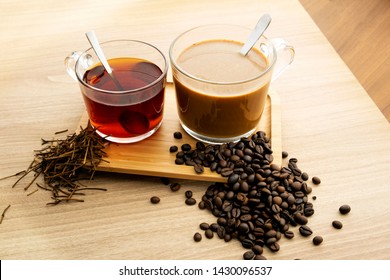
*Before drinking tea or coffee* *Why drink water?*
*What’s the first thing you do after waking up in the morning?*
Healthy benefits of coffee::
Sure, here are ten potential health benefits associated with moderate coffee consumption:
1. **Improved cognitive function:**
Coffee can enhance alertness, concentration, and mental clarity due to its caffeine content.
Caffeine acts as a central stimulant and enhances cognitive and psychomotor functioning, particularly during mental and physical fatigue, through effects that enhance alertness and vigilance.
In some studies, physical activity has been linked to improved cognitive performance and reduced risk for Alzheimer’s disease. In general, staying active is known to lower the risk of high blood pressure, stroke, and symptoms of depression, all of which in turn can improve cognitive health.
Bingo is a game that can help to improve memory and other cognitive skills, as well as strengthen focus and concentration. These benefits can be enjoyed by anyone, regardless of age or experience level. Bingo is also a great way to practice math skills such as counting and addition while having fun at the same time.
2. **Reduced risk of Parkinson’s disease:**
Some studies suggest that regular coffee consumption may lower the risk of developing Parkinson’s disease.
A new study from the National Neuroscience Institute in Singapore says that drinking tea and coffee containing caffeine can significantly reduce the risk of Parkinson’s disease in Asian individuals who are genetically at higher risk. This study was recently published in the journal The Lancet .
Parkinson’s disease is an increasing problem within aging populations, and caffeine consumption has been shown near consistently in human and mouse studies to delay the onset of progression in a dose-dependent manner. However, at least in humans, it is much less effective at attenuating the progression of the disease.
Some research has shown that regular aerobic exercise might reduce the risk of Parkinson’s disease. Some other research has shown that people who consume caffeine — which is found in coffee, tea and cola — get Parkinson’s disease less often than those who don’t drink it.
According to new research, drinking coffee is associated with lower risk of death from cardiovascular disease (CVD), type 2 diabetes and neurological diseases such as Parkinson’s.
3. **Lower risk of Alzheimer’s disease:**
Moderate coffee intake has been associated with a reduced risk of Alzheimer’s disease and other forms of dementia.
Some studies have shown that caffeine in coffee and tea may reduce dementia risk by a small amount, while other studies show no effect or a slightly increased risk.
How You Can Reduce Your Risk of Alzheimer’s
Prevent and manage high blood pressure. …
Manage blood sugar. …
Maintain a healthy weight. …
Be physically active. …
Quit smoking. …
Avoid excessive drinking. …
Prevent and correct hearing loss. …
Get enough sleep.
Many epidemiological studies have reported that coffee consumption reduces the risk of dementia, stroke, and Alzheimer’s disease and has a positive impact .
Caffeine has well-known short-term stimulating effects on central nervous system, but the long-term impacts on cognition have been less clear
4. **Decreased risk of type 2 diabetes:**
Drinking coffee in moderation has been linked to a lower risk of developing type 2 diabetes.
Drinking coffee every day may help lower your risk of type 2 diabetes, according to new research. The report, published in the journal Clinical Nutrition Wednesday, found that having one additional cup of coffee each day was linked to a 4 to 6% lower risk of type 2 diabetes.
Coffee, when consumed properly (2–5 cups per day, without sugar and whole-fat [or] high-fat dairy), was related to lower type 2 diabetes risk among these women at high risk.
Thus we conclude that in modest doses, caffeine may be a useful adjuvant therapy for patients with hypoglycemia unawareness. For once here is a therapy which is inexpensive, safe, and remarkably popular with its consumers.
Long-term caffeinated or decaffeinated coffee consumption does not negatively affect insulin resistance or sensitivity. There is no need to restrict coffee intake in non-diabetic, prediabetic, and diabetic individuals for fear of insulin resistance.
Studies show that coffee may lower your odds of getting type 2 diabetes in the first place. Experts think that’s because the drink is high in antioxidants. These compounds reduce inflammation in your system, which can raise your chance of having the disease. If you already have type 2 diabetes, this may not hold true.
Coffee contains many chemicals that have different effects on the body, including caffeine and polyphenols. Polyphenols are molecules with antioxidant properties believed to help prevent a wide range of diseases, including type 2 diabetes, heart disease, and cancers. Antioxidants help keep the heart healthy.
it’s safe to drink coffee if you have diabetes. Although the research on coffee’s benefits is mixed, as long as you keep an eye on your blood sugar and stick to coffee with less sugar, drinking coffee shouldn’t be dangerous. But make sure you limit your caffeine consumption to a reasonable amount.
5. **Protection against certain cancers:**
Some research suggests that coffee drinkers may have a reduced risk of developing certain types of cancer, including liver and colorectal cancer.
Some studies have shown that drinking two cups of coffee a day may lower the risk for several cancer types, including breast cancer,” Dr. Perre says. “There are probably a number of factors that may contribute to the reduced risk.”
Various polyphenols in coffee have been shown to prevent cancer cell growth in animal studies. Coffee has also been associated with decreased estrogen levels, a hormone linked to several types of cancer. [5] Caffeine itself may interfere with the growth and spread of cancer cells.
Overall, an increase in consumption of 2 cups of coffee per day was associated with a 43% reduced risk of liver cancer (RR, 0.57; 95% CI, 0.49-0.67). There was no statistically significant heterogeneity among studies (P = . 17).
A significant number of studies suggest that coffee consumption reduces cancer risk. This beneficial effect is usually ascribed to the presence of polyphenolic antioxidants and anti-inflammatory agents, including caffeine, cafestol, kahweol, and chlorogenic acids.
The World Health Organization’s cancer agency moved coffee off the “possible carcinogen” list two years ago, though it says evidence is insufficient to rule out any possible role. The current flap isn’t about coffee itself, but a chemical called acrylamide that’s made when the beans are roasted.
6. Improved heart health:
Moderate coffee consumption has been associated with a lower risk of heart disease and stroke.
Conclusion: Our findings suggest that moderate coffee consumption leads to a decrease in all-cause and cardiovascular-related mortality, hypertension, cholesterol, heart failure, and atrial fibrillation. However, no conclusive relationship between coffee and coronary heart disease risk has been consistently identified.
Coffee and heart health
In a 2018 study, researchers found that drinking three to five cups of coffee per day may reduce the risk of cardiovascular disease by 15%. Drinking one to five cups daily also seemed to be associated with lower overall mortality resulting from any cause.
The Basics
Eat healthy.
Get active.
Stay at a healthy weight.
Quit smoking and stay away from secondhand smoke.
Control your cholesterol and blood pressure.
Drink alcohol only in moderation.
Manage stress.
Most people with heart disease can safely consume a small amount of caffeine such as a cup of coffee per day.
Drinking coffee in moderation appears to be safe for the heart. The Food and Drug Administration suggests that healthy adults can drink 4 to 5 cups of coffee without harm. Some people may be more sensitive to the effects of caffeine, depending on certain health conditions and medications.
7. **Increased longevity:**
Some studies have found that coffee drinkers may have a lower risk of premature death compared to non-coffee drinkers.
Summary: Drinking at least two cups of coffee a day, even instant coffee was associated with increased longevity and a lower risk of cardiovascular disease.
Drinking two to three cups of coffee a day is linked with a longer lifespan and lower risk of cardiovascular disease compared with avoiding coffee, according to research published today in the European Journal of Preventive Cardiology, a journal of the ESC.
While all coffee has potent health benefits to offer, Buettner highlights one particular type of coffee that has an edge of others when it comes to longevity: Ikarian coffee, otherwise known as Greek coffee.
But tea and coffee provide so many health benefits that it’s reasonable to conclude that they could lower your odds of an early death, say experts. Chopra at Harvard Medical School pointed out that at least five large studies in leading medical journals have now shown that coffee drinkers have lower mortality rates.
So, it’s apparently not just the caffeine. There are other compounds in coffee, such as antioxidants and other compounds, that may make insulin function better, that are contributing to the mortality benefit and diabetes prevention effect of coffee.
8. **Enhanced physical performance:** Caffeine in coffee can improve physical performance by increasing adrenaline levels and mobilizing fatty acids from fat tissues.
caffeine can enhance physical performance and cognitive function, it is a popular pre-workout beverage. Although research has shown it can improve athletic performance, especially in endurance athletes, be aware of the risks of caffeine. For example, it can cause insomnia, jitters, and stomachache.
It is currently established that the benefits of caffeine on performance occur through its direct action on the CNS, improving alertness and reaction time, in addition to reducing the perceived exertion rate (pain)
Some studies have shown that caffeine also helps our muscles produce more force. Our body needs calcium to initiate muscle contractions, and caffeine helps mobilize calcium ions so they have a greater interaction with the filaments that induce muscle fiber contractions
Caffeine does not improve maximal oxygen capacity directly, but could permit the athlete to train at a greater power output and/or to train longer. It has also been shown to increase speed and/or power output in simulated race conditions.
9. **Antioxidant properties:**
Coffee contains antioxidants that help neutralize harmful free radicals in the body, potentially reducing inflammation and protecting against chronic diseases.
Green coffee beans contain large amounts of polyphenolic antioxidants, such as chlorogenic, caffeic, ferulic, and n-coumarinic acids. Coffee roasting significantly alters the composition of polyphenols due to Maillard reaction (chemical reaction between amino acids and sugars).
Coffee’s primary source of antioxidant power reigns from its polyphenols, caffeine and CGAs components. But almost every study that credits coffee as a super antioxidant also highlights caffeine as a major health alarm to watch out for.
Arabica
Coffee Species: Arabica typically has more antioxidants compared with Robusta. Geographical Origin: Beans from regions with rich volcanic soils like Central America may have higher antioxidant contents.
The antioxidant effects of caffeine are mainly based on its impact against endogenous antioxidant regulators, such as nuclear factor erythroid 2-related factor 2 (Nrf-2) and heme oxygenase-1 (HO-1), and by regulating the level of lipid peroxidation (LPO) and reactive oxygen species (ROS) [28].
The intake of coffee contributed ∼11.1 mmol or 64% of the total antioxidant intake, followed by fruits and berries (1.8 mmol), tea (1.4 mmol), wine (0.8 mmol), cereals (0.8 mmol), and vegetables (0.4 mmol).
Drinking black coffee has numerous health benefits as it is loaded with antioxidants and nutrients. Let’s have a look at some of the most important health benefits of drinking black coffee. Increasing age leads to decreased cognitive skills and increased risk of Dementia, Parkinson’s and Alzheimer’s disease.
10. **Improved mood:**
Drinking coffee can boost mood and may reduce the risk of depression and suicide.
Studies reviewed in the meta-analysis show coffee’s anti-inflammatory properties are associated with decreased depression. Caffeine blocks mood-depressing chemicals in the brain. Caffeine blocks receptors in the brain from binding with a chemical (adenosine) that causes fatigue and depressed mood.
Caffeine is a stimulant that can improve mood by increasing alertness and energy. It can also help to improve focus and concentration. Caffeine has been shown to be an effective treatment for mild depression and can help to reduce the symptoms of depression. Coffee also contains antioxidants.
In addition, research suggests that caffeine causes increased turnover of several feel-good neurotransmitters, including serotonin, dopamine, and noradrenaline — all of which are involved in depression. These. effects may also help explain why caffeine acts as a mild antidepressant for many people
Higher caffeine intake quartile was associated with greater odds of having significant depression (BDI ≥10, P for trend=0.011), and insomnia (ISI ≥8, P for trend=0.015) after adjustment for factors that can affect the psychological status.
11.Healthy liver::
Coffee recommendations for liver health
“We recommend at least three cups every day to help prevent liver problems,” Dr. Wakim-Fleming says. And if you have hepatitis or fatty liver disease, even more — as many as four, five or even six cups a day — might be helpful.
It should be safe for you to drink coffee if you have a liver condition. There is some evidence that it can slow down the progress of liver disease in some people. Some research found that people were less likely to die of liver disease or to develop cirrhosis if they drank coffee.
Drinking 3 cups of coffee a day can help prevent liver conditions from developing, while drinking 4 to 5 cups a day when the person is suffering from hepatitis or fatty liver disease can keep the symptoms under control. These benefits extend whether the coffee is instant, filtered, or espresso.
So is drinking coffee with milk bad for the liver? In fact, if it is real coffee, it can promote its effects in any form, even decaffeinated coffee has a protective effect on the liver. However, you should limit drinking coffee with milk because too sweet substances can cause many bad effects on health
.
12.DNA will be stronger.?
Just to be clear, coffee can’t repair your DNA directly, so it’s in no way a cure for cancer. But scientists now know that coffee does reduce cellular damage, including mutations to your DNA that otherwise might lead to cancer.
Caffeine inhibits DNA repair and induces growth arrest but protects against apoptosis.
Recent work by Grgic and Mikulic [4], however, found a significant 3% increase in lower body strength with caffeine ingestion using the barbell back squat 1RM as a measure of maximal strength. Goldstein et al. [5] reported a significant increase in upper body strength with caffeine ingestion, while Williams et al.
Selected Answer: scraping the insides of your cheek with your teeth Question 10 6 out of 6 points What effect does coffee (caffeine) have on DNA isolation? Selected Answer: It impedes (slows) the DNA extraction process.
Mismatch repair (MMR) is a system for repairing the insertion, deletion, and misincorporation of bases that can arise during DNA replication and recombination. While, direct double-strand breaks are repaired by non-homologous end joining, those associated with replication are repaired by homologous recombination.
While coffee cannot change the DNA, it can mask it and make it difficult to use the same. So it is recommended that you don’t drink coffee for at least 30 minutes before taking a swab sample.
13.protect from stroke
Substances in coffee, such as antioxidants, may reduce your risk of stroke by lowering your blood pressure, your LDL cholesterol, and more.
Despite these factors, evidence suggests that drinking coffee regularly may lower the risk of heart disease and stroke: Among 83,076 women in the Nurses’ Health Study, drinking 4 or more cups of coffee each day was associated with a 20% lower risk of stroke compared with non-drinkers.
Saver, caffeine intake is fine for patients who have suffered a stroke. But moderate is the key word here. Past studies have shown that those with high caffeine intake — defined as five or more cups of coffee a day — are clearly at greater risk of hemorrhagic stroke, which is, essentially, bleeding inside the brain.
1)Cortado::
Cortado translates to cut, meaning that the coffee is cut with milk. A cortado coffee is made of equal parts espresso and steamed milk. It is served with a double shot espresso.
The cortado is a much stronger coffee than the flat white. The flat white is also much smoother in the mouth than a cortado coffee. The cortado coffee-to-milk ratio is 1:1, whereas the flat white has a much larger coffee-to-milk ratio of 1:3 part espresso and 2:3 parts milk.
A Cortado is smaller than a Flat White so it’ll provide a stronger taste. Think of dilution here – it isn’t only water that can dilute things. Milk dilutes coffee in the same way, but offers its own flavour too.
For example, in some regions, the cortado is made with a double shot of espresso, while in others, it is served with more or less milk. Today, the cortado is a popular coffee drink in many countries, particularly in Spain, Portugal, and Latin America.
It will only be slightly sweetened by milk.” The cortado ends up being a great choice for people who enjoy the bold flavor of espresso because the lactose in the milk provides just enough sweetness for a balanced taste combination without having to add any sugary ingredients
The cortado is commonly served all over Spain. The word cortado is the past participle of the Spanish verb cortar (to cut), in the sense of “dilute”, and can refer variously to either coffee or espresso drinks throughout Spanish and Portuguese speaking countries.
2)Affogato::
Traditionally known as “affogato al caffe” , meaning “drowned in coffee” , it’s the perfect treat after a meal – it’s literally a combination of. What’s more, it’s quick and easy to prepare at home.
Ingredients in Affogato
All you need for affogato is a shot of hot espresso (coffee), ice cream or gelato and optional half a shot of liquor (Frangelico, amaretto, rum). A little more information on each of these below! Espresso – This is a small concentrated shot of hot coffee.
Fun fact: “Affogato” means drowning in Italian – the word is used to describe when a liquid is poured over food, usually cold food. When we’re making an affogato, we love watching the ice cream melt as it’s drowned in coffee.
Grab your spoon and dig in! If you prefer, sip it straight from the bowl. The sweetness of the gelato tempers the bitterness of the coffee, while the contrasting temperatures eventually balance each other out. Don’t leave it too long, or you will find that you have with coffee-gelato soup!
Affogato has a strong taste and aroma of the coffee, and a sweet and creamy flavor from the ice cream. The most enjoyable thing about the affogato is the contrast between the bitter and sweet flavors, the hot and cold temperatures, and the liquid and solid textures.
Affogato is an Italian dessert consisting of a scoop of vanilla gelato or ice cream “drowned” in a shot of hot espresso. The contrast of temperatures and textures creates a delightful blend of creamy sweetness and rich, bitter coffee flavors.
All of the caffeine content in a serving of affogato comes from the espresso or brewed coffee poured on top. So, it contains roughly the same amount of caffeine you’d find in an espresso drink. This will vary based on the coffee you use but expect between 65 to 85 milligrams of caffeine per dessert.
3)Doppio::
When consumed in moderation, caffeine has been shown to enhance cognitive function and even boost memory retention. Drinking a Doppio can provide a healthy dose of caffeine without the added sugar or calories that come with many other coffee drinks.
Doppio coffee is a type of espresso that was created to be strong and intense. It has become increasingly popular among coffee connoisseurs looking for a bold flavor profile in their morning cup of joe. The term “doppio” simply means double, referring to the double shot of espresso used to make it.
Doppio – a double shot, extracted using a double handle and basket. This results in 60 ml of drink, double the amount of a single shot espresso. More commonly called a standard double. Doppio is Italian, meaning “double”.
Overall, drinking a Doppio can provide both short-term cognitive benefits and potential long-term health advantages when consumed in moderation as part of a balanced diet.
Classic and chic, Doppio House Blend is a Northern Italian style espresso blend. Full bodied and smooth with mild pleasing acidity. Chocolaty and nutty with complex notes of sweet spices.
That means you’re dosing 14-20 grams of coffee for roughly 60 ml of water.
Doppio espresso (Italian pronunciation: [ˈdoppjo]) is a double shot which is extracted using double the amount of ground coffee in a larger-sized portafilter basket. This results in 60 ml (2.1 imp fl oz; 2.0 US fl oz) of drink, double the amount of a single shot espresso. Doppio is Italian multiplier, meaning “double”.
4)Black Coffee::
Below, we discuss black coffee benefits for weight loss. …
It helps elevate mood and productivity. …
May work as an anti-depressant. …
It improves cardiovascular health. …
It is good for your liver. …
It helps you cleanse your stomach. …
It may help prevent the risk of developing cancer. …
It is rich in antioxidants.
Black coffee may reduce your risk of cancer, liver cirrhosis, and type 2 diabetes. It also boasts energizing and focus-enhancing effects. However, most healthy people should limit their total caffeine intake to about 400 mg per day, which equates to about 4 cups (960 mL) of coffee.
That is because, while a recent study by Harvard T.H. Chan School of Public Health stated that drinking four cups of coffee daily could reduce body fat by 4 per cent, turns out that consuming black coffee also aids in weight loss, and the benefits get doubled if you drink yours without any sweeteners.
But could that hot brew on an empty stomach be bad for your health? Probably not, says registered dietitian Anthony DiMarino, RD, LD. “Your digestive system is incredibly complex and efficient,” he says. “Most people don’t have any problem drinking coffee on an empty stomach.”
The caffeine in coffee is said to enlarge blood vessels, smoothing out dimples in the skin and making the skin tighter. It protects the skin from damage caused by free radicals that cause fine lines, wrinkles and otherwise saggy, shallow skin.
Black Coffee Can Lead To Acidity. According to the expert, people trying to manage ulcers, dyspepsia, acid reflux, gastritis, and irritable bowel syndrome, should avoid drinking black coffee. It can worsen the condition and make it difficult to maintain a healthy lifestyle.
5)Café au lait::
You’ll stay lean and satiated: Just one serving of milk contains 8 grams of high-quality protein, which is important for building and repairing lean muscle. A growing body of research suggests that higher-protein diets that include dairy products have been associated with weight management and healthy body composition.
The Café au Lait is made using brewed coffee and steamed milk, in a typical ratio of one part coffee to one part steamed milk with no froth or foam on top (sometimes certain coffee shops will add it though). The coffee base is usually made with a French press or a drip and the milk must always be steamed.
Café au lait is made with strong brewed coffee, typically using double the amount of coffee, and less milk compared to a latte, resulting in a stronger coffee taste. Lattes, on the other hand, use a bold shot of espresso and a higher milk-to-espresso ratio, making them mellow in flavor.
Café au lait (/ˌkæfeɪ oʊ ˈleɪ, kæˌfeɪ, kə-/; French: [kafe o lɛ]; French for “coffee with milk”) is coffee with hot milk added. It differs from white coffee, which is coffee with cold milk or other whiteners added.
6)Irish coffee::
This delightful drink not only satisfies your coffee and alcohol cravings but also offers health benefits like a healthy heart and reduced diabetes risk. High-on-Beans Irish coffee is a blessing for coffee and alcohol enthusiasts aiming for a healthier lifestyle.
While you should generally avoid combining alcohol and caffeine, having an occasional Irish coffee won’t harm you. Just be sure to consume these types of drinks in moderation and to be aware of not only the alcohol content, but also the potential caffeine content.
People in Europe like to have their Irish coffee earlier in the night as a way to get hyped up for the evening, Pigott explains. “It’s kinda like a nice kick start for when you’re tired after work,” he says. “You want the caffeine push. So I think that’s part of the appeal of the drink.”
It’s typically enjoyed as a mid-morning or afternoon drink, but some people enjoy an Irish coffee as their morning drink, particularly when on holidays or somewhere really cold.
Does Irish coffee make you awake or drunk? Probably a little of both, though it’s not very strong on either front – it’s usually about a cup’s worth of coffee and a shot or two of whiskey.
Irish coffee (Irish: caife Gaelach) is a caffeinated alcoholic drink consisting of Irish whiskey, hot coffee and sugar, which has been stirred and topped with cream (sometimes cream liqueur). The coffee is drunk through the cream.
6)Iced coffee::
In conclusion, drinking iced coffee every day can have both benefits and risks. While it can boost energy and mood and provide antioxidants, it can also lead to dehydration, disrupt sleep, and cause addiction and withdrawal symptoms.
There’s nothing wrong with drinking iced coffee daily. In fact, coffee has been associated with multitudes of potential health benefits. Like everything else —even the healthiest stuff— should be taken in moderation. You can definitely drink iced coffee every day, but with less sugar, cream, and milk.
One of the most obvious benefits of drinking cold coffee in the summer is that it’s a refreshing and cooling drink. The cold temperature helps to lower your body temperature and provides much-needed relief from the heat.
Cold-brewed coffee: Is easier on your stomach. Coffee is very acidic, and drinking too much of it can irritate the stomach and aggravate certain conditions like indigestion, GERD, and irritable bowel syndrome.
Cold coffee has the potential to aid in weight loss through its various properties. The caffeine it contains can boost metabolism and increase fat oxidation. Drinking cold coffee may also help to curb appetite and promote feelings of satiety, thereby reducing overall calorie intake.
7) brew::
Cold brew tends to be smoother and also contain less acid. Therefore, if you have acid reflux, your body may be able to handle cold brew better. Additionally, cold brew contains crude polysaccharides. These molecules are known for their ability to help with your digestive system.
We also call this “strength”. Cold brew concentrate is often 1:4 to 1:8. It is literally a concentrated coffee drink and is much stronger – and has much more caffeine – than the same amount of drip coffee liquid.
If antioxidants are all you’re after, hot brewed coffee may be the better choice.
Hu said that moderate coffee intake—about 2–5 cups a day—is linked to a lower likelihood of type 2 diabetes, heart disease, liver and endometrial cancers, Parkinson’s disease, and depression. It’s even possible that people who drink coffee can reduce their risk of early death.
Coffee is high in antioxidants such as phenols, which help fight free radicals and protect the skin from damage. As a result, fine lines, wrinkles, and saggy skin can be avoided. In fact, the antioxidants in coffee can help fight acne, increase collagen formation, and minimize hyper-pigmentation.
Combine one tablespoon of coffee powder with one tablespoon of lemon juice in a bowl. Mix it well to form a paste and apply it on your face and neck evenly and gently. Let it dry for 15 minutes and then rinse off with cold water. Lemon with coffee helps in removing tan and lightening up the skin.
8)Ristretto::
Ristretto means “restricted” in Italian. In the context of coffee, ristretto refers to a short (restricted) shot of espresso, meaning the barista pulls only the first portion of a full-length espresso shot.
Ristretto contains a lesser amount of caffeine when compared to espresso, it is between 65 and 80 mg. It will contain less caffeine because of the extraction time. If not for the extraction time, the caffeine level would have been the same.
Ristretto and milk
The steamed milk in your cappuccino or latte sweetens and mellows the intense flavours of the espresso it builds upon, and the added sweetness of a ristretto amplifies this process still further.
As those coffees have relatively the most coffee, they also contain the most caffeine. The most concentrated coffee type is a ristretto – this contains relatively the highest level of caffeine. However, a lungo is larger and thus contains more caffeine than a ristretto.
A ristretto, meaning restricted, has a sweeter, richer flavour. An espresso’s more bitter. The ristretto maintains a sweeter taste thanks to a complex collection of over a thousand compounds that are responsible for the aroma of coffee.
9)Coffea arabica::
It is rich in phytonutrients and antioxidants
Arabica coffee beans are rich in plant-based antioxidants which is known to have special anti-inflammatory effects. Regular consumption of black coffee can also help keep certain chronic diseases at bay.
Arabica coffee may reduce your risk of type 2 diabetes. A review of studies published in the Journal of Agricultural and Food Chemistry found that people who drank coffee made from Arabica beans had a lower risk of developing type 2 diabetes. Arabica coffee may protect against certain types of cancer.
As many of the active components in the Coffea arabica are antioxidant compounds, upon administration, they scavenge free radicals, protect against oxidation of low-density lipoprotein (LDL), and inhibit cell damage due to reactive oxygen species (ROS). This inhibits oxidative stress and protects against DNA damage.
Arabic Coffee for Weight Loss
It helps in fat burning more quickly than anything else because of the proportion of caffeine. Caffeine is a bitter chemical that increases metabolism by 11%. This ingredient lessens the desire to eat and makes one feel satisfied.
While 100% Arabica coffee is more expensive than blends that contain a mixture of Arabica and Robusta beans, it is generally considered to be of superior quality and taste.
Coffee labelled as 100% arabica contains no robusta coffee. Hanna says that brands use this label to indicate that their coffee is high quality. She explains: “When arabica dominated world markets, before the middle of the 20th century, there was no need to market arabica in this way.
Arabica coffee plants prefer tropical climates close to the equator. This is why some of the best Arabica coffee is grown in countries such as Ethiopia, India Guatemala, Colombia and Brazil – the largest producer of Arabica coffee in the world.
10)Long black::
may reduce your risk of cancer, liver cirrhosis, and type 2 diabetes. It also boasts energizing and focus-enhancing effects. However, most healthy people should limit their total caffeine intake to about 400 mg per day, which equates to about 4 cups (960 mL) of coffee.
That is because, while a recent study by Harvard T.H. Chan School of Public Health stated that drinking four cups of coffee daily could reduce body fat by 4 per cent, turns out that consuming black coffee also aids in weight loss, and the benefits get doubled if you drink yours without any sweeteners.
The same amount of brewed black coffee has 2 calories, no sugar, and no fat. There’s another possible, though minor, health benefit of black coffee. When you don’t dilute your coffee, you get the antioxidants and caffeine it contains at full strength.
Normally, long black is served without milk and is made to be very flavorful and contain more caffeine than the cappuccino but a weaker taste than the regular espresso. If after brewing, the drink is too strong for you, you can create what we call the ‘macchiato’ which means ‘stained’ in Italy.
11)Decaf::
Decaf coffee contains many antioxidants that help the body prevent disease, fight illness, and stay healthy. Many medical professionals suggest drinking or eating food high in antioxidants also helps improve the cardiovascular system, fight cancer, and avoid common illnesses such as the common cold and flu.
Decaf coffee may be a good choice for pregnant women, people with caffeine sensitivity, or those who want to reduce their caffeine intake. However, it’s important to note that decaf coffee is not caffeine-free, and it still contains small amounts of caffeine that may affect some people.
The Bottom Line. Decaf coffee is a popular alternative for those looking to cut their caffeine intake. However, it is not completely caffeine-free. While the decaffeination process removes at least 97% of caffeine, virtually all decaf coffees still contain around 7 mg per 8-ounce (236-ml) cup.
Like all coffee, decaffeinated coffee is safe for consumption and can be part of a healthy diet. Regardless of the decaffeination process used, once the caffeine is removed (well, at least 97% of it), coffee beans are washed, steamed, and roasted at temperatures that evaporate liquids used.
12)Frappé coffee::
Made from coffee, sugar, condensed milk, chocolate syrup and whipped cream Mocha Frappe provides instant energy. It also helps in fighting depression, maintaining liver health, beat insomnia, in relieving muscle pain and maintaining bone density.
The results of this study show that consumption of coffee, regardless of its kind, was associated with elevated total cholesterol and LDL levels in the blood serum of young adults and with reduced levels of HDL. However, among coffee drinkers, Frappe drinkers had the most favorable lipid profile.
A standard brewed coffee or espresso-based drink like a latte typically contains more caffeine than a Frappuccino. The caffeine content can vary based on factors such as the type of coffee/espresso used, the size of the drink, and any additional ingredients.
It consists of coffee or other base ingredient (e.g., strawberries and cream), blended with ice and other various ingredients, usually topped with whipped cream. It has around 75mg of caffeine . Does frappe contain coffee? No, just coffee flavour.
One big glass of Coffee Frappe provides about 14 percent of the total daily calorie requirement of a standard adult diet of 2,000 calories. 288 calories for 1 glass of Coffee Frappe, Cholesterol 16 mg, Carbohydrates 32.7g, Protein 6.9g, Fat 12g.
13)Drip coffee::
Health Benefits Of Drip Coffee
Improves Liver Function: The liver detoxifies your body, and coffee has been shown to fight against different types of liver disease. Lower Depression: The stimulating effects of caffeine in your drip coffee can help lower depression, a condition affecting millions of people worldwide.
Here’s why — filtered coffee was associated with a 15% reduced risk of death from any cause. Notably, the risk of cardiovascular death was decreased in filtered brewed coffee by 12% in men while 20% lowered in women compared to no coffee consumption at all.
: Higher quality coffee: Drip coffee is often considered and made with higher quality coffee than other methods, such as instant coffee. This is because this brewing process allows the coffee grounds to extract and produce a richer, more flavorful coffee fully.
Disadvantages of drip filter coffee: Limited flavor profile: Because drip filters use paper filters, they can filter out some of the coffee’s natural oils and flavors, which can limit the complexity of the resulting cup.
drip coffee is a convenient and delicious way to get caffeinated and to get your daily dose of caffeine without sacrificing flavor or time. Whether you’re in need of a fast morning routine or are looking for an easy but flavorful way to enjoy your favorite brew, consider giving this brewing method a try!
In simple words, drip coffee is coffee made by slowly pouring the boiling water over ground coffee contained in a filter. As the hot water passes through the coffee, it extracts the aroma and taste from the ground beans.
14)Robusta::
Robusta beans have 25% – 80% more chlorogenic acid (CGA) than your average Arabica beans. CGA is wonderful for reducing inflammation both inside and out, as most antioxidants are. This can help with joint pain, skin issues, weight loss, and even preventing diabetes.
Robusta Coffee is a dietary supplement that is derived from the coffee bean. It is known to contain high levels of caffeine, which can lead to increased heart rate, increased blood pressure, insomnia, restlessness, and anxiety. It can also cause dehydration, headaches, and digestive issues.
Robusta beans have a higher caffeine content compared to arabica beans and result in a more bitter taste. Interestingly, the bitter taste and high caffeine levels make these beans ideal for instant coffee production and espresso blends.
Vietnam
Parthasarathy points out that ascribing one flavor profile to robusta beans is impossible because robusta is grown worldwide. Vietnam is the world leader in robusta production, and while robusta coffee is regularly brewed and sipped in-country, robusta also grows elsewhere, including Brazil, India, and Indonesia.
Additionally, robusta coffee has higher amounts of chlorogenic acid and antioxidants compared to arabica coffee. Studies conducted on the effects of chlorogenic acid have suggested health benefits such as lower blood pressure and higher metabolism, making it an ostensibly healthier coffee choice overall.
15)Breve::
Breve, breve latte, or coffee breve, is an espresso-based coffee drink. It is made up of either one or two shots of espresso with steamed half-and-half instead of milk
Breve: A breve is an espresso-based drink made by replacing regular milk with half-and-half, resulting in a richer and creamier taste. Some variations include flavored syrups, such as vanilla or caramel, for added sweetness.
A breve is made with an espresso shot combined with half-and-half, resulting in a richer and creamier texture compared to a latte. A latte, on the other hand, consists of espresso combined with steamed milk, creating a smoother taste with a coffee-like flavor.
The Flavor
Breve coffee is a blend of flavors in a cup. At its heart is the boldness of espresso, rich and commanding. Then, the half-and-half enters, softening the espresso’s edges with its creamy, smooth texture. This combination creates a luxurious and balanced taste – not too bitter, not too sweet.
Cold Brew Breve coffee is delicious served over ice or mixed with your favorite type of milk or cream or black, BUT….. it tastes great warmed up in your favorite ceramic coffee mug. Cold Brew coffee has a very different taste than coffee brewed in an automatic brewer, espresso machine, Chemex or even French press.
16)Lungo::
In reality, lungo coffee actually has more caffeine, but only by a little bit. You see, a lungo coffee isn’t just made by adding water to an espresso shot. More water is pulled into making a cup of lungo coffee and that results in a slightly more caffeinated cup.
Lungo coffee, also known as a long espresso or café Lungo in Italian, is an increasingly popular choice for those who prefer their coffee with less intensity than a traditional shot of espresso. This style of beverage offers more volume and slightly less concentrated flavor compared to its shorter counterpart.
A lungo is a type of espresso (and so is a ristretto) that you can make in an espresso machine. Lungo coffee uses more water and a longer extraction time an espresso =. This gives a less punchy drink that’s double the size of your espresso.
17)Coffea liberica::
It can also help to reduce inflammation and improve your overall health. Liberica coffee is also known to have a lower acidity level than other coffee varieties, making it easier on your stomach.
A unique and irreplacable part of our worldwide coffee heritage, Liberica is an entirely separate species of coffee. Its almond-shaped beans have an exceptional aroma, almost floral and fruity, while its flavor is full and slightly smokey.
Liberica has the lowest caffeine content, with only 1.23g (0.04oz) of caffeine for every 100g (3.52oz) of beans. On the other hand, robusta contains 2.26g (0.07oz) of caffeine for every 100g of beans, while arabica has 1.61g (0.05oz) of caffeine for every 100g of beans.
Liberica is a low-acidity, very sweet coffee that is also very versatile. It can be brewed independently, but we also.
Liberica coffee is also the most expensive of the three major types of coffee, making it harder to afford where it is imported from abroad.
18)Coffea excelsa::
Excelsa has a distinctive tart, fruity, dark, mysterious taste. In blends, it enhances the middle and back palate and lingering finish of the coffee, giving the cup more substance and power.
0.86 to 1.13g per 100g
He tells me that the organisation’s germplasm bank shows that the caffeine levels in excelsa beans range from 0.86 to 1.13g per 100g, compared to 1.2 to 1.5g for arabica and 2.2 to 2.7g for canephora. However, despite this, excelsa trees are resistant to many of the common diseases and pests that other plants are not.
Excelsa is a rare and highly regarded coffee variety. It was discovered in 1904 near Lake Chad in West Africa and belongs to the Liberica coffee species. Although the beans are about the size of Robusta beans, the growth and leaves of the tree resemble those of the Liberica coffee plant.
Excelsa was recently re-classified as a variety of Liberica, because the plants are similar. The beans have a distinctive teardrop shape, similar to to Liberica, but the size is much much smaller. The coffee itself is also so different from Liberica so they still seem to be an entirely separate specie.
Excelsa coffee is a relatively rare type of coffee that is grown in some parts of Africa, Asia, and South America. The beans are known for their high acidity and strong flavor, which can make them a bit of an acquired taste.
19)Galão::
A Galão is made with a higher proportion of milk, consisting of about 75% frothed milk and 25% espresso. This gives the Galão its rich, milky texture. In contrast, a Latte consists of one part espresso, two parts steamed milk, and a very thin layer of foam on top.
Galão (Portuguese pronunciation: [ɡɐˈlɐ̃w]) is a hot drink from Portugal made by adding foamed milk to espresso coffee. Similar to caffè latte or café au lait, it consists of about one quarter coffee and three quarters foamed milk.
Galão: A shot of espresso in a tall glass that’s topped up two-thirds of the way with milk. (Pronounced: Gah-lo) The galão is one of the coffee drinks that is generally preferred at breakfast. Be sure to specify “um galão escuro” if you want your drink that little bit darker or stronger.
small coffee served in a very small cup filled up with milk. It is usually made from the weaker, second filtration of coffee and is normally ordered for children. (Um garoto means “boy” in Portuguese.)
20)Instant coffee::
Enhance brain function. Its caffeine content can improve brain function ( 28 ).
Boost metabolism. Its caffeine may increase metabolism and help you burn more fat ( 29 , 30 , 31 ).
Reduce disease risk. …
Decrease diabetes risk. …
Improve liver health. …
Improve mental health. …
Promote longevity.
While some people don’t like the taste of it, it has similar health benefits as regular coffee and a little less caffeine. So, when choosing between instant and brewed coffee, it’s probably fine to go with whichever you like best. Both may support your heart health and energy levels when consumed in moderation.
21)Robusta beans::
Loaded with antioxidants, nutrients, and caffeine.
Supports weight loss and weight management.
Improves heart and blood vessel health.
Reduces the risk of cognitive decline.
Prevents premature aging.
Boosts your immune system.
For instance, due to its higher caffeine content, excessive intake of Robusta coffee may lead to caffeine addiction and increased risk of experiencing negative side effects. Some commercially-sourced coffees may also be exposed to high levels of pesticides, which can pose health risks if consumed in excessive amounts.
Robusta coffee beans boast an average of 2.2 to 2.7% caffeine, which is almost double the amount! Robusta coffee beans are not only more caffeinated than arabica beans, but they also have a stronger and more naturally bitter flavor.
22)Dark roast coffee::
Dark roasts come with a healthy dose of antioxidants, known for their free-radical fighting prowess. They harbor a compound named N-methylpyridinium, which fosters stomach health.
Dark roasts are often bold and rich, full of body and texture. Dark roasted beans are oilier, which sometimes leads to a bittersweet or toasty taste, as well as decadent chocolaty flavor.
Drinking black coffee every day may have some benefits when it comes to your health. While it contains caffeine, which is a stimulant, it can also provide antioxidants and other important compounds. Additionally, it is low in calories and fat-free, making it a good option for those looking to maintain or lose weight.
Recent research suggests that dark roast coffee beans might be the go-to choice for coffee drinkers with sensitive stomachs. The study revealed that dark roasts are gentler on the stomach than their lighter roast counterparts, thanks to a specific compound that inhibits excessive acid production.
Despite its flavour being considered less refined, Robusta is widely used in espresso blends because it is known to produce a better crema (the creamy layer found on top of an espresso shot) than Arabica. It is hardier, more resistant to disease and produces better yields.
Many people have this habit. Many of us do. Waking up in the morning does not feel fresh without tea or coffee. Many people are aware that this habit is wrong. But many people do not know that drinking tea or coffee on an empty stomach has the same adverse effect on health.
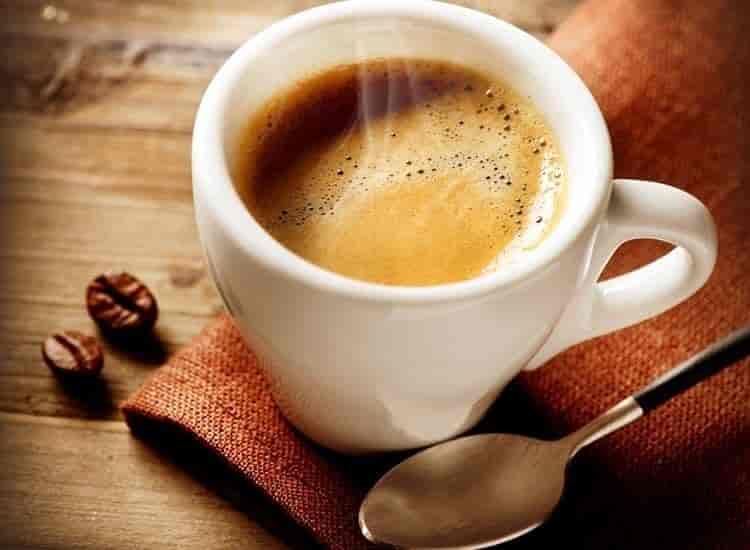
Many people do not know that they should drink a glass of water before drinking coffee or tea. Be sure to drink some water before taking tea or coffee in the morning or evening. This habit is healthy.
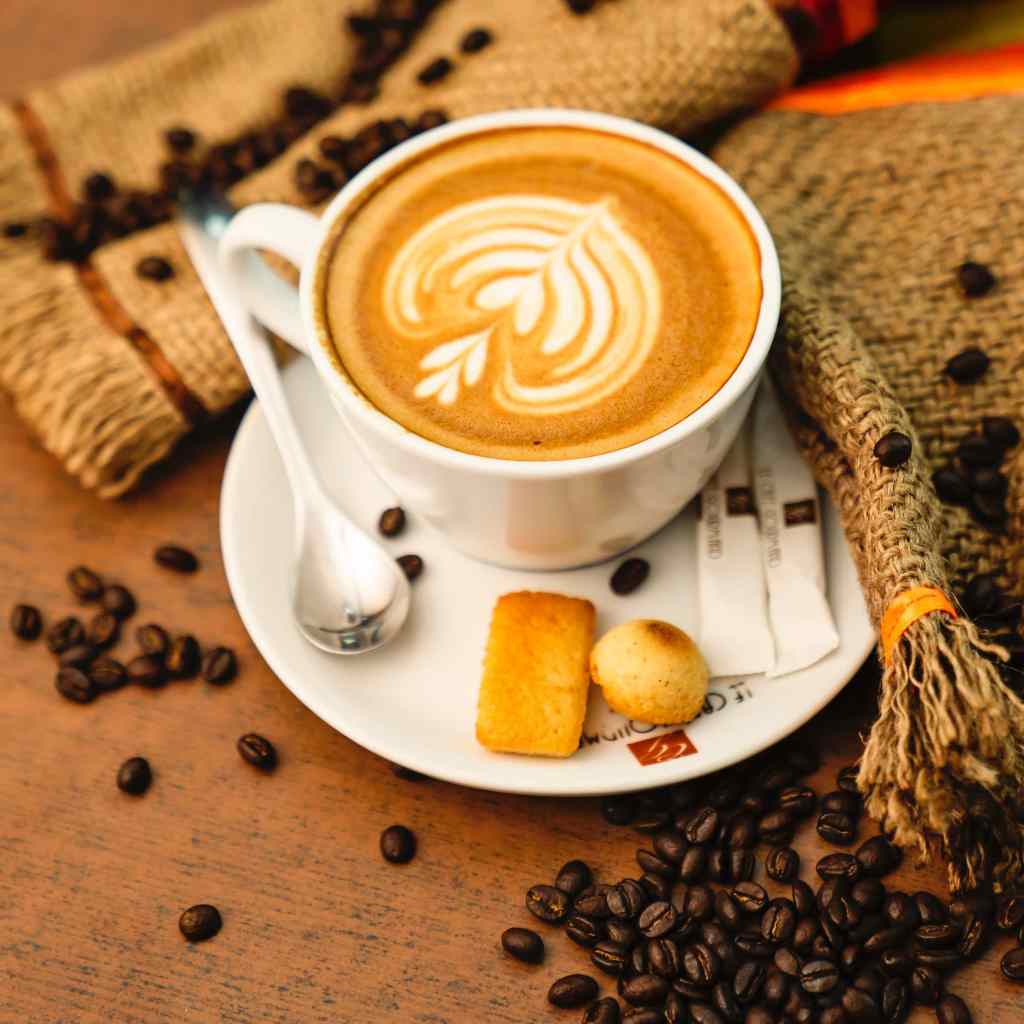
*Why drink water before having tea or coffee?*
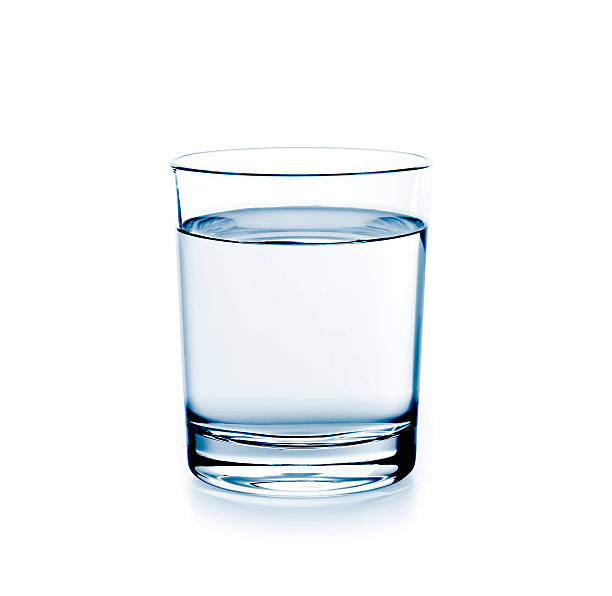
The reason behind drinking water before having tea or coffee is that it reduces stomach acidity. Tea is acidic at around 6 ph and coffee is slightly lower in the acidic range at 5 ph. So when you drink tea or coffee in the morning or evening, the acidity increases. There is also a risk of some ulcers and cancer. If you drink water before having tea or coffee, the stomach acid level will be somewhat milder and the damage to the stomach and other health will be reduced. At the same time, the more acidic nature of tea reduces the side effects on the teeth. Drinking water keeps the body hydrated and helps flush out toxins from the body.
Actually tea or coffee is not your Indian drink. So it is best to avoid drinking it.
🌺🌺🌺🌺🌺🙏🤝🌺🌺🌺🌺🌺
 k's all in one