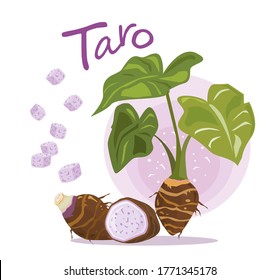
🌹🌹🌹🌹🌹🌹🌹🌹🌹🌹
*🌿🌹🙏Health Morning 🙏🌹🌿*
*Ayurvedic uses of taro leaves.*
*Taro leaves are large and wide. And rain water does not stick to it. The taste of Aaloo is astringent and sweet and it is cooling so it increases vata and kapha dosha in the body and reduces pitta.*
* Taro is a native wild vegetable. That is, it used to grow automatically in the wild. Gradually it started to be used for food. Taro are eaten in most of the states in India. Aluwadi with gram flour is familiar to all of us. If a taro leaf turns out to be itchy, then all the bombs! An itchy throat is not to be told, and it is not to be endured…. Anyway….*
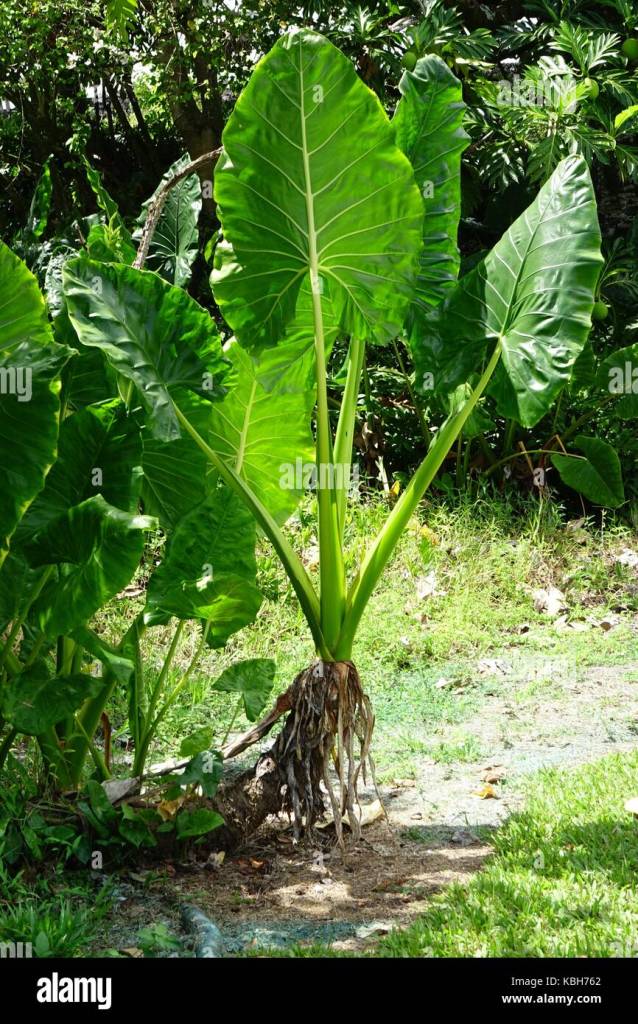
*Some Medicinal Uses of taro.*
*1. If a pregnant woman eats mixed vegetables of taro and fenugreek, she will get plenty and healthy milk.*
*2.taro is cooling, astringent, purgative and appetizing.*
*3. In case of biting by aphids or other poisonous insects,taro are roasted and the juice is extracted and applied to the bitten area and given in the stomach. Pepper is mixed with the juice of taro leaves and taken in the stomach, applied to the bitten area and also rubbed on the head.*
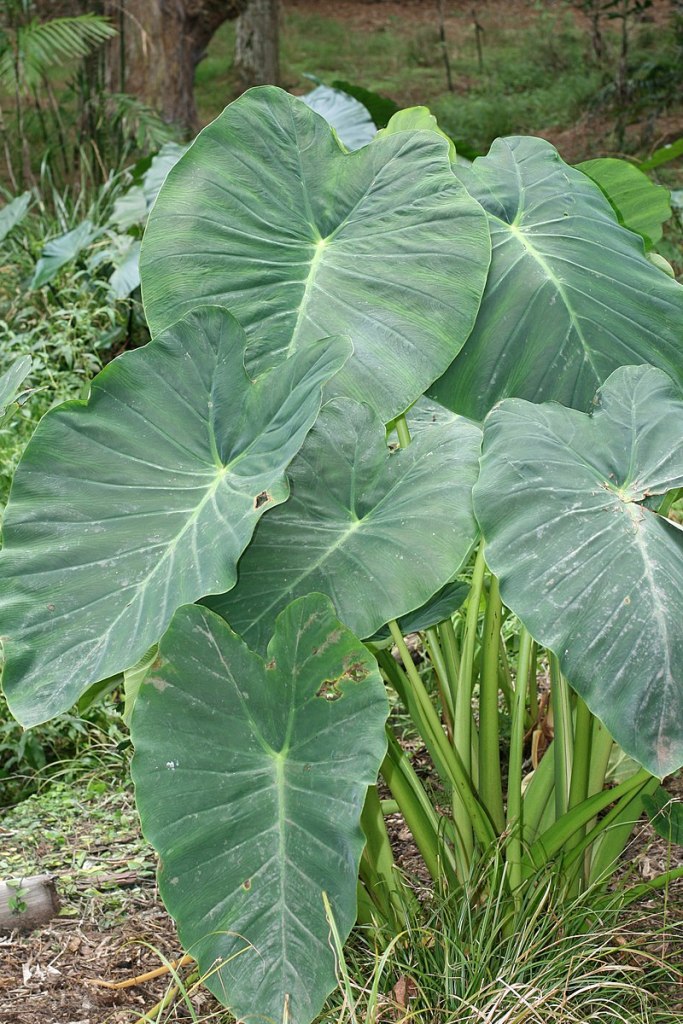
* 4. If the juice of alum is applied on the wound, the bleeding stops and the wound heals quickly.*
* 5. Taro vegetable is a blood booster.*
* Taro contains calcium oxalate salts or its crystals. They pierce the throat. So the throat feels prickly and itchy after eating these potatoes. Adding tamarind water dissolves these salts in it and the potato does not get itchy and the dish also tastes good.*
🌿🌿🌿🌿🌿🌿🌿🌿🌿🌿🌿
🌺🌺🌺🌺🌺🙏🤝🌺🌺🌺🌺🌺
 k's all in one