Sure, there are various types of weight workouts, each with its unique benefits:
1. **Strength Training:**
– **Benefits:** Builds muscle strength, increases bone density, boosts metabolism, enhances joint flexibility, and improves posture.
– **Examples:** Weightlifting, bodyweight exercises, resistance band exercises.
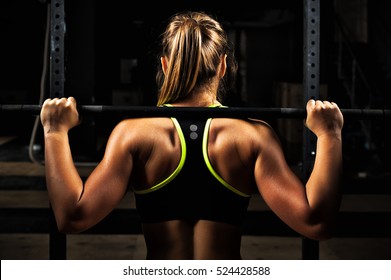
Certainly, strength training comes in various types, each offering unique benefits. Here are some common types of strength training and their advantages:
🏋️ **Traditional Strength Training:**🏋️
– **Benefits:** Increases muscle mass, improves overall strength, enhances metabolism, boosts bone density, and enhances joint stability.
– **Examples:** Weightlifting, resistance band exercises, bodyweight exercises with added resistance.
🏋️**Isometric Training:**🏋️
– **Benefits:** Builds strength without joint movement, improves muscle endurance, helps in injury rehabilitation, and enhances stability.
– **Examples:** Planks, wall sits, static holds.
🏋️**Isotonic Training:**🏋️
– **Benefits:** Involves muscle lengthening and shortening, improves muscle tone, enhances joint flexibility, and helps in muscle balancing.
– **Examples:** Bicep curls, squats, push-ups.
🏋️**Plyometric Training:**🏋️
– **Benefits:** Focuses on explosive movements, improves power and speed, enhances athletic performance, and boosts cardiovascular fitness.
– **Examples:** Jump squats, box jumps, burpees.
🏋️. **Functional Strength Training:**🏋️
– **Benefits:** Mimics real-life movements, improves balance and coordination, enhances core strength, and helps prevent injuries.
– **Examples:** Medicine ball exercises, kettlebell swings, TRX training.
🏋️ **High-Intensity Strength Training (HIST):**🏋️
– **Benefits:** Involves short, intense workouts, boosts metabolism, burns calories, promotes muscle growth, and improves cardiovascular health.
– **Examples:** High-intensity interval training (HIIT) with weights, Tabata workouts.
🏋️ **Circuit Training:**🏋️
– **Benefits:** Combines strength exercises with cardio, burns fat, improves muscular endurance, and provides a full-body workout.
– **Examples:** Performing a series of strength exercises with minimal rest in between.
🏋️**Powerlifting:**🏋️
– **Benefits:** Focuses on heavy lifting with low repetitions, increases maximal strength, enhances muscle density, and improves overall power.
– **Examples:** Squats, deadlifts, bench press.
2. **Hypertrophy Training:**
– **Benefits:** Focuses on muscle growth and definition, increases muscle size, improves overall body aesthetics.
– **Examples:** Bodybuilding workouts, high-rep weightlifting exercises.

Hypertrophy training, also known as bodybuilding training, focuses on building muscle size and definition. It typically involves moderate to high repetitions and moderate to heavy weights. Here are some hypertrophy training techniques commonly used in bodybuilding:
🏋️**Muscle Split Training:**🏋️
– **Description:** Targeting specific muscle groups on different days of the week for concentrated training.
– **Example:** Training chest and triceps on one day, back and biceps on another day, and legs and shoulders on a different day.
🏋️. **High-Volume Training:*🏋️
– **Description:** Performing a high number of sets and repetitions with moderate weights to induce muscle fatigue and promote growth.
– **Example:** Performing 4-5 sets of 8-12 repetitions for each exercise.
🏋️. **Drop Sets:**🏋️
– **Description:** Performing an exercise until failure, then reducing the weight and continuing the set to increase muscle fatigue.
– **Example:** Doing bicep curls with 30 pounds until failure, then immediately switching to 25 pounds and continuing the set until failure.
🏋️. **Supersets:**🏋️
– **Description:** Performing two exercises back-to-back with no rest in between to increase workout intensity and stimulate muscle growth.
– **Example:** Alternating between chest presses and push-ups with no rest in between.
🏋️ **Pyramid Sets:**🏋️
– **Description:** Gradually increasing or decreasing the weight with each set to fatigue the muscles from different angles.
– **Example:** Starting with light weights and high repetitions, then increasing the weight and decreasing the repetitions with each subsequent set.
🏋️**Rest-Pause Training:**🏋️
– **Description:** Pausing for a short rest during a set to extend the duration of the set and increase muscle stress.
– **Example:** Performing as many repetitions as possible, resting for 10-15 seconds, then continuing to do more repetitions until failure.
🏋️ **Time Under Tension (TUT) Training:**🏋️
– **Description:** Focusing on slowing down the tempo of each repetition to increase the time the muscle is under tension, promoting muscle growth.
– **Example:** Slowing down the lowering phase of a bicep curl or squat to increase the time the muscle is under tension.
3. **Endurance Training:**
– **Benefits:** Enhances cardiovascular health, improves muscular endurance, increases stamina, burns calories, and supports weight loss.
– **Examples:** Circuit training, high-repetition weightlifting, cardio-integrated weight workouts.

Endurance training aims to improve cardiovascular health, muscular endurance, stamina, and overall aerobic fitness. Here are some common types of endurance training:
🏋️**Long Slow Distance (LSD) Training:**🏋️
– **Description:** Involves performing aerobic exercises at a moderate pace for an extended period, usually 30 minutes or more.
– **Example:** Long-distance running, cycling, or swimming at a steady pace.
🏋️. **Interval Training:**🏋️
– **Description:** Alternating between periods of high-intensity exercise and low-intensity recovery or rest.
– **Example:** Sprinting for 1 minute followed by 2 minutes of walking or jogging, repeated for several cycles.
🏋️. **Fartlek Training:**🏋️
– **Description:** Combines steady-state (continuous) training with interval training by varying the intensity throughout the workout.
– **Example:** Running or cycling with periods of increased speed or intensity followed by periods of slower pace.
🏋️. **Tempo Training:**🏋️
– **Description:** Involves exercising at a challenging, but sustainable, pace for an extended period to increase lactate threshold and endurance.
– **Example:** Running at a comfortably hard pace for 20-30 minutes without stopping.
🏋️. **Circuit Training:**🏋️
– **Description:** Performing a series of exercises targeting different muscle groups with minimal rest in between, combining strength and cardio elements for a full-body workout.
– **Example:** Alternating between bodyweight exercises (e.g., push-ups, squats) and aerobic exercises (e.g., jumping jacks, high knees) in a circuit format.
🏋️ **Cross Training:**🏋️
– **Description:** Engaging in different types of aerobic activities to prevent overuse injuries, improve overall fitness, and maintain interest.
– **Example:** Mixing activities such as swimming, cycling, running, and rowing throughout the week.
🏋️. **Hill Training:**🏋️
– **Description:** Running or cycling uphill to increase intensity and build strength and endurance.
– **Example:** Running uphill for a certain distance or cycling up steep hills.
🏋️. **Steady-State Cardiovascular Exercise:**🏋️
– **Description:** Performing continuous aerobic exercises at a steady pace to improve cardiovascular endurance.
– **Example:** Using cardio machines like treadmills, ellipticals, or stationary bikes at a constant speed and intensity.
🏋️ **Low-Intensity, Long-Duration Activities:**🏋️
– **Description:** Engaging in low-impact activities for extended periods to build endurance without putting excessive stress on joints.
– **Example:** Walking, hiking, or easy-paced cycling for several hours.
4. **Powerlifting:**
– **Benefits:** Focuses on improving maximal strength, involves heavy lifting with low repetitions, enhances overall strength and power.
– **Examples:** Squats, deadlifts, bench press.
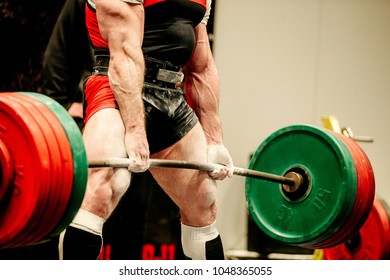
Powerlifting is a strength sport that consists of three main lifts: squat, bench press, and deadlift. Athletes compete to lift the heaviest weight in each of these three lifts. Here’s a breakdown of each lift in powerlifting:
🏋️. **Squat:**🏋️
– **Description:** In the squat, the lifter lifts a loaded barbell from a rack, places it across their shoulders, and then bends their knees to lower their body before rising back up to a standing position.
– **Muscles Targeted:** Quadriceps, hamstrings, glutes, lower back, and core muscles.
– **Key Points:** Proper form and depth (hip crease below the top of the knees) are essential. There are different styles of squats, including high bar and low bar squats.
🏋️. **Bench Press:**🏋️
– **Description:** The lifter lies on a flat bench and lifts a loaded barbell from a rack, lowers it to their chest, and then presses it back up to arm’s length.
– **Muscles Targeted:** Pectoral muscles, deltoids, triceps, and some engagement of the back muscles for stability.
– **Key Points:** The bar must touch the lifter’s chest, and their feet must remain flat on the ground for a valid lift.
🏋️. **Deadlift:**🏋️
– **Description:** In the deadlift, the lifter lifts a loaded barbell from the ground to a standing position, locking out their hips and knees.
– **Muscles Targeted:** Lower back, glutes, hamstrings, forearms, and grip strength.
– **Key Points:** The lifter must stand completely upright with shoulders back and hips extended. Straps or hitching (resting the bar on the thighs during the lift) are not allowed.
**Powerlifting Competitions:**
Powerlifters compete in sanctioned meets where they have three attempts for each lift. The heaviest successful lift in each category is combined for a total score. Competitors are grouped by sex, weight class, and age.
**Training for Powerlifting:**
Training for powerlifting involves a combination of strength training, focusing on the three main lifts, along with accessory exercises to strengthen supporting muscles. Lifters often follow specific training programs, emphasizing progressive overload to increase strength over time.
Proper form, technique, and safety are paramount in powerlifting to prevent injuries and maximize performance. Many powerlifters work with coaches to refine their technique and develop effective training strategies.
5. **CrossFit:**
– **Benefits:** Combines elements of various workouts, enhances overall fitness, improves cardiovascular endurance, strength, flexibility, and agility.
– **Examples:** Varied functional movements performed at high intensity, often with a combination of weightlifting, cardio, and bodyweight exercises.
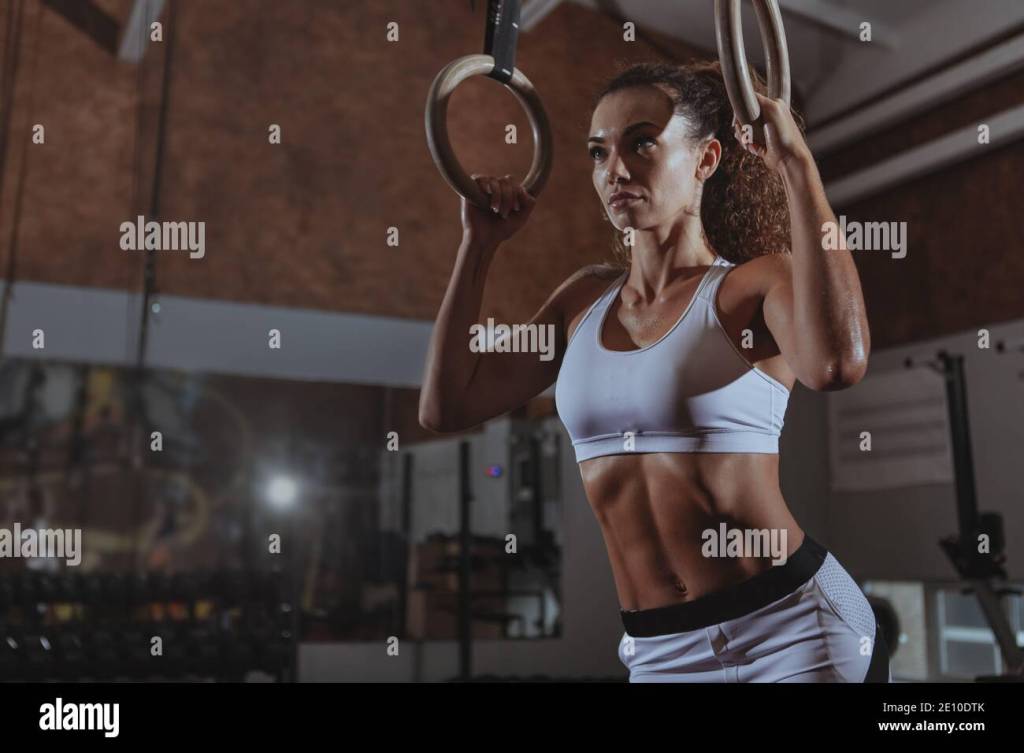
CrossFit is a high-intensity fitness program that combines elements of weightlifting, cardio, bodyweight exercises, and other functional movements. CrossFit workouts are varied and typically consist of constantly varied, high-intensity, functional movements. Here are some key aspects of CrossFit:
🏋️**. Constant Variation:**🏋️
CrossFit workouts vary from day to day, incorporating a wide range of exercises and movements. This variety keeps the workouts interesting and challenges different muscle groups.
🏋️**. Functional Movements:**🏋️
CrossFit emphasizes functional movements, which are natural and essential to everyday activities. These movements include squatting, lifting, pushing, pulling, and jumping. By focusing on functional exercises, CrossFit aims to improve overall fitness and prepare individuals for various physical challenges.
🏋️**. High Intensity:**🏋️
CrossFit workouts are known for their intensity. Participants perform exercises at a high intensity for a specific duration, often aiming to complete a set number of repetitions or rounds as quickly as possible. This approach helps improve cardiovascular endurance, stamina, and overall fitness.
🏋️**. Time-Based Workouts:**🏋️
Many CrossFit workouts are structured as time-based challenges, where participants complete a set of exercises within a specific time frame. For example, performing as many rounds as possible (AMRAP) in a given time or completing a specific task for time.
🏋️**. CrossFit WOD (Workout of the Day):**🏋️
CrossFit classes typically feature a WOD, a specific workout prescribed for that day. WODs are designed by CrossFit trainers and can vary widely in terms of exercises, duration, and intensity.
🏋️**. Community and Competition:**🏋️
CrossFit gyms, known as “boxes,” foster a strong sense of community. Participants often encourage and support each other during workouts. CrossFit also incorporates an element of competition, with events like the CrossFit Games, where elite athletes from around the world compete in various CrossFit challenges.
🏋️** Scalability:**🏋️
CrossFit workouts are scalable, meaning they can be adjusted to accommodate individuals of different fitness levels and abilities. Whether you’re a beginner or an experienced athlete, the intensity and complexity of the exercises can be modified to suit your capabilities.
It’s important to note that proper form and technique are crucial in CrossFit to prevent injuries, especially given the high-intensity nature of the workouts. Many CrossFit participants work closely with certified trainers to ensure they are performing exercises correctly and safely.
6. **Bodyweight Training:**
– **Benefits:** Improves functional strength, flexibility, and balance, enhances muscle endurance, can be done anywhere without equipment.
– **Examples:** Push-ups, pull-ups, squats, lunges, yoga.
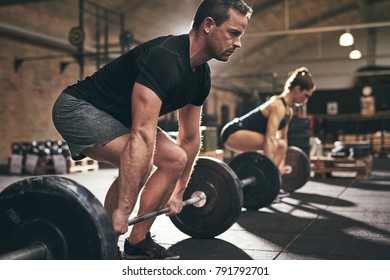
Bodyweight training, also known as calisthenics, is a form of exercise that uses the individual’s own body weight as resistance. It’s a versatile and effective way to build strength, flexibility, balance, and endurance without the need for additional equipment. Here are some key aspects of bodyweight training:
**🏋️. **Bodyweight Exercises:**🏋️
– **Description:** Bodyweight exercises use the person’s own weight to create resistance. These exercises can target various muscle groups and include movements like push-ups, squats, lunges, pull-ups, planks, and burpees.
– **Benefits:** Improves overall strength, muscle tone, and endurance. Enhances functional strength, making everyday movements easier. Can be done anywhere, making it accessible for people with limited access to gym equipment.
**.🏋️ **Progressive Overload:**🏋️
– **Description:** To continually challenge the body and make progress, bodyweight training incorporates the principle of progressive overload. This means gradually increasing the difficulty of exercises by changing the angle, adding variations, or increasing the repetitions.
– **Benefits:** Helps in building muscle and strength over time. Prevents plateauing and keeps the workouts challenging.
**🏋️ **Calisthenic Skills:**🏋️
– **Description:** Bodyweight training can include advanced skills such as handstands, muscle-ups, planches, and levers. Mastering these skills requires a combination of strength, balance, and coordination.
– **Benefits:** Enhances body control, balance, and agility. Provides a sense of accomplishment as individuals progress to more advanced movements.
**. 🏋️**Flexibility and Mobility:**🏋️
– **Description:** Bodyweight exercises often incorporate dynamic movements that improve flexibility and mobility. Additionally, specific stretches and yoga poses can be included in bodyweight training routines to enhance flexibility.
– **Benefits:** Improves joint mobility, range of motion, and overall flexibility. Reduces the risk of injuries and enhances athletic performance.
**.🏋️ **High-Intensity Workouts:**🏋️
– **Description:** Bodyweight exercises can be structured into high-intensity interval training (HIIT) or circuit training workouts, where exercises are performed in quick succession with minimal rest.
– **Benefits:** Burns calories, improves cardiovascular health, and builds muscular endurance. Efficient for time-conscious individuals.
** 🏋️**Accessibility and Versatility:**🏋️
– **Description:** Bodyweight training can be adapted to suit various fitness levels and goals. It’s accessible to people of all ages and fitness backgrounds.
– **Benefits:** Versatile and can be customized for beginners to advanced athletes. No need for expensive gym memberships or equipment.
Whether you’re a beginner looking to establish a fitness routine or an advanced athlete aiming to master advanced skills, bodyweight training offers a wide range of exercises and progressions to help you achieve your fitness goals.
7.**Circuit Training:**
– **Benefits:** Burns calories, improves cardiovascular health, enhances muscular endurance, combines strength and aerobic exercises for a full-body workout.
– **Examples:** Performing a series of exercises with little to no rest in between.

Circuit training is a workout method that combines cardiovascular exercises with strength training, providing a full-body workout in a short amount of time. It involves performing a series of exercises back-to-back with minimal rest in between. Here are the key aspects of circuit training:
**. 🏋️**Circuit Structure:**🏋️
– **Description:** A circuit typically consists of 5-10 different exercises targeting different muscle groups or fitness goals. Participants move from one exercise to the next with little to no rest in between.
– **Benefits:** Efficient use of time, engages multiple muscle groups, improves cardiovascular fitness, and burns calories.
**.🏋️ **Cardiovascular and Strength Exercises:**🏋️
– **Description:** Circuits often include a mix of aerobic exercises (like jumping jacks, jogging in place, or burpees) and strength exercises (such as push-ups, squats, or lunges).
– **Benefits:** Improves cardiovascular endurance, builds muscular strength and endurance, and supports overall fitness.
**. 🏋️**Time-Based or Repetition-Based:**🏋️
– **Description:** Circuits can be structured based on time (e.g., 30 seconds per exercise) or repetitions (e.g., 15 reps per exercise). Participants aim to complete as many repetitions or maintain proper form throughout the allotted time.
– **Benefits:** Allows for flexibility in workout intensity, catering to different fitness levels.
** 🏋️**Full-Body Workout:**🏋️
– **Description:** Circuits are designed to engage various muscle groups, providing a comprehensive workout for the entire body.
– **Benefits:** Enhances overall strength and endurance, improves muscle tone, and supports functional movements used in daily activities.
** 🏋️**Minimal Rest:**🏋️
– **Description:** Rest between exercises in a circuit is kept to a minimum (usually 10-30 seconds) to maintain an elevated heart rate and keep the workout intensity high.
– **Benefits:** Maximizes calorie burn, promotes cardiovascular benefits, and challenges muscular endurance.
**.🏋️ **Customizability:**🏋️
– **Description:** Circuits can be customized based on fitness goals. For example, a circuit can focus on bodyweight exercises for beginners or incorporate weights and resistance bands for advanced participants.
– **Benefits:** Adaptable to various fitness levels and goals, making it accessible to a wide range of individuals.
**🏋️. **Variety and Fun:**🏋️
– **Description:** The variety of exercises in a circuit keeps the workout interesting and engaging. Participants are less likely to get bored due to the constant change in activities.
– **Benefits:** Maintains motivation, encourages consistency, and promotes a positive attitude toward exercise
.


Circuit training is an effective way to improve overall fitness, burn calories, and save time by combining cardiovascular and strength exercises into one efficient workout session. It’s suitable for individuals looking for a challenging and dynamic exercise routine.
Remember, the best workout routine depends on your fitness goals, preferences, and current fitness level. It’s often beneficial to incorporate a variety of these workouts into your routine for a well-rounded approach to fitness.

 k's all in one