*Continuous yawning can be a symptom of major diseases, don’t ignore it!*
Scientists have several theories for why we yawn, but none of them are certain. Common triggers of yawning include tiredness, boredom, waking up and stress. Seeing or hearing other people yawn can also cause you to yawn.
Yawning excessively is a condition where a person yawns more often than normal. This condition is caused by various reasons, such as boredom, sleepiness, or stress. Excessive yawning can also be caused by an underlying medical condition, such as sleep apnea, anxiety, or depression.
Adults yawn about nine times a day on average. But some people yawn up to 20 times a day, and that’s normal for them. Healthcare providers consider excessive yawning as more than three yawns per 15 minutes several times a day.
On average, humans yawn five to 10 times a day . However, people who experience excessive yawning tend to yawn many more times each day. In some case studies, people who yawn excessively reported yawning up to 100 times in a day.
Many people are constantly lazy these days. Some people yawn for minutes at a time. According to some studies, there are many people who yawn as many as 100 times a day.
Such people are likely to disturb the work of the people sitting around them. Don’t ignore this if you are always feeling lazy too. Because it can also be a sign of major diseases. Let’s find out what are the main causes of yawning –
Boredom:-
Yawning is associated with some hormones that are released that briefly increase the heart rate and alertness. So actually the reason that one yawns when tired or bored is the body’s attempt to keep you alert and awake — if only for a brief time.
One theory holds that yawning may help keep the brain awake during boring or passive activities. The act of yawning forces the muscles in the face and neck to move. Researchers believe this movement may stimulate the carotid artery, leading to an increase in heart rate and the release of wake-promoting hormones.
What Is Excessive Yawning? Yawning excessively is a condition where a person yawns more often than normal. This condition is caused by various reasons, such as boredom, sleepiness, or stress. Excessive yawning can also be caused by an underlying medical condition, such as sleep apnea, anxiety, or depression.
Boredom can be caused by a lack of external stimulation or by internal factors such as a lack of motivation or a sense of purpose. It can arise from routine tasks, repetitive activities, or lack of novelty, which can result in a sense of time dragging or feeling stuck in a monotonous routine.
What are the symptoms of boredom? Boredom is marked by an empty feeling, as well as a sense of frustration with that emptiness. When you’re bored, you may have a limited attention span and lack of interest in what’s happening around you. You may also feel apathetic, fatigued, nervous, or jittery.
the state of being weary and restless through lack of interest. the boredom of a long car trip.
The feeling that nothing catches your interest, that everything’s dull and flat, sums up the state of boredom. Too much time on your hands can result in boredom, and so can the tediousness of doing the same thing over and over again, like a dreary task at a job.
Boredom can be more uncomfortable or distressing for people feeling fearful, anxious or depressed. If this is the case, they should seek professional help to work through their feelings and develop healthy coping skills. Don’t be afraid of boredom. It’s a normal part of life.
Epilepsy:-
There are only a few cases in the literature where yawning has been described as a symptom of epilepsy. While such cases are rare, they describe yawning as a periictal phenomenon or as an ictal manifestation of epilepsy, most commonly temporal lobe epilepsy.
Share a bedroom or have someone nearby who can help if a seizure occurs. Some people place a monitor in the room so a person can hear if a seizure occurs at night. Look into seizure alert or detection devices. They may be able to detect when a seizure occurs and alert someone, or call for help.
A person with epilepsy may need to avoid potentially harmful behaviors, such as operating dangerous equipment and working at heights, and some sports. Certain jobs and recreational activities may pose a risk of harm. If a person has doubts about whether an activity poses a risk, it is always best to put safety first.
Treatment with medicines or sometimes surgery can control seizures for most people with epilepsy. Some people require lifelong treatment. For others, seizures go away. Some children with epilepsy may outgrow the condition with age.
Medication:–
Yawning meditation can be somewhat likened to Ujjayi breathing in yoga and is a meditation practice we can employ to stimulate certain areas of the brain and improve focus, compassion and advance our spiritual practice and overall health.
Yawning during meditation is a common occurrence and often indicates that you are releasing tension in your jaw muscles. Additionally, increased yawning may be a signal that your body requires more oxygen to facilitate the relaxation and rejuvenation of both your body and mind.
On the spiritual perspective, yawning is considered as a relief valve of energies. Moreover, Tibetan monks usually observe yawning during meditation. According to them, it is a path to reach a higher, calmer energy level physically and mentally.
Newberg’s research shows that yawning stimulates neural movement in certain mind areas and regulates brain temperature and brain metabolism. This can in turn, increase muscle control, enhance sensuality, and even starve off jet lag. In addition, yawning has been found to boost the immune system and improve memory. Yawning has been used for some time in voice therapy as a therapeutic intervention for reducing performance anxiety and hypertension in the throat.
We can actually use yawning to cultivate calm, stay focused, and be more compassionate. Newberg claims that a good yawn can relax you more efficiently than meditation and whilst calming you also brings the mind into alert focus, an ideal state of heightened cognitive function. During the day, it also rids the brain of sleepiness, maintaining your attention. And the reason why we start yawning as we go to sleep is because it also regulates our internal clock, limiting our reliance on alarms. Most fascinatingly, it stimulates the brain responsible for generating empathy and social awareness, so it may in fact strengthen our ability to be gentle and kind.
This brain structure, the precuneus, is also stimulated by yogic breathing, a great explanation for why different forms of meditation seemingly contribute to an increased sense of self awareness. Age-related decline and attention deficit disorders seem to harm the precuneus, so it could be that yawning meditation could in fact strengthen this part of the brain to reverse aging and ADD.
Stroke:-
The rare phenomenon of abnormal involuntary movement of paralyzed upper limb in association with yawning following stroke was termed as parakinesia brachialis oscitans (PBO) by Walusinski et al. [1]. Only few cases have been described in the literature and there are many unanswered question of this clinical condition.
Yawning is a stereotyped physiological behavior that can represent a sign or symptom of several conditions, such as stroke, parakinesia brachialis oscitans, parkinsonism, Parkinson’s disease and epilepsy.
Doctors believe that this is because yawning may help regulate and reduce the brain and body’s core temperature after brain injury from a stroke. Some research suggests that the process of yawning involves the brain stem, the base area of the brain that connects to the spinal cord.
Heart problems—If yawning excessively is accompanied by chest pain or an irregular heartbeat, it could be a sign of a heart condition. Stroke—Sudden, severe yawning could be a warning sign of an impending stroke. Brain tumor—In rare cases, yawning excessively can be a symptom of a brain tumor.
Anxiety:-
Yawning can be a response to anxiety and stress. When we are in a heightened state of tension, our body’s natural response is to take deep breaths and increase oxygen intake. Yawning helps regulate breathing patterns and can serve as a subconscious mechanism to alleviate stress.
Anxiety affects the heart, respiratory system, and energy levels. These can all cause breathlessness, yawning, and feelings of stress. If a person experiences a lot of anxiety, they may find themselves yawning more often than other people, or more often than when they are not feeling as anxious.
So, if you find yourself yawning all too-often without much reason, chances are that you may be overly anxious about something. How you can overcome it: The most immediate and effective way to increase the oxygen level in your body is by taking slower, deeper, and calmer breaths.
For several years, the main theory was that yawning brings in more oxygen — mainly for your brain. More recently, researchers discarded this theory, as studies revealed that a controlled lack of oxygen doesn’t result in more yawning than usual.
Many reasons behind yawning:-
Excessive yawning can be a symptom of certain conditions or situations, including: Conditions related to excessive daytime sleepiness (hypersomnia), like narcolepsy, sleep deprivation and obstructive sleep apnea. Opioid withdrawal syndrome. Certain medications, like SSRIs, apomorphine and naloxone.
Healthcare professionals define excessive yawning as more than 3 yawns every 15 minutes several times a day. If you have noticed recent changes or atypical patterns of yawning, it may be time to consult with a doctor. Changes may include: Excessive yawning (3 or more yawns every 15 minutes, several times a day)
Yawning is a common reflex that can happen to anyone at any time. It’s usually not bothersome, except when it happens too frequently in a short time. Consider seeing a doctor if it bothers you how often you yawn or if sleep problems are causing you to yawn often.
Cortisol is implicated during yawning and may link many neurological disorders. Evidence was found in support of the Thompson cortisol hypothesis that proposes cortisol levels are elevated during yawning just as they tend to rise during stress and fatigue.
Summary. Yawning when you’re sleepy or bored is common. Constantly yawning without any of those triggers may signify an underlying health concern. Excessive yawning can result from a sleep disorder, the use of certain medications, and (less commonly) the symptom of a neurological or other condition.
Regulates internal temperature:-
Consistent with the predictions of the brain cooling hypothesis, spontaneous yawning was triggered in response to rapid increases in brain temperature (+0.12°C), followed by corresponding decreases in temperature immediately following a yawn. These results confirm the hypothesis that yawning produces cerebral cooling.
The thermoregulatory theory of yawning posits that yawns function to cool the brain in part due to counter-current heat exchange with the deep inhalation of ambient air.
The neural structures that control yawning are presumably located in the brain stem near to or within other respiratory and vasomotor centres, especially those that control facial mimicry, mastication, throat movements, respiration, and possibly stretching.
Among these substances, the best known are dopamine, excitatory amino acids, acetylcholine, serotonin, nitric oxide, adrenocorticotropic hormone-related peptides and oxytocin, that facilitate yawning and opioid peptides that inhibit this behavioral response.
Brain tumor:-
Most of the time, the etiology cited is the infratentorial location of these tumors causing compression of the brainstem and the centers responsible for yawning. Intractable yawning as a predominant symptom of supratentorial tumor is rare.
To the contrary, frequent or abnormal yawning in stroke patients may be a consequence of thermoregulatory dysfunction associated with the brain injury (Gallup and Gallup, 2008).
Yawning as a sequelae to tumors of the brain is rare. Almost all of them are reported to be due to infratentorial tumors. [1,2] Although the occurrence of this phenomenon with supratentorial pathology such as stroke is common[3,4] it has never been reported with tumors in that region.
Heart problems:-
Although less common, excessive yawning could also be a sign of health conditions that can include: a heart attack, especially if you are experiencing other common related symptoms such as chest pain or discomfort, upper body discomfort, lightheadedness, and shortness of breath.
Heart problems—If yawning excessively is accompanied by chest pain or an irregular heartbeat, it could be a sign of a heart condition. Stroke—Sudden, severe yawning could be a warning sign of an impending stroke. Brain tumor—In rare cases, yawning excessively can be a symptom of a brain tumor.
The most common medical problems that are associated with increased yawning are sleep deprivation, insomnia, sleep apnea, narcolepsy, and many medicines that cause sleepiness.
Multiple sclerosis:-
Excessive yawning behavior is also observed in patient with motor neuron disease (Williams, 2000). Postert et al. (1996) described excessive yawning as a symptom of the brainstem localization of MS. On the contrary diverse opinions were also reported (Gallup, 2014; Krestel et al., 2015; Platek, 2010; Thompson, 2014).
Background: Patients with multiple sclerosis (MS) suffer from thermoregulatory dysfunction, and repetitive yawning and sleep problems are symptoms of MS.
There are some other medical diseases that cause yawning including bleeding around the heart, brain tumor, multiple sclerosis, stroke, and even heart attack.
Neurological issues:-
Yawning is a stereotyped physiological behavior that can represent a sign or symptom of several conditions, such as stroke, parakinesia brachialis oscitans, parkinsonism, Parkinson’s disease and epilepsy.
Yawning can be a response to anxiety and stress. When we are in a heightened state of tension, our body’s natural response is to take deep breaths and increase oxygen intake. Yawning helps regulate breathing patterns and can serve as a subconscious mechanism to alleviate stress.
Other medical conditions:-
Do you feel like you can’t yawn properly? If so, it’s a possible sign of dysfunction in your nervous system. Being unable to finish a yawn indicates that it’s not expelling energy from your nervous system normally, which can lead to an unhealthy accumulation of that energy.
Yawning can be a response to anxiety and stress. When we are in a heightened state of tension, our body’s natural response is to take deep breaths and increase oxygen intake. Yawning helps regulate breathing patterns and can serve as a subconscious mechanism to alleviate stress.
Just getting in position to yawn can be enough to prompt an actual yawn to form. Tighten the muscles at the back of your throat. These muscles naturally contract a little when you yawn. Contracting them now may stimulate your body to form a real yawn.
Vitamin deficiency:-
There’s little evidence to suggest that excessive yawning is caused directly by a vitamin deficiency. However, some vitamin deficiencies may cause fatigue, which often involves yawning. Not getting enough vitamin B12, for example, can lead to vitamin B12-deficiency anemia, which may lead to feeling fatigued.
Vitamin B12 Deficiency: A Rare Cause of Excessive Daytime Sleepiness – PMC.
Oxygen deficiency:-
Does yawning indicate a lack of oxygen? Researchers initially thought that yawning might mean you lack oxygen, but more recent evidence suggests this is untrue. Yawning doesn’t mean you lack oxygen or your body is trying to get more oxygen.
But why do you yawn when you’re not sleepy? Despite what you may have heard, yawning has nothing to do with increasing the body’s oxygen supply. In experiments, subjects yawn just as much in oxygen-rich air as they do in an oxygen-poor atmosphere. Yawning is, however, a response to boredom.
Yawning may be a function of breathing. Yawns may be more likely when the blood needs oxygen. A yawn causes a big intake of air and a faster heartbeat, which could theoretically mean that it is pumping more oxygen through the body.
Yawning can be a response to anxiety and stress. When we are in a heightened state of tension, our body’s natural response is to take deep breaths and increase oxygen intake. Yawning helps regulate breathing patterns and can serve as a subconscious mechanism to alleviate stress.
*Insufficient sleep :-* The main cause of constant yawning is insufficient sleep. Some people sleep late at night and wake up early in the morning. Due to this, they do not get enough sleep for the body. A lack of sleep at night makes you feel very tired the next day and you tend to yawn a lot.
*Diabetes :-* Excessive yawning is considered an early symptom of hypoglycemia. Low blood glucose levels also cause yawning.
*Risk of Heart Disease :-* If you are constantly yawning, don’t ignore it. Because it can also be a sign of heart disorder. Excessive yawning can also indicate bleeding around the heart or the possibility of a heart attack.
Excessive yawning can be related to the vagus nerve, which runs from the bottom of the brain down to the heart and stomach. In some cases, excessive yawning may indicate bleeding around the heart or even a heart attack. Other symptoms that may indicate a heart problem include: pain in the chest.
*Insomnia :-* Insomnia is a sleep related disorder. In this a person either does not fall asleep early at night, and if he wakes up for some reason, it becomes difficult for him to go back to sleep. Lack of sleep at night causes people to sleep more during the day, causing them to yawn a lot
*Narcolepsy :-* Narcolepsy is considered a serious sleep disorder. Such a person falls asleep immediately at the place where he sits. Such a person falls asleep many times a day.
How to stop excessive yawning ? keep the bedroom cool, dark, and quiet. go to bed and wake up at the same time each day. avoid caffeine:-
Avoid Caffeine & Tea: Another effective way to prevent frequent yawning is by limiting the intake of coffee or tea. While effectively managing your yawning, this may benefit your overall wellness. Address Underlying Condition: Frequent yawning could also be a sign of an underlying medical condition.
large meal:-
The neural structures that control yawning are presumably located in the brain stem near to or within other respiratory and vasomotor centres, especially those that control facial mimicry, mastication, throat movements, respiration, and possibly stretching.
, and exercise before bedtime. exercise regularly during the day. avoid alcohol close to bed. remove electronic devices from the bedroom.
Here are seven ideas to prevent boredom among adults! Pick up a new hobby or restart an old one. Consider activities that you’ve enjoyed in the past and why you stopped them. … Use technology to connect with others. … Get outside. … Take on a challenge. … Streaming and virtual tours. … Stick to a schedule. … Allow time to rest.
*Eating garlic fried in ghee has amazing health benefits!!*
Garlic is full of medicinal properties, but its benefits also depend on the way it is eaten. Eating garlic cloves fried in ghee provides many health benefit s: Both of them contain many nutrients that are beneficial for health. Garlic has anti-bacterial and anti-viral properties, while ghee contains vitamins and omega-3 fatty acids. They work to fight many diseases.
Garlic is a popular cooking ingredient that may offer a range of health benefits. These can include reducing the severity of common cold symptoms, helping manage cholesterol and blood pressure, boosting heart health, and reducing the risk of liver injury.
Eating 1-2 garlic cloves daily can have health benefits, but more can cause bad breath, heartburn, stomach issues, and other unpleasant side effects. It’s best to enjoy it in moderation. For many home chefs, garlic is a favorite spice to cook with, thanks to its pungent taste and aroma.
Boosts Immunity
Garlic protects against free radicals and prevents damage to the DNA. Zinc in garlic promotes immunity. Vitamin C helps to fight off infections. It is very beneficial against eye and ear infections as it has antimicrobial properties.
You shouldn’t add too much garlic to your diet, too quickly. “One to two cloves a day should be the maximum consumed by anyone,” says Tracey Brigman, a food and nutrition expert at the University of Georgia. Eating more than that may cause upset stomach, diarrhea, bloating, or bad breath.
1)Vitamins:-
Garlic has long been associated with health benefits – from curing a cold to lowering blood pressure and cholesterol levels. Garlic contains vitamins C and B6, manganese and selenium, but it’s a chemical called allicin, a type of antioxidant, which is thought to be responsible for its positive effects.
2) Heart disease:
Black garlic may help reduce certain markers of heart disease, like triglycerides and LDL (bad) cholesterol. It may also increase HDL (good) cholesterol.
.. Reduced risk of heart disease. Due to its potential effects of lowering blood pressure and cholesterol, garlic may reduce the risk of heart disease.
It helps reduce your risk for heart disease. The aromatic contains allicin, for example, a cardioprotective, sulfur-containing compound released when raw garlic..
Cardiomyopathy is the leading cause of death among diabetes patients. It is a chronic disease of the myocardium (heart muscle).
Studies show that ginger and garlic may help reduce heart disease risk factors like high blood pressure and high blood lipid levels and help protect against … diabetes.
3)Garlic for heart health:
Garlic Can Help With Prevention of Cancer. The health benefits of garlic don’t end with the heart.
Different compounds in garlic are thought to reduce the risk for cardiovascular diseases, have anti-tumor and anti-microbial effects, and show benefit .
These phytochemicals (or plant compounds) are responsible for the plant’s heart-healthy, immune-supportive, anti-inflammatory, and nutritional properties.
Garlic and garlic supplements may have positive effects on heart health by preventing cell damage, regulating cholesterol and lowering blood pressure.
Garlic benefits include improving heart health and reducing the risk of certain cancers. · One garlic clove also contains important vitamins and minerals .
4)Cholesterol:
Lowering Cholesterol. Continuing with heart health, garlic can assist with cholesterol levels in the cardiovascular system.
Managing your cholesterol levels is important because high cholesterol increases your risk of heart disease and stroke, per the Centers for Disease Control.
High cholesterol and high blood pressure. Researchers at Ankara University investigated the effects of garlic extract supplementation on the blood lipid …
Researchers in the 2016 investigation observed evidence that consuming one-half to one clove of garlic per day lowers cholesterol levels by around 9%.
High blood pressure; High cholesterol; Common cold; Diabetes; Certain cancers; Heart disease; Fungal skin infections, such as ringworm; Prevention of tick bites.
5)Immunity:
Boost immunity. The flavorful bulbs at the end of the garlic plant are also rich with nutritious compounds called allicin and alliinase.
Boosts immunity. Who knew boosting your immunity could be as simple as eating more garlic? According to one study involving 41,000 women between the ages of 30 to 50.
Chronic inflammation can harm your immunity by reducing your white blood cell count. Studies investigating the effects of garlic extract have found .
On paper it seems like an incredible little bulb: helping blood pressure, heart health, immunity, guarding against cancer and numerous other benefits.
6)Hypertension:
Blood Pressure. Ancient Israel used garlic to help relieve blood pressure, and that property now has modern research backing up those claims.
Improved blood pressure. Garlic may help improve blood pressure and health.
High blood pressure; High cholesterol; Common cold; Diabetes; Certain cancers; Heart disease; Fungal skin infections, such as ringworm; Prevention of tick bites.
Garlic is used for many conditions related to the heart and blood system. These conditions include high blood pressure, low blood pressure, high cholesterol, …
Garlic is an edible bulb from the plant Allium sativum. Garlic may be used to treat high blood pressure (hypertension), high blood fat levels.
7)Garlic supplements:
Currently, garlic is most commonly promoted as a dietary supplement for conditions related to the heart and blood vessels, including high blood cholesterol.
Should you take garlic supplements every day? On rare occasions, garlic supplements can cause headaches, fatigue, appetite loss, muscle aches, dizziness.
Garlic supplements can deliver stabilized allicin and the health-promoting compounds in garlic in a form more easily accessed by the body. The allicin in garlic ..
Researchers also suggest that garlic supplements are highly safe, and that they can offer additional benefits for cardiovascular health, indicating garlic .
In some households around the world, families hang garlic cloves on a string around their children’s necks to help them with congestion. The powerful immune- system.
8)Cancer:
Brain cancer. Organo-sulfur compounds found in garlic have been identified as effective in destroying the cells in glioblastomas Trusted Source.
Many studies show that the antioxidant properties of black garlic can help to fight against cancer. One study found that it could help reduce the growth of …cancer cells.
inhibiting the activation of carcinogens, compounds that can cause cancer · boosting enzymes that deactivate carcinogens · reducing inflammation that could related cancer ..
Ovarian Cancer Prostate Cancer Macular Degeneration High Cholesterol Hair Loss Bipolar Disorder Breast Cancellation Hypertension Health …
Early clinical research suggests that taking garlic extract supplements might reduce the risk of prostate cancer or reduce symptoms associated with prostate cancer.
9)Garlic adds new flavour:
Consuming garlic may help protect against these organisms and help manage bacterial infections. It is best to contact a doctor for advice.
Less than 1% of cooked garlic is absorbed in an active form that the body’s system can use to make anti-inflammatory, cancer-fighting, and other health benefits.
Garlic is easy to include in your diet and adds flavor … The last one isn’t a health benefit but is still important. Garlic is very easy to include in your food…
. Garlic May Help Lower Blood Pressure · 1. Garlic May Help Lower Blood Pressure · 5 Lifestyle Changes to Help You Lower Blood Pressure.
10)Garlic as an antioxidant:
Garlic contains antioxidants that support your body’s protective mechanisms against oxidative damage. Research suggests these antioxidants .
Garlic as an Antioxidant. Another form of cell damage – oxidative stress – can also be curbed by garlic.
Garlic Provides a Host of Antioxidants. Garlic’s nutrients and plant compounds give it “strong antioxidant properties,” per a research review.
Garlic contains diallyl disulfide an anti-inflammatory compound that limits the effects of pro-inflammatory cytokines.
Garlic benefits include improving heart health and reducing the risk of certain cancers. · One garlic clove also contains important vitamins and minerals.
11)Inflammation:
May Reduce Inflammation. Studies have shown garlic to produce potent anti-inflammatory effects by decreasing biomarkers of inflammation.
However, chronic inflammation may be linked to many diseases, including diabetes, arthritis, Alzheimer’s disease, and depression.
Anti-inflammation; Anticarcinogenic. Nutrition Information. The nutritional contents of black garlic will vary depending on the conditions..
12)Antibacterial:
The main health ingredient in garlic is allicin. It contains oxygen, sulfur, and other chemicals that give garlic antibacterial and disease-fighting properties.
13)Antioxidant:
The aging process causes black garlic to contain substantially more antioxidants than raw garlic ( · This is partly because allicin, the compound that gives in garlic)
The antioxidants in garlic combined with its benefits on blood pressure and cholesterol protect the heart and brain. It reduces the risk of brain diseases .
Several clinical and lab studies have looked at the many heart health benefits of garlic. The Mayo Clinic notes that antioxidants in honey may also help protect from disease.
14)Blood sugar control:
Like fresh raw garlic, black garlic can help to regulate blood sugar levels. Reducing high blood sugar helps prevent serious health issues, such as diabetes .
Other studies have shown that garlic helps reduce blood pressure, blood sugar, and cholesterol, and that it helps prevent atherosclerosis.
Antioxidants have protective effects against cell damage and disease. 2. May help regulate blood sugar. Uncontrolled high blood sugar in people with diabetes.
15)Common cold:
It can combat the common cold. Some studies have shown that taking garlic supplement reduce the number of colds and the length of symptoms.
High blood pressure; High cholesterol; Common cold; Diabetes; Certain cancers; Heart disease; Fungal skin infections, such as ringworm; Prevention of tick bites.
It is also used to prevent tick bites, as a mosquito repellant, and for preventing the common cold, and treating and preventing bacterial and fungal infections.
16)Prostate cancer:
The study authors concluded, “Allium vegetables, especially garlic intake, are related to a decreased risk of prostate cancer.”.
Ovarian Cancer Prostate Cancer Macular Degeneration High Cholesterol Hair Loss Bipolar Disorder Breast CancerPsoriatic Hypertension Health ..
Early clinical research suggests that taking garlic extract supplements might reduce the risk of prostate cancer or reduce symptoms associated with prostate cancer .
17)Ringworm:
ringworm, and a sexually transmitted disease called vaginal trichomoniasis. It is also used for fighting stress and fatigue. Some people apply garlic oil .
High blood pressure; High cholesterol; Common cold; Diabetes; Certain cancers; Heart disease; Fungal skin infections, such as ringworm; Prevention of tick bites .
18)Tick bites:
It is also used to prevent tick bites, as a mosquito repellant, and for preventing the common cold, and treating and preventing bacterial and fungal infections.
Prevention of tick bites; Symptoms of an enlarged prostate. You shouldn’t take this supplement as a substitute for your regular medical treatment.
19)Anticancer:
May have anticancer properties. Several studies indicate a positive effect of black garlic in fighting cancer cells.
Anticancer. Garlic and garlic compounds may offer certain anticancer properties. Clinical studies suggest that garlic can have anticancer.
It has promising anticancer properties. Though more research is ongoing to fully understand the specific anticancer activity of garlic.
20)Antifungal:
It has antifungal and antibacterial properties. More recent scientific interest in garlic’s antimicrobial powers has uncovered its potential to protect ..from fungus..
Studies with aged garlic extract (with no allicin or allicin-derived constituents) showed no in vitro antifungal activity. However, when given to infected fungus.
Antifungal Trusted Source properties. Health benefits of garlic and honey. Medical research has investigated the health benefits of garlic and honey alone.
21)Athletic performance:
Athletic performance. Many cultures have used garlic for strength and stamina.
Improves physical performance: Garlic can reduce fatigue, improving athletic performance, and physical capacity.
Early evidence suggests that taking allicin, a chemical in garlic, daily for 14 days can reduce muscle soreness after exercise in athletes.
22)Diabetes:
Garlic was effective in reduction of blood glucose in streptozotocin- as well as alloxan-induced diabetes mellitus in rats and mice.
High blood pressure; High cholesterol; Common cold; Diabetes; Certain cancers; Heart disease; Fungal skin infections, such as ringworm; Prevention of tick bites .
Garlic has been tried for treating an enlarged prostate (benign prostatic hyperplasia; BPH), cystic fibrosis, diabetes, osteoarthritis, hayfever.
23)Digestive Health:
12 Health Benefits of Garlic: Health Effects Explained. Overview. Immunity. Memory. Blood pressure. Cholesterol. Heart disease. Activity. Bone health. Digestive.
Learn how sulfuric compounds in garlic can benefit your heart and digestive health and immune function.
24)Hip osteoarthritis:
Hip osteoarthritis. Women whose diets were rich in allium vegetables had lower levels of osteoarthritisTrusted Source , a team at King’s College London.
Consuming garlic in your regular diet can also help to prevent or reduce the onset of osteoarthritis.
25)Lung cancer:
Lung cancer risk. People who ate raw garlic at least twice a week during the 7 year study period had a 44 percent lower risk of developing lung cancer.
However, when garlic cloves, powder, or oil is used in humans, it does not seem to help treat people infected with H. pylori. Lung cancer.
*good for heart*
Garlic is considered good for the heart. Eating garlic fried in ghee keeps blood pressure under control. Garlic fried in ghee also helps in reducing bad cholesterol. Thus consuming garlic reduces the risk of heart related diseases.
*Respiratory diseases get better*
The effect of garlic is warming. Eating garlic with ghee during winter can prevent respiratory problems. Eating garlic in this way strengthens the respiratory system. It is also beneficial in diseases like asthma.
*good for digestion*
Garlic is considered a good digestive. Frying garlic in ghee helps in digestion problems like constipation, indigestion and acidity. Eating garlic cloves makes food easier to digest.
*Increases Immunity*
Garlic fried in ghee works to boost immunity. The medicinal properties of garlic are beneficial in colds and flu. It has anti-bacterial and anti-viral properties that protect the body from infection. Eating garlic roasted in ghee can cure problems like cold and cough.
*Bones get stronger*
Garlic contains minerals like calcium which work to strengthen bones. Eating garlic fried in ghee strengthens the bones, also relieves the problem of swelling and pain.
*👉Diabetes Sugar, worried about diabetes… ???* This is your problem..but don’t panic…
Imbalance or excess of sugar in the blood means diabetes….. The food obtained from the diet is converted into sugar for the energy required by the body….. The hormone insulin secreted from the pancreas plays an important role in this process….. The sugar produced by this Absorbed in the cells of the body….. It is further converted into glycogen and stored in the liver….. If the blood sugar level falls due to some reasons, such stored glycogen is converted back into sugar….. thus low blood sugar (hypoglycemia). And the symptoms arising from it are controlled….. In diabetics, the process of producing insulin is slow or stopped….. If the required amount of insulin is not produced, the sugar level in the body increases and diabetes begins….
What are the symptoms of diabetes:- 1) Constant thirst…
Greater thirst and more urination Being very thirsty and urinating often are common diabetes symptoms. In people who have diabetes, extra sugar — which also is called glucose — builds up in the blood. This forces the kidneys to work overtime to filter and absorb the extra sugar.
It’s also likely that you’ll feel thirsty all the time and have a “dry” feeling that’s always present, no matter how much water you drink. If you need to pee regularly and always feel thirsty, your sleeping patterns and daily activities may be disrupted.
Diabetes treatments, such as insulin therapy and oral medications, can balance blood sugar levels and prevent or reduce excessive thirst. Drinking plenty of fluids may help in the short term, but keeping your blood sugar levels within a normal range is essential for managing thirst with diabetes.
A person with polydipsia will drink 6 liters (L) or more of fluid a day. Polyuria, which is frequent urination, usually accompanies polydipsia. A doctor is likely to say that an adult has polyuria if they pass at least 2.5 L of urine in 24 hours.
But if your thirst doesn’t go away even after several drinks of water, you might have polydipsia. Sometimes it is a sign of diabetes. Other times, it is a sign of mental illness. Once your doctor has decided what the underlying cause is, you can get treated successfully.
. 2) Dryness in the throat
Dry mouth is a common symptom in people with diabetes who have high blood sugar. Long-term dry mouth with diabetes can cause health problems, such as gum disease and infections. It’s important to talk to your healthcare provider about your symptoms and to maintain good oral hygiene.
The throat is part of the gastrointestinal (GI) tract, which can be the location of many of the symptoms of diabetes – one of the most common is a sore throat.
It’s also likely that you’ll feel thirsty all the time and have a “dry” feeling that’s always present, no matter how much water you drink. If you need to pee regularly and always feel thirsty, your sleeping patterns and daily activities may be disrupted.
Diabetes and Dry Mouth are linked, as diabetes causes a reduction in saliva. With between 40%-80% of diabetics reporting Dry Mouth symptoms, the condition can be a result of diabetes.
The bottom line. A dry throat is often a sign of a head cold, dehydration, or sleeping with your mouth open, especially during winter. Effective home treatments include drinking warm liquids, such as broth or hot tea, and sucking on throat lozenges. See a doctor if your symptoms continue or get worse after one week.
3) Itchy hands and feet…
Diabetes is also a cause of itchy hands and feet : Certain skin problems are sometimes the first sign that you have diabetes. For example, Xanthomatosis, another condition caused by uncontrolled diabetes, makes the hands and feet feel itchy. This symptom will disappear when the disease is well controlled.
These are complications of diabetes that develop when high blood glucose levels cause damage to nerve fibers, particularly those in the feet and hands. Before nerve damage starts to occur for people with diabetes, high levels of cytokines circulate the body. These are inflammatory substances that can lead to itching.
Itchy hands and feet, while normal to occur from dry skin, can also be caused by more serious conditions, including dyshidrotic eczema, allergic reactions, diabetes, impetigo, reactions to medications, scabies, cirrhosis, and peripheral nerve disorders.
Sugar intolerance symptoms
Some people may suffer with itchy skin after eating sugar, others may discover there is a link between eating sugar and bloating. There are signs of a sugar intolerance, which you can look out for. To find out more about possible sugar intolerance symptoms click here.
Itchy skin can be a sign of diabetes, particularly if other diabetes symptoms are also present. High blood sugar levels over a prolong period of time is one cause of itchy skin. In some cases, itchy skin may be caused by complications of diabetes such as nerve damage or kidney disease.
How to relieve itchy skin Apply a cold, wet cloth or ice pack to the skin that itches. Do this for about five to 10 minutes or until the itch subsides. Take an oatmeal bath. … Moisturize your skin. … Apply topical anesthetics that contain pramoxine. Apply cooling agents, such as menthol or calamine.
Both vitamin B12 and vitamin A deficiencies may also cause itchy skin, so if you are experiencing chronically itchy skin, getting your level of these vitamins tested can be helpful. This testing will help determine whether these deficiencies are at the root of your skin sensitivities and itchiness.
Treating itchy feet can depend on the underlying cause. However, a person can try applying cold compresses to the itchy area, regularly using moisturizers, and applying topicals and calamine.
Localized itching is often caused by diabetes. It can be caused by a yeast infection, dry skin, or poor circulation. When poor circulation is the cause of itching, the itchiest areas may be the lower parts of the legs. You may be able to treat itching yourself.
If you have poor blood circulation, your lower legs may itch the most. Moisturizers can help. Fungal infections: A yeast called Candida albicans causes most fungal infections in people with diabetes. You’ll have moist areas of tiny red blisters or scales that itch.
4) Non-healing of wounds…
A combination of aggressive antibiotic treatment, wound cleaning, surgical removal of dead tissue, and more effective glucose control may help. If the wound does not respond to treatment, amputation may be necessary.
Diabetes can also reduce the ability of the skin to heal itself. Even small cuts on the feet can develop into diabetic foot ulcers—chronic, non-healing wounds that are vulnerable to infection. Diabetic foot ulcers are a major cause of lower limb amputations, disability, and death in people with diabetes.
Agents such as cephalexin, dicloxacillin, amoxicillin-clavulanate, or clindamycin are effective choices. If methicillin-resistant S aureus (MRSA) infection is suspected, then clindamycin, trimethoprim-sulfamethoxazole, minocycline, or linezolid may be used.
Surgical debridement. Wound debridement involves removal of all necrotic and devitalized tissue that is incompatible with healing, as well as surrounding callus. … Choice of dressing. … Wound off-loading. … Vascular assessment. … Treatment of active infection. … Glycemic control. … Multidisciplinary care.
If it’s infected, you should make an appointment with your primary care doctor as soon as possible. Diabetic foot ulcers can take a long time to heal – about three months – and you’ll need to check in frequently with a doctor to make sure that the healing process stays on track.
A skin wound that doesn’t heal, heals slowly or heals but tends to recur is known as a chronic wound. Some of the many causes of chronic (ongoing) skin wounds can include trauma, burns, skin cancers, infection or underlying medical conditions such as diabetes. Wounds that take a long time to heal need special care.
Clotrimazole is one of the most effective ointments for preventing and treating infections in diabetic foot ulcers.
Honey has been used for centuries to treat burns, boils, infected and non-healing wounds and ulcers because of its anti-inflammatory and antibacterial properties. The sweet, viscous food substance made by honey bees and related insects can also treat diabetic wounds and help prevent amputations.
Keep the wound covered and moist
Our mothers may have told us that “airing out” a wound would help it heal quicker. However, we have discovered that the converse is true; they will heal quicker if there is a moist layer under a covered bandage.
Deficiency of Ascorbic Acid has been associated with increased severity of DFU in a prospective study of 131 patients with diabetic foot[12]. Intriguing data derive from case series of people with diabetes and poorly healing lower limb ulcers in whom there was prompt ulcer healing with vitamin C replacement[38].
Methods for making a wound heal faster Antibacterial ointment. A person can treat a wound with several over-the-counter (OTC) antibacterial ointments, which can help prevent infections. … Aloe vera. Aloe vera is a plant belonging to the cactus family. … Honey. … Turmeric paste. … Garlic. … Coconut oil.
Clean your wound thoroughly with water and soap to clear it of dirt or other germs. Apply a topical agent to help keep the wound moist and prevent infection. Cover your wound, as some moisture is important and helps to heal it. Remove dead or necrotic tissue around or on the wound that is impeding the healing process.
5) Frequent urination..
Being very thirsty and urinating often are common diabetes symptoms. In people who have diabetes, extra sugar — which also is called glucose — builds up in the blood. This forces the kidneys to work overtime to filter and absorb the extra sugar. When the kidneys can’t keep up, extra sugar goes into the urine.
Urinating more than 7-10 times a day could be a sign of either type 1 or type 2 diabetes. According to the UK’s National Health Services (NHS), the amount of urine can range from 3 litres in mild cases to up to 20 litres per day in severe cases of diabetes.
How can you stop frequent urination? Frequent urination caused by diabetes can be managed by treating the condition with insulin or other medications. Lifestyle modifications such as avoiding caffeine and alcohol and limiting fluid intake two to four hours before bedtime can also help.
A normal amount to pee through the day is, on average, 7 to 8 times a day. If you are going more than that, or you need to go every 30 minutes, then you might be frequently urinating. However, other factors, such as medication or the volume of water you are drinking, should also be taken into consideration.
What’s normal and how many times is too frequent to urinate? Most people pee about seven to eight times per day, on average. If you feel the need to pee much more than that, or if you’re getting up every hour or 30 minutes to go, you might be frequently urinating.
Transparent and lacking in color
Transparent, colorless urine could also be a sign of some other health disorders, including diabetes and kidney disease, or from taking diuretic medication.
Everyone goes on their own schedule, but generally, peeing 6-8 times in 24 hours is considered a normal urinary frequency for someone who is healthy, and isn’t pregnant. If you’re going more often than that, you may be experiencing frequent urination.
Frequent Urination Could Be Related to Diabetes
This results in more urine production and increased urinary frequency and urgency, called polyuria. Some people may notice they have to get up every couple of hours during the night to urinate and that they produce more urine when they do go.
6)Difficulty while urinating…
Many people with diabetes report that they have trouble “going.” Over time, having a too-full bladder can cause damage to your bladder muscles that push urine out. When these muscles don’t work correctly, urine may stay in your bladder too long, also called urinary retention.
Urinary tract problems are common among people with type 2 diabetes, affecting everything from frequency and urgency of urination to sexual function to kidney health.
How Do You Treat Urinary Incontinence In People With Diabetes? Urologist Appointment. … Timed Voiding or Bladder Retraining. … Pelvic Floor Exercises or Pelvic Floor Physical Therapy. … Medications. … Intermittent Self-Catheterization. … Diet & Lifestyle Changes. … Bladder Diary. … Preparation.
Empty the Bladder Completely with Intermittent Catheters. If you suffer from urinary retention as a result of diabetes, your doctor may prescribe intermittent catheters to help you empty your bladder completely. Chronic and untreated urinary retention can lead to frequent UTIs and kidney damage.
Suggested Home Remedies for Frequent Urination: Pomegranate Paste. Pomegranate skin has the ability to destroy microorganisms (anti-microbial). … Fenugreek Seeds. … Amla. … Tulsi. … Cumin. … Cranberry Juice. … Horse Gram. … Kegel Exercises.
Too much sugar may lead to more frequent urinary tract infections, a condition that sometimes causes short-term incontinence. The bacteria that cause UTIs love sugar. Sugar makes the acid level of your urine higher, creating a better environment for this bacteria, and causing the infection to grow more quickly.
To encourage urination, place a few drops of peppermint oil into the toilet water. The vapor from the oil will contact the perineum to increase urine flow. Don’t apply essential oils directly to the skin without diluting.
Fluids that are good for the bladder Water is the best option for the bladder and for general health. Diluted cordial / squash drinks. Diluted fruit juice. Many fruit and herbal teas. Red bush tea (a type of tea that is naturally caffeine free)
Bananas, apples, grapes, coconut, and watermelon are good options for those with overactive bladder. Vegetables – Leafy greens, like kale, lettuce, cucumber, squash, potatoes, broccoli, carrots, celery and bell peppers. Whole grains, like oats, barley, farro, and quinoa (also a great protein).
Conclusions: The findings of the present study showed that in postmenopausal women with UUI or nocturia, weekly use of vitamin D 50,000 IU tablets for 8 weeks can reduce the severity of UI and the frequency of nocturia, and reduce their impact on disruption in daily life.
7) Inflammation of leaves and development of eye defects etc….
People sometimes have blurry vision for a few days or weeks when they’re changing their diabetes care plan or medicines. High glucose can change fluid levels or cause swelling in the tissues of your eyes link that help you to focus, causing blurred vision.
Eye diseases that can affect people with diabetes include diabetic retinopathy, macular edema (which usually develops along with diabetic retinopathy), cataracts, and glaucoma. All can lead to vision loss, but early diagnosis and treatment can go a long way toward protecting your eyesight.
Diabetic retinopathy (die-uh-BET-ik ret-ih-NOP-uh-thee) is a diabetes complication that affects eyes. It’s caused by damage to the blood vessels of the light-sensitive tissue at the back of the eye (retina).
For individuals who experience diabetes, inflammation can occur in the joints, muscles, or excess adipose tissue. Internal inflammation can cause pain throughout different areas of the body. Let your doctor know where it occurs so they can identify an appropriate course of treatment.
Inflammation usually happens when your immune system is fighting an infection. Sometimes uveitis means your immune system is fighting an eye infection — but it can also happen when your immune system attacks healthy tissue in your eyes. Uveitis can cause problems like pain, redness, and vision loss.
Treatment Injecting medications into the eye. These medications, called vascular endothelial growth factor inhibitors, are injected into the vitreous of the eye. … Photocoagulation. … Panretinal photocoagulation. … Vitrectomy.
While completely reversing diabetic retinopathy may not be achievable, some treatments can manage the condition and help preserve vision. Laser therapy: This procedure involves using a focused laser beam to seal the leaking blood vessels and prevent the growth of atypical vessels.
8) Burning of the soles of the feet
Tingling or burning in the feet and legs may be an early sign of nerve damage in them. These feelings often start in your toes and feet, but can also start in the fingers and hands. You may also have deep pain or aching or just a heavy feeling. Some people may have very sweaty or very dry feet from nerve damage.
Self-care Soak your feet in cool water for at least 15 minutes. This may provide temporary relief. … Avoid exposing your feet to heat. Raise your legs and feet. Take over-the-counter pain medicines (analgesics). … Apply topical creams and ointments.
What are the symptoms of diabetic neuropathy? The most common symptoms of diabetic neuropathy are numbness, tingling, a burning feeling, aching, cramps and weakness. Symptoms often begin in their feet or hands. These symptoms may later spread to their legs and arms.
While fatigue or a skin infection can cause temporarily burning or inflamed feet, burning feet are most often a sign of nerve damage (peripheral neuropathy). Nerve damage has many different causes, including diabetes, chronic alcohol use, exposure to certain toxins, certain B vitamin deficiencies or HIV infection.
Being deficient in vitamin B12 may lead to burning feet. This vitamin is essential in having a healthy nervous system, which is why being deficient in this vitamin can cause nerve pain and burning feet. Start taking vitamin B supplements and eat more foods that contain high amounts of B vitamins.
Soak your feet in a solution that contains Epsom salt or apple cider vinegar (ACV) for up to 20 minutes. Epsom salt is a mineral compound that contains magnesium sulfate. Magnesium sulfate has therapeutic benefits that can provide burning feet relief.
Seek emergency medical care if: The burning sensation in your feet came on suddenly, particularly if you may have been exposed to some type of toxin. An open wound on your foot appears to be infected, especially if you have diabetes.
9) Indigestion/digestive disorders.
Nausea, heartburn, or bloating can have many causes, but for people with diabetes, these common digestion issues shouldn’t be ignored. That’s because high blood sugar can lead to gastroparesis, a condition that affects how you digest your food. Diabetes is the most common known cause of gastroparesis.
Esophageal dysmotility can develop in people with diabetes. “Dysmotility” means that the muscles of the esophagus are not working well. This includes food moving too slowly or even muscle spasms. It can lead to symptoms such as heartburn and regurgitation.
If you’ve had diabetes for a long time, you might also have problems with your small intestine, colon, or rectum. Diabetes-related damage to nerves in the intestines causes the food you eat to slow down or stop as your body processes it.
People with diabetes are at increased risk for gastroparesis—a digestive disorder that can cause severe symptoms and affect quality of life. Diabetes is the most common known cause of gastroparesis, a digestive disorder that may lead to poor nutrition, problems managing blood glucose, and a reduced quality of life.
What are the signs and symptoms of a diabetic emergency? hunger. clammy skin. profuse sweating. drowsiness or confusion. weakness or feeling faint. sudden loss of responsiveness.
They found that lower gastrointestinal symptoms – including constipation, diarrhea, abdominal pain, bloating, intestinal gas, and floating stools – were much more common in the individuals with diabetes, especially diarrhea and constipation, which were twice as likely in those with diabetes.
Gastrointestinal manifestations of type 1 and 2 diabetes are common and represent a substantial cause of morbidity and health care costs, as well as a diagnostic and therapeutic challenge. Predominant among them, and most extensively studied, is abnormally delayed gastric emptying or diabetic gastroparesis.
The pancreas does not produce enough insulin — a hormone that regulates the movement of sugar into the cells. And cells respond poorly to insulin and take in less sugar.
Gastric problems are usually more common in diabetics who have had the condition for longer, and is mostly caused by neuropathy affecting certain nerves in the digestive system. Most crucially is the vagus nerve, which controls a lot of the stomach functions.
What foods can I eat if I have diabetes? vegetables. nonstarchy: includes broccoli, carrots, greens, peppers, and tomatoes. … fruits—includes oranges, melon, berries, apples, bananas, and grapes. grains—at least half of your grains for the day should be whole grains. … protein. … dairy—nonfat or low fat.
What superstar foods are good for diabetes? Beans. Kidney, pinto, navy or black beans are packed with vitamins and minerals such as magnesium and potassium. … Dark green leafy vegetables. … Citrus fruit. … Berries. … Tomatoes. … Fish high in omega-3 fatty acids. … Nuts. … Whole grains.
Here are some examples of free foods for diabetics, as outlined by a committee of the American Diabetes Association and the Academy of Nutrition and Dietetics: Carbonated water. 1 tablespoon unsweetened cocoa powder. Coffee or tea. 1 cup raw cabbage. Hard, sugar-free candy. 1 cup raw cucumber. 2 tablespoons whipped topping.
There’s nothing you cannot eat if you have type 2 diabetes, but you’ll have to limit certain foods. You should: eat a wide range of foods – including fruit, vegetables and some starchy foods like pasta, potatoes and rice. keep sugar, fat and salt to a minimum.
Diabetes Meal Planning Include more nonstarchy vegetables, such as broccoli, spinach, and green beans. Include fewer added sugars and refined grains, such as white bread, rice, and pasta with less than 2 grams of fiber per serving. Focus on whole foods instead of highly processed foods as much as possible.
When striving for a well-balanced diet, people with diabetes may wonder whether carbohydrate foods, like white rice, are a good option to include in their eating patterns. The short answer is: yes! While everyone’s needs are unique, white rice can certainly be part of a healthy eating pattern for those with diabetes.
The 5 best fruits for people with diabetes include apple, guava, orange, papaya and melons. These fruits are high in fiber and low in sugar. Firstly, these fruits are naturally low in fat, low in calories, and low in sodium.
Consume 1-2 chapatis with 50% barley, along with cooked or salad vegetables. Include a protein source such as dal (lentils) or chicken and a serving of curd. Choose from roasted chana (chickpeas), bajra (pearl millet), or jowar (sorghum). Alternatively, have a serving of low-glycemic fruits.
Curd is loaded with essential nutrients and probiotics, making it an excellent choice for diabetic and non-diabetic people alike. Including curd in your diet can be a nutritious and delicious way to promote your overall health and well-being.
Try and eat five portions of fruit and veg a day by incorporating them at mealtimes, and swap low fibre carbs, such as white bread, white rice and highly-processed cereals, for wholegrain varieties. You can check food labels when you’re looking for foods high in fibre if you’re unsure.
Eggs are a nutritious choice for people with diabetes
Protein-rich foods can play an important role in regulating blood sugar levels and improving glucose control. A serving of two large eggs contains 13 grams of high-quality protein, making eggs an excellent choice to include at meals and snacks.
The sugar free fruit mentioned below can consumed by diabetes patients in moderation and as part of a balanced diet. Papaya. Apple. Berries like strawberries, jamun, phalsa, blackberries, blueberries, etc. Pears. Lemons. Guava. Avocado. Cucumber.
What foods and drinks should I limit if I have diabetes? fried foods and other foods high in saturated fat and trans fat. foods high in salt, also called sodium. sweets, such as baked goods, candy, and ice cream. beverages with added sugars, such as juice, regular soda, and regular sports or energy drinks.
You limit dairy products, red meat, sweets, added sugars, sodium (salt), and highly processed foods. Some additional guidelines include focusing on seasonal produce and reading food labels to help you avoid added sodium and sugar.
Here are some examples of free foods for diabetics, as outlined by a committee of the American Diabetes Association and the Academy of Nutrition and Dietetics: Carbonated water. 1 tablespoon unsweetened cocoa powder. Coffee or tea. 1 cup raw cabbage. Hard, sugar-free candy. 1 cup raw cucumber. 2 tablespoons whipped topping.
Fruits diabetics should avoid consuming 01/87 Fruits diabetics should avoid consuming Shop Similar Look. … 02/8Watermelon Shop Similar Look. … 03/8Bananas Shop Similar Look. … 04/8Pineapple Shop Similar Look. … 05/8Mango Shop Similar Look. … 06/8Grapes Shop Similar Look. … 07/8Cherries … 08/8Raisins
Here are five foods that can make a difference. Berries. Don’t make your trip to the store fruitless. … Go nuts. That’s right—go ahead and snack on almonds, cashews or even pistachios. … Leafy greens. … Non-starchy vegetables. … Whole grains.
10 Worst Foods for Your Blood Sugar KETCHUP. … WHITE PASTA. … BAGELS. … ARTIFICIAL SWEETENERS. … FRUIT JUICE. … ENERGY BARS. … LOW-FAT SWEETENED YOGURT. … SPORTS DRINKS AND ENERGY DRINKS. Energy drinks and sports drinks carry all the woes of fruit juice with the added no-no of more sugars.
Mi 3 worst drinks for blood sugar? The 3 worst drinks regular soda. energy drinks that contain sugar. fruit juices.
Exercise for diabetic patients
Examples of moderate-intensity physical activities include: Walking briskly. Doing housework. Mowing the lawn. Dancing. Swimming. Bicycling. Playing Sports.
For example, you should avoid high-intensity activity and heavy lifting. But there are other gentler, low-impact exercises you can try – such as swimming, cycling or walking. Remember that a little bit of activity has so many benefits, so do as much as you can and reward yourself for any small changes you make.
If you are unwell and your BGLs are high, avoid exercising until your BGLs have returned to the normal range and you are feeling better. If you have type 1 diabetes and you are unwell, avoid exercise until you feel better as you may be at risk of ketoacidosis.
Physical activity can lower your blood glucose up to 24 hours or more after your workout by making your body more sensitive to insulin. Become familiar with how your blood glucose responds to exercise. Checking your blood glucose level more often before and after exercise can help you see the benefits of activity.
Some of the recommended exercises include light walking or simple resistance exercises like squats or leg raises. Other useful forms of exercise include weightlifting, brisk walking, running, biking, dancing, hiking, swimming, and more.
The good news is that the efficacy of a post-meal walk happens immediately. In fact, studies have shown that a 30-minute brisk walk within 30 minutes after a meal can lower your blood sugar 50 times more than being sedentary,” Canon continues.
Walking at any time of the day can be beneficial when you have diabetes. This can be before a meal or after.
Pranayama for diabetic patients:
Pranayama, the practice of controlled breathing, offers numerous benefits for both physical and mental well-being. It is a set of ancient yogic breathing techniques that can be beneficial for people with diabetes. Stress management is essential for individuals with diabetes, as stress can affect blood sugar levels.
Kapalbhati Pranayama
This breathing exercise is ideal for diabetic patients who are suffering from obesity.
Close the left nostril with your ring finger and exhale through the right. Anulom Vilom Pranayama helps balance the nervous system and can have a calming effect on the mind. It may contribute to stress reduction, which is crucial for diabetes management.
Surya Namaskar, Trikonasana, Tadasana, Sukhasana, Padmasana, Bhastrika Pranayama, Pashimottanasana, Ardhmatsyendrasana, Pawanmuktasana, Bhujangasana, Vajrasana, Dhanurasana and Shavasana are beneficial for diabetes mellitus.
Apan mudra for diabetes and BP is considered the simplest form of Yoga mudra. This purification exercise lowers blood sugar in your body by detoxifying it. You can observe it yourself as you will tend to urinate a lot while practicing this mudra. Apan mudra can be performed in a seated asana as well as standing.
Adi mudra may help guide the energy flow to certain parts of the body. It may help improve the flow of oxygen to the body, lower the blood sugar levels and decrease the cortisol levels (stress hormone), thereby perhaps decreasing stress, lowering bad cholesterol and increasing lung capacity.
But don’t be afraid. For all your problems….. *Completely Safe Herbal 100% Ayurvedic FDA,FSSI,****** ***Approved *****
1) Ingestion of *Antox D* leads to regeneration of islet of Langerhans cells in the pancreas…. 2) Increase in insulin secretion…. 3) Absorption of sugar from the intestines into the blood is inhibited. 4) Increased blood sugar is fully utilized in muscle cells…. Apart from this, it has digestive, blood fat regulator (cholesterol etc.) stomach cleansing, antiseptic and anti-inflammatory properties…. It is also useful for weight loss, High Cholesterol, Blood pressure. *Antox D* contains ingredients with proven medicinal properties for diabetes… which help insulin in the body… and regulate blood sugar naturally… Increases the storage of insulin in the body. Strengthens insulin. Reduces glucose in the body. Lowers blood sugar levels.
*Worried about children’s weight? These tips will help in controlling weight…..*
Many people are suffering from the problem of obesity these days. Improper eating habits, overeating of junk food in meals, lack of exercise lead to immediate weight gain and thus the problem of obesity. Due to these reasons obesity is increasing in children as well as in adults. Therefore, parents are worried that the weight of children should be controlled. Here are some tips that can help control baby weight.
Adopting healthy eating patterns as a family helps children reach and maintain a healthy weight as they age. Eating a variety of vegetables and fruits, whole grains, lean protein foods, and low-fat and fat-free dairy products follows nutrition guidelines and sets your family up for optimal health.
*Tips to control children’s weight…*
Tips to Support Healthy Routines for Children and Teens::
Ensure adequate sleep.::
The recommended amount of sleep for a healthy adult is at least seven hours. Most people don’t need more than eight hours in bed to be well rested. Go to bed and get up at the same time every day, including weekends. Being consistent reinforces your body’s sleep-wake cycle.
Habits to Improve Your Sleep Be consistent. … Make sure your bedroom is quiet, dark, relaxing, and at a comfortable temperature. Remove electronic devices such as TVs, computers, and phones from the bedroom. Avoid large meals, caffeine, and chocolate before bedtime. Get some exercise.
Experts recommend school-age children get at least nine hours a night and teens get between eight and 10. Most adults need at least seven hours or more of sleep each night. There are many misunderstandings about sleep. One is that adults need less sleep as they get older.
Be consistent. Go to bed at the same time each night and get up at the same time each morning, including on the weekends. Make sure your bedroom is quiet, dark, relaxing, and at a comfortable temperature. Remove electronic devices, such as TVs, computers, and smart phones, from the bedroom.
Contrary to our quiet physical state, the brain is very active during sleep, carrying out many important functions. Sleep is essential to every process in the body, affecting our physical and mental functioning the next day, our ability to fight disease and develop immunity, and our metabolism and chronic disease risk.
What Is Sleep Quantity? Sleep quantity refers to how many hours of sleep you get each night.
How Much Sleep Do I Need? Age Group Recommended Hours of Sleep Per Day.
1 No recommendation (American Academy of Sleep Medicine)
2 Teen 13–18 years 8–10 hours per 24 hours
2 Adult 18–60 years 7 or more hours per night
3 61–64 years 7–9 hours
Sleep deprivation occurs when an individual fails to get the amount of sleep that they need. Sleep deprivation can occur due to various lifestyle, work and environmental factors. Sleep disorders and other chronic medical conditions can also cause sleep deprivation.
Reduce screen time.:.:
Research has shown negative associations between screen time, particularly television viewing, and the development of physical and cognitive abilities. Additionally, screen time has been linked to obesity, sleep problems, depression, and anxiety .
Encourage unplugged, unstructured playtime. Create tech-free zones or times, such as during mealtime or one night a week. Discourage use of media entertainment during homework. Set and enforce daily or weekly screen time limits and curfews, such as no exposure to devices or screens one hour before bedtime.
Reducing screen time and being mindful of the toxicity of social media can have profound benefits for our physical and mental health. By consciously disconnecting from screens and social media, we can enjoy improved sleep, reduced eye strain, and enhanced posture.
Between 18 and 24 months screen time should be limited to watching educational programming with a caregiver. For children 2-5, limit non-educational screen time to about 1 hour per weekday and 3 hours on the weekend days. For ages 6 and older, encourage healthy habits and limit activities that include screens.
Average screen time by age Average screen time for kids ages 0 to 2 – 49 minutes a day. Average screen time for kids ages 2 to 4 – 2 to 2.5 hours a day. Average screen time for kids ages 5 to 8 – Over 3 hours a day. Average screen time for tweens ages 8 to 12 – Almost 5 hours a day.
Develop healthy eating habits.
Tips for Families to Help Children Eat Healthy
Plan healthy meals and eat together as a family. Eating together at meal times helps children learn to enjoy a variety of foods. Buy and serve more fruits and vegetables (fresh, frozen, or canned). Let your child choose them at the store.
8 tips for healthy eating Base your meals on higher fibre starchy carbohydrates. … Eat lots of fruit and veg. … Eat more fish, including a portion of oily fish. … Cut down on saturated fat and sugar. … Eat less salt: no more than 6g a day for adults. … Get active and be a healthy weight. … Do not get thirsty. … Do not skip breakfast.
healthy habits to teach your kids Early to bed and early to rise. Brushing teeth twice a day. Washing hands frequently. Eating veggies and fruits. Drinking lots of water. Reducing screen time. Indulging in physical activities. Reading books.
5 Good Eating Habits to Achieve Your Health Goals #1 Choose Water. Set a goal to drink water instead of sugar-sweetened drinks. … #2 Eat Slowly and Mindfully. It takes about 20 minutes for your brain to send out signals that you are full. … #3 Stick to One Serving. … #4 Eat Fruit and Vegetables. … #5 Swop to Wholegrains.
Family meals are a comforting ritual for both parents and kids. Children like the predictability of family meals and parents get a chance to catch up with their kids. Kids who take part in regular family meals are also:
more likely to eat fruits, vegetables, and grains less likely to .
Limit snacks with lots of salt, added sugar, and saturated fat.
Limiting snacks with high amounts of saturated fat, added sugar, and salt can help support healthy eating habits. If these foods are eaten less often, they will truly be treats!
Too much salt in your child’s diet can lead to a variety of chronic health problems, from high blood pressure and obesity to heart disease and stroke. Surprisingly, most people may not know that much of the salt we eat already exists in many of our foods.
Eating too much sodium, sugar, and fatty food increases risk of cardiovascular disease and other health problems.
Excess of salt intake is the reason for more sodium in the body in the body. This makes the body lose calcium. Calcium depletion from the body leads to osteoporosis, which is a condition that makes the bones thin and brittle. Large amounts of sugars cause painful cavities and tooth decay in kids.
Too much saturated fat is bad for our and our children’s health. We might seem fine on the outside, but a build-up of harmful fat on the inside can lead to serious health issues like: heart disease and stroke. type 2 diabetes.
Daily salt intake Age Amount Age 11 years old and over Amount No more than 6g (around 1 teaspoon) Age 7 to 10 years old Amount No more than 5g Age 4 to 6 years old Amount No more than 3g Age 1 to 3 years old Amount No more than 2g
Toddlers from 1-3 years of age are recommended 800 mg sodium per day, and children 4-8 years of age can go up to 1000 mg sodium daily. As with babies, a little goes a long way with salt and sodium and many foods a child eats can meet their needs. For example, 3 oz. of hard cheese can have 800-1000 mg of sodium.
Too much sugar can lead to obesity, insulin resistance, and inflammation, all of which are risk factors for cancer.
Increased salt intake is associated with increased risk of hypertension, left ventricular hypertrophy and fibrosis, cardiovascular events, renal stones, proteinuria, and renal failure. Increased sugar intake is directly linked to increased risk of obesity, fatty liver disease, and metabolic syndrome.
Daily intake of sugar-sweetened beverages during teenage years is associated with worsening of performance on a learning and memory task during adulthood and a bad outcome for developing brain.
How does sugar affect children’s health and development?
Studies show a negative impact on academic performance, learning and memory. Children experience metabolic outcomes like fatty liver disease, diabetes, heart disease and inflammatory conditions like asthma, acne and even gout.
But too much sugar also affects unexpected territory, with disturbing and possibly lasting effects on learning, memory, addictive tendencies, taste preference, appetite regulation, self-soothing, gut health, liver function, diabetes risk, lung health, heart disease, and metabolism.
Help children and teens stay active.
Give your children equipment that encourages physical activity. Take young people to places where they can be active, such as public parks, community baseball fields, or basketball courts. Be positive about the physical activities in which your child participates and encourage them to be interested in new activities.
Regular physical activity can help children and adolescents improve cardiorespiratory fitness, build strong bones and muscles, control weight, reduce symptoms of anxiety and depression, and reduce the risk of developing health conditions such as: Heart disease.
Provide motivation and encouragement to all school-age children by always being positive and optimistic. Be a role model for school-age children by taking care of your own body and participating in physical activities. Create an environment where school-age children feel safe taking risks and trying new activities.
Children and adolescents ages 6 through 17 years should do 60 minutes (1 hour) or more of moderate-to-vigorous physical activity daily.
Based on research, below are 10 steps on how to raise smart kids. Read to Them Early and Often. … Make Time for Unstructured Play. … Let Them Make Mistakes. … Get Them Moving. … Eat Dinner Together. … Establish a Good Bedtime Routine. … Give Them Chores. … Exercise Their Brains.
Play with blocks to improve spatial intelligence
Puzzles, blocks, memory games, crafts, toys figurines – these are tools every child should grow up with. Give your children ample time and space to play with these tools when they are in preschool.
There are several ways to become smart and active: Get enough sleep: Getting enough sleep is essential for maintaining a healthy brain. … Exercise regularly: Regular exercise is essential for maintaining a healthy body and mind. … Eat a healthy diet: A healthy diet is essential for maintaining a healthy body and mind.
How to Motivate A Lazy Child: 11 Ways To Try How Can I Motivate My Child? … 1) Nurture Your Child’s Interests. … 2) Show Your Child Their Achievements. … 3) Try Apps. … 4) Avoid a Motivational Talk. … 5) Set and Hold Expectations of Them. … 6) Give Positive Praise for Tasks Completed. … 7) Focus on Strengths Not Weaknesses.
*Ask children to do things that involve physical movement…* Children love to sit in one place and play video games. They get used to it, so they get tired of going out and playing physical activities. This increases their weight by sitting in one place. To avoid this, children should be asked to do things that involve physical activity. You can also ask to do things like dance, exercise.
Make physical activity part of your family’s daily routine by taking family walks or playing active games together. Give your children equipment that encourages physical activity. Take young people to places where they can be active, such as public parks, community baseball fields, or basketball courts.
Regular physical activity can help children and adolescents improve cardiorespiratory fitness, build strong bones and muscles, control weight, reduce symptoms of anxiety and depression, and reduce the risk of developing health conditions such as: Heart disease. Cancer.
The amount of physical activity children need depends on their age. Children ages 3 through 5 years need to be active throughout the day. Children and adolescents ages 6 through 17 need to be active for 60 minutes every day. This may sound like a lot, but don’t worry!
Types of Activity for Preschool-Aged Children
Playing on a playground. Tricycle or bicycle riding. Walking, running, skipping, jumping, dancing. Swimming.
Physical play is the type of play that gets your child moving from big movements like running and jumping to small movements like picking up a pencil or tying a knot. Kids burn more calories through active play than any other type of play, which can help keep them fit, and contribute to a huge range of health benefits.
*Avoid junk food…* Children love to eat junk food from outside rather than nutritious food at home, eating oily food makes them gain weight immediately. So if children want to keep their weight under control, they should avoid eating junk food.
Fast food is generally high in calories, fat, sugar, and salt, and lacks essential nutrients such as fiber, vitamins, and minerals. Children who consume fast food on a regular basis are more likely to exceed their daily recommended intake of calories and unhealthy fats, leading to weight gain and obesity.
HEALTH TIPS FOR KIDS
Try to ensure kids avoid junk food in their diet as much as possible. Junk food should be avoided to keep gut healthy and maintain immunity. Junk foods have bad fats that can have ill effects like diabetes, stroke, heart diseases.
Junk food can affect children negatively in many ways such as how they behave and how they think. Junk foods are often high in sugar, sodium, and fat which can lead to obesity. Children who eat junk food have more chances to have behavior problems like aggression, delinquency, hyperactivity, anxiety, and depression.
Eating foods that are high on sugars, fats, calories and sodium lead to a higher risk of developing hypertension, heart diseases, diabetes, certain types of cancers, obesity, even asthma. If you stop consuming these foods, your overall health condition will definitely improve and you’ll avoid these risks.
10 Lines Speech on Junk Food
The components of junk food are very harmful and lead to serious illnesses. It is not body-friendly and causes an increase in fat levels of the body, which leads to cholesterol, blood pressure, heart diseases, obesity, and depression.
*don’t skip breakfast…* Children often refuse to eat anything in the morning, so breakfast is often avoided. But this can lead to weight gain. Skipping breakfast can lead to weight gain due to constant hunger pangs throughout the day. To prevent this, children should be given a nutritious breakfast, which will give them the energy they need to carry out the day’s activities.
Kids who eat breakfast tend to eat healthier overall and are more likely to be physically active — two great ways to help maintain a healthy weight. Skipping breakfast can make kids feel tired, restless, or irritable. In the morning, their bodies need to refuel for the day ahead.
Skipping breakfast can lead to weight gain, as children may be more likely to make poor food choices later in the day. Eating a healthy breakfast can also help to regulate blood sugar levels and reduce the risk of chronic diseases.
Summary. A healthy breakfast has many health benefits, so try not to skip it. Breakfast replenishes the stores of energy and nutrients in your body. People who do not have breakfast may not meet their recommended daily intakes of fibre, vitamins and minerals.
There are several reasons why some kids might not feel hungry in the morning: Sleep Patterns: Kids often have different sleep patterns than adults. They may have eaten a substantial meal close to bedtime or may not have had enough time to work up an appetite by morning.
Trust your child’s appetite
Then trust that your child has had enough to eat, and let her leave the meal when she indicates she is done. Even when you make meals pleasant, hungry children can get enough to eat in 10 or 15 minutes—or even less.
Contrary to the misconception that skipping meals aids in weight loss, skipping breakfast can contribute to weight gain. It often leads to overeating later in the day, especially on high-calorie snacks, and can disrupt the body’s metabolism.
*Tell children to get enough sleep…* Not getting enough sleep can also be a reason for weight gain in children. So children should be told to get enough sleep. Adequate sleep of 7 to 8 hours will help children stay fresh and energetic.
Encourage older kids and teens to set a bedtime that allows for the full hours of sleep needed at their age. A bedtime routine could include washing up and brushing teeth, reading a book, or listening to quiet music. Turn off all screens (TV, computers, phones, tablets, and video games) at least 1 hour before bedtime.
Sleep deprivation can lead to physical and behavioral symptoms that can be misdiagnosed as more severe mental and behavioral disorders. Children who don’t get a sufficient amount of sleep may not appear to be sleepy. Instead, they may struggle with attentiveness, hyperactivity, aggression or disruptive behavior.
Set bed and wake-up times. at the same time each day, including weekends. Keep the bedroom. quiet and a comfortable. temperature. Remove electronic. devices from. the bedroom.
You can also help prepare them for sleep by filling this time with calm, relaxing behaviors like reading, massage, coloring or listening to soft music. These activities, along with a fixed bedtime routine, can help children wind down, naturally feel sleepy at the appropriate time and can prevent difficulty sleeping.
I think “put my kid to bed” is better. You can also say, “get my kid to sleep”. Just don’t say “put my kid to sleep.”
But sleep is as important for good health as diet and exercise. Good sleep improves your brain performance, mood, and health. Not getting enough quality sleep regularly raises the risk of many diseases and disorders. These range from heart disease and stroke to obesity and dementia.
Sabja or tukmaria seeds are basil seeds in English. They have a long history of use in Ayurvedic and Chinese medicine, but their health effects have only been tested in a few studies. Basil seeds aren’t just for growing basil plants — you can also eat them. They look similar to sesame seeds but are black.
Basil Properties
Several authors describe the therapeutic properties of basil as a stimulant, anti-dysmenorrhea, carminative and anti- hypochondria. Their seeds are well known as refreshing. Also as digestive, anticatarrhal, anti-cancer, hypotensive.
In India, sabja is popular amongst people because of the popular dish falooda. Like I mentioned in the beginning, other local Indian names of Sabja Seeds include Falooda Seeds and Tukmaria as well. These are basically the nutrient-rich seeds of the sweet basil plant.
Basil is an annual herbaceous plant of the Lamiaceae family native to India, currently cultivated and distributed worldwide mainly for its aromatic leaves.
Once basil has finished its growing season it sends out long flower stems above the leaves. Each flower along the stem will produce tiny black seeds that can be collected and sown to produce lots more basil.
Without frequent harvesting, basil produces flowers and goes to seed. When this happens, the leaves start to lose their flavor, so use them quickly. Pinching off flower heads when they appear will help keep the plant producing tasty leaves.
The name “basil” comes from the Latin basilius, and the Greek βασιλικόν φυτόν (basilikón phytón), meaning “royal/kingly plant”, possibly because the plant was believed to have been used in production of royal perfumes. Basil is likewise sometimes referred to in French as “l’herbe royale” (‘the royal herb’).
FAQ::
What is basil in plant?
basil, (Ocimum basilicum), annual herb of the mint family (Lamiaceae), grown for its aromatic leaves. Basil is likely native to India and is widely grown as a kitchen herb.
What are the properties of basil seeds? Basil seeds have a long history of use in Ayurvedic and Chinese medicine. Potential benefits include being high in fiber, a good source of minerals, and rich in plant-based omega-3 fat. Many cuisines use basil as an herb to flavor dishes.
What is the introduction of basil? Basil is an annual herbaceous plant in the mint family Lamiaceae. It has square stems with leaves that grow on opposite sides, and the leaves are rounded, slightly cupped, and curve to form at point at the tip. The leaves are generally light green, although some varieties have reddish or purplish leaves.
What is basil used for?
It is native to tropical regions of Asia and Africa, and it is a member of the mint family. Basil has a sweet, pungent, and slightly spicy flavor, and it is widely used in a variety of dishes, including pasta sauces, salads, and soups. It is also a popular ingredient in many traditional medicine systems.
What are the properties of basil?
Basil provides some macronutrients, such as calcium and vitamin K, as well as a range of antioxidants. Sweet basil, for example, has a high concentration of the chemical agent eugenol. This gives it a clove-like scent. Lime and lemon basils have high concentrations of limonene, which give them a citrusy scent.
What is basil called? Basil (Ocimum basilicum) (IPA: [‘beɪzəl] or IPA: [‘bæzəl]) is a plant of the Family Lamiaceae. It is also known as Sweet Basil or Tulsi. It is a tender low-growing herb that is grown as a perennial in warm, tropical climates. Basil is originally native to India and other tropical regions of Asia.
What is basil in chemistry? The chemical compositions of basil fresh leaves were identified by GC-MS: 11 components were identified. The major constituents were found to be methyl cinnamate (70.1%), linalool (17.5%), β-elemene (2.6%) and camphor (1.52%).
How many basil seeds? Sow 3 or 4 basil seeds per cell. Basil will grow well together as a clump of 3 or 4 seedlings. Sprinkle a thin layer of seed starting mix over the top of each cell in the seed tray, gently firming it in.
Are basil seeds from Tulsi?
Tulsi Seeds which we can eat are not from the regular Holy Tulsi Plant, we generally have in our home but comes from Sweet Basil. The seeds typically referred to as sweet Basil Seeds. They are also called Sabja Seeds.
Is basil self seeding? Outdoor annual basil plants often self-sow if you don’t pinch back their flowers, so you may find that new basil plants sprout on their own in your garden every spring. However, basil seeds don’t always germinate, which is why many gardeners take matters into their own hands and plant basil annually.
How to use basil seeds? To use basil seeds for weight loss, soak one/two teaspoons of the seeds in a cup full of warm water and consume them directly after fifteen minutes. You can also sprinkle these seeds in salads and soups, or mix them with lemonade or green tea.
How to grow basil seed? Before planting, amend the soil with compost and fertilizer and plant after the last frost. Plant the seeds 1/8 inch deep and thin to 3 to 4 inches apart after emergence. The plants germinate in 10-14 days. Irrigate basil with about 1½ inches of water per week.
Summer has started, the heat of summer is increasing. When we go out for some work, and face the heat, as the sun’s rays fall directly on the earth, the amount of heat increases.
🥀 Nosebleeds, dizzy spells, heat stroke, fever increase, many such problems arise, Sabja, i.e. Tulshi seed, is a useful remedy for all these. , Sabja, is sweet in taste, and cools the body by reducing heat. It is rich in protein, fiber, omega, folic acid, calcium, magnesium, iron, vitamin C, A, etc. 🥀.. Benefits🥀..
Here Are A Few Basil Leaves Benefits::
1) Basil reduces oxidative stress. …
Health benefits of basil include: Reduction of oxidative stress. Basil is full of antioxidants. Sweet basil contains a compound called eugenol, and lime and lemon basils have limonene.
One study found that people who took 500 milligrams (mg) of holy basil extract each day felt less anxious, stressed, and depressed. People also felt more social. Ayurvedic practitioners recommend drinking holy basil as tea using the leaves. And since it’s caffeine-free, it’s OK and even recommended to drink daily.
The qualitative analysis of antioxidant activity of ethanolic extract and ethyl acetate fraction from basil leaf showed an antioxidant activity. The IC50 value of ethanolic extract, ethyl acetate fraction and quercetin were 1,374.00±6.20; 389.00±1.00; 2.10±0.01μg/mL, respectively.
And despite the loss of certain nutrients, the ORAC value of equivalent amounts of dried and fresh basil is actually about the same, which suggest that both are a significant source of antioxidants.
A tea made with leaves of holy basil is a common remedy for cold, cough and mild indigestion. Holy basil has diverse actions on the respiratory system. It effectively liquefies the phlegm and is effective for cough due to allergic bronchitis, asthma and eosinophilic lung disease.
After treated with essential oils of basil leaves (dose 2.5 × 10⁻² mL/kg b.w.), a significant decrease in cortisol and a significant increase in serotonin. Several studies that support a decrease in cortisol levels caused by herbal medicines have been carried out several times.
Basil and Holy Basil: Ayurvedic Benefits and Uses
Sweet basil is the type most commonly used in cooking; it is balancing for Vata and Kapha, as well as for Pitta when used in lesser quantities. It is a warming herb, and contributes the sweet, bitter and pungent tastes.
2)Basil helps in preventing cancer. …
Cancer prevention. Holy basil’s phytochemicals can help protect against different types of cancer, including lung cancer, liver cancer, oral cancer, and skin cancer.
Benefits: Full of flavonoids, basil “may have a protective effect against cancer,” according to the American Institute for Cancer Research (AICR). The herb is used in many popular dishes, including stir fry, curry, tomato-based sauces, salads, dressings and marinades.
Potential use of basil leaves for cancer Flavonoids like vicenin and orientin in basil leaves may help against cancer by defending the cells and chromosomes against radiation and oxidative damage. It may also remove cancer-causing substances like mutagens and carcinogens from the body.
Tulsi leaves, which have high concentrations of eugenol, have been shown to have anticancer properties. In a various cancers, eugenol exerts its antitumour effects through a number of different mechanisms.
3)Basil benefits digestion. …
Digestive Health Basil is rich in the phytonutrient eugenol – a compound that exerts an anti-inflammatory action on the digestive tract. It promotes an environment in which healthy gut bacteria can flourish and decreases harmful, disease causing bacteria. A happy, healthy microbiome is essential to good digestion.
Sweet basil contains eugenol. This chemical compound has anti-inflammatory properties that ensure that your digestive tract is healthy. Basil benefits your digestive and nervous system while ensuring that you have optimal digestion and a proper pH balance in your body.
If you’re looking for instant relief, the carminative and calming effects of basil leaves are highly effective for acidity. You can boil a handful of basil leaves for a few minutes and drink the water. Drinking it every day is one of the most effective acidity home treatments to treat acidity.
Basil seeds are a nutrient-rich powerhouse containing essential elements like fibre, vitamins, and minerals, contributing to overall well-being. The significant fibre content supports digestion, fostering a healthy gut and preventing constipation.
Basil is a gas-relieving herb that may be helpful in calming an upset stomach. Carminatives (also called aromatic digestive tonics or aromatic bitters) may be used to relieve symptoms of indigestion, particularly when there is excessive gas.
Useful in Gastrointestinal Disorders:
Tulsi leaves help to cure indigestion and loss of appetite. They are also used for the treatment of flatulence and bloating.
However, typically, the pH level of a basil extract made from leaves and stems of the plant is around 5.5 to 6.5, which is slightly acidic.
4)Basil offers excellent skin benefits. …
Basil is known for its anti-inflammatory and antibacterial properties. It contains natural oils that help cleanse the pores, removing impurities and excess oil that can encourage blackheads and acne. Basil soothes pain and swelling due to acne.
Basil’s antibacterial and anti-inflammatory properties help heal bacterial and fungal infections and treat scars on the skin. Basil extract purifies skin and unclogs pores, preventing acne, blackheads, and whiteheads. Basil extract is rich in vitamin C, which adds brightness to the skin.
Containing high levels of vitamin C, basil leaves act as a natural skin-brightening ingredient. Vitamin C lessens the appearance of hyperpigmentation and dark spots, in turn, evening out the skin tone. You can use tulsi powder, lime juice, and a tablespoon of honey to smoothen out the skin.
Use fresh basil leaves as a thick paste and apply it on your face and neck. Keep it approximately for 20 minutes before you wash it off with cool water. Basil is also known to prevent the appearance of blackheads.
Tulsi is proven to be the safest skin cream that can be used and the benefits are massive. Tulsi reflects on your skin when you consume it as well as applied. This wonder herb is used to treat acne, skin infections, lighten dark spots and improve skin texture.
2) Skin brightening: Basil leaves can help brighten the skin and reduce dark spots. Mix the paste of basil leaves with some lemon juice and apply it to the face. Wash it off after it dries out. Doing this twice a week will show you visible results.
Lightens skin tone
Overproduction of melanin, pollution and the harsh UV rays are the main causes of uneven skin tone or hyperpigmentation. But, the good news is that tulsi can effectively lighten your skin tone. Its detoxifying effects gives relief from pollution, heat, stress as well as certain skin conditions.
Turmeric contains curcumin that has anti- anti-inflammatory and anti-bacterial properties. It helps enhance the natural glow of your skin. You can make a face pack or can also use it as a scrub. Sandalwood is an essential Ayurvedic plant that is utilised in many Ayurvedic herbal products.
5)Basil helps in diabetes management. …
Some studies suggest that adding basil to your diet may help reduce high blood sugar levels and help lessen long-term effects of high blood sugar. Heart disease prevention. The eugenol in basil can block calcium channels, which may help to lower blood pressure.
Taking holy basil may help people with type 2 diabetes control their blood glucose levels. Holy basil (Ocimim sanctum), also known as tulsi basil, has demonstrated positive effects in multiple studies using animal models of type 2 diabetes.
It is also good for diabetes as it possesses hypoglycaemic properties which are known to help lower blood sugar levels. It is recommended to include tulsi in your diabetic diet plan.
Costus igneus, commonly known as insulin plant in India, belongs to the family Costaceae. Consumption of the leaves are believed to lower blood glucose levels, and diabetics who consumed the leaves of this plant did report a fall in their blood glucose levels.
When people with type 2 diabetes ate 10 grams (3/4 tablespoon) of basil seeds in water after each meal for a month, their post-meal blood sugar was 17% lower than at the start of the study ( 11 ). May improve cholesterol. Pectin may lower blood cholesterol by inhibiting cholesterol absorption in your gut.
Drinking basil water is an excellent way to stay hydrated without consuming sugar. Green tea, cow’s milk, and fermented milk (kefir) could also help you manage your blood sugar responses. Coffee also contains compounds that may help regulate blood sugar, but confirming this requires more research.
6)Basil helps fight inflammation in the body. …
Essential oils in basil, including eugenol, linalool, and citronellol, help fight inflammation in your body. These anti-inflammatory properties help lower your risk of inflammatory conditions such as arthritis. heart disease, and bowel issues.
Nowadays, the interest in bioactive compounds of the Basil (O. basilicum) has increased due to its long-standing usage in folk medicine, especially anti-inflammatory, immunomodulatory, anti-oxidative, and anti-microbial properties.
Basil is one of the most powerful natural anti-inflammatory herbs used for centuries in traditional medicine. This herb contains several bioactive compounds, including gingerols, shogaols, and zingerone, which have been shown to exert anti-inflammatory and antioxidant effects.
7)Basil helps you deal with depression. …
According to the Journal of Ayurveda and Integrative Medicine, holy basil has antidepressant and anti-anxiety properties comparable to diazepam and antidepressant drugs. These studies examined the leaves.
Research shows that holy basil can improve your mental health. It has compounds that help ease anxiety and depression, increase your ability to think clearly, and lower the risk for age-related memory loss.
The “basal ganglia” refers to a group of subcortical nuclei responsible primarily for motor control, as well as other roles such as motor learning, executive functions and behaviors, and emotions.
According to the Journal of Ayurveda and Integrative Medicine, holy basil has antidepressant and anti-anxiety properties comparable to diazepam and antidepressant drugs. These studies examined the leaves.
Low dose Holy Basil may reduce stress, improve sleep: Study.
8)Basil has got detoxifying properties….
Basil health benefits for liver Basil seed produces enzymes which help to detoxify and have high antioxidant defences. This leads to the decrease of fat build up inside the liver. Fat build up of the liver can cause non alcoholic fatty liver disease and it can be very detrimental for health.
Overall, basil tea is a herbal remedy that has many potential health benefits. It may help to improve oral health, detoxify the body, regulate diabetic symptoms, and relieve stress. Additionally, it can potentially support liver health and reduce pain associated with arthritis.
9)It may be antiviral……
In a 4-week study in 24 healthy adults, supplementing with 300 mg of holy basil extract significantly increased levels of helper T cells and natural killer cells, both of which are immune cells that help protect and defend your body from viral infections.
Since supplementation of leaves or leaf extracts of holy basil or Tulsi (Ocimum tenuiflorum) induces antiviral immunity (Mondal et al.
Antiviral herbs such as oregano, tulsi, fennel, peppermint, pokeweed, black nightshade, and aloe vera boost defense and may be used to treat respiratory diseases such as mucus congestion, which can be a breeding ground for germs and viruses.
10)It may be antibacterial……
Basil has antibacterial properties. Its oils may help fight bacteria if you have respiratory, urinary, abdominal, or skin infections.
In particular, the EOs of the different cultivars of basil (Ocimum basilicum L.) (BEO) have been shown to possess analgesic, anti-inflammatory, antibacterial, hepatoprotective, and immunomodulatory properties [5].
Basil contains flavonoids, tannins, carbohydrates, oils, and proteins. Those active compound are reported to have antibacterial activity against various pathogens, such as S. aureus, E. faecalis, E.
In the case of basil oil, linalool alone showed a moderate antifungal activity while eugenol showed no activity at all. Mixing the two components in a ratio similar to their concentrations in the original oil was found to enhance the antifungal properties of basil oil indicating a synergistic effect.
11)It may be an antioxidant…..
Basil contains many vitamins and minerals, as well as antioxidants such as lutein, zeaxanthin, beta-carotene, and beta-cryptoxanthin. Many of its health benefits come from these antioxidants, as well as its essential oils.
boosting antioxidants and increasing the activity of enzymes That clear off and neutralize free radicals.
Basil contains a chemical, estragole, which has caused liver cancer in laboratory mice. Children: Basil is LIKELY SAFE for children in food amounts. But larger medicinal amounts are POSSIBLY UNSAFE. Basil contains a chemical, estragole, which has caused liver cancer in laboratory mice.
Basil is an herb. The parts of the plant that grow above the ground are used to make medicine. Basil is used for stomach spasms, loss of appetite, intestinal gas, kidney conditions, fluid retention, head colds, warts, and worm infections. It is also used to treat snake and insect bites.
Having tulsi (holy basil) water every day could have the following possible advantages: Support for the immune system: Tulsi is well known for its immunomodulatory qualities, which can strengthen your defences against illness. Anxiety reduction: Tulsi’s adaptogenic qualities may aid in lowering tension and anxiety.
12)It may relieve pain……
It is commonly used in the traditional Indian medicine system, Ayurveda. Holy basil is sometimes called “hot basil” because of its peppery taste. Chemicals in holy basil are thought to decrease pain and swelling. They also might lower blood sugar in people with diabetes.
Several varieties of basil – with their fresh-tasting, aromatic leaves – have been shown to be as strong as anti-inflammatory medication when it comes to easing the swelling and pain of arthritis.
Reduces Fever (antipyretic) & Pain(analgesic):
Eugenol, a terpene with pain-relieving properties found in Tulsi reduces aches in the body.
Basil is commonly used for stomach problems such as spasms, loss of appetite, intestinal gas, diarrhea, constipation, and many other conditions, but there is no good scientific evidence to support these uses. In foods, basil is used for flavor.
13)It may reduce swelling…..
Chemicals in holy basil are thought to decrease pain and swelling. They also might lower blood sugar in people with diabetes. Holy basil oil might act as an antioxidant.
14)It protects against ulcers…..
Many drugs for peptic ulcers have side effects and can cause discomfort in some people. Holy basil may be a preferred alternative. One animal study showed that 200 mg of holy basil extract reduced both the number and index of ulcers significantly in two-thirds of the animals.
Basil seeds benefits::
(1).. Veggies increase immunity, Veggies are high in calories,
(2). Vegetables contain alpha linolenic acid, it is useful for weight loss. Soak it in water every night, mix it with lemon juice and honey, take it in the morning.
🥀..(3).. Sabja is beneficial for skin disorders Skin does not wrinkle, remains radiant,
(4) Effective in diabetes.. Sugar is controlled.
(5) ..🥀.. is a good stomach cleansing medicine. Soak the seeds in water and take it in the morning.
(6) Relieves migraine, depression, mental disorders, reduces body swelling,
(7) If mixed with Sabja B powder in coconut oil, cures psoriasis, eczema.
(8,)🥀🥀🥀.. Sabja is drunk in water, milk shake, syrup, faluda, buttermilk, lassi, etc.
*Before drinking tea or coffee* *Why drink water?*
*What’s the first thing you do after waking up in the morning?*
Healthy benefits of coffee::
Sure, here are ten potential health benefits associated with moderate coffee consumption:
1. **Improved cognitive function:**
Coffee can enhance alertness, concentration, and mental clarity due to its caffeine content.
Caffeine acts as a central stimulant and enhances cognitive and psychomotor functioning, particularly during mental and physical fatigue, through effects that enhance alertness and vigilance.
In some studies, physical activity has been linked to improved cognitive performance and reduced risk for Alzheimer’s disease. In general, staying active is known to lower the risk of high blood pressure, stroke, and symptoms of depression, all of which in turn can improve cognitive health.
Bingo is a game that can help to improve memory and other cognitive skills, as well as strengthen focus and concentration. These benefits can be enjoyed by anyone, regardless of age or experience level. Bingo is also a great way to practice math skills such as counting and addition while having fun at the same time.
2. **Reduced risk of Parkinson’s disease:**
Some studies suggest that regular coffee consumption may lower the risk of developing Parkinson’s disease.
A new study from the National Neuroscience Institute in Singapore says that drinking tea and coffee containing caffeine can significantly reduce the risk of Parkinson’s disease in Asian individuals who are genetically at higher risk. This study was recently published in the journal The Lancet .
Parkinson’s disease is an increasing problem within aging populations, and caffeine consumption has been shown near consistently in human and mouse studies to delay the onset of progression in a dose-dependent manner. However, at least in humans, it is much less effective at attenuating the progression of the disease.
Some research has shown that regular aerobic exercise might reduce the risk of Parkinson’s disease. Some other research has shown that people who consume caffeine — which is found in coffee, tea and cola — get Parkinson’s disease less often than those who don’t drink it.
According to new research, drinking coffee is associated with lower risk of death from cardiovascular disease (CVD), type 2 diabetes and neurological diseases such as Parkinson’s.
3. **Lower risk of Alzheimer’s disease:**
Moderate coffee intake has been associated with a reduced risk of Alzheimer’s disease and other forms of dementia.
Some studies have shown that caffeine in coffee and tea may reduce dementia risk by a small amount, while other studies show no effect or a slightly increased risk.
How You Can Reduce Your Risk of Alzheimer’s Prevent and manage high blood pressure. … Manage blood sugar. … Maintain a healthy weight. … Be physically active. … Quit smoking. … Avoid excessive drinking. … Prevent and correct hearing loss. … Get enough sleep.
Many epidemiological studies have reported that coffee consumption reduces the risk of dementia, stroke, and Alzheimer’s disease and has a positive impact .
Caffeine has well-known short-term stimulating effects on central nervous system, but the long-term impacts on cognition have been less clear
4. **Decreased risk of type 2 diabetes:**
Drinking coffee in moderation has been linked to a lower risk of developing type 2 diabetes.
Drinking coffee every day may help lower your risk of type 2 diabetes, according to new research. The report, published in the journal Clinical Nutrition Wednesday, found that having one additional cup of coffee each day was linked to a 4 to 6% lower risk of type 2 diabetes.
Coffee, when consumed properly (2–5 cups per day, without sugar and whole-fat [or] high-fat dairy), was related to lower type 2 diabetes risk among these women at high risk.
Thus we conclude that in modest doses, caffeine may be a useful adjuvant therapy for patients with hypoglycemia unawareness. For once here is a therapy which is inexpensive, safe, and remarkably popular with its consumers.
Long-term caffeinated or decaffeinated coffee consumption does not negatively affect insulin resistance or sensitivity. There is no need to restrict coffee intake in non-diabetic, prediabetic, and diabetic individuals for fear of insulin resistance.
Studies show that coffee may lower your odds of getting type 2 diabetes in the first place. Experts think that’s because the drink is high in antioxidants. These compounds reduce inflammation in your system, which can raise your chance of having the disease. If you already have type 2 diabetes, this may not hold true.
Coffee contains many chemicals that have different effects on the body, including caffeine and polyphenols. Polyphenols are molecules with antioxidant properties believed to help prevent a wide range of diseases, including type 2 diabetes, heart disease, and cancers. Antioxidants help keep the heart healthy.
it’s safe to drink coffee if you have diabetes. Although the research on coffee’s benefits is mixed, as long as you keep an eye on your blood sugar and stick to coffee with less sugar, drinking coffee shouldn’t be dangerous. But make sure you limit your caffeine consumption to a reasonable amount.
5. **Protection against certain cancers:**
Some research suggests that coffee drinkers may have a reduced risk of developing certain types of cancer, including liver and colorectal cancer.
Some studies have shown that drinking two cups of coffee a day may lower the risk for several cancer types, including breast cancer,” Dr. Perre says. “There are probably a number of factors that may contribute to the reduced risk.”
Various polyphenols in coffee have been shown to prevent cancer cell growth in animal studies. Coffee has also been associated with decreased estrogen levels, a hormone linked to several types of cancer. [5] Caffeine itself may interfere with the growth and spread of cancer cells.
Overall, an increase in consumption of 2 cups of coffee per day was associated with a 43% reduced risk of liver cancer (RR, 0.57; 95% CI, 0.49-0.67). There was no statistically significant heterogeneity among studies (P = . 17).
A significant number of studies suggest that coffee consumption reduces cancer risk. This beneficial effect is usually ascribed to the presence of polyphenolic antioxidants and anti-inflammatory agents, including caffeine, cafestol, kahweol, and chlorogenic acids.
The World Health Organization’s cancer agency moved coffee off the “possible carcinogen” list two years ago, though it says evidence is insufficient to rule out any possible role. The current flap isn’t about coffee itself, but a chemical called acrylamide that’s made when the beans are roasted.
6. Improved heart health:
Moderate coffee consumption has been associated with a lower risk of heart disease and stroke.
Conclusion: Our findings suggest that moderate coffee consumption leads to a decrease in all-cause and cardiovascular-related mortality, hypertension, cholesterol, heart failure, and atrial fibrillation. However, no conclusive relationship between coffee and coronary heart disease risk has been consistently identified.
Coffee and heart health
In a 2018 study, researchers found that drinking three to five cups of coffee per day may reduce the risk of cardiovascular disease by 15%. Drinking one to five cups daily also seemed to be associated with lower overall mortality resulting from any cause.
The Basics Eat healthy. Get active. Stay at a healthy weight. Quit smoking and stay away from secondhand smoke. Control your cholesterol and blood pressure. Drink alcohol only in moderation. Manage stress.
Most people with heart disease can safely consume a small amount of caffeine such as a cup of coffee per day.
Drinking coffee in moderation appears to be safe for the heart. The Food and Drug Administration suggests that healthy adults can drink 4 to 5 cups of coffee without harm. Some people may be more sensitive to the effects of caffeine, depending on certain health conditions and medications.
7. **Increased longevity:**
Some studies have found that coffee drinkers may have a lower risk of premature death compared to non-coffee drinkers.
Summary: Drinking at least two cups of coffee a day, even instant coffee was associated with increased longevity and a lower risk of cardiovascular disease.
Drinking two to three cups of coffee a day is linked with a longer lifespan and lower risk of cardiovascular disease compared with avoiding coffee, according to research published today in the European Journal of Preventive Cardiology, a journal of the ESC.
While all coffee has potent health benefits to offer, Buettner highlights one particular type of coffee that has an edge of others when it comes to longevity: Ikarian coffee, otherwise known as Greek coffee.
But tea and coffee provide so many health benefits that it’s reasonable to conclude that they could lower your odds of an early death, say experts. Chopra at Harvard Medical School pointed out that at least five large studies in leading medical journals have now shown that coffee drinkers have lower mortality rates.
So, it’s apparently not just the caffeine. There are other compounds in coffee, such as antioxidants and other compounds, that may make insulin function better, that are contributing to the mortality benefit and diabetes prevention effect of coffee.
8. **Enhanced physical performance:** Caffeine in coffee can improve physical performance by increasing adrenaline levels and mobilizing fatty acids from fat tissues.
caffeine can enhance physical performance and cognitive function, it is a popular pre-workout beverage. Although research has shown it can improve athletic performance, especially in endurance athletes, be aware of the risks of caffeine. For example, it can cause insomnia, jitters, and stomachache.
It is currently established that the benefits of caffeine on performance occur through its direct action on the CNS, improving alertness and reaction time, in addition to reducing the perceived exertion rate (pain)
Some studies have shown that caffeine also helps our muscles produce more force. Our body needs calcium to initiate muscle contractions, and caffeine helps mobilize calcium ions so they have a greater interaction with the filaments that induce muscle fiber contractions
Caffeine does not improve maximal oxygen capacity directly, but could permit the athlete to train at a greater power output and/or to train longer. It has also been shown to increase speed and/or power output in simulated race conditions.
9. **Antioxidant properties:**
Coffee contains antioxidants that help neutralize harmful free radicals in the body, potentially reducing inflammation and protecting against chronic diseases.
Green coffee beans contain large amounts of polyphenolic antioxidants, such as chlorogenic, caffeic, ferulic, and n-coumarinic acids. Coffee roasting significantly alters the composition of polyphenols due to Maillard reaction (chemical reaction between amino acids and sugars).
Coffee’s primary source of antioxidant power reigns from its polyphenols, caffeine and CGAs components. But almost every study that credits coffee as a super antioxidant also highlights caffeine as a major health alarm to watch out for.
Arabica Coffee Species: Arabica typically has more antioxidants compared with Robusta. Geographical Origin: Beans from regions with rich volcanic soils like Central America may have higher antioxidant contents.
The antioxidant effects of caffeine are mainly based on its impact against endogenous antioxidant regulators, such as nuclear factor erythroid 2-related factor 2 (Nrf-2) and heme oxygenase-1 (HO-1), and by regulating the level of lipid peroxidation (LPO) and reactive oxygen species (ROS) [28].
The intake of coffee contributed ∼11.1 mmol or 64% of the total antioxidant intake, followed by fruits and berries (1.8 mmol), tea (1.4 mmol), wine (0.8 mmol), cereals (0.8 mmol), and vegetables (0.4 mmol).
Drinking black coffee has numerous health benefits as it is loaded with antioxidants and nutrients. Let’s have a look at some of the most important health benefits of drinking black coffee. Increasing age leads to decreased cognitive skills and increased risk of Dementia, Parkinson’s and Alzheimer’s disease.
10. **Improved mood:**
Drinking coffee can boost mood and may reduce the risk of depression and suicide.
Studies reviewed in the meta-analysis show coffee’s anti-inflammatory properties are associated with decreased depression. Caffeine blocks mood-depressing chemicals in the brain. Caffeine blocks receptors in the brain from binding with a chemical (adenosine) that causes fatigue and depressed mood.
Caffeine is a stimulant that can improve mood by increasing alertness and energy. It can also help to improve focus and concentration. Caffeine has been shown to be an effective treatment for mild depression and can help to reduce the symptoms of depression. Coffee also contains antioxidants.
In addition, research suggests that caffeine causes increased turnover of several feel-good neurotransmitters, including serotonin, dopamine, and noradrenaline — all of which are involved in depression. These. effects may also help explain why caffeine acts as a mild antidepressant for many people
Higher caffeine intake quartile was associated with greater odds of having significant depression (BDI ≥10, P for trend=0.011), and insomnia (ISI ≥8, P for trend=0.015) after adjustment for factors that can affect the psychological status.
11.Healthy liver::
Coffee recommendations for liver health “We recommend at least three cups every day to help prevent liver problems,” Dr. Wakim-Fleming says. And if you have hepatitis or fatty liver disease, even more — as many as four, five or even six cups a day — might be helpful.
It should be safe for you to drink coffee if you have a liver condition. There is some evidence that it can slow down the progress of liver disease in some people. Some research found that people were less likely to die of liver disease or to develop cirrhosis if they drank coffee.
Drinking 3 cups of coffee a day can help prevent liver conditions from developing, while drinking 4 to 5 cups a day when the person is suffering from hepatitis or fatty liver disease can keep the symptoms under control. These benefits extend whether the coffee is instant, filtered, or espresso.
So is drinking coffee with milk bad for the liver? In fact, if it is real coffee, it can promote its effects in any form, even decaffeinated coffee has a protective effect on the liver. However, you should limit drinking coffee with milk because too sweet substances can cause many bad effects on health
.
12.DNA will be stronger.?
Just to be clear, coffee can’t repair your DNA directly, so it’s in no way a cure for cancer. But scientists now know that coffee does reduce cellular damage, including mutations to your DNA that otherwise might lead to cancer.
Caffeine inhibits DNA repair and induces growth arrest but protects against apoptosis.
Recent work by Grgic and Mikulic [4], however, found a significant 3% increase in lower body strength with caffeine ingestion using the barbell back squat 1RM as a measure of maximal strength. Goldstein et al. [5] reported a significant increase in upper body strength with caffeine ingestion, while Williams et al.
Selected Answer: scraping the insides of your cheek with your teeth Question 10 6 out of 6 points What effect does coffee (caffeine) have on DNA isolation? Selected Answer: It impedes (slows) the DNA extraction process.
Mismatch repair (MMR) is a system for repairing the insertion, deletion, and misincorporation of bases that can arise during DNA replication and recombination. While, direct double-strand breaks are repaired by non-homologous end joining, those associated with replication are repaired by homologous recombination.
While coffee cannot change the DNA, it can mask it and make it difficult to use the same. So it is recommended that you don’t drink coffee for at least 30 minutes before taking a swab sample.
13.protect from stroke
Substances in coffee, such as antioxidants, may reduce your risk of stroke by lowering your blood pressure, your LDL cholesterol, and more.
Despite these factors, evidence suggests that drinking coffee regularly may lower the risk of heart disease and stroke: Among 83,076 women in the Nurses’ Health Study, drinking 4 or more cups of coffee each day was associated with a 20% lower risk of stroke compared with non-drinkers.
Saver, caffeine intake is fine for patients who have suffered a stroke. But moderate is the key word here. Past studies have shown that those with high caffeine intake — defined as five or more cups of coffee a day — are clearly at greater risk of hemorrhagic stroke, which is, essentially, bleeding inside the brain.
1)Cortado::
Cortado translates to cut, meaning that the coffee is cut with milk. A cortado coffee is made of equal parts espresso and steamed milk. It is served with a double shot espresso.
The cortado is a much stronger coffee than the flat white. The flat white is also much smoother in the mouth than a cortado coffee. The cortado coffee-to-milk ratio is 1:1, whereas the flat white has a much larger coffee-to-milk ratio of 1:3 part espresso and 2:3 parts milk.
A Cortado is smaller than a Flat White so it’ll provide a stronger taste. Think of dilution here – it isn’t only water that can dilute things. Milk dilutes coffee in the same way, but offers its own flavour too.
For example, in some regions, the cortado is made with a double shot of espresso, while in others, it is served with more or less milk. Today, the cortado is a popular coffee drink in many countries, particularly in Spain, Portugal, and Latin America.
It will only be slightly sweetened by milk.” The cortado ends up being a great choice for people who enjoy the bold flavor of espresso because the lactose in the milk provides just enough sweetness for a balanced taste combination without having to add any sugary ingredients
The cortado is commonly served all over Spain. The word cortado is the past participle of the Spanish verb cortar (to cut), in the sense of “dilute”, and can refer variously to either coffee or espresso drinks throughout Spanish and Portuguese speaking countries.
2)Affogato::
Traditionally known as “affogato al caffe” , meaning “drowned in coffee” , it’s the perfect treat after a meal – it’s literally a combination of. What’s more, it’s quick and easy to prepare at home.
Ingredients in Affogato
All you need for affogato is a shot of hot espresso (coffee), ice cream or gelato and optional half a shot of liquor (Frangelico, amaretto, rum). A little more information on each of these below! Espresso – This is a small concentrated shot of hot coffee.
Fun fact: “Affogato” means drowning in Italian – the word is used to describe when a liquid is poured over food, usually cold food. When we’re making an affogato, we love watching the ice cream melt as it’s drowned in coffee.
Grab your spoon and dig in! If you prefer, sip it straight from the bowl. The sweetness of the gelato tempers the bitterness of the coffee, while the contrasting temperatures eventually balance each other out. Don’t leave it too long, or you will find that you have with coffee-gelato soup!
Affogato has a strong taste and aroma of the coffee, and a sweet and creamy flavor from the ice cream. The most enjoyable thing about the affogato is the contrast between the bitter and sweet flavors, the hot and cold temperatures, and the liquid and solid textures.
Affogato is an Italian dessert consisting of a scoop of vanilla gelato or ice cream “drowned” in a shot of hot espresso. The contrast of temperatures and textures creates a delightful blend of creamy sweetness and rich, bitter coffee flavors.
All of the caffeine content in a serving of affogato comes from the espresso or brewed coffee poured on top. So, it contains roughly the same amount of caffeine you’d find in an espresso drink. This will vary based on the coffee you use but expect between 65 to 85 milligrams of caffeine per dessert.
3)Doppio::
When consumed in moderation, caffeine has been shown to enhance cognitive function and even boost memory retention. Drinking a Doppio can provide a healthy dose of caffeine without the added sugar or calories that come with many other coffee drinks.
Doppio coffee is a type of espresso that was created to be strong and intense. It has become increasingly popular among coffee connoisseurs looking for a bold flavor profile in their morning cup of joe. The term “doppio” simply means double, referring to the double shot of espresso used to make it.
Doppio – a double shot, extracted using a double handle and basket. This results in 60 ml of drink, double the amount of a single shot espresso. More commonly called a standard double. Doppio is Italian, meaning “double”.
Overall, drinking a Doppio can provide both short-term cognitive benefits and potential long-term health advantages when consumed in moderation as part of a balanced diet.
Classic and chic, Doppio House Blend is a Northern Italian style espresso blend. Full bodied and smooth with mild pleasing acidity. Chocolaty and nutty with complex notes of sweet spices.
That means you’re dosing 14-20 grams of coffee for roughly 60 ml of water.
Doppio espresso (Italian pronunciation: [ˈdoppjo]) is a double shot which is extracted using double the amount of ground coffee in a larger-sized portafilter basket. This results in 60 ml (2.1 imp fl oz; 2.0 US fl oz) of drink, double the amount of a single shot espresso. Doppio is Italian multiplier, meaning “double”.
4)Black Coffee::
Below, we discuss black coffee benefits for weight loss. … It helps elevate mood and productivity. … May work as an anti-depressant. … It improves cardiovascular health. … It is good for your liver. … It helps you cleanse your stomach. … It may help prevent the risk of developing cancer. … It is rich in antioxidants.
Black coffee may reduce your risk of cancer, liver cirrhosis, and type 2 diabetes. It also boasts energizing and focus-enhancing effects. However, most healthy people should limit their total caffeine intake to about 400 mg per day, which equates to about 4 cups (960 mL) of coffee.
That is because, while a recent study by Harvard T.H. Chan School of Public Health stated that drinking four cups of coffee daily could reduce body fat by 4 per cent, turns out that consuming black coffee also aids in weight loss, and the benefits get doubled if you drink yours without any sweeteners.
But could that hot brew on an empty stomach be bad for your health? Probably not, says registered dietitian Anthony DiMarino, RD, LD. “Your digestive system is incredibly complex and efficient,” he says. “Most people don’t have any problem drinking coffee on an empty stomach.”
The caffeine in coffee is said to enlarge blood vessels, smoothing out dimples in the skin and making the skin tighter. It protects the skin from damage caused by free radicals that cause fine lines, wrinkles and otherwise saggy, shallow skin.
Black Coffee Can Lead To Acidity. According to the expert, people trying to manage ulcers, dyspepsia, acid reflux, gastritis, and irritable bowel syndrome, should avoid drinking black coffee. It can worsen the condition and make it difficult to maintain a healthy lifestyle.
5)Café au lait::
You’ll stay lean and satiated: Just one serving of milk contains 8 grams of high-quality protein, which is important for building and repairing lean muscle. A growing body of research suggests that higher-protein diets that include dairy products have been associated with weight management and healthy body composition.
The Café au Lait is made using brewed coffee and steamed milk, in a typical ratio of one part coffee to one part steamed milk with no froth or foam on top (sometimes certain coffee shops will add it though). The coffee base is usually made with a French press or a drip and the milk must always be steamed.
Café au lait is made with strong brewed coffee, typically using double the amount of coffee, and less milk compared to a latte, resulting in a stronger coffee taste. Lattes, on the other hand, use a bold shot of espresso and a higher milk-to-espresso ratio, making them mellow in flavor.
Café au lait (/ˌkæfeɪ oʊ ˈleɪ, kæˌfeɪ, kə-/; French: [kafe o lɛ]; French for “coffee with milk”) is coffee with hot milk added. It differs from white coffee, which is coffee with cold milk or other whiteners added.
6)Irish coffee::
This delightful drink not only satisfies your coffee and alcohol cravings but also offers health benefits like a healthy heart and reduced diabetes risk. High-on-Beans Irish coffee is a blessing for coffee and alcohol enthusiasts aiming for a healthier lifestyle.
While you should generally avoid combining alcohol and caffeine, having an occasional Irish coffee won’t harm you. Just be sure to consume these types of drinks in moderation and to be aware of not only the alcohol content, but also the potential caffeine content.
People in Europe like to have their Irish coffee earlier in the night as a way to get hyped up for the evening, Pigott explains. “It’s kinda like a nice kick start for when you’re tired after work,” he says. “You want the caffeine push. So I think that’s part of the appeal of the drink.”
It’s typically enjoyed as a mid-morning or afternoon drink, but some people enjoy an Irish coffee as their morning drink, particularly when on holidays or somewhere really cold.
Does Irish coffee make you awake or drunk? Probably a little of both, though it’s not very strong on either front – it’s usually about a cup’s worth of coffee and a shot or two of whiskey.
Irish coffee (Irish: caife Gaelach) is a caffeinated alcoholic drink consisting of Irish whiskey, hot coffee and sugar, which has been stirred and topped with cream (sometimes cream liqueur). The coffee is drunk through the cream.
6)Iced coffee::
In conclusion, drinking iced coffee every day can have both benefits and risks. While it can boost energy and mood and provide antioxidants, it can also lead to dehydration, disrupt sleep, and cause addiction and withdrawal symptoms.
There’s nothing wrong with drinking iced coffee daily. In fact, coffee has been associated with multitudes of potential health benefits. Like everything else —even the healthiest stuff— should be taken in moderation. You can definitely drink iced coffee every day, but with less sugar, cream, and milk.
One of the most obvious benefits of drinking cold coffee in the summer is that it’s a refreshing and cooling drink. The cold temperature helps to lower your body temperature and provides much-needed relief from the heat.
Cold-brewed coffee: Is easier on your stomach. Coffee is very acidic, and drinking too much of it can irritate the stomach and aggravate certain conditions like indigestion, GERD, and irritable bowel syndrome.
Cold coffee has the potential to aid in weight loss through its various properties. The caffeine it contains can boost metabolism and increase fat oxidation. Drinking cold coffee may also help to curb appetite and promote feelings of satiety, thereby reducing overall calorie intake.
7) brew::
Cold brew tends to be smoother and also contain less acid. Therefore, if you have acid reflux, your body may be able to handle cold brew better. Additionally, cold brew contains crude polysaccharides. These molecules are known for their ability to help with your digestive system.
We also call this “strength”. Cold brew concentrate is often 1:4 to 1:8. It is literally a concentrated coffee drink and is much stronger – and has much more caffeine – than the same amount of drip coffee liquid.
If antioxidants are all you’re after, hot brewed coffee may be the better choice.
Hu said that moderate coffee intake—about 2–5 cups a day—is linked to a lower likelihood of type 2 diabetes, heart disease, liver and endometrial cancers, Parkinson’s disease, and depression. It’s even possible that people who drink coffee can reduce their risk of early death.
Coffee is high in antioxidants such as phenols, which help fight free radicals and protect the skin from damage. As a result, fine lines, wrinkles, and saggy skin can be avoided. In fact, the antioxidants in coffee can help fight acne, increase collagen formation, and minimize hyper-pigmentation.
Combine one tablespoon of coffee powder with one tablespoon of lemon juice in a bowl. Mix it well to form a paste and apply it on your face and neck evenly and gently. Let it dry for 15 minutes and then rinse off with cold water. Lemon with coffee helps in removing tan and lightening up the skin.
8)Ristretto::
Ristretto means “restricted” in Italian. In the context of coffee, ristretto refers to a short (restricted) shot of espresso, meaning the barista pulls only the first portion of a full-length espresso shot.
Ristretto contains a lesser amount of caffeine when compared to espresso, it is between 65 and 80 mg. It will contain less caffeine because of the extraction time. If not for the extraction time, the caffeine level would have been the same.
Ristretto and milk
The steamed milk in your cappuccino or latte sweetens and mellows the intense flavours of the espresso it builds upon, and the added sweetness of a ristretto amplifies this process still further.
As those coffees have relatively the most coffee, they also contain the most caffeine. The most concentrated coffee type is a ristretto – this contains relatively the highest level of caffeine. However, a lungo is larger and thus contains more caffeine than a ristretto.
A ristretto, meaning restricted, has a sweeter, richer flavour. An espresso’s more bitter. The ristretto maintains a sweeter taste thanks to a complex collection of over a thousand compounds that are responsible for the aroma of coffee.
9)Coffea arabica::
It is rich in phytonutrients and antioxidants
Arabica coffee beans are rich in plant-based antioxidants which is known to have special anti-inflammatory effects. Regular consumption of black coffee can also help keep certain chronic diseases at bay.
Arabica coffee may reduce your risk of type 2 diabetes. A review of studies published in the Journal of Agricultural and Food Chemistry found that people who drank coffee made from Arabica beans had a lower risk of developing type 2 diabetes. Arabica coffee may protect against certain types of cancer.
As many of the active components in the Coffea arabica are antioxidant compounds, upon administration, they scavenge free radicals, protect against oxidation of low-density lipoprotein (LDL), and inhibit cell damage due to reactive oxygen species (ROS). This inhibits oxidative stress and protects against DNA damage.
Arabic Coffee for Weight Loss
It helps in fat burning more quickly than anything else because of the proportion of caffeine. Caffeine is a bitter chemical that increases metabolism by 11%. This ingredient lessens the desire to eat and makes one feel satisfied.
While 100% Arabica coffee is more expensive than blends that contain a mixture of Arabica and Robusta beans, it is generally considered to be of superior quality and taste.
Coffee labelled as 100% arabica contains no robusta coffee. Hanna says that brands use this label to indicate that their coffee is high quality. She explains: “When arabica dominated world markets, before the middle of the 20th century, there was no need to market arabica in this way.
Arabica coffee plants prefer tropical climates close to the equator. This is why some of the best Arabica coffee is grown in countries such as Ethiopia, India Guatemala, Colombia and Brazil – the largest producer of Arabica coffee in the world.
10)Long black::
may reduce your risk of cancer, liver cirrhosis, and type 2 diabetes. It also boasts energizing and focus-enhancing effects. However, most healthy people should limit their total caffeine intake to about 400 mg per day, which equates to about 4 cups (960 mL) of coffee.
That is because, while a recent study by Harvard T.H. Chan School of Public Health stated that drinking four cups of coffee daily could reduce body fat by 4 per cent, turns out that consuming black coffee also aids in weight loss, and the benefits get doubled if you drink yours without any sweeteners.
The same amount of brewed black coffee has 2 calories, no sugar, and no fat. There’s another possible, though minor, health benefit of black coffee. When you don’t dilute your coffee, you get the antioxidants and caffeine it contains at full strength.
Normally, long black is served without milk and is made to be very flavorful and contain more caffeine than the cappuccino but a weaker taste than the regular espresso. If after brewing, the drink is too strong for you, you can create what we call the ‘macchiato’ which means ‘stained’ in Italy.
11)Decaf::
Decaf coffee contains many antioxidants that help the body prevent disease, fight illness, and stay healthy. Many medical professionals suggest drinking or eating food high in antioxidants also helps improve the cardiovascular system, fight cancer, and avoid common illnesses such as the common cold and flu.
Decaf coffee may be a good choice for pregnant women, people with caffeine sensitivity, or those who want to reduce their caffeine intake. However, it’s important to note that decaf coffee is not caffeine-free, and it still contains small amounts of caffeine that may affect some people.
The Bottom Line. Decaf coffee is a popular alternative for those looking to cut their caffeine intake. However, it is not completely caffeine-free. While the decaffeination process removes at least 97% of caffeine, virtually all decaf coffees still contain around 7 mg per 8-ounce (236-ml) cup.
Like all coffee, decaffeinated coffee is safe for consumption and can be part of a healthy diet. Regardless of the decaffeination process used, once the caffeine is removed (well, at least 97% of it), coffee beans are washed, steamed, and roasted at temperatures that evaporate liquids used.
12)Frappé coffee::
Made from coffee, sugar, condensed milk, chocolate syrup and whipped cream Mocha Frappe provides instant energy. It also helps in fighting depression, maintaining liver health, beat insomnia, in relieving muscle pain and maintaining bone density.
The results of this study show that consumption of coffee, regardless of its kind, was associated with elevated total cholesterol and LDL levels in the blood serum of young adults and with reduced levels of HDL. However, among coffee drinkers, Frappe drinkers had the most favorable lipid profile.
A standard brewed coffee or espresso-based drink like a latte typically contains more caffeine than a Frappuccino. The caffeine content can vary based on factors such as the type of coffee/espresso used, the size of the drink, and any additional ingredients.
It consists of coffee or other base ingredient (e.g., strawberries and cream), blended with ice and other various ingredients, usually topped with whipped cream. It has around 75mg of caffeine . Does frappe contain coffee? No, just coffee flavour.
One big glass of Coffee Frappe provides about 14 percent of the total daily calorie requirement of a standard adult diet of 2,000 calories. 288 calories for 1 glass of Coffee Frappe, Cholesterol 16 mg, Carbohydrates 32.7g, Protein 6.9g, Fat 12g.
13)Drip coffee::
Health Benefits Of Drip Coffee Improves Liver Function: The liver detoxifies your body, and coffee has been shown to fight against different types of liver disease. Lower Depression: The stimulating effects of caffeine in your drip coffee can help lower depression, a condition affecting millions of people worldwide.
Here’s why — filtered coffee was associated with a 15% reduced risk of death from any cause. Notably, the risk of cardiovascular death was decreased in filtered brewed coffee by 12% in men while 20% lowered in women compared to no coffee consumption at all.
: Higher quality coffee: Drip coffee is often considered and made with higher quality coffee than other methods, such as instant coffee. This is because this brewing process allows the coffee grounds to extract and produce a richer, more flavorful coffee fully.
Disadvantages of drip filter coffee: Limited flavor profile: Because drip filters use paper filters, they can filter out some of the coffee’s natural oils and flavors, which can limit the complexity of the resulting cup.
drip coffee is a convenient and delicious way to get caffeinated and to get your daily dose of caffeine without sacrificing flavor or time. Whether you’re in need of a fast morning routine or are looking for an easy but flavorful way to enjoy your favorite brew, consider giving this brewing method a try!
In simple words, drip coffee is coffee made by slowly pouring the boiling water over ground coffee contained in a filter. As the hot water passes through the coffee, it extracts the aroma and taste from the ground beans.
14)Robusta::
Robusta beans have 25% – 80% more chlorogenic acid (CGA) than your average Arabica beans. CGA is wonderful for reducing inflammation both inside and out, as most antioxidants are. This can help with joint pain, skin issues, weight loss, and even preventing diabetes.
Robusta Coffee is a dietary supplement that is derived from the coffee bean. It is known to contain high levels of caffeine, which can lead to increased heart rate, increased blood pressure, insomnia, restlessness, and anxiety. It can also cause dehydration, headaches, and digestive issues.
Robusta beans have a higher caffeine content compared to arabica beans and result in a more bitter taste. Interestingly, the bitter taste and high caffeine levels make these beans ideal for instant coffee production and espresso blends.
Vietnam Parthasarathy points out that ascribing one flavor profile to robusta beans is impossible because robusta is grown worldwide. Vietnam is the world leader in robusta production, and while robusta coffee is regularly brewed and sipped in-country, robusta also grows elsewhere, including Brazil, India, and Indonesia.
Additionally, robusta coffee has higher amounts of chlorogenic acid and antioxidants compared to arabica coffee. Studies conducted on the effects of chlorogenic acid have suggested health benefits such as lower blood pressure and higher metabolism, making it an ostensibly healthier coffee choice overall.
15)Breve::
Breve, breve latte, or coffee breve, is an espresso-based coffee drink. It is made up of either one or two shots of espresso with steamed half-and-half instead of milk
Breve: A breve is an espresso-based drink made by replacing regular milk with half-and-half, resulting in a richer and creamier taste. Some variations include flavored syrups, such as vanilla or caramel, for added sweetness.
A breve is made with an espresso shot combined with half-and-half, resulting in a richer and creamier texture compared to a latte. A latte, on the other hand, consists of espresso combined with steamed milk, creating a smoother taste with a coffee-like flavor.
The Flavor
Breve coffee is a blend of flavors in a cup. At its heart is the boldness of espresso, rich and commanding. Then, the half-and-half enters, softening the espresso’s edges with its creamy, smooth texture. This combination creates a luxurious and balanced taste – not too bitter, not too sweet.
Cold Brew Breve coffee is delicious served over ice or mixed with your favorite type of milk or cream or black, BUT….. it tastes great warmed up in your favorite ceramic coffee mug. Cold Brew coffee has a very different taste than coffee brewed in an automatic brewer, espresso machine, Chemex or even French press.
16)Lungo::
In reality, lungo coffee actually has more caffeine, but only by a little bit. You see, a lungo coffee isn’t just made by adding water to an espresso shot. More water is pulled into making a cup of lungo coffee and that results in a slightly more caffeinated cup.
Lungo coffee, also known as a long espresso or café Lungo in Italian, is an increasingly popular choice for those who prefer their coffee with less intensity than a traditional shot of espresso. This style of beverage offers more volume and slightly less concentrated flavor compared to its shorter counterpart.
A lungo is a type of espresso (and so is a ristretto) that you can make in an espresso machine. Lungo coffee uses more water and a longer extraction time an espresso =. This gives a less punchy drink that’s double the size of your espresso.
17)Coffea liberica::
It can also help to reduce inflammation and improve your overall health. Liberica coffee is also known to have a lower acidity level than other coffee varieties, making it easier on your stomach.
A unique and irreplacable part of our worldwide coffee heritage, Liberica is an entirely separate species of coffee. Its almond-shaped beans have an exceptional aroma, almost floral and fruity, while its flavor is full and slightly smokey.
Liberica has the lowest caffeine content, with only 1.23g (0.04oz) of caffeine for every 100g (3.52oz) of beans. On the other hand, robusta contains 2.26g (0.07oz) of caffeine for every 100g of beans, while arabica has 1.61g (0.05oz) of caffeine for every 100g of beans.
Liberica is a low-acidity, very sweet coffee that is also very versatile. It can be brewed independently, but we also.
Liberica coffee is also the most expensive of the three major types of coffee, making it harder to afford where it is imported from abroad.
18)Coffea excelsa::
Excelsa has a distinctive tart, fruity, dark, mysterious taste. In blends, it enhances the middle and back palate and lingering finish of the coffee, giving the cup more substance and power.
0.86 to 1.13g per 100g He tells me that the organisation’s germplasm bank shows that the caffeine levels in excelsa beans range from 0.86 to 1.13g per 100g, compared to 1.2 to 1.5g for arabica and 2.2 to 2.7g for canephora. However, despite this, excelsa trees are resistant to many of the common diseases and pests that other plants are not.
Excelsa is a rare and highly regarded coffee variety. It was discovered in 1904 near Lake Chad in West Africa and belongs to the Liberica coffee species. Although the beans are about the size of Robusta beans, the growth and leaves of the tree resemble those of the Liberica coffee plant.
Excelsa was recently re-classified as a variety of Liberica, because the plants are similar. The beans have a distinctive teardrop shape, similar to to Liberica, but the size is much much smaller. The coffee itself is also so different from Liberica so they still seem to be an entirely separate specie.
Excelsa coffee is a relatively rare type of coffee that is grown in some parts of Africa, Asia, and South America. The beans are known for their high acidity and strong flavor, which can make them a bit of an acquired taste.
19)Galão::
A Galão is made with a higher proportion of milk, consisting of about 75% frothed milk and 25% espresso. This gives the Galão its rich, milky texture. In contrast, a Latte consists of one part espresso, two parts steamed milk, and a very thin layer of foam on top.
Galão (Portuguese pronunciation: [ɡɐˈlɐ̃w]) is a hot drink from Portugal made by adding foamed milk to espresso coffee. Similar to caffè latte or café au lait, it consists of about one quarter coffee and three quarters foamed milk.
Galão: A shot of espresso in a tall glass that’s topped up two-thirds of the way with milk. (Pronounced: Gah-lo) The galão is one of the coffee drinks that is generally preferred at breakfast. Be sure to specify “um galão escuro” if you want your drink that little bit darker or stronger.
small coffee served in a very small cup filled up with milk. It is usually made from the weaker, second filtration of coffee and is normally ordered for children. (Um garoto means “boy” in Portuguese.)
20)Instant coffee::
Enhance brain function. Its caffeine content can improve brain function ( 28 ). Boost metabolism. Its caffeine may increase metabolism and help you burn more fat ( 29 , 30 , 31 ). Reduce disease risk. … Decrease diabetes risk. … Improve liver health. … Improve mental health. … Promote longevity.
While some people don’t like the taste of it, it has similar health benefits as regular coffee and a little less caffeine. So, when choosing between instant and brewed coffee, it’s probably fine to go with whichever you like best. Both may support your heart health and energy levels when consumed in moderation.
21)Robusta beans::
Loaded with antioxidants, nutrients, and caffeine. Supports weight loss and weight management. Improves heart and blood vessel health. Reduces the risk of cognitive decline. Prevents premature aging. Boosts your immune system.
For instance, due to its higher caffeine content, excessive intake of Robusta coffee may lead to caffeine addiction and increased risk of experiencing negative side effects. Some commercially-sourced coffees may also be exposed to high levels of pesticides, which can pose health risks if consumed in excessive amounts.
Robusta coffee beans boast an average of 2.2 to 2.7% caffeine, which is almost double the amount! Robusta coffee beans are not only more caffeinated than arabica beans, but they also have a stronger and more naturally bitter flavor.
22)Dark roast coffee::
Dark roasts come with a healthy dose of antioxidants, known for their free-radical fighting prowess. They harbor a compound named N-methylpyridinium, which fosters stomach health.
Dark roasts are often bold and rich, full of body and texture. Dark roasted beans are oilier, which sometimes leads to a bittersweet or toasty taste, as well as decadent chocolaty flavor.
Drinking black coffee every day may have some benefits when it comes to your health. While it contains caffeine, which is a stimulant, it can also provide antioxidants and other important compounds. Additionally, it is low in calories and fat-free, making it a good option for those looking to maintain or lose weight.
Recent research suggests that dark roast coffee beans might be the go-to choice for coffee drinkers with sensitive stomachs. The study revealed that dark roasts are gentler on the stomach than their lighter roast counterparts, thanks to a specific compound that inhibits excessive acid production.
Despite its flavour being considered less refined, Robusta is widely used in espresso blends because it is known to produce a better crema (the creamy layer found on top of an espresso shot) than Arabica. It is hardier, more resistant to disease and produces better yields. Many people have this habit. Many of us do. Waking up in the morning does not feel fresh without tea or coffee. Many people are aware that this habit is wrong. But many people do not know that drinking tea or coffee on an empty stomach has the same adverse effect on health.
Many people do not know that they should drink a glass of water before drinking coffee or tea. Be sure to drink some water before taking tea or coffee in the morning or evening. This habit is healthy.
*Why drink water before having tea or coffee?*
The reason behind drinking water before having tea or coffee is that it reduces stomach acidity. Tea is acidic at around 6 ph and coffee is slightly lower in the acidic range at 5 ph. So when you drink tea or coffee in the morning or evening, the acidity increases. There is also a risk of some ulcers and cancer. If you drink water before having tea or coffee, the stomach acid level will be somewhat milder and the damage to the stomach and other health will be reduced. At the same time, the more acidic nature of tea reduces the side effects on the teeth. Drinking water keeps the body hydrated and helps flush out toxins from the body. Actually tea or coffee is not your Indian drink. So it is best to avoid drinking it.
One of the most significant risks during the summer months is dehydration and heat exhaustion. The hot weather and high humidity can cause our bodies to lose fluids more quickly than usual, leading to dehydration and its associated symptoms such as headache, dizziness, and fatigue.
Your body starts to get warmer, it overheats and then as it tries to regulate itself, it can lead to different things — the first of which we’re all familiar with: sweat. But as the heat progresses, other symptoms may appear, such as fever, muscle cramps or weakness, pale or cold skin, heightened heart rate and nausea.
* Do you feel tired after working a little in the summer?
On hot summer days or even after a little work, we feel like sitting down. It was like being completely tired. At times, the tension in the body seemed to be gone. There can be many reasons for this. It can also be caused by overexertion, lack of sleep, or heatstroke. All these problems are likely to occur if there is not enough nutrition from food or if the body lacks any vitamins. Therefore, if you are tired, it is necessary to find out the reason why it comes on time and take appropriate measures for it.
1)Dehydration::
Dehydration is a primary contributor to heat exhaustion. Your work performance may suffer when you are dehydrated, even if you don’t notice. When working in the heat, drink 1 cup (8 ounces) of water every 15–20 minutes. This translates to ¾–1 quart (24–32 ounces) per hour.
Fatigue & Weakness: Feelings of weakness and exhaustion can result from dehydration since the body cannot operate at its best without enough fluids. Dizziness or Lightheadedness: Standing up might result in lightheadedness or dizziness due to a reduction in blood pressure in extreme cases of dehydration.
Can hot weather cause dehydration? During hot and humid weather, you are at higher risk of dehydration and heat-related illnesses, including cramps, heat exhaustion and heat stroke. In severe cases, dehydration and heat stroke can result in shock and even death.
Why do we get dehydrated in summer? It also happens if an individual is overexposed to the sun and not drinking enough water. This is caused when the body loses water content and essential body salts, such as sodium and potassium. Occasionally, dehydration can be caused by medicines, such as diuretics.
How do you control dehydration in the summer? Some options include infusing the water with fresh fruits or herbs or using an electrolyte or beverage mix. Eat your water. Foods like fruits and vegetables are full of water! In addition to the different nutrients they provide, fresh produce can help you stay hydrated.
What are 3 signs of heat exhaustion?
Heat Exhaustion Symptoms: Heavy sweating, Weakness or tiredness, cool, pale, clammy skin; fast, weak pulse, muscle cramps, dizziness, nausea or vomiting, headache, fainting, First Aid: Move person to a cooler environment, preferably a well air conditioned room. Loosen clothing.
Confusion::
Due to a variety of causes, like dehydration, lack of proper diet, long exposure to the sun outside or exhaustion, body heat can effectively rise, leaving you in a confused, fainting and dizzy state of mind.
Changes in melatonin experienced in the summer affect your daily circadian rhythms which can lead to trouble sleeping. Increased temperatures cause higher cortisol levels and palpitations, nausea, and fatigue. These symptoms can feel similar to a panic attack, which can make us more anxious when we notice them.
Symptoms specific to summer-onset seasonal affective disorder, sometimes called summer depression, may include: Trouble sleeping (insomnia) Poor appetite. Weight loss. Agitation or anxiety.
According to doctors, there is evidence that our brains are subject to external temperature fluctuations. Heat stress occurs when the body is unable to cool itself sufficiently to maintain a healthy temperature, which can impair cognitive performance.
Food poisoning::
Unfortunately, food poisoning is more common during summers than any other season of the year. We need to be extra cautious during summers, as heat and moist together makes the best flora for lot of bacteria to grow which can also lead to food poisoning.
Unfortunately at this time of year there are spikes in food poisoning. Salmonella typically doubles in the summer, compared with the winter months. Family feasts, eating outdoors and the warmth of summer can offer the ideal environment for bacteria to grow.
When preparing food, be sure to: Wash your hands for at least 20 seconds with warm soapy water before and after touching raw meat, poultry, shellfish, fish, eggs, or produce. Wash all fruits and vegetables well before eating. Use plastic cutting boards for cutting raw fish, poultry, or meat.
Food poisoning cases caused by heat-cooked foods have actually occurred. Many bacteria and factors causing food poisoning can be destroyed by heating, however some heat-resistant spores can produce toxins, which may cause food poisoning even in cooked foods.
However, rising temperatures can also bring certain food safety risks. During the hot summer months, the chances of food poisoning increase because bacteria multiply faster in warmer temperatures, and preparing food outdoors makes safe food handling more difficult.
Most foodborne bacteria grow fastest at temperatures from 90 to 110 °F (32.2 to 43.3 °C). Bacteria also need moisture to flourish, and summer weather is often hot and humid. Given the right circumstances, harmful bacteria can quickly multiply on food to large numbers…
4 Steps to Prevent Food Poisoning 🤲👏🙌Clean. Wash your hands and work surfaces before, during, and after preparing food. … 🍤🍗🥩Separate. Separate raw meat, chicken and other poultry, seafood, and eggs from ready-to-eat foods. … 🍱🍚🫔Cook. Cook food to the safe internal temperature to kill harmful bacteria. … 🧊🧊🧊Chill.
Heat edema::
Heat edema usually occurs when we are not used to being in hot climates. Our bodies have not had time to acclimate to the high temperatures and may suffer. The tiny blood vessels known as the capillaries expand due to heat.
Heat edema typically occurs when heat and humidity cause swelling in the distal extremities, such as the legs and feet. In some cases, edema may resolve as the body gets used to the change in climate. However, it may be necessary to treat an underlying condition.
In some cases, heat edema can be a symptom of an underlying health condition — sometimes a serious one. Getting treatment for the underlying health condition should help the heat edema resolve itself.
If you have mild edema, you may be able to manage it with lifestyle changes like drinking more water, changing your diet, and staying active. Other causes of edema, though, require medical treatment.
Older adults have an increased risk of heat edema, especially if they have other medical conditions that affect their circulation. People visiting hot climates from colder climates may also have an increased risk of heat edema.
Heat exhaustion::
Symptoms of heat exhaustion can include dizziness, headache, nausea, muscle cramps and others. Treatment includes removal from the heat, rest and fluids. Untreated, heat exhaustion can lead to heatstroke, which can be a life-threatening condition.
Heat Exhaustion Symptoms: Heavy sweating, Weakness or tiredness, cool, pale, clammy skin; fast, weak pulse, muscle cramps, dizziness, nausea or vomiting, headache, fainting, First Aid: Move person to a cooler environment, preferably a well air conditioned room. Loosen clothing.
In extreme summer heat, or in prolonged periods of outdoor exposure to hot temperatures, our bodies work overtime to regulate how we feel. It takes massive amounts of energy to maintain a normal and consistent body temperature, moreso on very hot days. All this energy use can cause us to feel tired and sluggish.
Heat emergencies have three stages: heat cramps, heat exhaustion, and heatstroke. All three stages of heat emergency are serious. If you live in hot climates or play sports in the summertime, you should know how to spot the symptoms of heat emergency.
Prognosis/Possible Complications. If you avoid heat stroke, recovering from heat exhaustion usually takes 24 to 48 hours. Depending on the severity of heat exhaustion, you may be hospitalized so doctors can monitor your fluid and electrolyte levels to avoid complications.
What are the first signs of heat exhaustion?
WHAT TO LOOK FOR Heavy sweating. Cold, pale, and clammy skin. Fast, weak pulse. Nausea or vomiting. Muscle cramps. Tiredness or weakness. Dizziness. Headache.
Heatstroke::
Heatstroke is a condition caused by your body overheating, usually as a result of prolonged exposure to or physical exertion in high temperatures. This most serious form of heat injury, heatstroke, can occur if your body temperature rises to 104 F (40 C) or higher. The condition is most common in the summer months.
What are the first signs of heat stroke?
Symptoms: Throbbing headache, confusion, nausea, dizziness, body temperature above 103°F, hot, red, dry or damp skin, rapid and strong pulse, fainting, loss of consciousness. First Aid: Call 911 or get the victim to a hospital immediately. Heat stroke is a severe medical emergency. Delay can be fatal.
How many days does heat stroke last? Recovery time for heat stroke is variable; initial recovery may be done with 1-2 days in the hospital; complete recovery may take about 2 months to a year.
If cold water immersion is unavailable, health care workers may try to lower your body temperature using an evaporation method. Cool water is misted on your body while warm air is fanned over you, causing the water to evaporate and cool your skin. Pack you with ice and cooling blankets.
What is the fastest way to recover from heat stroke? Heat exhaustion and heatstroke treatment Get out of the heat quickly and into a cool place, or at least shade. Lie down and elevate your legs to get blood flowing to your heart. Take off any tight or extra clothing. Apply cool towels to your skin or take a cool bath. … Drink fluids, such as water or a sports drink.
What is the difference between a sunstroke and a heat stroke? A. These two terms refer to the same condition. Heatstroke (or sunstroke) happens when the body can no longer maintain a temperature of under 105° F when exposed to hot weather. People almost always have warning symptoms before heatstroke, yet sometimes they do not pay attention, or are not able to take action.
Sunburn::
Tips to treat sunburns Apply a cool compress to the affected area. This can help reduce redness and inflammation. Aloe vera gel can also be soothing and may help speed up the healing process. Over-the-counter pain relievers like ibuprofen or aspirin can help relieve the pain associated with sunburn.
The sun’s angle varies with the seasons, causing the intensity of UVB rays to vary. UV intensity tends to be highest during the summer months. The sun’s rays are strongest at the equator where the sun is most directly overhead and where UV rays must travel the shortest distance through the atmosphere.
How do you prevent sunburn in the summer? Sunburn prevention sitting in locations with shade. wearing clothing that covers the body, preferably that is made of tightly woven fabric. wearing a wide-brimmed hat. protecting the eyes with sunglasses. avoiding going out in the hottest part of the day. always wearing sunblock of SPF 30+ and reapplying it regularly.
How do you get rid of heat from sunburn? Take frequent cool baths or showers to help relieve the pain. As soon as you get out of the bathtub or shower, gently pat yourself dry, but leave a little water on your skin. Then, apply a moisturizer to help trap the water in your skin. This can help ease the dryness.
Power of UV rays
After a sunburn, it’s common to find your burnt skin peels off. This is your body’s way of getting rid of the cells that are at risk of becoming cancerous. As deeper layers of the skin absorb UV radiation from sunlight, the skin cells’ genetic material can become damaged.
How damaging is a sunburn? The long-term effects of repeated bouts of sunburn include premature wrinkling and an increased risk of skin cancer, including melanoma (the most dangerous type of skin cancer). DNA in cells may be damaged, and, if not repaired by the body repeatedly over time, abnormal cells may develop, leading to cancer.
Dizziness::
Not drinking enough fluids and being a little dehydrated probably caused the dizziness. It should go away with drinking fluids and resting in a cool place. This is always made worse during hot weather. Too much sun exposure can also increase the body’s need for fluid.
By drinking adequate liquids, individuals decrease their chance of succombing to exertional heat illnesses. Additional ways to prevent heat syncope include avoiding alcohol, avoiding exposure to warm environments, wear clothing that blocks the sun’s rays, and exercising during cooler times of the day.
However, your dizziness could also be a sign you’ve had dangerous levels of sun. According to the NHS, other symptoms include headaches, confusion, loss of appetite, excessive sweating, cramps, fast breathing, high temperature and thirst. If you or another are experiencing these signs, it’s important to cool down fast.
Can temperature cause dizziness? Having a fever, influenza (flu), or another illness can make your child feel dizzy. Not getting enough liquids (dehydration) can also cause it. Some rare conditions, such as heart problems, can make a child feel dizzy.
Steps people can take to relieve dizziness include: lying down and closing the eyes. acupuncture. drinking plenty of water and keeping hydrated. reducing stress plus alcohol and tobacco intake. getting plenty of sleep.
Dry skin::
Causes of Dry Skin in the Summer The sunlight absorbs the moisture from the skin leaving it dry and flaky. The pool you jump in to cool off from the sunlight may also cause dry skin. The chemicals from the chlorine can strip the skin of its needed moisture, leaving it dry and chalky.
Why is my skin so dry in the summer? Exposure to dry weather conditions, hot water, and certain chemicals can cause your skin to dry out. Dry skin can also result from underlying medical conditions. Dermatitis is the medical term for extremely dry skin. There are several different types of dermatitis.
Which product is best for dry skin in summer?
Summer Skincare Routine for Dry Skin Cetaphil Daily Exfoliating Cleanser. Plum 3% Niacinamide Toner With Rice Water – Vitamin B3 With Japanese Fermented Rice Water. L’Oreal Paris Revitalift Hydrating Serum With 1.5 % Hyaluronic Acid. Simple Kind To Skin Protecting Light Moisturiser SPF 15.
Hot weather increases water loss from the body, leading to dehydration. This can cause skin to feel irritated, red and dry, so make sure to hydrate your skin and keep water levels topped up. Summer heat tends to mean more sweat, more oil and speedier skin cell production too.
What foods are good for dry skin in summer? Dry and cracked skin that feels tight or itchy can indicate a deficiency of the trace element zinc. Help can be found in rye and wheat sprouts, pumpkin and sunflower seeds, hard cheeses, fish and meat, as well as oat flakes and lentils.
Aloe vera is packed with moisturising vitamins and minerals, so it really could be the one-stop solution for all of your dry skin woes in summer. It is lightweight and does not have a strong fragrance, so it’s suitable for all skin types.
Check out these simple steps to keep your skin healthier this summer! 1: Follow the CTM process. 2: Aloe Vera Gel. 3: Vitamin Rich Food. 4: Waterlogging. 5: Glycerin. 6: Protect Your Lips. 7: Coconut Oil. 8: Take A Towel Lightly.
Fainting::
This refers to a fainting episode that someone can experience in high environmental temperatures, usually during the initial days of heat exposure. Heat syncope occurs when an individual in a hot environment does not have adequate blood flow to the brain, causing the person to lose conciousness.
Why do I faint in summer? Heat causes the blood vessels to expand (dilate), so body fluid moves into the legs by gravity, which causes low blood pressure and may result in fainting.
Is fainting from heat normal? It’s more common to see people faint in the summer months because when the weather is warmer, our bodies don’t need to pump so much blood around, resulting in lower blood pressure. People who are on blood pressure lowering medication are more at risk, because in the heat their blood pressure might drop too low.
How can I stop fainting in summer? By drinking adequate liquids, individuals decrease their chance of succombing to exertional heat illnesses. Additional ways to prevent heat syncope include avoiding alcohol, avoiding exposure to warm environments, wear clothing that blocks the sun’s rays, and exercising during cooler times of the day.
Things you can do to prevent fainting lie down with your legs raised – if you cannot do this, then sit with your head lowered between your knees. drink some water. eat something. take some deep breaths.
Fever::
Still, children can have fevers during the summer, too, as a symptom of several common summer illnesses, such as hand foot and mouth disease and stomach bugs. Thankfully, a higher than normal temperature isn’t usually cause for panic.
Summer colds are common, though less so than winter colds, because cold viruses spread more easily when people are packed into enclosed spaces. Also, cold viruses spread more easily in cold, dry air.
You can get the flu in summer, but it’s not very common. The influenza virus is more active in the fall and winter in the United States. Still, a summertime upper respiratory infection is likely something other than influenza.
taking over-the-counter medications that reduce pain and a fever. drinking plenty of clear fluids to stay hydrated. drinking warm liquids, such as teas and broths, to soothe a sore throat. taking over-the-counter cough suppressants and decongestants.
Summertime Sickness: Common Illnesses This Season Sunburn. Many of us have experienced a bad sunburn and know just how painful it can be! … Heatstroke and Dehydration. High temperatures and humidity can lead to heat-related illnesses, including heatstroke and dehydration. … Food Poisoning. … Flu. … Lyme Disease.
How to cure flu fast? Usually, you’ll need nothing more than rest and plenty of fluids to treat the flu. But if you have a severe infection or are at higher risk of complications, your healthcare professional may prescribe an antiviral medicine to treat the flu.
Headache::
A heat headache can occur when the weather is hot or during physical activities that raise the body temperature. Treatments and preventive steps such as drinking liquids and avoiding sun exposure may help.
Why do I always get headaches in the summer? “In the summertime, when it’s really hot outside, a lot of people forget to maintain adequate hydration,” she explains. “And dehydration can certainly be a risk for migraine attacks to happen.” Dr. Halker Singh’s advice to people with migraines is to avoid extremes – in summer weather and everyday schedules.
How do you stop a headache in the summer? To enjoy summer activities while avoiding migraine headaches, Dr. Khan offers these tips to patients: Avoid caffeinated beverages as they tend to cause dehydration. … Run errands and exercise in the cooler morning or evening hours. Apply cold packs to the head and/or neck. Stay hydrated with cool beverages.
How do you get rid of sun headaches? Hot weather headaches can also be caused by sun exposure, barometric pressure, and physical activity. If you have a heat headache, finding a place to cool down and rest, as well as drinking water for hydration, can help keep it from getting worse. You can also take OTC pain medications to relieve your head pain.
How do you get rid of weather headaches? Try these: Get 7 to 8 hours of sleep each night. Drink a minimum of eight glasses of water per day. Exercise most days of the week. Eat a balanced diet and avoid skipping meals. Practice relaxation techniques if you’re experiencing stress.
Nausea::
Avoid drinking sugary drinks or drinks with artificial preservatives as they can further dehydrate your body, leading to nausea. Also, refrain from drinking alcohol as it disrupts the natural lining of the gut. Heat exhaustion is a common problem that people face during peak summers.
How do you cool down nausea? Things that may help you stop feeling sick get plenty of fresh air. distract yourself – for example, listen to music or watch a film. take regular sips of a cold drink. drink ginger or peppermint tea. eat foods containing ginger – such as ginger biscuits. eat smaller, more frequent meals.
Does banana help with nausea? Bananas can help relieve an upset stomach by stimulating the production of mucus from the stomach lining. The mucus creates a barrier between the stomach lining and the acidic gastric substances that cause heartburn and stomach upset.
Suddenly feeling hot and nauseous with a hot flash is believed to be due to abrupt changes in serotonin, which can stimulate the area postrema, a part of the brain that controls nausea and vomiting. Area postrema is located right next to the hypothalamus – the part of the brain that regulates temperatures.
What food is good for nausea? Try eating: Toast. Mashed potatoes. Plain rice or noodles. Bananas. Protein-rich foods like low-fat Greek yogurt, plain chicken or turkey, protein shakes. Mild fruits and vegetables like sweet potatoes and pears.
What drinks are good for nausea? Use a clear liquid diet to reduce the feeling of nausea. Liquids such as apple juice, cranberry juice, lemonade, fruitades, broth, Gatorade®, ginger ale, 7-Up®, popsicles, gelatin, tea, or cola are usually well tolerated.
What fruit is best for nausea? Apples. A 2021 study in the BMJ Open on pregnant people found that apples are one of the most well-tolerated foods during morning sickness. The participants in the study were also given watermelon, crackers and white bread, but they unanimously agreed that the apple was easier to eat without inducing too much nausea.
Rapid pulse::
In summer weather, blood pressure can be affected by the body’s attempts to radiate heat. High temperatures and high humidity can cause more blood flow to the skin. This causes the heart to beat faster while circulating twice as much blood per minute than on a normal day.
Why is my heart rate higher in the summer? The heat forces your heart to pump harder.
Since the warm weather creates a higher body temperature, it forces your heart to pump harder and beat faster to reroute more blood to your skin. During the summer season, your heart may circulate two to four times as much blood per minute as it would in a cooler season.
How do you keep your heart rate down in hot weather? There are some simple things you can do to keep cool in hot weather: keep hydrated by drinking plenty of water or other drinks. … avoid drinking too many alcoholic drinks. … enjoy cold foods, such as salads and fruit, which have a high water content and are good sources of vitamins and minerals.
As long as the air around you is cooler than your body, you radiate heat to the air. But this transfer stops when the air temperature approaches body temperature. Radiation requires rerouting blood flow so more of it goes to the skin. This makes the heart beat faster and pump harder.
It is widely accepted that an increase in body temperature will be associated with an increase in heart rate [1,2]. In children, this increase has been suggested to be 10 beats per minute (bpm) per 1 °C rise in temperature [1,3].
Muscle aches::
Heat cramps are painful muscle spasms caused by dehydration and electrolyte loss. They can be brought about by strenuous activity, hot weather, and other causes. Heat cramps are the initial symptom of heat illnesses including heatstroke, a potentially deadly reaction to the body overheating.
When it’s hot outside, your body has to work harder to regulate its temperature, which can cause muscle fatigue. The heat can also reduce blood flow to the muscles, making them more prone to cramping and soreness.
Tendons, ligaments and muscles expand in humid weather. Hot weather can keep you from moving around. This inactivity stiffens your joints. Joints with worn cartilage may have exposed nerves that react to changes in the air pressure around you.
How do you get rid of body aches in the summer? What’s the fastest way to get rid of body aches? Walking and swimming. This may be especially beneficial for reducing back and knee pain. Doing arm exercises and shoulder rolls. These exercises can be helpful for calming down shoulder pain. Alternating ice and heat therapy. … Taking a hot bath.
The symptoms of sun poisoning
severe redness and pain. fever and chills. dehydration. joint or muscle pain.
Hyperhidrosis::
When the nerves that activate your sweat glands become oversensitive, it can lead to hyperhidrosis. Hyperhidrosis is a condition that causes you to sweat excessively, even when you’re not physically active and your body doesn’t need to cool down.
How do you deal with hyperhidrosis in the summer? 7 easy ways against sweating in summer Apply an antiperspirant at night. … Avoid food and drinks that make you sweat. … Try Botox against excessive sweating. … Get a prescription for the treatment of hyperhidrosis. … Laser treatment for underarms. … Surgical removal of sweat glands. … Wear breathable clothing to avoid overheating.
Underlying medical conditions such as having an overactive thyroid (hyperthyroidism), diabetes, low blood sugar (hypoglycaemia) and hyperhidrosis may also result in excessive sweating, night sweats and heat intolerance. Obesity and alcoholism can trigger episodes of heavy sweating also.
It can develop during childhood or later in life and can affect any part of the body, but the palms and soles or the armpits are the most commonly affected areas. The excessive sweating may occur even during cool weather, but it is worse during warm weather and when a person is under emotional stress.
Does weather affect hyperhidrosis? This is especially true for people suffer from hyperhidrosis, which is excessive sweating, and summer could play a part in the condition. In warm temperatures, the arms, hands, and even feet sweat more than usual, especially for women, tend to wear more open shoes in the summer.
How I cured my hyperhidrosis? Treatment Prescription antiperspirant. Your health care provider may prescribe an antiperspirant with aluminum chloride (Drysol, Xerac AC). … Prescription creams and wipes. … Nerve-blocking medications. … Antidepressants. … Botulinum toxin injections.
Natural remedies to treat hyperhidrosis may include herbal substances such as sage tea or sage tablets, chamomile, valerian root, and St. John’s Wort. Acupuncture, biofeedback, hypnosis, and relaxation techniques have also been suggested as potential treatments.
What vitamins help with sweating? Diets rich in vitamin B and magnesium are thought to help reduce excessive sweating. Maintaining a proper diet with all the required vitamins and minerals is crucial for your health, and can reduce sweat.
Thirst::
As summer temperatures rise, so does your risk of dehydration. Water makes up at least two-thirds of our body weight which is why drinking enough water to stay well hydrated is essential to your health and well-being. Just a small percentage loss of total body fluid can lead to muscle cramps, headache and fatigue.
It is not uncommon to feel excessively thirsty on hot summer days. The scorching sun outdoors leads to excessive water loss in the form of sweat, which makes us drink more fluid than we usually do in other seasons.
How can I control my thirst in summer? Tips for thirst control Salty foods make you thirsty so limit sodium intake to help control thirst. Drink your beverages ice cold. … Be aware of hidden liquid foods like gelatin, ice, soup, gravy and watermelon. … Eat kidney-friendly diet fruits ice cold between meals.
During summer we drink more water to keep up the water content in our body because water is lost through sweat when the body tries to cool down. Knowing that our body carries 70 per cent water, not drinking sufficient water, up to at least 8 glasses, will lead to health problems including heat-related illnesses.
Suck on a piece of sugar-free hard candy or chew sugar-free gum. This will keep your mouth lubricated and you won’t feel thirsty. Rinse your mouth with mouthwash. This helps get rid of the dry mouth feeling and reduces thirst
What are the best drinks to hydrate? Water. No surprises here. … Milk & milk alternatives. One scientific study . has suggested that milk is right up there with the most hydrating drinks. … Fruit and herb-infused water. … Fruit juice. … Sports drinks. … Coconut Water. … Herbal Tea.
Although your specific water needs vary, the Academy of Nutrition and Dietetics offers some general guidelines. Healthy women should drink about 11.5 cups of water per day and healthy men should aim for around 15.5 cups.
Some remedies for stay healthy in summer days:
*1. Proteins…* The body gets a lot of proteins from things like milk,dairy products, meat, eggs, pulses, pulses. Proteins are not produced in the body but they have to be supplied to the body from outside. Proper amount of proteins in the diet helps the body to stay fit.
*2. Iron and Folic Acid…* Iron is rich in leafy vegetables, millet, ragi, grains, pulses, eggs, almonds, peanuts, meat and fish. Foods like walnuts, soybeans, grains, almonds, green leafy vegetables are high in folic acid. Therefore, increasing the amount of these foods in the diet helps in nourishing the body and helps in reducing fatigue.
*3. D3 and K2…* Sunlight is the best source of D3. So exposure to mild sun is very important to get D3. The body gets vitamin K from yeast, green leafy vegetables, soybeans, sunflower oil, egg yolk. Fatigue can occur even if both of these factors are low.
*4. Vitamin B12…* It is a very essential element for cell formation in the body. B12 plays a very important role in the formation of red blood cells. Yeast, dairy products, non-vegetarian foods provide the body with a good amount of B12. It is necessary to include all these elements in the diet to keep the body strong.
*5. water…* It is a very important factor in maintaining the overall functioning of our body. Since the body consists of 70 percent water, a decrease in this amount can cause problems such as fatigue or weakness.







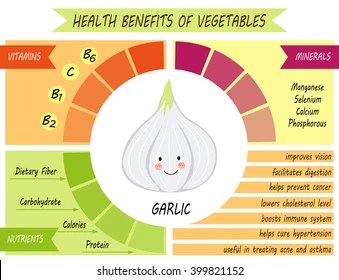
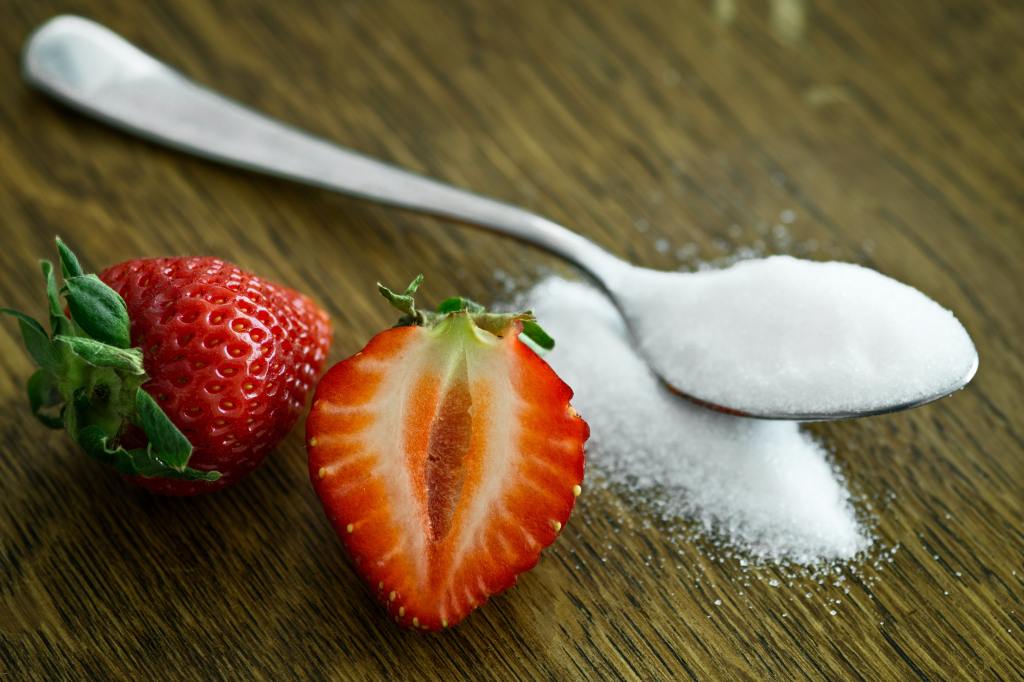
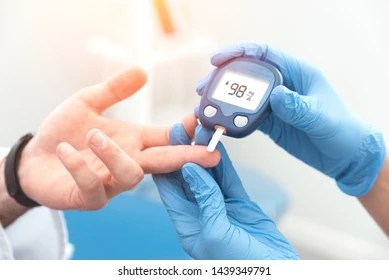
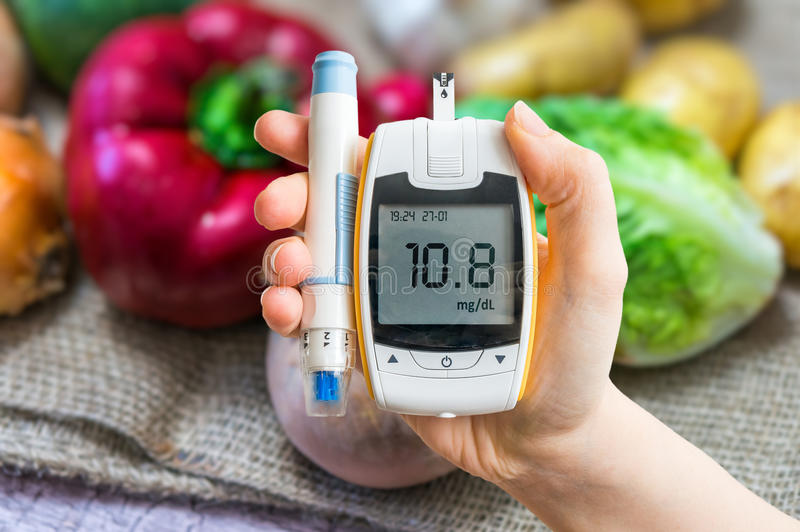


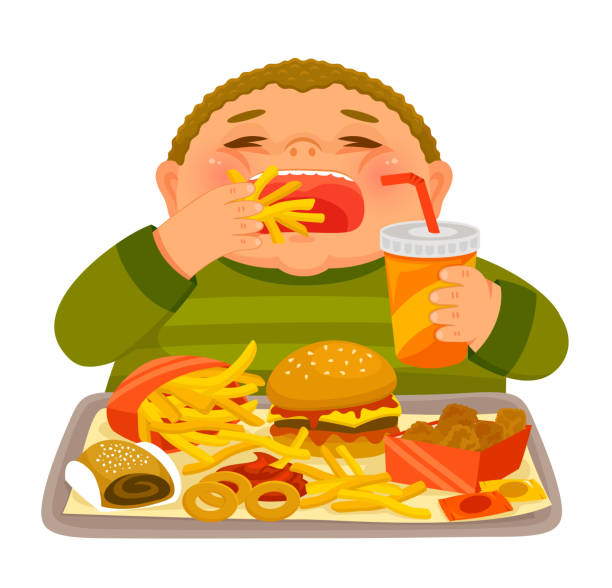







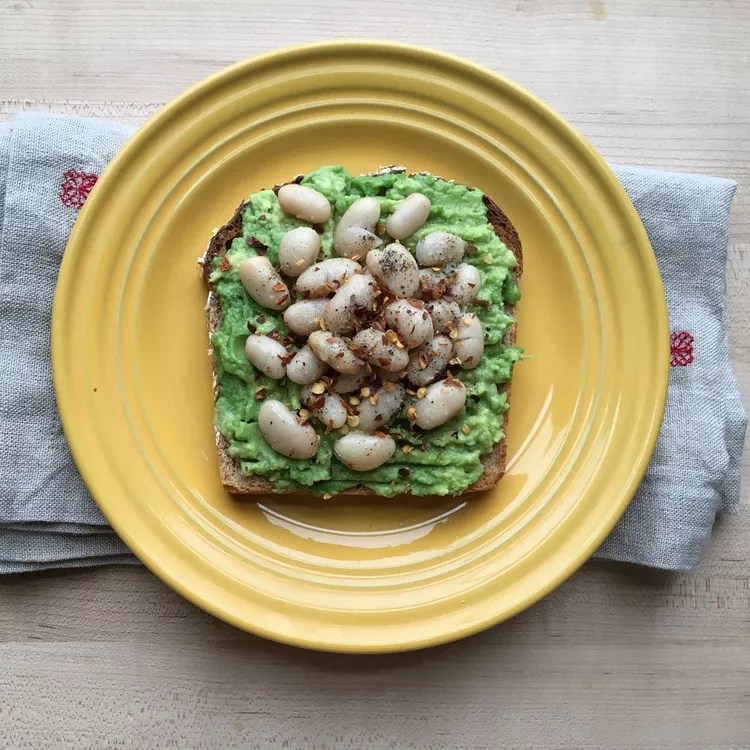
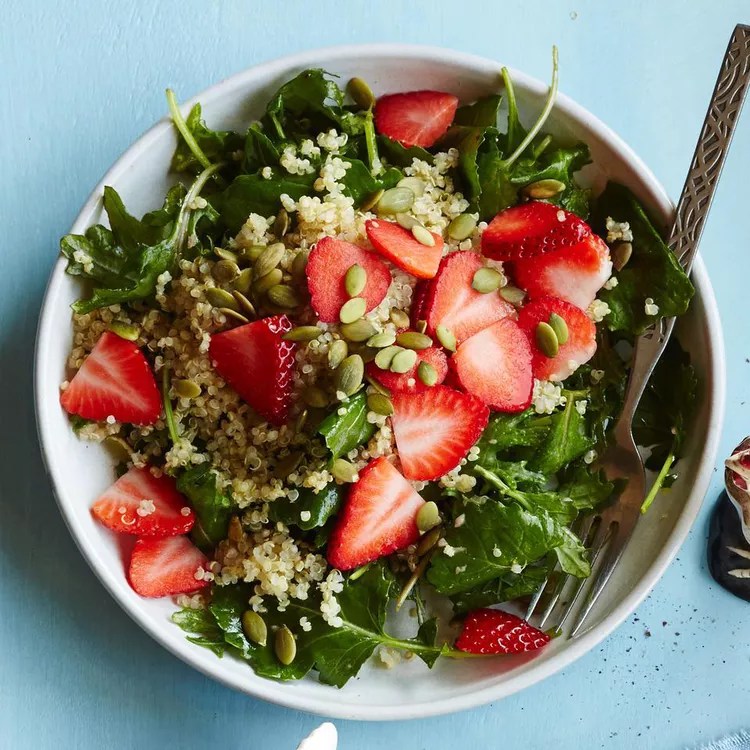


 k's all in one