.working women n housewife roll of all ladies

How do you balance work and home life?


How do you balance work and home

Balancing work and home life is essential for maintaining overall well-being and avoiding burnout. Here are some tips to help you achieve a better work-life balance:



Set clear boundaries:

Establish specific boundaries between your work and personal life. Define dedicated working hours and communicate them to your colleagues or clients. Stick to these boundaries as much as possible to prevent work from encroaching on your personal time.



Prioritize and delegate:

Determine your priorities both at work and home. Identify tasks that are most important and focus your energy on them. Learn to delegate tasks at work and seek support from family members or hire help for household chores whenever possible.



Create a schedule:

Develop a schedule that allows you to allocate time for work, personal commitments, and relaxation. Plan your day or week in advance, including specific blocks of time for work tasks, family activities, exercise, hobbies, and self-care. Be flexible but disciplined in adhering to your schedule.



Practice effective time management:

Optimize your productivity by utilizing time management techniques such as prioritizing tasks, setting deadlines, and minimizing distractions. Avoid multitasking, as it can reduce efficiency and increase stress.



Communicate openly:

Maintain open communication with your colleagues, supervisors, and family members about your commitments and limitations. Clearly express your needs and concerns, negotiate flexible working arrangements if possible, and seek support when necessary.



Take breaks and disconnect:

Allow yourself regular breaks during work hours to recharge and rejuvenate. Additionally, make sure to disconnect from work completely during your personal time. Turn off work-related notifications and resist the urge to constantly check emails or messages.


Nurture self-care:

Dedicate time for self-care activities that promote relaxation, stress reduction, and personal well-being. This can include exercise, meditation, reading, pursuing hobbies, spending quality time with loved ones, or engaging in activities that bring you joy and fulfillment.



Learn to say no:

Be mindful of your commitments and avoid taking on more than you can handle. Learn to say no when necessary to maintain a healthy balance. Prioritize your well-being and avoid overextending yourself.



Seek social support:

Surround yourself with a supportive network of family, friends, or colleagues who understand the importance of work-life balance. Share your challenges, seek advice, and learn from others’ experiences.



Regularly reassess and adjust:

Work-life balance is an ongoing process that may require periodic adjustments. Regularly evaluate how well you’re managing your time and energy and make necessary changes to ensure a healthy balance.

Remember that achieving work-life balance is a personal journey, and it may look different for each individual. Be patient, give yourself grace, and make gradual changes to find a balance that works best for you.

Working woman or House wife?” According to the society, women are equally treated to men. But indoors she is dominated, oppressed and exploited by men. Working women should behold all the duties and responsibilities of her work place and family. She has to adjust their co-workers in all ways. Also she is only secondary to her husband. The effect and sacrifice of a housewife cannot be understood by a money mind husband, because a housewife is not paid for her labour and it is named as sacrifice. She has to alter her family members by cooking their favourite food, washing their clothes, concerning with children and satisfying her husband. So who finds respect .
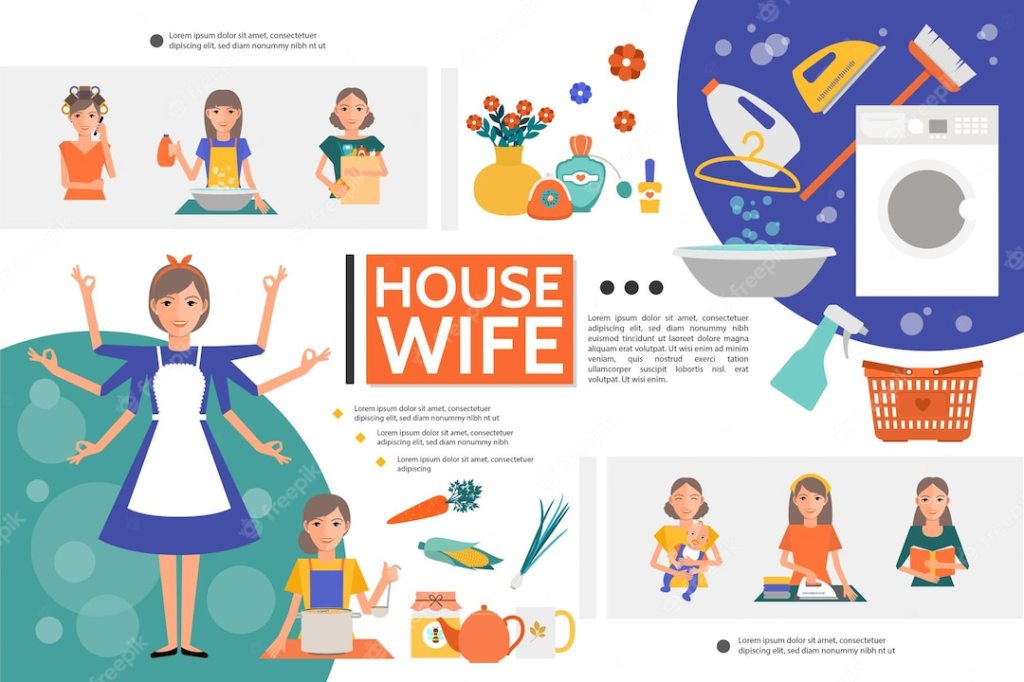
It can be high society job or low society job. That depends upon their education and family back ground. There are some women who are not interested in working. They love to be a house wife, looking after their children, doing household requirements and taking care of elders. Now our discussion is about, who is acquiring respect in the society? Either house wife or working woman?


When females went to college, recommenced courses included interior decoration and family finance. Many women applied for jobs, and did not care what society thought. Society had strong thoughts to share though, and working women received plenty of criticism. They were putting time into their work and spending less time at home. Many critics said this wrecked the relationship between a parent and her child. Over all, the working woman faced many difficulties in the 1950s.
Today, life is different, yet it is easy to see that some values we share today are still in place from the 1950s. Starting all they way from childhood, the person who does most of the housework leads into modern day. As a child, girls do more housework than boys. Males also get more money, as 66% of boys get allowances, while only 59% of girls get their allowance. Boys who have with sisters are 13.5% more likely to believe in traditional female roles. When grown up, we can see the effects of this. Women spend 3 hours more cleaning a week, and we can see this in the fact that 50% of women come home and do housework. Only 20% of men do the same. Although it might be insignificant, we can see the skewed standards. These standards have not yet changed since the fifties.



The idea of housework seems minuscule, compared to a real job. A career seems better, considering that science has proven that females are smarter. Girls have higher IQs, and at age 7, girls have an average IQ of 101. This has a lead on boys


On the other hand, when both partners share the breadwinner role men are more likely to increase their core housework tasks in companion to men in the ‘new traditional’ and male-breadwinner families. Consequently, many studies found that gender attitudes are still primary indicators of who does housework, thus women still do two-thirds of housework where men do two-thirds of paid work. It is noticed that there have been significant changes for women over the last 6 decades to participate in the labour force, yet there was hardly any change to the division of core household work between men and women.



During the 1950’s- 1960’s men and women followed strict gender roles that complied with society’s expectation at the time. Women played domestic roles in which it was implied they were only useful in the kitchen and taking care of their husbands. Throughout this time period it was more important for women marry a man than it was to attend college and be educated. Some women had college degrees and still chose to be housewives. At the time even secondary schools prepared young girls for this type of role; lessons were given in cookery, household management, darning, sewing and even how to iron a shirt properly. Women were prepared to take on the housewife role both at school and at home; housewives did not have a career so they depended on their husband. Sexism was rampant during this era; the attitude carried over into advertising, which did little to advance gender roles and ran advertisements that implied women were idiots who cared mostly about pleasing their men.


Whether it is the past or the present, there have always been gender roles in society. In most homes, it is the woman’s responsibility to take care of the house. This includes cleaning, meal preparations, raising and taking care of the children as well as the husband. Compared to the men who take care of the more physical activities, such as yard work. It was known throughout many years that it was a woman’s responsibility to stay in the house while the man would go out and look for work to provide money for his family. Although the intensity of gender roles has changed, it still exists.


Women and men are to work side by side in the home. The truth that men are not as capable as women in the home is derived not from the innate incapability, but from the lack of practice. They were never taught to work in the home, as in their youth they were given the chores of the men, and left the housework to their sisters under the firm direction of their mother. As a result of this, they became helpless when it came to housework. This practice has left feminists in a horrified state. The training of young boys and girls starts now.


Once women began working at the beginning of the twentieth century due to the war, gender roles drastically changed within households. The world was used to women spending time on housework versus men so it was an adjustment for everyone. In all actuality, when husbands take on a greater role in the house, it will result in lower divorce rates in the long run. Studies show that although this change


During the 19th century, men and women were expected to occupy different spheres. Men lived a public life, working and socializing. While women, however, were tasked with taking care of the home. Women had been tasked with this job since, practically, the beginning of civilization. Women were expected to manage the cooking, cleaning, and children. Not only was it a lot of men who occupied this notion, but also a plethora of women.

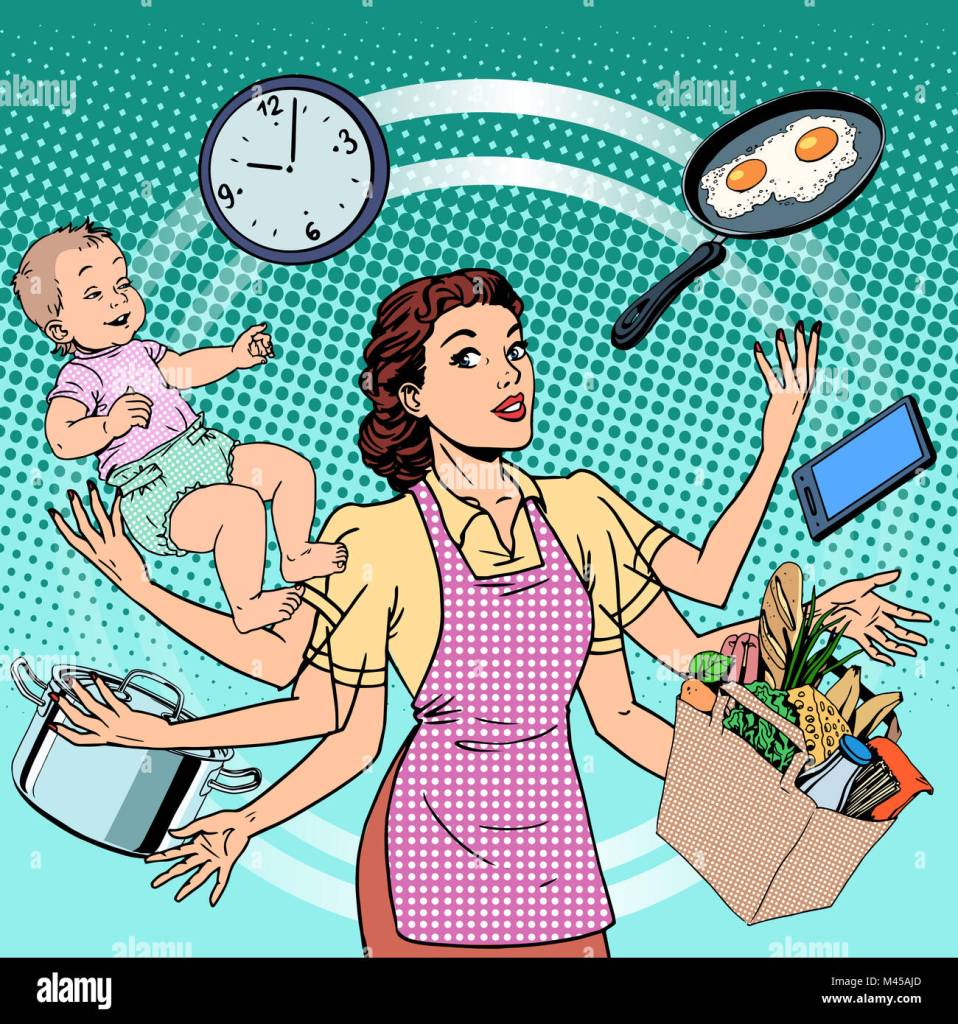


Women for years have been automatically given the role of the domestic housewife, where their only job is to cook, clean, and take care of the children. Men have usually taken the primary responsibility for economic support and contact with the rest of society, while women have traditionally taken the role of providing love, nurturing, emotional support, and maintenance of the home. However, in today’s society women over the age of sixteen work outside of the home, and there are more single parent households that are headed by women than at any other time in the history .
Even though gender roles have changed over time, females and males in the 1950’s as compared to today’s society has changes especially in social expectation. While researching about gender role I learn that females and male have become more equal than in the 1950’s. However in the 1950’s the men was the breadwinner of the house but in today’s society is much different now the women can now be the breadwinner of the house hold. Now the men have a choice to work or not to work they can stay at home and watch the children while the women is working outside.



Before, women were considered housewives who were in charge of taking care of children and cleaning the house while their husbands worked jobs to sustain their families. As years passed, many things have changed throughout society, including the responsibilities of both men and women. Today, women work and provide for their own family as much as men do. Throughout the years, many roles have changed, but one issue remains which is that most men do not consider house cleaning as a mandatory task. Gross believes that men lack the emotional and physical drive to do a “woman’s job”. Although today more men are contributing to their home chores, there are still many men who leave this to their wives or any woman in general. Men cook and watch for their children, but they do not bother with house cleaning. Most men feel like a clean house is not needed to have a healthy, safe environment for the family, which Gross does not agree with.
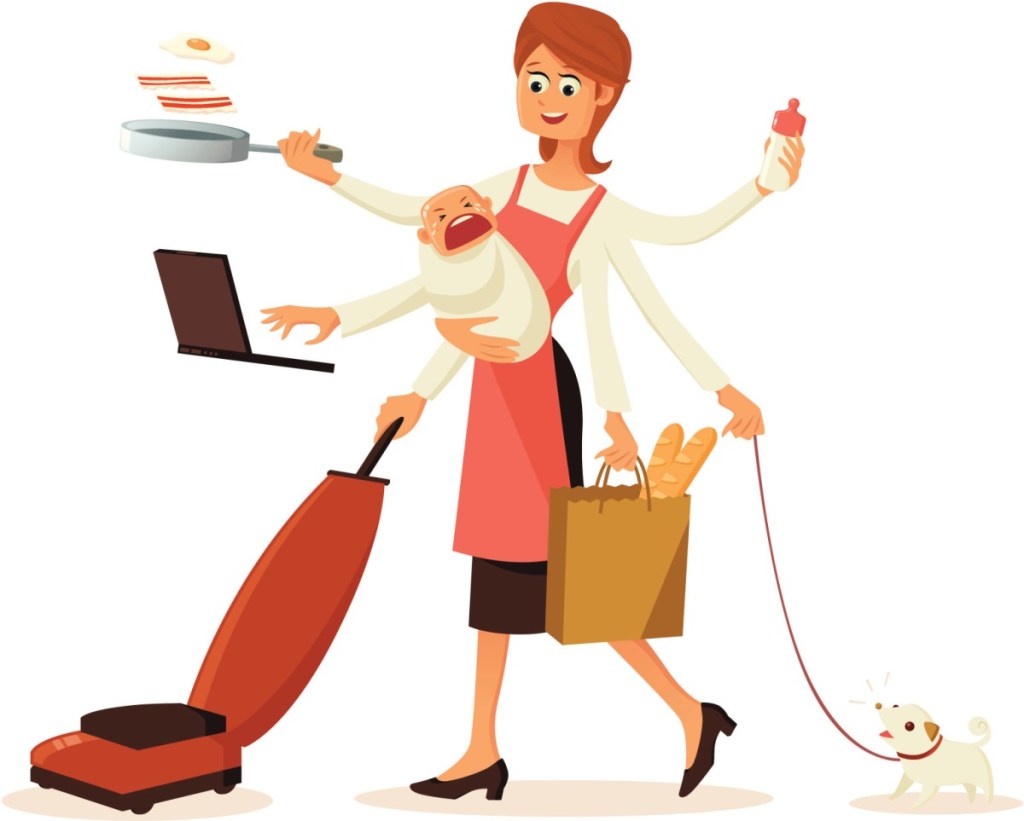

Feminization of work is an idea which lives up to expectations towards more noteworthy vocation of women and the point is to illuminate the issues concerning sex disparities in the work power. It points towards explaining the issues of sexual contrasts and killing imbalance in administrations.

Since the beginning of time, women have always been responsible for housework, such as bearing and caring for children, cleaning and maintaining the house, preparing the food, and generally staying within the four walls that her husband has provided her; however, education threatens this sound way of life.

Even though gender roles have changed over time, females and males in the 1950’s as compared to today’s society has changes especially in social expectation. While researching about gender role I learn that females and male have become more equal than in the 1950’s. However in the 1950’s the men was the breadwinner of the house but in today’s society is much different now the women can now be the breadwinner of the house hold. Now the men have a choice to work or not to work they can stay at home and watch the children while the women is
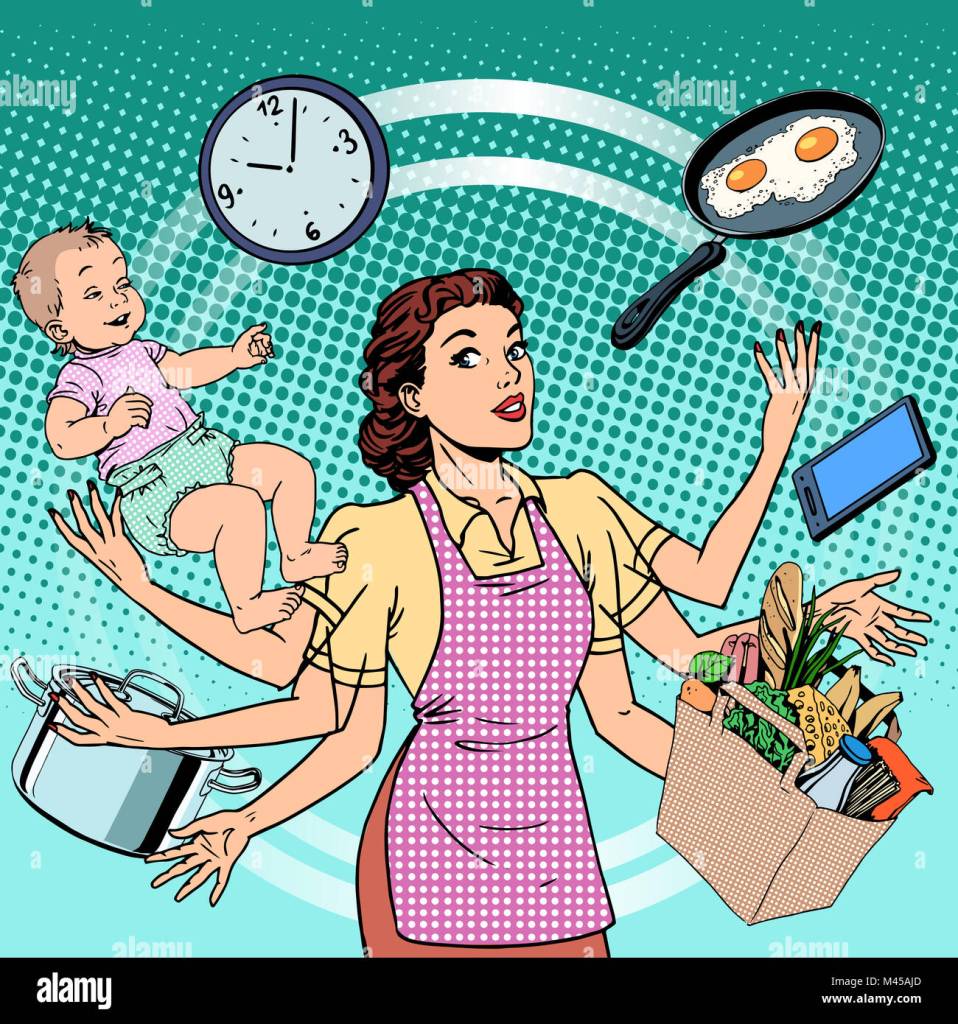


Before, women were considered housewives who were in charge of taking care of children and cleaning the house while their husbands worked jobs to sustain their families. As years passed, many things have changed throughout society, including the responsibilities of both men and women. Today, women work and provide for their own family as much as men do. Throughout the years, many roles have changed, but one issue remains which is that most men do not consider house cleaning as a mandatory task. Gross believes that men lack the emotional and physical drive to do a “woman’s job”. Although today more men are contributing to their home chores, there are still many men who leave this to their wives or any woman in general. Men cook and watch for their children, but they do not bother with house cleaning. Most men feel like a clean house is not needed to have a healthy, safe environment for the family, which Gross does not agree with.

Feminization of work is an idea which lives up to expectations towards more noteworthy vocation of women and the point is to illuminate the issues concerning sex disparities in the work power. It points towards explaining the issues of sexual contrasts and killing imbalance in administrations.

Since the beginning of time, women have always been responsible for housework, such as bearing and caring for childe and maintaining the house, preparing the food, and generally staying within the four walls that her husband has provided her; however, education threatens this sound way of life.


marriage ?

What sacrifices have you made in life?

Emotional Sacrifice for Parents

User

Sacrifice marriage for parents ..but i m so happy 😊 in my life 🧬

Making the decision to sacrifice marriage for the sake of one’s parents can be a deeply emotional and personal choice. It involves considering the desires and well-being of both oneself and one’s parents, as well as navigating the complexities of family dynamics and cultural expectations. Here are some emotional aspects that individuals may experience when faced with such a decision:

  1. Love and Loyalty: The decision to sacrifice marriage often stems from a deep sense of love and loyalty towards one’s parents. This love can be a powerful motivator, as individuals may feel a strong sense of responsibility to honor and prioritize their parents’ wishes and happiness.
  2. Emotional Conflict: Choosing between one’s own desires for marriage and the wishes of one’s parents can create a significant internal conflict. It can be emotionally challenging to reconcile one’s personal aspirations and the sacrifices that need to be made to maintain family harmony.
  3. Guilt and Obligation: Individuals may experience feelings of guilt and obligation when contemplating sacrificing their own marital happiness. They might struggle with guilt for potentially disappointing their parents or for prioritizing their own needs over their family’s expectations.
  4. Grief and Loss: Sacrificing marriage can also lead to a sense of grief and loss for the individual. They might mourn the missed opportunity to experience companionship, start a family, or pursue personal goals that marriage could have provided.
  5. Cultural and Social Pressure: Cultural and societal expectations can exert significant pressure on individuals to conform to traditional family values. These pressures can intensify the emotional turmoil, as individuals may fear judgment, criticism, or exclusion from their community for deviating from established norms.
  6. Longing for Independence: While individuals may be willing to sacrifice their own marital dreams for their parents, they might also experience a deep longing for personal independence and autonomy. This longing can generate feelings of frustration, longing, and a desire to make decisions based on their own needs and desires.
  7. Hope for Parental Happiness: Despite the emotional challenges, individuals may find solace and motivation in the hope of bringing happiness to their parents. Seeing their parents’ contentment and gratitude for the sacrifice made can provide a sense of fulfillment and purpose.

Marriage is not important if you are not getting into. But, it is very important if you get into, it will be unfortunate if you get into and not take it so.

Marriage is an institution, it is primarily run by two people who come together to build that institution, but it involves lot more people, family and friends from both the side, and it can have many other contexts and visions depending on how the institution is visioned and built by these two leaders.

You will not succeed in marriage if you are not matured in inter-dependent skills and aptitudes. As Stephen Covey said in his book, life matures from dependence to independence to interdependence.

Fiercely independent people should not get into marriage with no proper clarity or alignment, else they could ruin the marriage and hurt self and the partner. The institution while coming down could hurt or could still hurt while not coming down, but the rubble falling on the head on a daily basis

Many people with dependent mindset could succeed in marriage if the other partner is interdependent and accommodates around the partner.

Two independent partners can still succeed in marriage, if they can align on an interdependent vision, agenda and strategy. They can still leverage their independence and nurture the institution further through the evolving interdependence.

Bottom line, one will struggle to succeed through marriage with no clarity as to why getting to marriage and no vision as to what needs to be built or created out of it. Even in such case, the hope could be other partner who has the stamina to survive and charisma to inspire, heal, educate and mend the struggling partner.

As long you will not cry and no one else will cry because you are not getting married, there is no issue here. Even if some one cries, you may be able manage them for yourself and themselves without having to get married.

So, it is not end of the road, if some one stays unmarried!

But it does not also mean that no one should get married!

Life is built on the meanings we choose, a marriage is a possibility if there is a room for marriage in the meanings of both the partners, and both the partners need to work both before and after marriage continually to keep these meanings alive and evolve them, mend them, synergise them towards more powerful institutional vision and meaning for the marriage to thrive and be fruitful beyond original aspirations in the long run!

Marriage could be an excellent laboratory for an individual to seek mastery in synergy between the individual and institution aspect of our social life! But, if one opts out this avenue, still there are many avenues for one to seek such mastery.

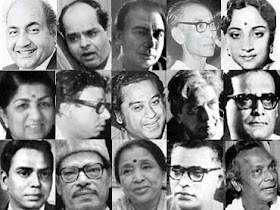
Bhule bisare sada bahar geeto ke yaade 🎹🎙️

Salute of this all legend who makes our life eazy with precious song .

What’s the oldest things you’re wearing today?

हिंदी पुराने गानों का महत्व


Importance of hindi old songs

Hindi old songs hold significant importance in Indian culture and the world of music. Here are some reasons why they are considered important:

Cultural Heritage:

Hindi old songs reflect the rich cultural heritage of India. They represent different eras and capture the essence of the time they were created in. These songs often carry nostalgic value and provide a connection to the past, preserving cultural traditions and sentiments.

Musical Excellence:

Hindi old songs are known for their musical brilliance. They were composed by legendary musicians and lyricists who contributed immensely to the field of music. The melodies, arrangements, and lyrical depth of these songs are highly regarded and appreciated by music enthusiasts even today.

Timeless Appeal:

Many Hindi old songs have stood the test of time and continue to be loved by generations. Their universal themes and emotional resonance make them relatable across different periods and cultures. These songs evoke a sense of nostalgia and have an enduring charm that transcends generations.

Social Commentary:

Hindi old songs often served as a medium to convey social messages and comment on societal issues. They addressed topics such as love, patriotism, social inequalities, and cultural values. These songs acted as a voice for the people, providing a platform to express their emotions and thoughts.

Influence on Contemporary Music:

Hindi old songs have had a profound impact on contemporary music. They have inspired and influenced many artists and composers, shaping the evolution of Indian music over the years. Elements from these songs can be found in modern compositions, indicating their lasting influence.

Emotional Connection:

Hindi old songs have the power to evoke strong emotions and create a deep emotional connection with the listeners. They have the ability to transport individuals to a different time and place, triggering memories and emotions associated with the songs.

Legacy and Iconic Performances:

Hindi old songs are often associated with legendary singers and actors who left a lasting legacy in the world of entertainment. These songs became iconic due to the memorable performances by artists who brought them to life. The contributions of renowned playback singers, such as Lata Mangeshkar, Kishore Kumar, and Mohammed Rafi, are cherished and celebrated.
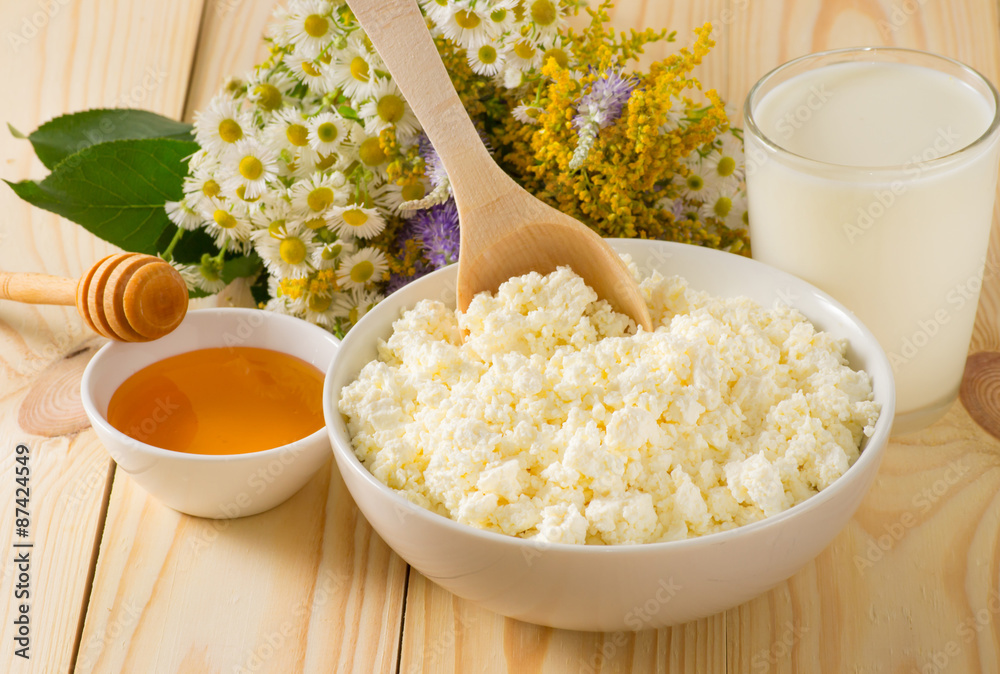
Overall, Hindi old songs are significant as they represent a cultural treasure, showcase musical excellence, convey social messages, and have a lasting impact on both Indian and global music landscapes. They continue to be celebrated, enjoyed, and appreciated by music enthusiasts of all ages.

🙎Creative leader curious follower 🤔

Are you a leader or a follower?

“I like to think of myself as both a good leader and follower. I approach each situation differently, and I respond to what it needs from me. I enjoy leading projects that relate to my strengths, but I’m also happy to follow the lead of others who may be a better fit.


Both positions are equally important, require responsibility, and interact with each other: the leader must help his followers grow, whereas the followers must contribute to the success of their leader.

“Leadership is about collaboration and inspiring others to do their best work. I aim to be direct and collaborate with my team members by delegating tasks, leading by example, and making sure they know I care.”

Followers focus on what they can achieve individually. Leaders are team players, because they know that greatness is a collective feat. A leader is only as good as what he or she can achieve through other people. “A leader is only as good as what he or she can achieve through other people.”

Exemplary followers rank high in both active engagement and independent critical thinking. Exemplary followers think for themselves and are therefore willing to challenge leaders by providing alternative solutions if they disagree with the leader

“I consider myself to be a natural leader. I enjoy helping others learn new things, and, as a manager, it’s very satisfying to me to help my team develop their skills. However, I also strive to listen to the concerns and opinions of my team. I make it a priority to ensure they know how much I value their opinion.

🧄Spices to Boost Your Weight Loss Journey#2#🧄

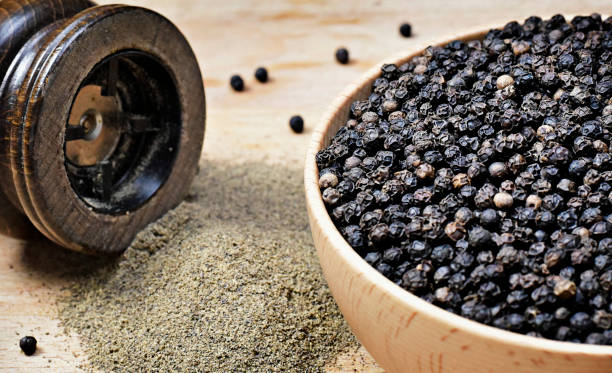
Black Pepper

Black pepper is capable of a lot more than merely flavouring your meal. For example, piperine, a chemical found in black pepper, improves metabolic function and reduces fat storage in the body. As a result, you can effectively prevent obesity with black pepper dishes like black pepper tea. 

Black pepper additionally aids the body’s ineffective absorption of the nutrients. It is known as dietary bioavailability. In addition, it aids in boosting immunity and prevents infections. If mixed with other fat-burning ingredients, black pepper can burn an equivalent amount of calories as a 20-minute walk. It also prevents the formation of new fat cells.

7. Garlic

Along with its strong flavour, this spice also possesses fat-burning effects. Garlic burns the body fat by increasing the overall body temperature.

Garlic is essential for increasing energy levels, which helps you burn calories and stay in shape. It actively increases the metabolic rate and helps the body lose weight more effectively. In addition, garlic is well-known for its appetite-suppressing properties. It keeps you full for long, reducing your chances of overeating.

It’s a fantastic detoxifier. It aids in the removal of toxins that severely damages the digestive system. Garlic also provides several other health benefits, including lowered blood pressure, reduced inflammation, and prevented heart disease and osteoarthritis. Therefore, you should include garlic in your regular diet.

8. Turmeric

Turmeric is a well-known immunity-boosting plant that can also aid weight loss. In addition, it bears several fat-burning qualities. It aids in digestion and is a powerful fat-burning agent. It also contains a chemical called curcumin, which aids in increasing the body’s metabolic rate simply by increasing core body heat. 

Curcumin reduces inflammatory markers linked to obesity. People who are overweight or obese have higher levels of these indicators. Therefore, this substance can help you lose weight, inhibit fat tissue growth, prevent weight gain, and improve insulin sensitivity. 

Mix turmeric powder to your curry or beverages and enjoy your healthy diet. 

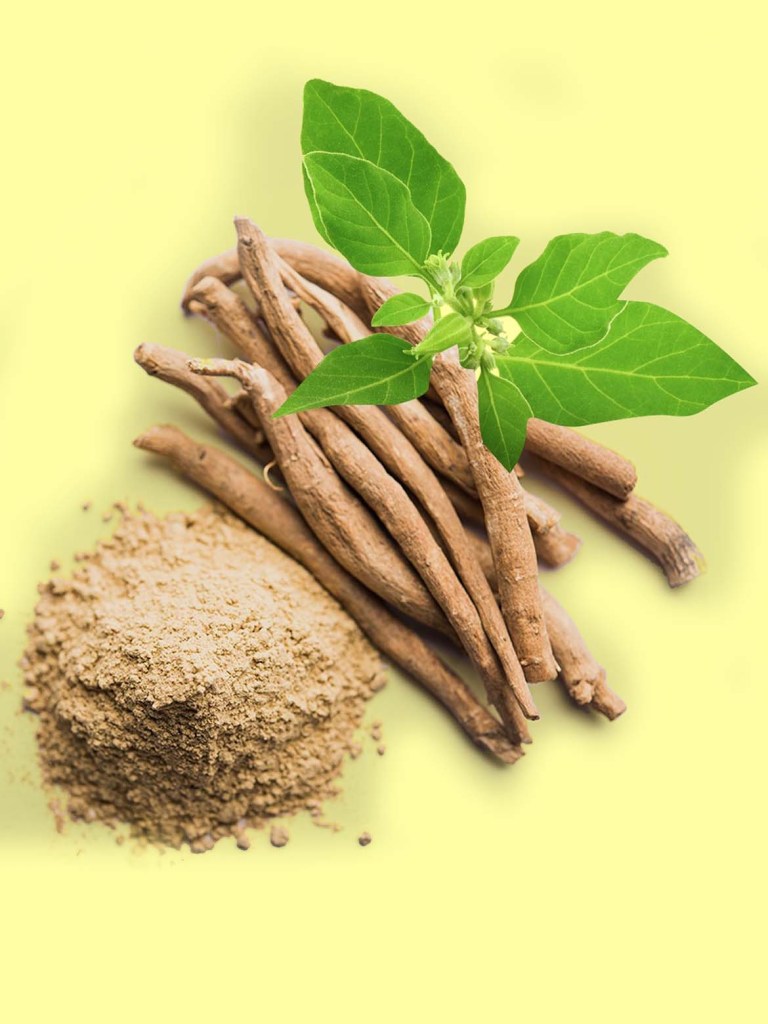
9 Ashwagandha

It is one of the most effective spices for weight reduction. This plant can help to improve digestion and promote metabolism. The herb contains antioxidants, anticonvulsants, and antibacterial qualities.

Ashwagandha aids in reducing stress, one of the leading reasons for weight gain in the present time. Especially for women, various physical issues cause stress to women. Few of these concerns include an irregular menstruation cycle, acne, pimples, and bloating. It directly increases the body’s cortisol level, further leading to stress. Stress and elevated cortisol levels commonly contribute to weight gain. Ashwagandha relieves anxiety and reduces the adverse effects of cortisol on the body and overall health. It suppresses your hunger and, as a result, aids in weight loss.

Ashwagandha is high in antioxidants, necessary for weight loss and general health. They boost the metabolic rate, reduce inflammation, and aid in burning fat accumulated in the body.

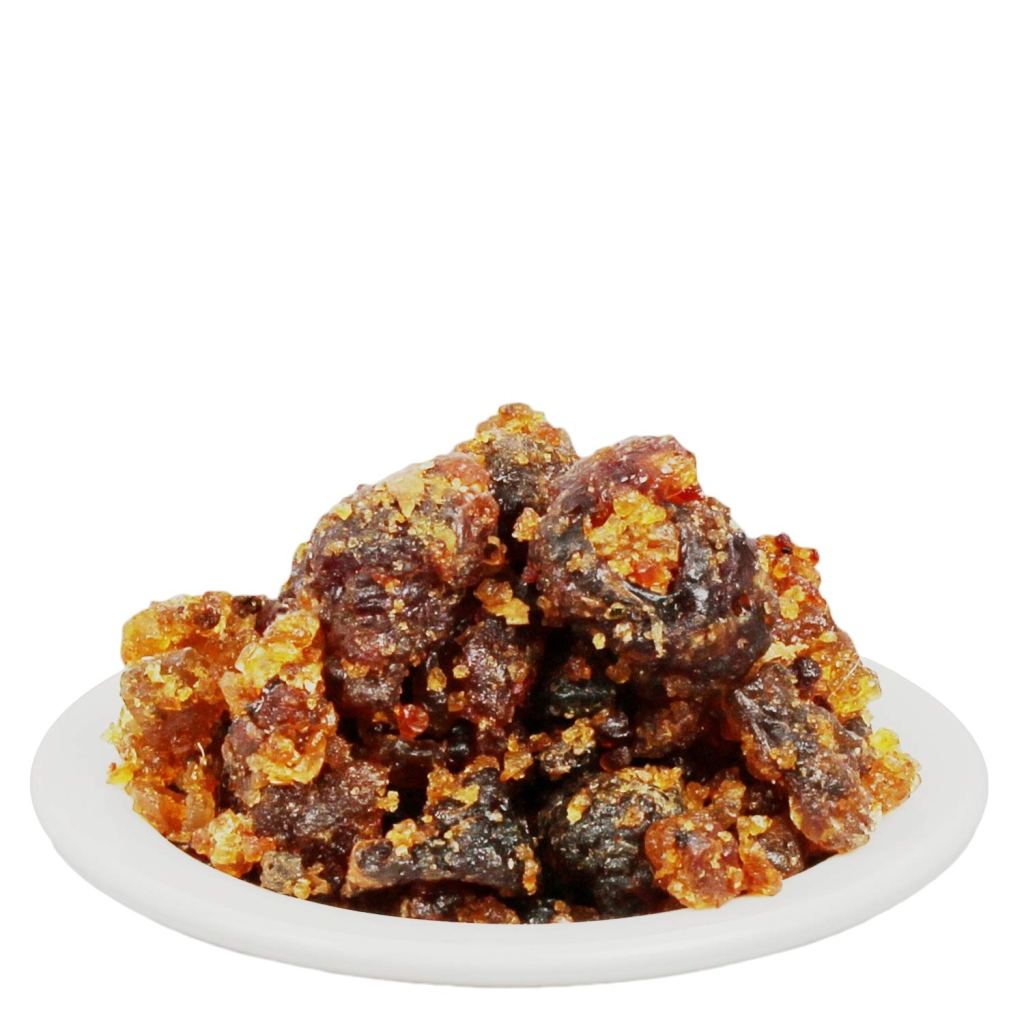
10. Guggul

Guggul is a herb extracted from the resin of the Commiphora Mukul tree. As per a study, guggul can help with weight loss and improve thyroid function. Furthermore, combining a guggulsterone phosphate supplement with regular exercise results in a considerable reduction in the body’s fat mass.

High cholesterol is commonly treated and controlled with this Ayurvedic herb. In addition, ayurvedic remedies are famous for helping people lose weight and live healthier lifestyles.

Guggul includes plant steroids known as guggulsterone that help lower cholesterol and triglycerides. Research suggests that guggulsterone help improve thyroid health, which means they aid the body’s natural ability to control metabolism. The thyroid’s primary function is to regulate your metabolism.

Metabolism refers to how your body converts food into energy that it can use to function. The thyroid produces T4 and T3 hormones to regulate metabolism. These hormones are responsible for informing the body’s cells about how much energy they should consume. Lack of proper release of these hormones results in storing all the nutrients in fat. As a result, it further contributes to weight gain

🧄Spices to Boost Your Weight Loss Journey#1 #🧄

Spices form an integral part of Indian cuisines. People add them to main course meals like curry and biryani, desserts and beverages. Even cuisines prepared outside India contain spices in abundance. Historically, spices brought traders from across the globe to India centuries ago. Spices serve a variety of purposes apart from flavour and taste. For example, turmeric is renowned for its antibacterial and therapeutic effects. Many spices can also help you lose weight by suppressing your appetite and burning more calories due to their nutritional properties

Nutritional Advantages of Spices
Spices have intense flavours but don’t make a significant contribution to the calories in our diet. It is because we use them in relatively small amounts. However, some spices contain large protein, fats, and carbs. Paprika, for example, includes a lot of vitamin A. Spices include significant amounts of iron, minerals, magnesium, and calcium. In addition, most spices have antioxidant effects and contain phenolic components like flavonoids, which improve the body’s absorption of nutrients.

Spices that Help in Weight Loss
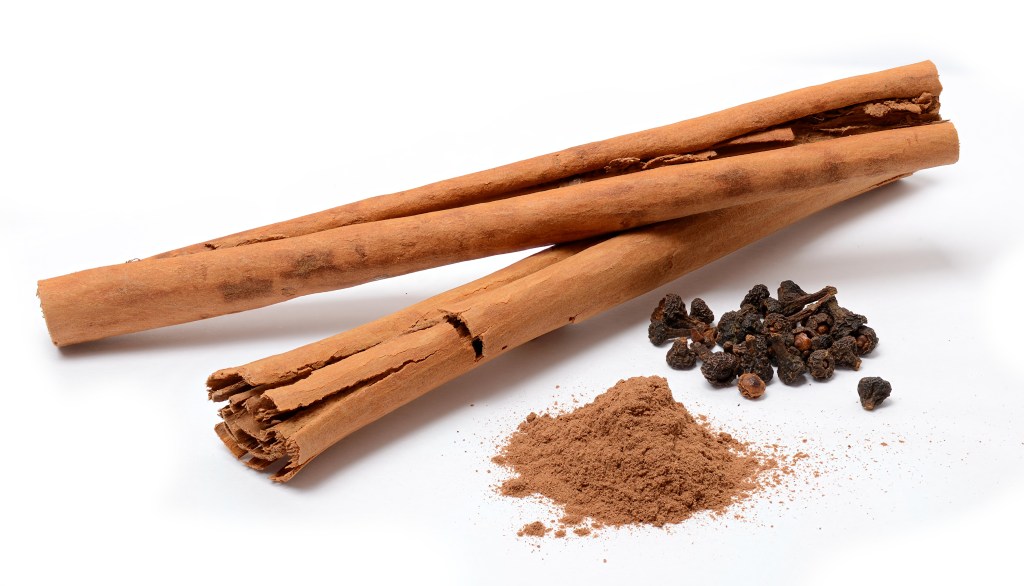
1. Cinnamon
Cinnamon has several antioxidants and anti-inflammatory compounds. The most well-known property of cinnamon is its ability to aid weight loss. Cinnamon has a natural appetite suppressant effect. Additionally, it speeds up your metabolism. It acts as an insulin stimulant and allows sugar metabolization more efficiently. One of the major causes of excess body weight is insulin resistance. It does not indicate that the person has diabetes; rather, it indicates un-metabolized insulin. The sugar in the body turns into fat if not absorbed through its metabolism. Cinnamon aids in breaking down and metabolising sugar. As a result, it helps lose weight.

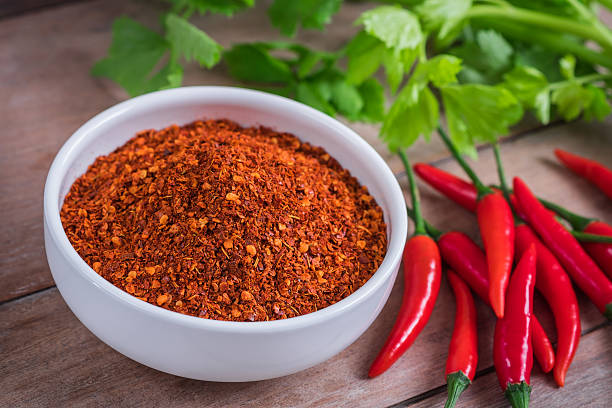
2. Cayenne Pepper
This blazing hot spice gets easily digested by the stomach and decreases hunger. The active element in cayenne pepper helps to reduce bad cholesterol resulting in improved heart health. In addition, the capsaicin in peppers contains thermogenic properties that help in burning fat.

According to one study, adding 1 gram of cayenne pepper to a meal can raise core body temperature significantly. As a result, your body will burn more calories. In addition, it speeds up the metabolic process. The rate of food transformation by the body and liquids into energy is determined by metabolic rate. Therefore, the body turns nutrients into energy rather than stored fat when your metabolic rate increases.

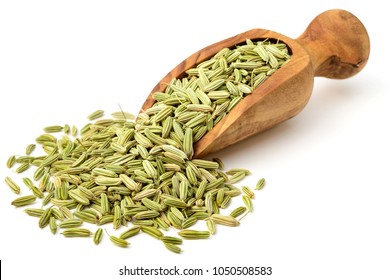
3. Fennel
Fennel, commonly known as Saunf, is a natural diuretic and appetite suppressant. It is high in vitamins A, C, and D. It offers several antioxidant characteristics that aid digestive health. Improved digestion naturally results in a healthy digestive system and leads to weight loss.

Fennel is high in fibre, which keeps you feeling fuller for longer. As a result, it reduces cravings and overeating, leading to low-calorie consumption. It ultimately aids in weight loss. Fennel prevents fat accumulation by promoting increased vitamin and mineral absorption. Since Saunf contains diuretic characteristics, consuming fennel tea can help remove toxins from the body, resulting in weight loss.

The seeds of fennel are essential for boosting metabolism. A healthy metabolic rate leads to a healthy and maintained weight. The key to healthily losing weight is to have a healthy metabolism. Fennel seeds contain volatile oils such as estragole, fenchone, and anethole. They aid digestion by increasing the formation of gastric juices. The key to losing weight in a healthy approach is to have a healthy digestive system.


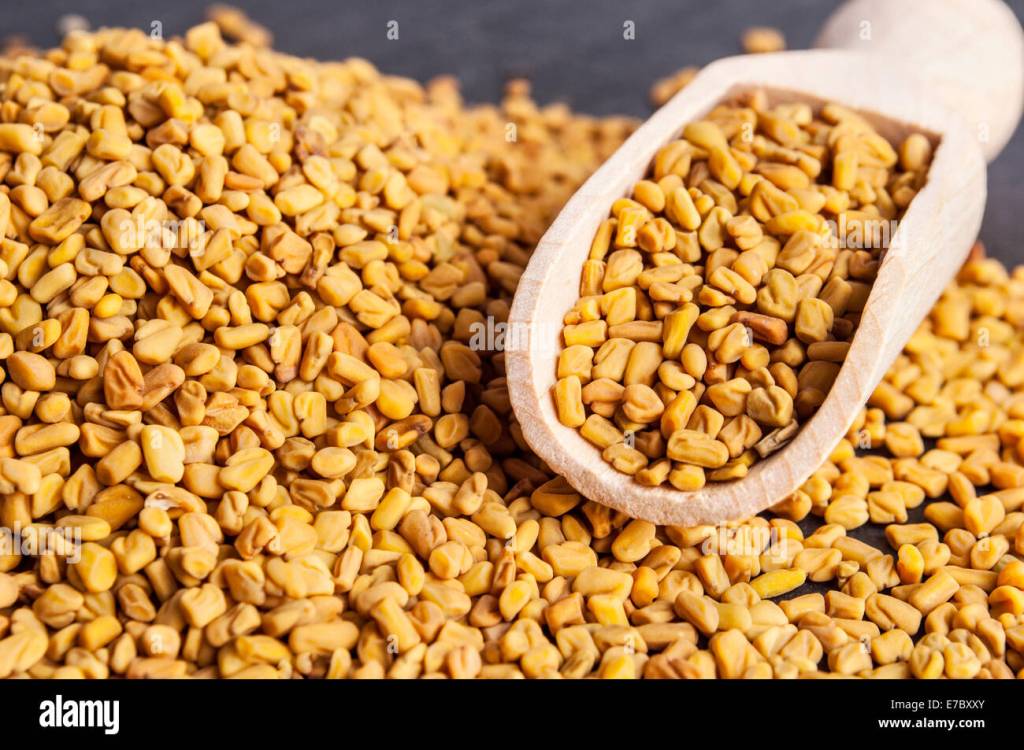
4. Fenugreek
Fenugreek contains fibre that aids in the suppression of food cravings. Fibre also makes you feel full and prevents you from overeating. In addition, the mucilaginous fibre in the fenugreek seeds relaxes and shields the digestive system from damage caused by free radicals. As a result, it improves digestion and food absorption.

Fenugreek seeds have a significant level of insoluble fibre, which is essential for proper digestion and aids in the elimination of toxins. Additionally, galactomannan is a water-soluble heteropolysaccharide in fenugreek seeds. It improves weight loss by lowering fat accumulation.

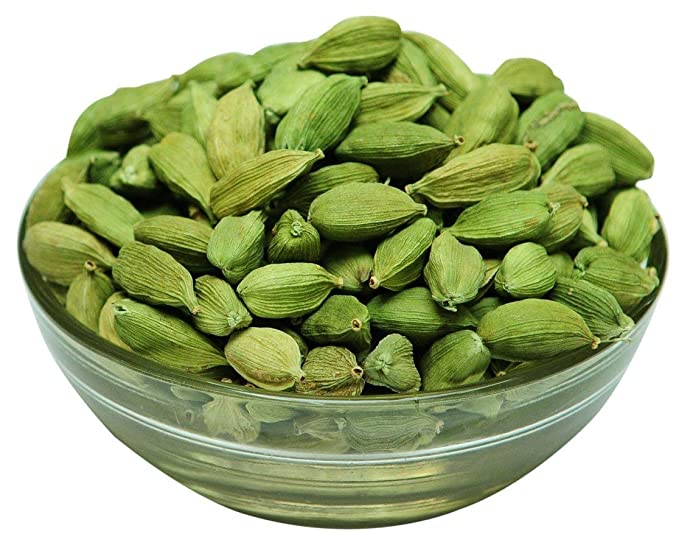
Cardamom
Cardamom is a diuretic and digestive stimulant that boosts metabolism and burns fat more effectively. So a spoonful of this fragrant spice can help you lose a few pounds.

Cardamom promotes weight loss by preventing indigestion, constipation, and water retention. It contains active chemicals that combat bacteria and balance intestinal flora. It also allows proper digestion. Additionally, it contains melatonin that speeds up the body’s fat-burning mechanism. It also aids in the expulsion of excess water from the body, retained as urine.

The majority of fat collected near the belly in many people increases the risk for various health concerns. Cardamom water aids in the reduction of belly fat-storage by reducing the bulge in that region. You can mix a few pods into your tea or eat them to get the optimum results.

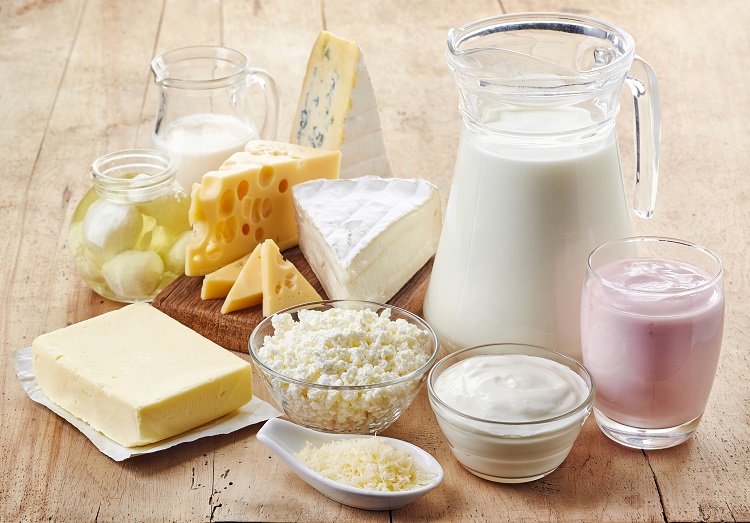
🥛Best dairy products for weight loss🥛

Dairy contains good nutrients and, with its protein and fat content, can contribute to satiety—that feeling of fullness that lasts a while. If you eat dairy in moderation and consume mostly low-fat dairy, you can enjoy it while also watching your waistline.

Here are some of the best dairy products to help promote weight loss.

🏵️Regular yogurt🏵️🧃
Yogurt helps turn up your body’s fat burn. Both low-fat and regular-fat yogurts contain probiotics. That’s the friendly bacteria that may help reduce how much fat your body absorbs. Cells containing calcium also burn off more fat than those that don’t have it. This yogurt-containing orange creamsicle smoothie is the perfect choice for breakfast, dessert or snack time.


🏵️Greek yogurt🏵️🥡
Delicious and creamy Greek yogurt increases levels of hormones that promote fullness. It’s made by removing whey and other liquids, creating a creamier and richer yogurt. Regular yogurt, especially flavored varieties, contain hidden sugar and additives. Plain Greek yogurt boasts plenty of protein. (Just be sure to opt for ones with little to no sugar.) Its tangy flavor goes well with nuts or berries, which also increases its mineral, fiber and vitamin content. Or, use it as a substitute for sour cream in sauces and dips. It’s made by removing whey and other liquids, creating a creamier and richer yogurt. This green smoothie will replenish nutrients and works for breakfast, lunch or a post-workout snack. The healthy fats and protein in the avocado and yogurt will keep you feeling full for hours.


🏵️Cottage cheese🏵️🧈
You may think you have to give up cheese to lose weight. However, studies suggest that the calcium in cheese can help ward off fat. It prevents cellular changes in your body that cause fat stores. A study in Appetite found that cottage cheese’s filling effects are similar to those from eggs. Cottage cheese is an excellent source of protein and low in calories, too. It’s packed with nutrients like B vitamins, calcium, phosphorus and selenium. Even better is that it’s a great no-cook way to get some energy. It’s usually high in salt though, which isn’t good for your health and can make you thirstier. Seek low-sodium options. Looking for a low-fat snack? Try this Sweet Cottage Cheese recipe. Or whip up this Whole-Wheat Vegetable Lasagna. Veggie lovers will enjoy the fact that it has plenty of vitamins, protein and other nutrients thanks to its mixture of vegetables and cheeses.


🏵️Low-fat chocolate milk🏵️🥛🥫
Your childhood beverage of choice may do your waistline some good after a hard and long workout. A report found that chocolate milk is a great post-exercise recovery drink. It contains twice as much protein and carbs compared to regular milk or popular sports drinks. The combination of carbohydrates, protein and electrolytes in the milk helps your muscles recover faster. Because chocolate milk is high in sugar, stick with unsweetened milk at other times.

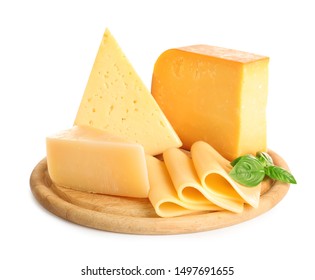
🏵️Portioned cheese spreads🏵️🧈🧀
A thin slice here, a thick slice there. It can be difficult to control how much cheese we’re eating. Portioned cheese snacks like spreadable wedges eliminate that portion control guesswork. Just don’t overdo it on the crackers.

Here are 20 dairy products that can aid in weight loss:


3. Skim Milk: Provides calcium and protein without the added calories and fat.


4. Plain Yogurt: A healthy snack that can be topped with fruits or nuts.


5. Kefir: A fermented dairy product that aids digestion and boosts metabolism.


6. Low-Fat Cheese: Rich in protein and calcium, opt for low-fat versions to reduce calorie intake.


7. Ricotta Cheese: Low in fat and calories, it can be used in both sweet and savory dishes.


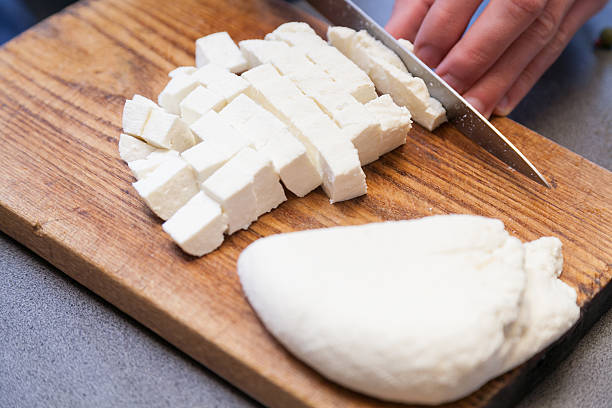
8. Feta Cheese: Adds flavor to salads and dishes with a lower calorie count compared to other cheeses.


9. String Cheese: Convenient for on-the-go snacking, it is portion-controlled and high in protein.


10. Quark: High in protein and low in fat, this soft cheese is a good choice for weight loss.


11. Buttermilk: Low in fat, it helps in satisfying thirst and aids digestion.


12. Low-Fat Sour Cream: Use as a healthier alternative to regular sour cream in recipes.


13. Low-Fat Ricotta: A suitable substitution in recipes that call for full-fat ricotta.


14. Fat-Free Cream Cheese: A lighter option for spreads and dips.


15. Low-Fat Milk: Provides essential nutrients with fewer calories.


16. Whey Protein Powder: Can be used in smoothies or as a post-workout recovery drink.


17. Reduced-Fat Ice Cream: Moderation is key, but opting for reduced-fat versions can help satisfy cravings.


19. Low-Fat Yogurt Drinks: A convenient way to get probiotics and nutrients on the go.


20. Light Whipped Cream: With fewer calories and fat than regular whipped cream, it can be enjoyed as a topping in moderation.


Remember, portion control is crucial when incorporating dairy products into a weight loss plan, and it’s important to consider your overall calorie intake and dietary needs.

Design a site like this with WordPress.com
Get started