* Why do warts appear on the body? Its Causes Types of Warts and Homeopathic Treatment…..*
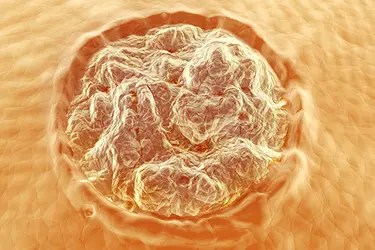
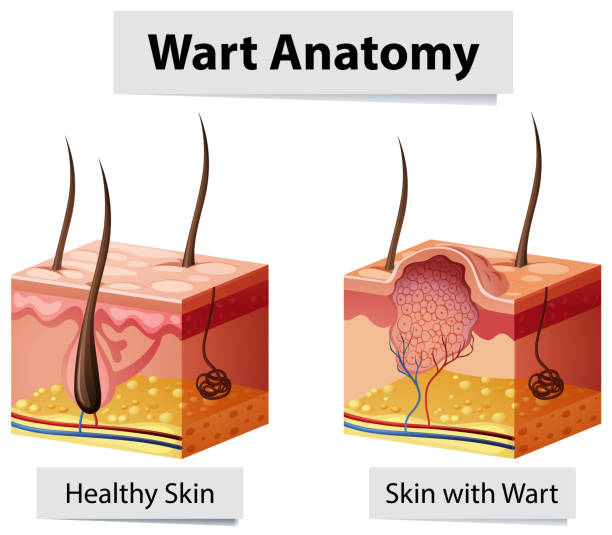
*What is a wart…?* Many people suffer from warts. Human papillomavirus is the cause of warts on the skin. Human papilloma virus is also known as HPV virus. Warts are called *warts*. Warts are not very dangerous for the body. But having warts on the body can have some effect on the beauty of the skin.
*Causes of warts…* Human papilloma virus (HPV virus) causes warts. Habits like picking at a wart on the body with the fingernails can lead to discharge from the wart to other parts of the body. Due to the virus, warts spread to other parts of the body. This is how warts appear on the body. For this, if you have a wart, you should avoid scratching it with your nails.
Also, warts can be spread from one person to another. For this, avoid using each other’s razors, underwear, towels, clothes, soap, combs etc.
*Types of warts…* There are four main types of warts. Each type of wart occurs on a different part of the body and also has a different appearance.
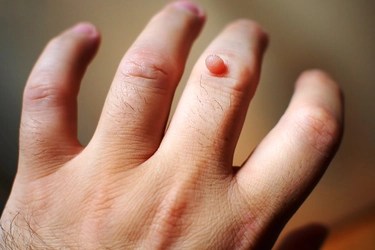
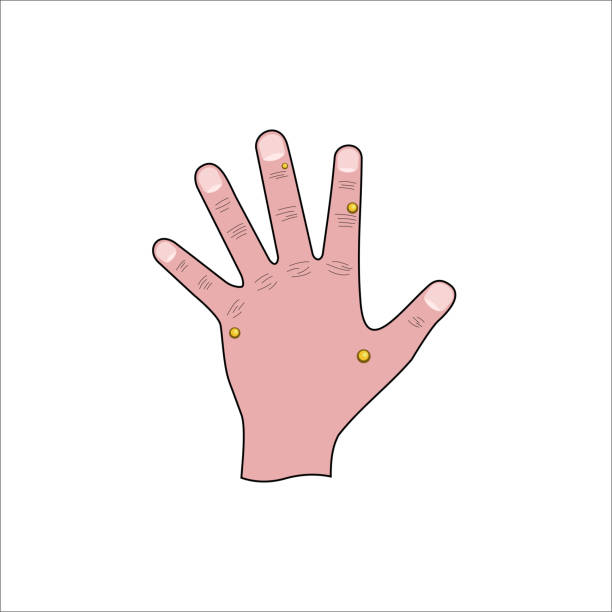
*1) Common warts…* These types of warts can occur anywhere on the body but are more common on the fingers.
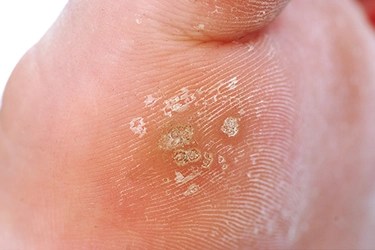
*2) Plantar warts…* These types of warts occur on the soles of the feet. While other warts occur above the skin, this type of wart occurs inside the skin of the soles of the feet.
*3) Flat warts…* These types of warts appear on the face, hands and feet. These types of warts appear around the nose and mouth, as well as on the neck and under the chin.
*4) Periungual warts…* These types of warts occur inside the nails. This affects the growth of nails and causes pain in that place. There are more than 100 types of HPV viruses that cause warts. Warts on hands and feet are not very dangerous. But sometimes warts can also occur on the genitals. It is called genital warts. There is a risk of cervical cancer due to genital warts in women. Therefore, women should consult the nearest homeopathic specialist if they have genital warts without neglecting it.
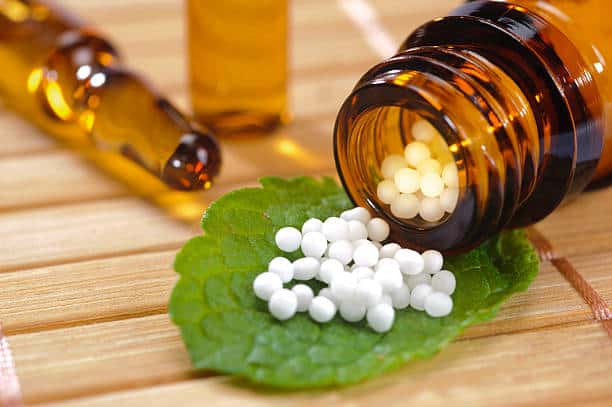
*Homeopathic treatment…* Homeopathy prevents frequent occurrence of warts.
Warts fall off automatically with homeopathic medicines without the need of any kind of operation or harsh remedies.
* Stomach complaints, 13 effective remedies for cleaning…..*
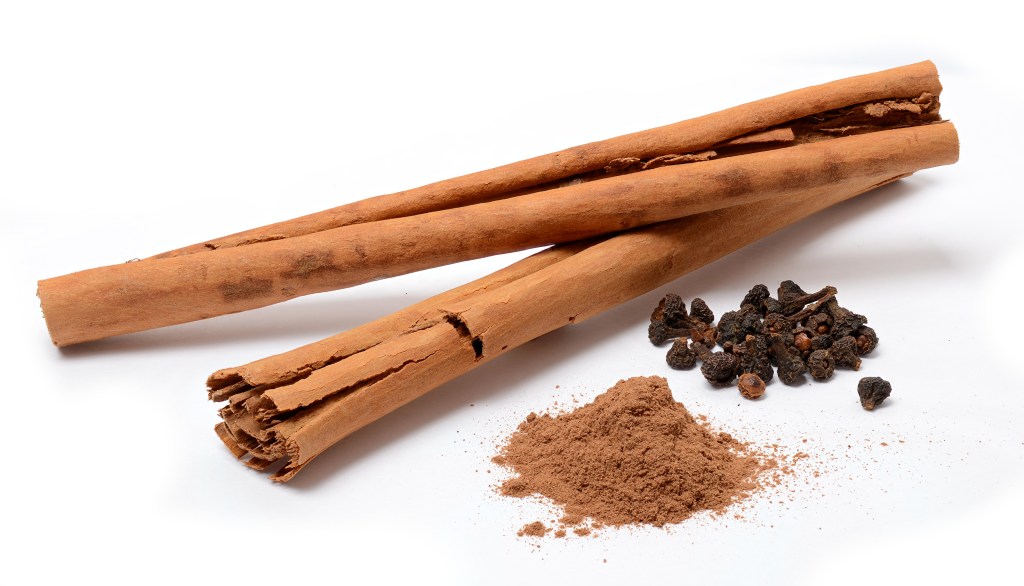
*1) Mix cinnamon powder with honey every day after meals.
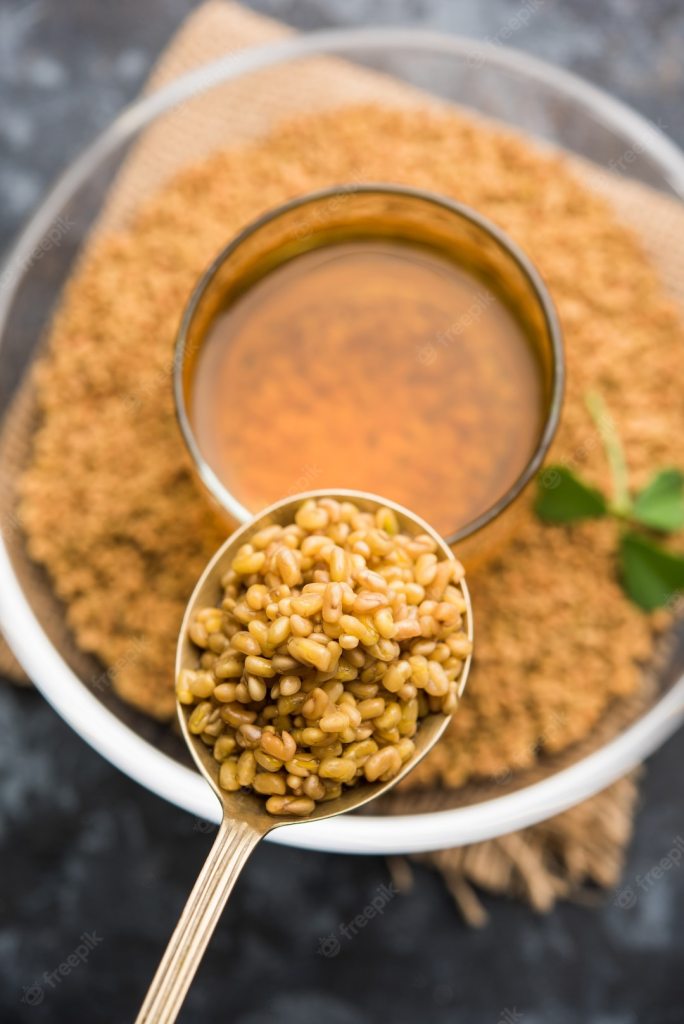
*2) 100 min. Ltd. Boil one spoon of fenugreek seeds in water and drink this water one hour before meals and chew these fenugreek seeds after meals, this cleans the stomach in the morning.
*3) Take roasted cumin powder with water after meal.
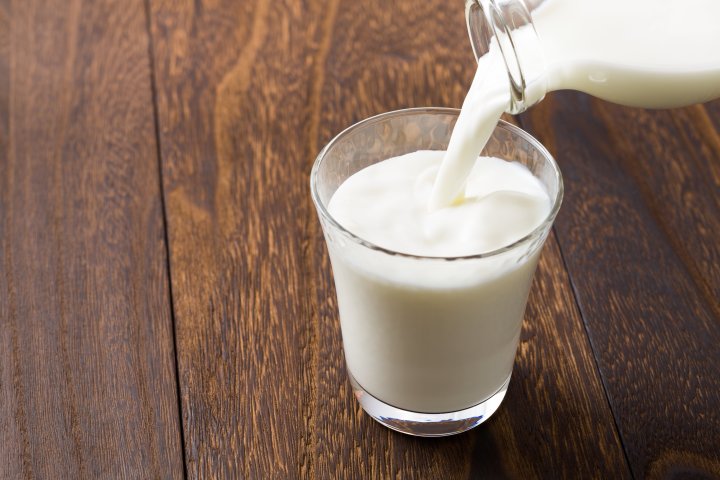
*4) Raisins should be boiled in milk and chewed at night before sleeping.
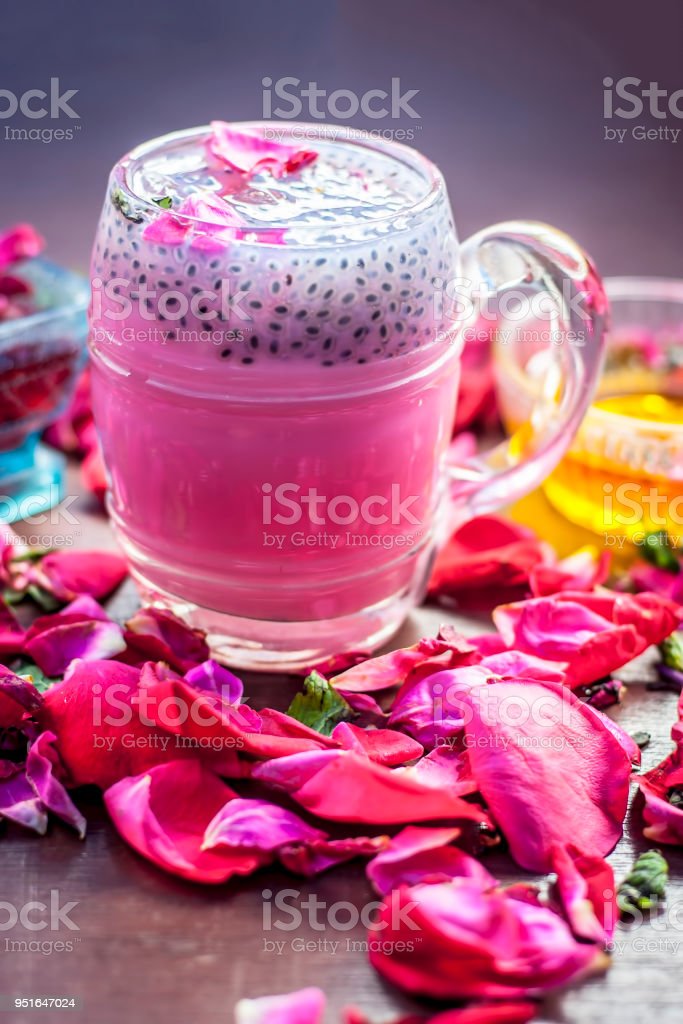
*5) Before going to bed at night, eat a spoonful of Gulkand and take a cupful of milk over it
.
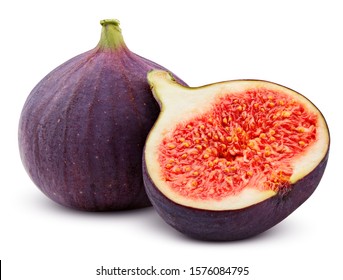
*6) Boil two or three figs in milk, then eat the figs and take milk from the top.
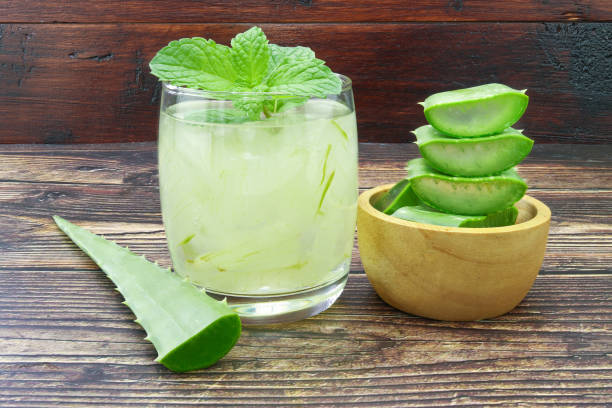
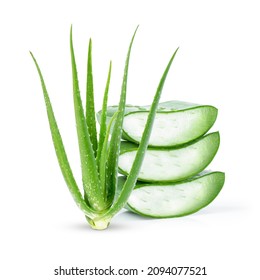
*7) Mix 2 teaspoons of aloe vera in a glass of water.
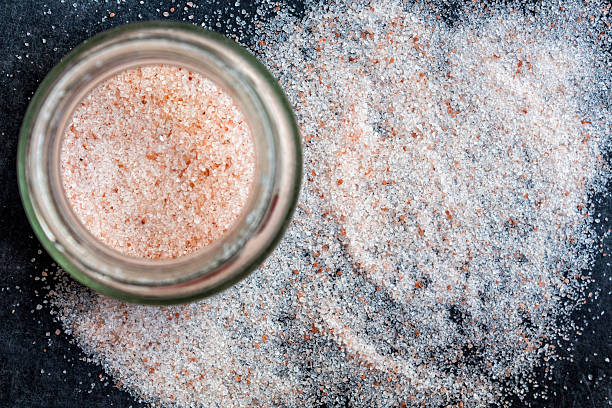
*8) Before going to bed at night, add one to two teaspoons of Sajuk ghee and a little Saindhava salt to a cup of water. This will clear the stomach in the morning.
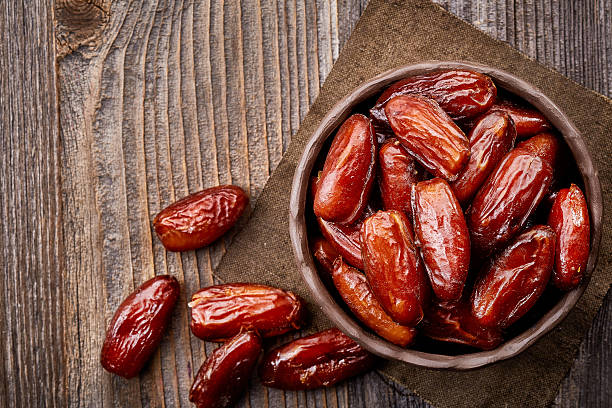
*9) Eating two dates with sajuk ghee every morning cleans the stomach.
*10) Roast fresh aloe vera on low heat, then remove the peel, strain it in a muslin cloth and mix it with honey. It clears the stomach in the morning.
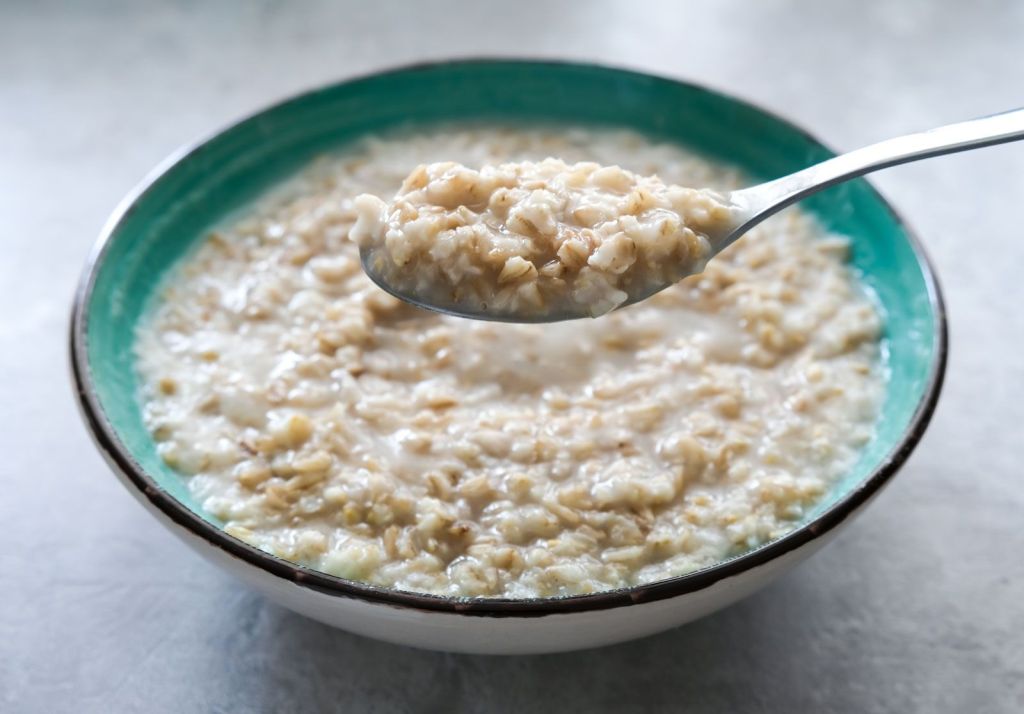
*11) Eat a spoon full of oats before going to bed at night, it cleans the stomach.
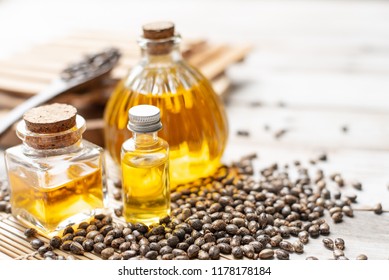
*12) Take a spoon full of castor oil before going to bed at night, it cleans the stomach in the morning.
*13) Soak triphala powder in an earthen vessel and then strain it in the morning. It clears the stomach.
Do the above measures and always eat leafy vegetables and fruits in your diet.
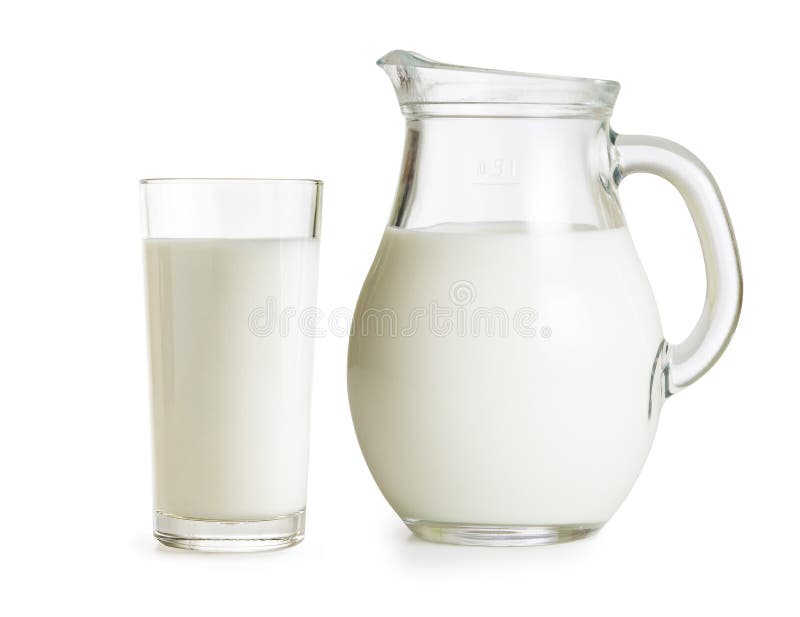
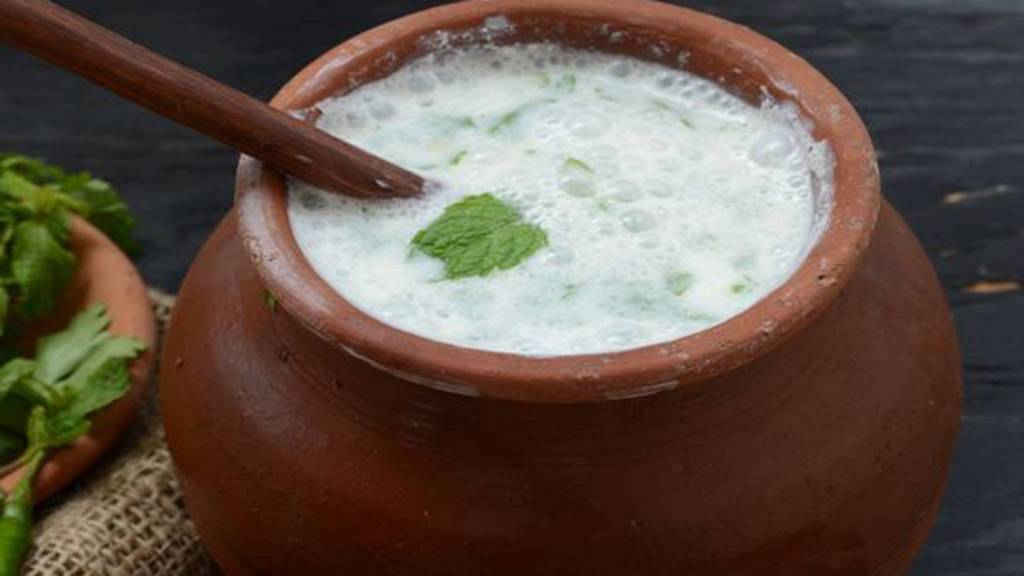
Many products are made from milk. Although variety and many flavors are the intention, if sustainability comes to the fore, three foods quickly come to mind. They are curd, butter, ghee. One can easily keep two or three days of milk which can last for just one day without any of the cold storage, fridge, complicated processing at hand, when it is converted into three types. Apart from this, after making milk curd, buttermilk can also be made which is easy to digest. Lactobacillus species in curd and buttermilk are beneficial to the body as they reside in the large intestine and are involved in the production of useful B vitamins.
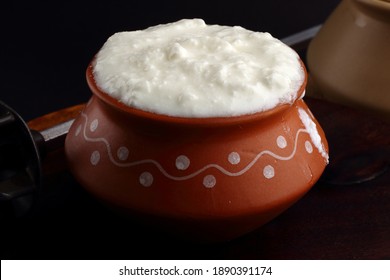
_Making curd is very easy. But if you want to prepare tasty, good curd, you have to consider its technique. Preferably one teaspoon of fresh buttermilk or fresh curd is added to one liter of milk. Lactation is the addition of beneficial bacteria that bioprocess the proteins and sugars in the milk. For this reason, if the milk is fermented when it is too cold or too hot, the process may be delayed or not done properly. If warm milk is fermented, the growth of germs is completed in six to eight hours and curd is produced. Casein protein particles in milk are negatively charged. When milk sugar undergoes fermentation, it is converted into lactic acid. It is charged with hydrogen particles. The negative charge of the casein particles and the positive charge of the hydrogen particles create a neutral state. Due to this, the lactose and casein in the milk float away from each other in a floating (colloid) state, it stops. Both can stick to each other and curd is formed. We call it Admure curd. Such curd is especially useful for digesting food for a person recovering from illness._
The next type is to use curd after 24 hours of curd. We always use this type in practice. Yoghurt, which can be scooped up in a spoon like a thick crust, is slightly sour, more sweet. This curd is used for various salads or with rice. The same curd starts turning sour after twelve to twenty four hours. He begins to lose water. It can be used in various ways in cooking. Such curds are used for buttermilk, lassi, soaking and fermenting various batters (eg dhokla), seasoning vegetables, meat, chicken, fish. If the water content of fresh curd is largely removed, proteins and carbohydrates remain. This is what we call a wheel. Fatty substances remain in proportion as we consume milk. That is, if the skimmed milk is evaporated, it will have less fat content. On the other hand, if whole milk is used from buffalo, it will contain 6 to 9 percent fat. Chakka can last much longer than milk or curd. Of course, it has to be stored in a refrigerator. Shrikhand is made by mixing sugar and other coloring and smelling substances in this mill._
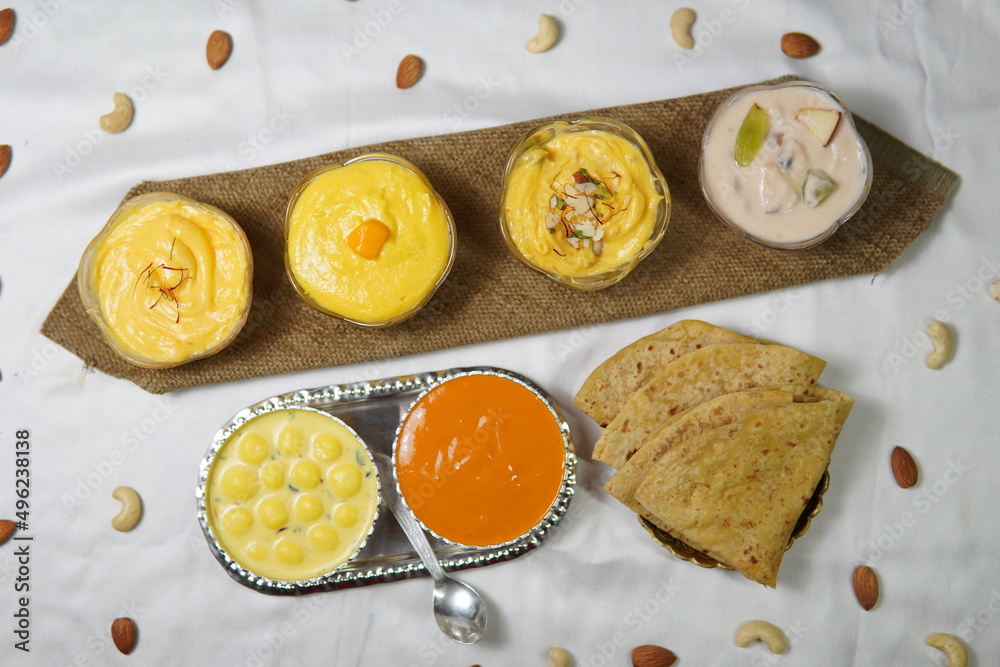
_ Now we see many varieties of Srikhand depending on the taste. Amrakhand mixed with mango, Payanapalkhand with pineapple flavor, Kesarkhand mixed with saffron pistachio are now commonly seen. An important reason for this was that after the success of the ‘Milk Flood’ scheme, a very simple solution was available to make sustainable milk products from Shilki. Cheese is difficult to make and paneer does not last. Due to this, we get to see and of course eat the various producers and varieties of Srikhand._
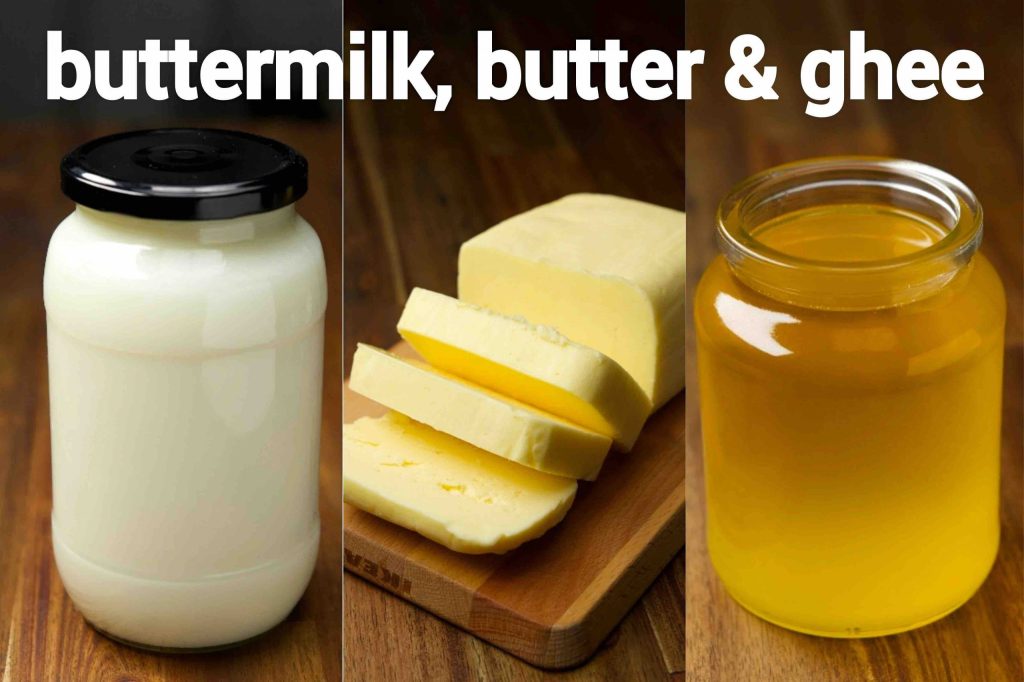
Yoghurt is called yogurt in some countries. It is also made in different flavors. It’s just that its taste is slightly different from curd because of the different method of fermentation. Butter comes out of its fat after churning it. Buttermilk floats to the surface as fatty substances float. This is homemade butter we see. The water content of this butter is reduced a lot and salt is added to it. The butter produced in this process is durable. It can last a long time in the refrigerator. The main thing is that its taste and smell do not change. Butter kept in the refrigerator for a few days never has the taste and smell of fresh butter. Amul’s butter, which we apply to bread and toast, is sustainable with a hint of salt. But the butter eaten with bread or plate is homemade._
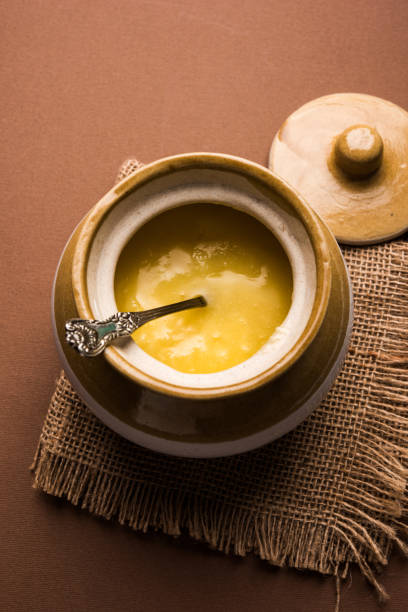
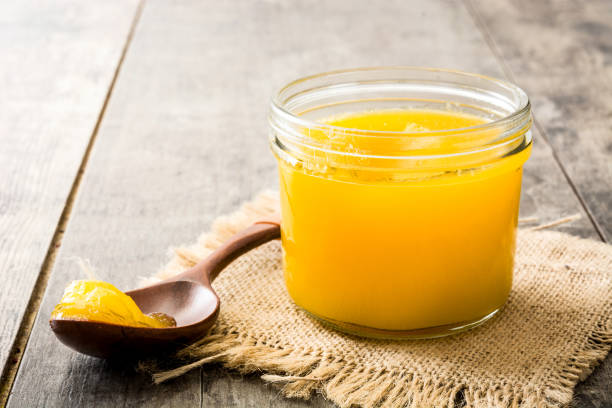
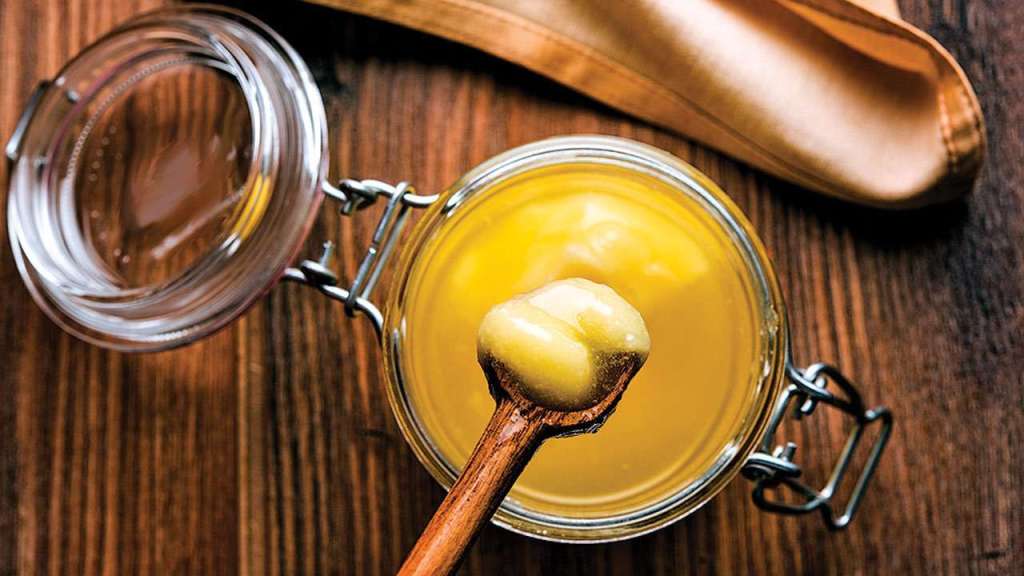
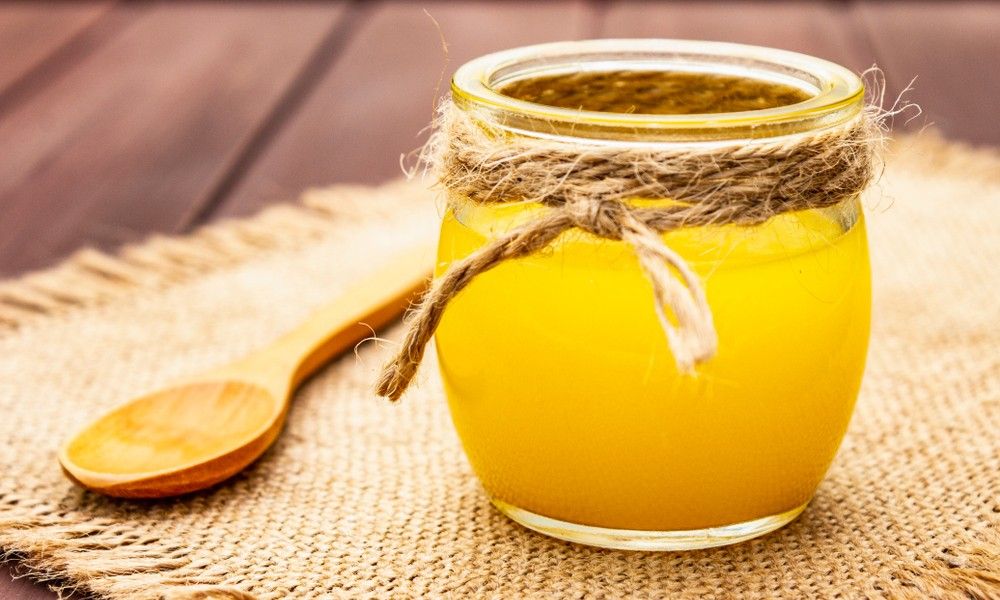
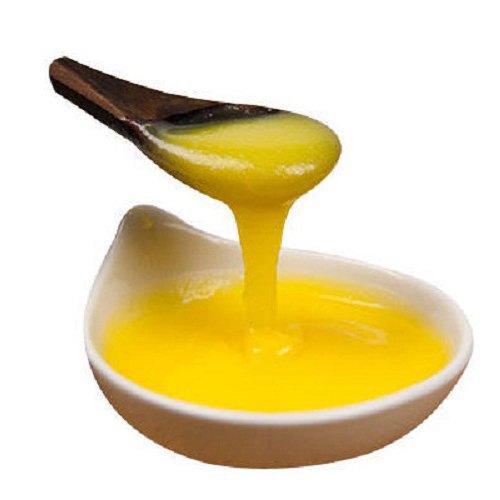
_If water and carbohydrates are removed from butter by heating, the pure fatty substance that remains is ghee. Basically, butter is low in carbohydrates and proteins. But in the process of heating it is called butter extraction. All these are burnt. The layer that accumulates at the bottom of the pot is also known as ghee berries. That is the burnt layer. This is also a savory food. Ghee is a durable substance. It can last well for several days at room temperature. Medicinal use of old ghee is customary in Ayurveda._
_Right amount of curd, butter, ghee is necessary for the body. It provides a lot of protein and carbohydrates, while butter ghee provides calories and fats. One hundred grams of curd and ten grams of butter or ghee are useful and essential. But if you eat excess amount of butter or ghee, the amount of cholesterol in the body increases. It creates obstruction in the blood vessels and invites heart disease, brain disorders. Even in curd, the milk fat is reduced, so it is suitable to be consumed in moderation. *~~~~~~~~~~~~~~~~~*
🌹🌹🌹🌹🌹🌹🌹🌹🌹🌹 *🌿🌹🙏Arogya Bhabat🙏🌹🌿* *Health Benefits of Ghee*
* In Ayurveda ghee especially cow ghee has unique importance. Purvapar ghee has been used in diet. Irrespective of the meal, once the ghee is added to the pangti, the meal starts. Ghee is an integral ingredient in the kitchen. In ancient times, ghee was used to heal war wounds. The older the ghee, the better it is. Ghee is called Ghrit, Ajya, Havi, Sarpi, Ghee etc. in different languages. Ghee is sweet, very strong, cooling, choleretic, fat, marrow and sperm nourishing. Ghee increases memory, intelligence etc. Ghee works on the brain. The characteristic of ghee is that the appetite increases after eating ghee. Agnivarkadha is the best function of ghee. Ghee is good for eyes. Ghee improves larynx and improves voice. Ghee has yogic and chemical properties.*
* Ghee can be used in any disease especially Vata-Pittaja disorder. In Ayurveda, many medicinal substances have been proven in ghee to make their medicinal base. Hiccup stops if ghee is eaten slightly warm. Drops of ghee in the nose stop bleeding from the nose. If you drink a spoonful of ghee in a glass of milk while sleeping at night, it clears the stool in the morning. Ghee cures piles. It is a misconception that cholesterol increases with ghee. Those who always walk, walk, exercise must eat ghee daily. Ghee is an elixir-like medicine for a cancer patient. Ghee has the power to stop the growth of cancer cells.* 🌹🌹🌹🌹🌹🌹🌹🌹🌹🌹
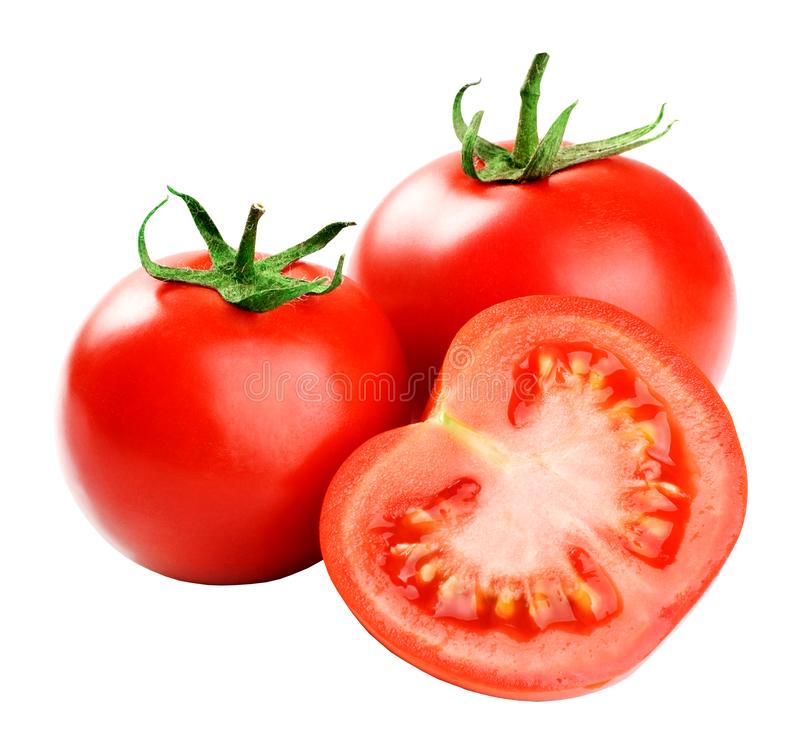
*Is there anything except tomatoes?* I am happy with the increased price of tomatoes. Because every time the patient was told not to eat tomato in most of the diseases.
*In which season should tomatoes not be eaten?* * Cold cough * Joint pain * Swelling * Headache * Acidity * Increased uric acid * Increased creatinine * Kidney diseases (kidney stones, CKD etc) * Allergies * Skin disorders
Then why eat tomatoes every day? No seeds, no sauce, no toppings
*Substitute for tomato?* That is. 15-20 years ago tomatoes were not so much used. This type of tomato gravy came due to Punjabi dishes. Otherwise, our dishes were made with kokum, tamarind, lemon rarely amchur!
*Benefits of these ingredients* *cinch*- It is rich in vit C. Keeps the stomach clean Improves digestion. Improves the health of the large intestines and regulates their movement (peristalsis).
* People suffering from joint pain should not eat tamarind chutney. But cooking tamarind works*
*cuckoo* Reduces weight and cholesterol Improves heart function Improves digestion A boon for acidity Bile on the body is reduced Improves skin radiance
*lemon* Supply of Vit C digestive Useful in weight loss Improves skin health
Apart from these fodder, you should also use curry and amla which are available according to the season.
*carey* digestive Improves liver function
*yawn* Good supply of Vit C digestive Ammapitta Nashak It helps in making new cells in the body.
What is the need for tomatoes when there are so many healthy stocks? Sometimes use it while making pavbhaji and chole. But not every day, Dad! 🌺🌺🌺🌺🌺🙏🤝🌺🌺🌺🌺🌺
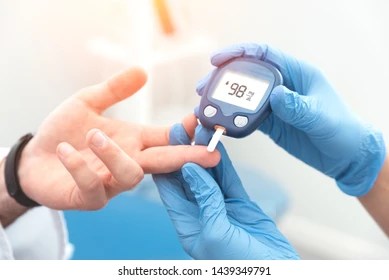
Diabetes is a major problem for the entire world. Every household has at least one diabetic patient. According to WHO, 422 million people are diabetic patients. Of these, 1.5 million people are reported to die each year from diabetes. Diabetes is a type of syndrome that is not a disease itself but causes many other diseases. At first, it shows very minor symptoms, so people don’t pay attention to it. But these symptoms later become very serious and lead to many other diseases.
Actually, diabetes occurs when the amount of glucose in the blood increases and the insulin that absorbs the glucose decreases or stops working. Glucose is made from sugar. It enters the body through food. Controlling blood sugar levels in the pre-diabetic stage greatly reduces the risk of developing diabetes.
How to reduce blood sugar
Diabetes is a major problem for the entire world. Every household has at least one diabetic patient. According to WHO, 422 million people are diabetic patients. Of these, 1.5 million people are reported to die each year from diabetes. Diabetes is a type of syndrome that is not a disease itself but causes many other diseases. At first, it shows very minor symptoms, so people don’t pay attention to it. But these symptoms later become very serious and lead to many other diseases.
Actually, diabetes occurs when the amount of glucose in the blood increases and the insulin that absorbs the glucose decreases or stops working. Glucose is made from sugar. It enters the body through food. Controlling blood sugar levels in the pre-diabetic stage greatly reduces the risk of developing diabetes.
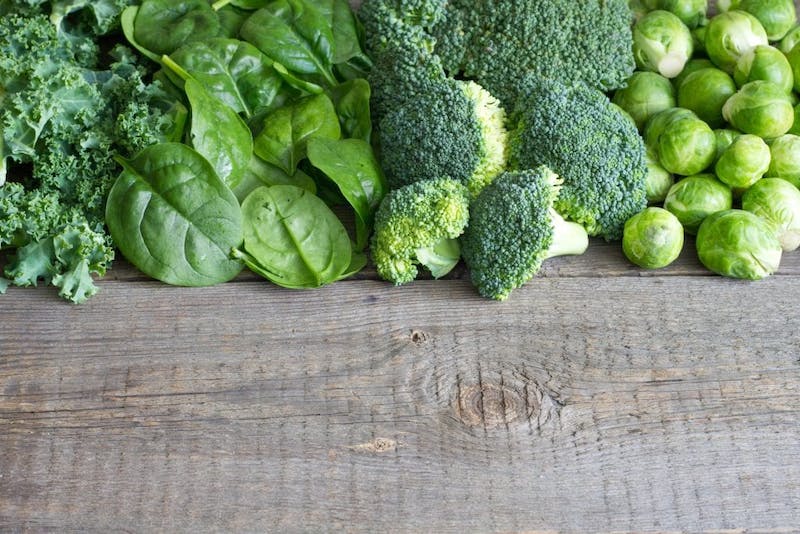
How to reduce blood sugar High blood sugar is called hyperglycemia. It is very important to control it on time. If blood sugar levels are higher than normal, make lifestyle changes immediately. Don’t take any stress. Exercise a lot, walk a lot, do small chores around the house yourself. Ban sugar, excessive salt, tobacco, cigarettes, alcohol, cold drinks, sweets. Do not eat foods high in carbohydrates. Eat healthy food. Have a salad in your meal every day. Don’t stay hungry for too long. Never eat food that has air sealed in the processed packaging. Eat green leafy vegetables as much as possible in your diet. Eat more fruits. ===================
According to Ayurveda, during visarga period, i.e. when the sun begins to set, i.e., during the rainy season, Vata dosha increases in the body and this increased Vata dosha causes disease by polluting the pitta and kapha doshas, so the risk of diseases increases when the monsoon begins.
It is necessary to make necessary changes in lifestyle to stay healthy during this season. Also during this period the digestive power decreases. Illness increases due to decreased immunity and increased environmental contamination. This weakens our immune system. This is why there is a need to be careful about food and drink.
*Due to slow digestion in rainy season, food is not digested properly, so take fresh hot food that is easy to digest, eat boiled, boiled and roasted food. Raw, fried and fermented foods should be avoided.
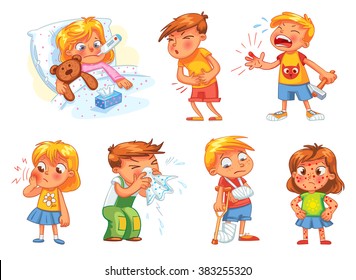
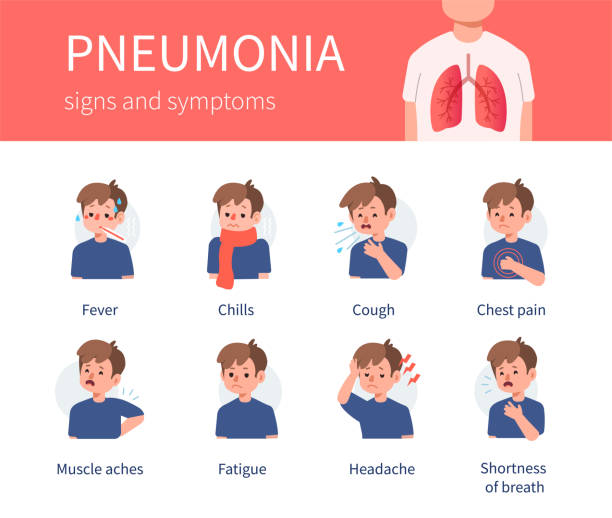
* In rainy season, to strengthen your immune system, you should include vitamin C in your diet. Sneezing, coughing, diarrhea and stomach infections are most common during this season. Some also get fever. To avoid this, eat a diet rich in nutrients. Drink more water and keep yourself hydrated. For this, take amla, lemon water, coconut water and aloe vera juice.
* It is very important to take care of cleanliness in this season. Wash fruits and vegetables in warm water with salt before use. Do not eat food that has been kept for more than three hours. Banana, papaya, fresh juice will be consumed. Avoid eating street food and packaged items, and wash your hands frequently.







 k's all in one