Just like we get money, house, jewelry in the form of estate from parents, grandparents, similarly we also get priceless wealth of genetic diseases like Asthma, Headache, Constipation to Obesity, BP, Diabetes, Thyroid to Baldness.
We come across many people who say that these diseases run in our families from generation to generation but no one seems to be trying to eradicate this curse of hereditary diseases.
Everyone thinks that these efforts are very difficult or because everyone at home has it, everyone has the same impression that I too have or will have this disease.
But if you follow the right lifestyle and avoid the wrong things, hereditary diseases can be easily removed, but at one time we will take four pills more but don’t tell the diet, don’t restrict the food.
Trying to prevent disease is much cheaper and easier. Think of it as a 50% battle won with a little restraint on the tongue. Because the diseases that do not reduce the suffering even with expensive treatment are very strong, now new tests and investigations are being added. If you want to stay away from all this, adopt a healthy lifestyle from today.
Meals on time, eating less spicy, salty and sour foods, waking up early in the morning and going to bed early at night, balanced diet, regular exercise, having breakfast after both meals, eating fruits and vegetables available in that season, not eating junk food are healthy things. come in lifestyle.
Is it really that difficult to follow? Try it once. You will soon find that minor health complaints can be alleviated without any medication. 🌺🌺🌺🌺🌺🙏🤝🌺🌺🌺🌺🌺
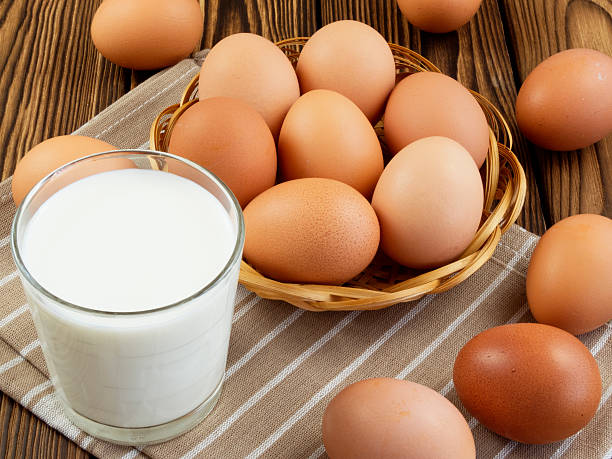
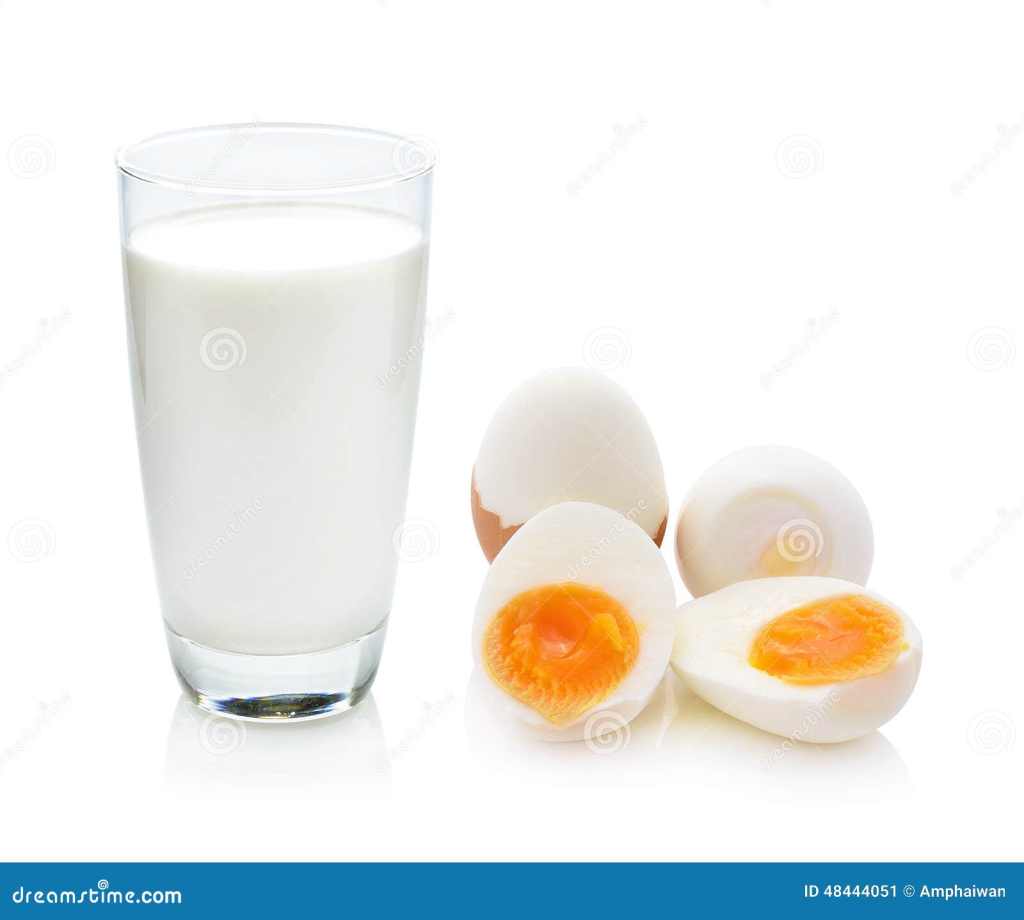
*——————————–* *Is milk better or egg?* *——————————–*
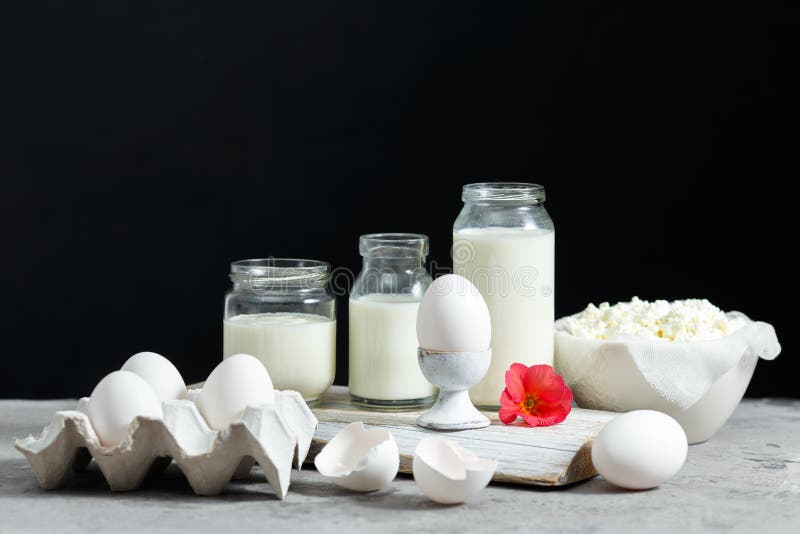
Those who don’t drink or don’t like milk will say that eggs are better. On the contrary, those who do not eat eggs will say that milk is best. Eggs are meat. Without getting into the debate of whether a meat diet is better or a vegetarian diet, let’s see what we see when we consider both in terms of nutrition alone.
Generally, one can get 100 ml of buffalo milk for the same price as one egg, so one egg or 100 ml of buffalo milk can be bought for the same price. How do you compare the two?
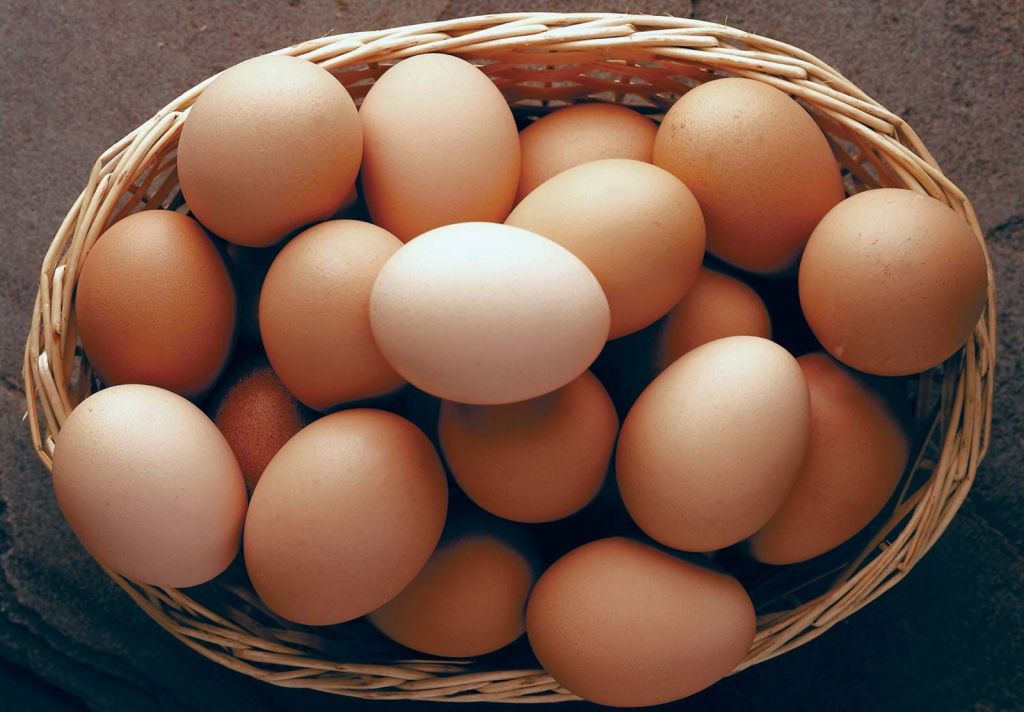
One egg (weighing approximately 65 grams) contains 6.2 grams of protein, 6.2 grams of fat and 0.5 grams of salt. The salt contains 30 mg of calcium and 1.5 mg of iron. One egg provides about 70 calories of energy. Net protein utilization of egg is 100 which is the highest among all proteins.
Eggs also contain vitamins. Egg protein is of the highest quality. Others use egg protein as a parameter to determine protein quality. One of the disadvantages of eggs is that they contain about 140 mg of cholesterol. Therefore, people with heart disease should eat less eggs.
100 ml of buffalo milk contains 8 grams of fat, 4 grams of protein, 4.5 grams of lactose, 190 mg of calcium, 0.18 mg of iron, 0.9 mg of vitamin K and 0.7 grams of salts. 100 ml of buffalo milk provides 117 calories of energy. The net utility of protein is 75.
Now you have in front of you the details of egg and milk of the same price. But note that the chances of adulteration in milk is very high and it spoils quickly whereas eggs last for a long time.
Eggs are good for getting protein and milk is good for getting fat i.e. energy and calcium. So both eggs and milk are good in their own way. The question is your choice, your need.
Eating pulses on a regular basis is really healthy. This makes proteins easy to digest. Vitamins are doubled-tripled. Vitamin C is produced only after menopause. Airiness of pulses is reduced and absorption of iron and calcium is better. Unroasted pulses contain three non-absorbable substances. They are tannin, phytic acid and trypsin inhibitor. Tannin inhibits iron absorption and phytic acid reduces lime absorption. Trypsin inhibitors block the production of an enzyme called trypsin. Due to this, pulses are not digested properly and the stomach becomes heavy.
4. Modulation reduces airiness of pulses.
5. Tannin and phytic acid present in the shell are converted into a harmless liquid in the process of de-molding. It increases the absorption of iron and calcium. It benefits the body.
6. Pulses become lighter and easier to digest in the moderating process.
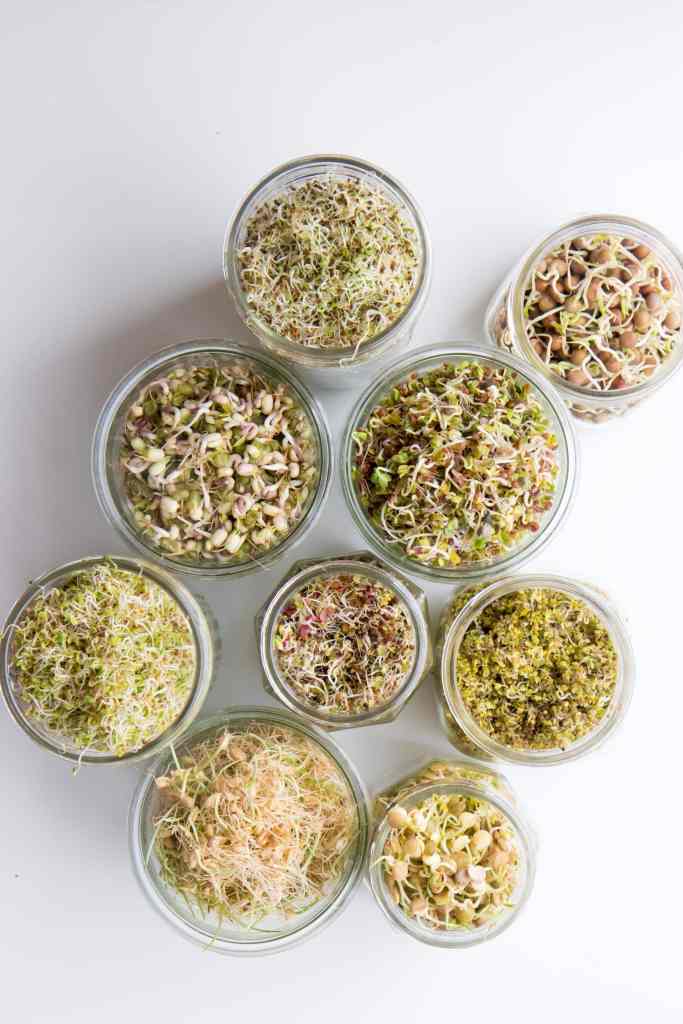
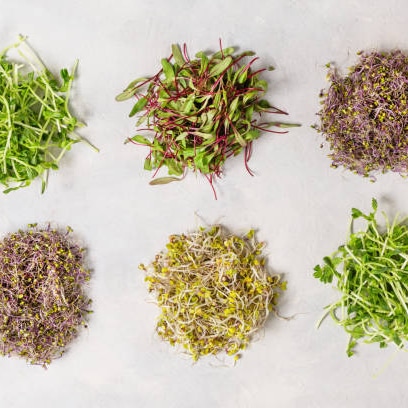
7. Sprouted pulses can be dried. Carbohydrates and vitamin C are greatly increased in such dried mode.
If pulses are soaked overnight, the amount of tannin and phytic acid in them decreases. If pulses are thoroughly cooked, the trypsin inhibitor is destroyed. If a little sour food like amsool and tamarind is added while cooking, the non-nutritive or harmful substances are completely destroyed due to the exchange. There is an old and good tradition of eating pulses. It stimulates certain behaviors and leads to positive changes. Eating split pulses has the following benefits. . 1. Proteins are easier to digest.
2. Multifold increase in all vitamins.
3. Vitamin C is 2 to 6 mg in 100 gm of pulses before shelling. The same amount can increase from 27 to 52 milligrams after weaning.
8. Dried sprouts s can be rejuvenated by soaking in water for a while. Such pulses are rich in proteins, carbohydrates and vitamins.
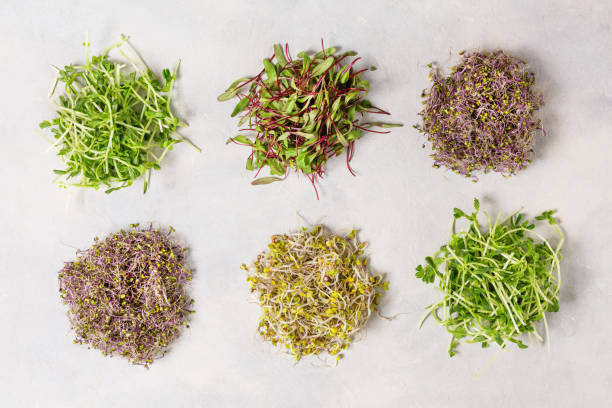
9. Digestibility of proteins and carbohydrates is significantly increased in the process of induction. It doubles the digestibility of carbohydrates and nearly half times the digestibility of proteins. Sprouted pulses are a rich treasure trove of proteins, minerals, vitamins and carbohydrates. The inclusion of such modified pulses in the daily diet is the key to health. Not all pulses are digestible the same. The easiest pulse to digest is Matki. Then mung and cowpea. Then Udid and gram, kadu wal and pawta are the most difficult to digest. Pulses are rich in nutrients. 100 grams of pulses contain between 17 and 25 percent protein, with the exception of soybeans. 100 grams of soybeans contain 40 to 42 percent protein. In a vegetarian diet, protein is mainly obtained from pulses. As indicated by the Indian Council of Medical Research, every person should consume at least 17 to 25 kg of pulses in a year. That means 70 to 80 grams of pulses should be consumed per person per day
.
Apart from protein, pulses are rich in B vitamins, salts (minerals) and fat. 100 grams of pulses contain thiamine (vitamin B-1), riboflavin (vitamin B-2) 0.18 to 0.26 mg and niacin 2.1 to 2.9 mg. Lime 76 to 203 mg, iron 7.3 to 10.2 mg, phosphorus 300 to 433 mg. Soybean is an exception. It contains 18 to 20 percent fat. The combination of protein, vitamins, salts and fat in pulses is a miracle of nature and therefore pulses have unique general importance in the diet. So if you want to be healthy, consume more pulses. 🌺🌺🌺🌺🌺🙏🤝🌺🌺🌺🌺🌺
##.. When the month of June starts, the land heated by the scorching sun, the exhausted mind starts yearning for Varun Raja.. …and then..,, Nemechi ala monsoon,, doing Meghraja wears uniform in his bang.. All the nature looks green, the atmosphere is flourishing,, …though all this is true, it is equally important to take care of our nature in these days.. There is a lot of humidity in the air.
##.. The strength of metals is also reduced, as the fire slows down, digestion also slows down, and due to humidity, germs increase, the immunity of the body decreases, that is why during this period, through the three principles of diet, conduct, and health care, seasonality is determined.
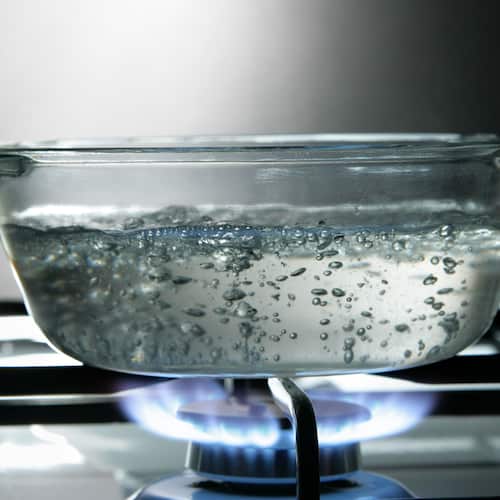
## Water pollution is a problem. It is said in Ayurveda that the water becomes sour during the rainy season. When germs grow, the drinking water should be boiled for 20 minutes, and while boiling, substances like sandalwood, vala, anantamul, wavding, suntha etc. are added to make the water pure. It is easy to digest.
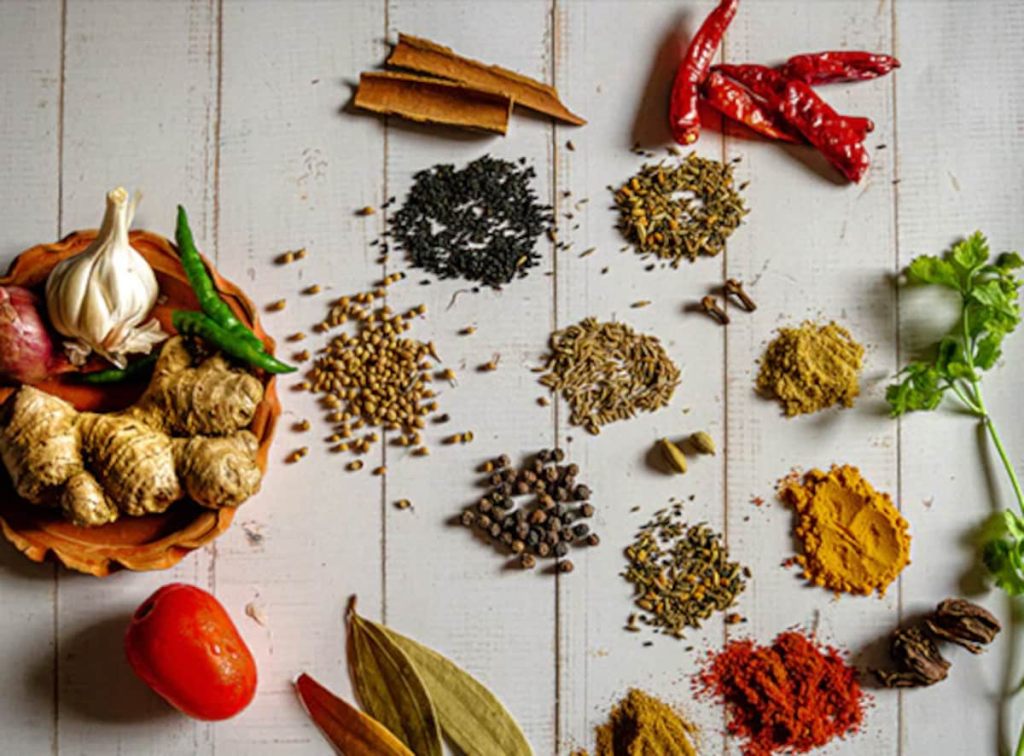
##*. To ignite the slow fire, while preparing food, use proper amount of spices such as hing, coriander, bay leaf, ova, cumin, cinnamon, ginger, turmeric, amsool, occasionally take black salt and cumin powder before meals.
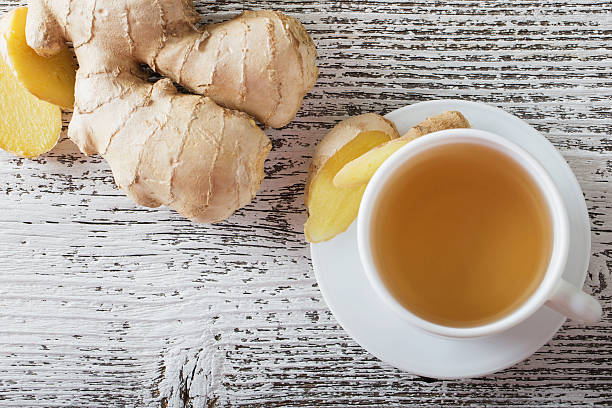
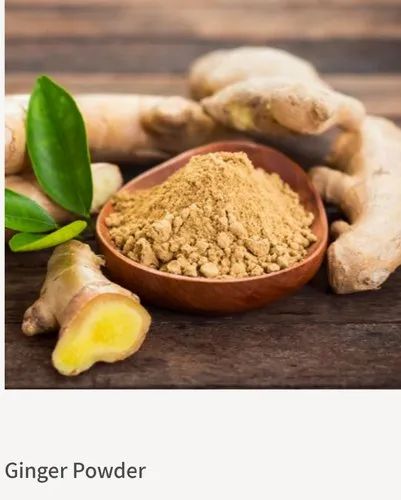
.. Ginger and Sunth are a great boon in rainy season.. Removes fire disease.. Ginger in Ayurveda. Vishwasaudha has said that ginger should be used wherever possible during monsoons, ginger should be added to tea, vegetables, curry, amti should be added, milk should be mixed with ginger
Chew ginger while traveling,.. To get rid of dampness in the house, incense of Vekhand, Sunth, Ova, Kadulimba leaves should be done, the air will be purified. Abhyanga bath should be done, Utne herb should be used, skin disease does not occur, drink warm water with honey while sleeping and do not wake up.
Regularly massage the body with sesame oil.
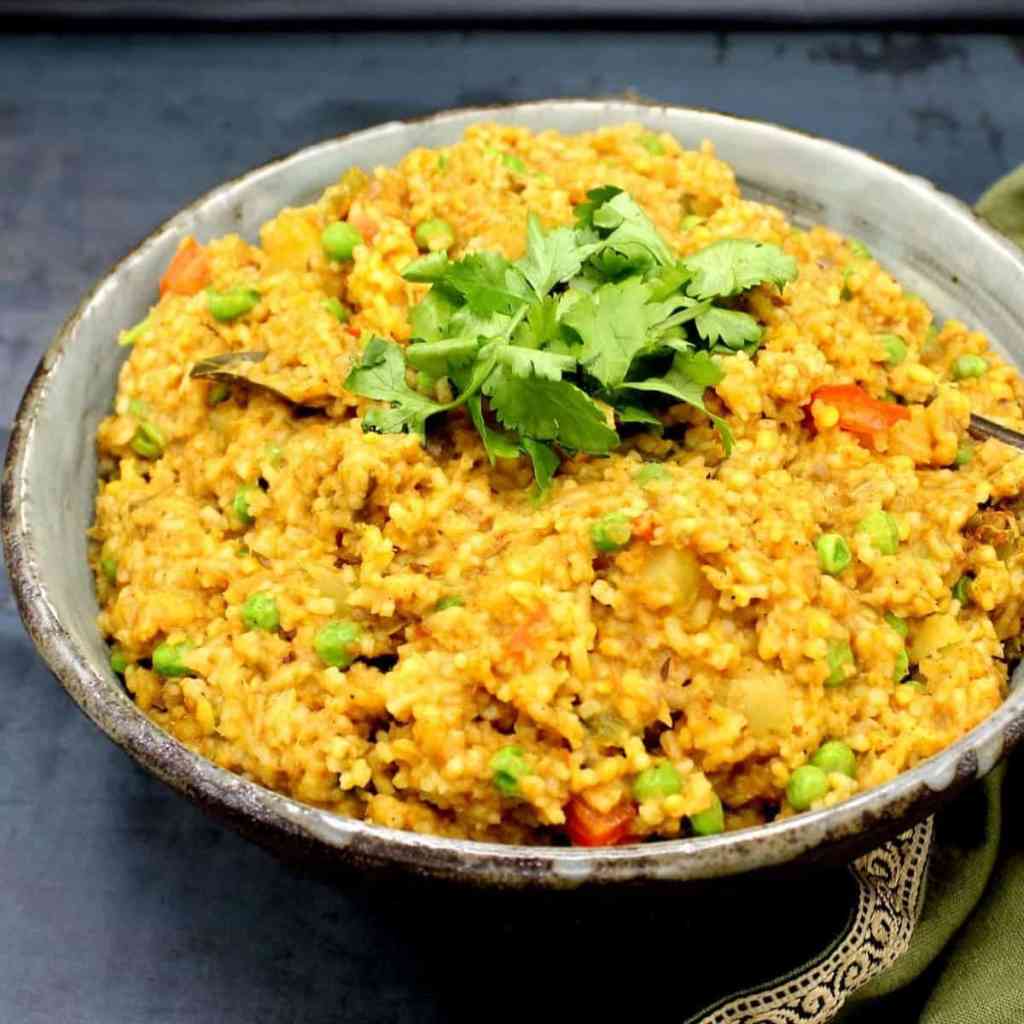
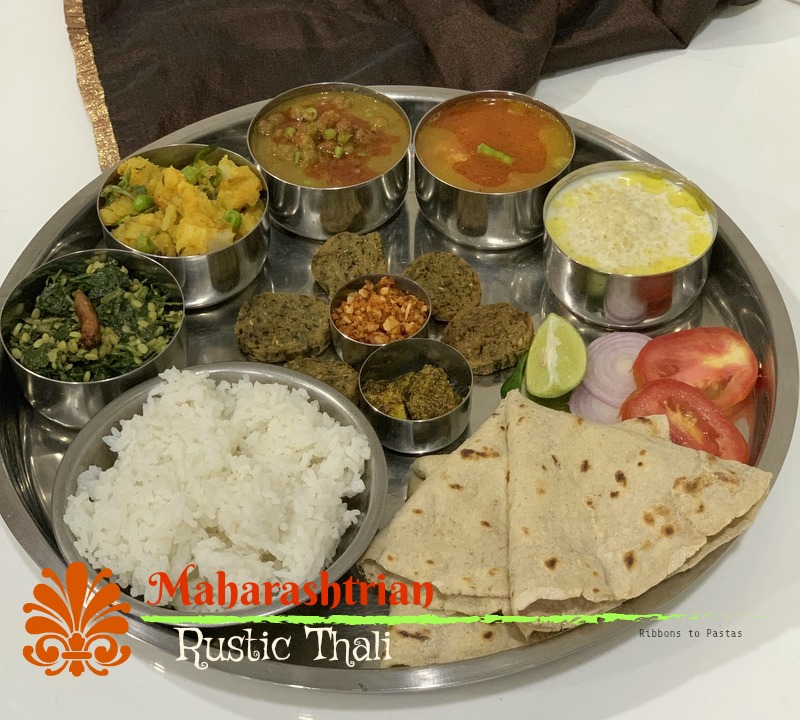
…. Diet: .. Bhajetsadharan all hot stage. One should eat such food which balances Vata, Pitta, Kapha, is hot, and is capable of igniting Agni… On these days take small meals, Sanddhakali should be eaten soon, Mugachi Mavu Khichdi, Kadhi Bhat, Metkut Bhat, Pej, Tomto Sar, keep these foods, nashyat, milk sala lahi, rice boiled, garam garam, nachani lapashi, sorghum flour simulacrum, amaranth chikki, take like this,
##*.. in vegetables: Dudhi, Tondli, Parvar, Dodki, Ghosali, Kale, Kohla, Carrot, Okra, Kartoli, and some leafy vegetables, Takla, Kurdayi, Ghol, Lal Math, Bharangi, should be eaten like this.. Pulses: Moong, Kulith, Tur, Matki, Sprouted.. Grains:.. Rice, Jowar, Bajri, Raghani, Wheat, . Roast as much as possible.
Fruits: Apples, figs, papayas, apples, peaches, oranges, pears, homemade ghee should be used, sugar, salt, honey should be used
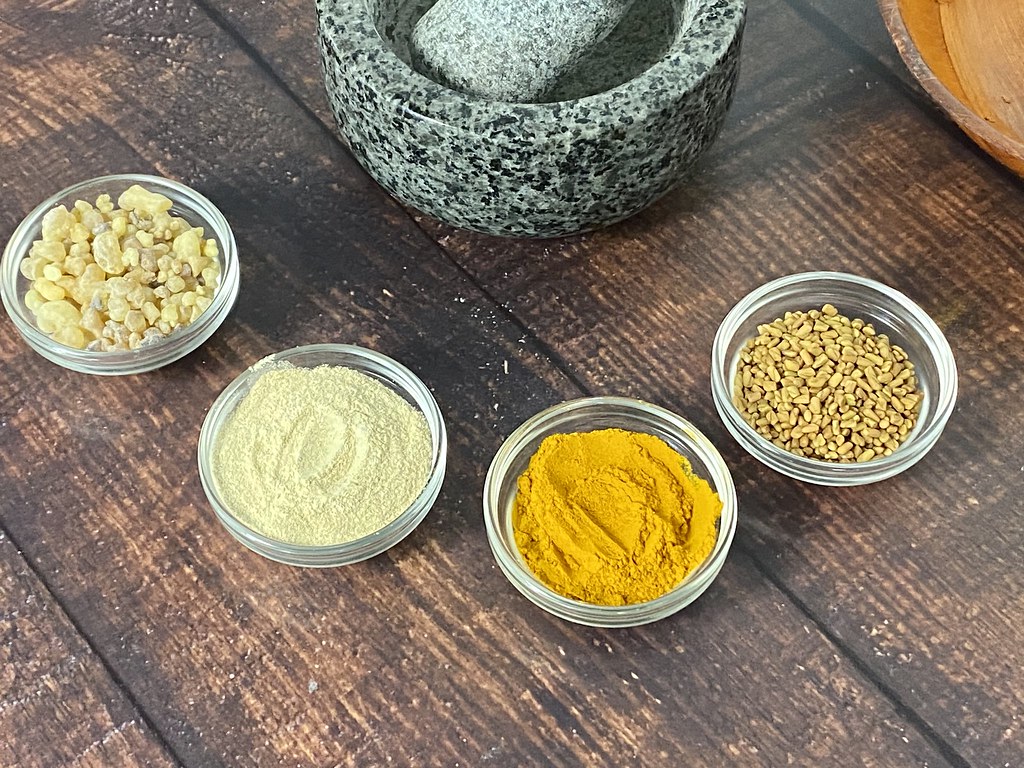
. Ova Purchundinai should be roasted in the chest, roasted with cotton leaves, the phlegm becomes loose, in a cup of water, grass tea, cumin, tulsi leaves, some mint leaves, ginger, turmeric, fennel, pepper cloves, cinnamon and should be taken. Swallow fenugreek seeds with water.
##*.. keep the surroundings clean, implement various measures to eliminate mosquitoes, If you take care in this way, you will surely have a pleasant, tolerable and happy rainy season…,, Happy Rainy seasons.,
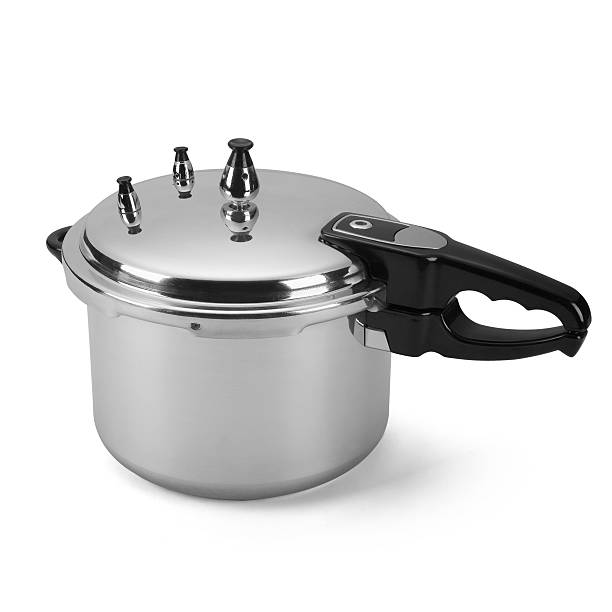
*——————————–* *Should food be cooked in a pressure cooker or in a pot?* *——————————–*
Now pressure cookers have come to every household. But I remember, 25 years ago when we first got a pressure cooker in our house, my grandfather said, “Wow! The dal and rice in the pressure cooker has no taste!” Therefore, he was made to make separate rice and varana for himself. Some people still feel that way today.
Nutritionally speaking, cooking food in a pressure cooker does not destroy its nutrients. As food cooks quickly in a pressure cooker, the effect of heat is not much on the food and its vitamins etc. are preserved. Boiling water under pressure lowers the boiling point of the water and thus the water boils faster and the food cooks faster.
Another important thing is that as the food cooks faster, it also consumes less fuel. In our country, many homes cook on the stove. Using a pressure cooker will reduce the consumption of firewood, coal, kerosene or gas. This will not only save fuel but also reduce air pollution.
One thing that is important to remember is that after cooking food in a pressure cooker, some people sometimes throw away the leftover rice, dal etc. Remove the water from rice or dal. This is very wrong. Because this water contains amino acids and vitamins.
Yes, one thing remains to be said! Our grandfathers, who used to turn their noses up at pressure cooker rice and varana, now prefer pressure cooker rice and varana.
*Continuously low sugar because of 5 guaranteed mistakes, change it in time because….*
Diabetes is a disease that many people are seeing nowadays. There are many causes of diabetes. The main reason is poor lifestyle and not consuming food on time. Most people are eating fast food, junk food, packed food. Which is harmful to health. Due to which many people are suffering from blood pressure, diabetes, heart related diseases, etc. Some people have fluctuating blood sugar. Diabetic patients have to take daily medicines. Still why changes in their sugar level
*Errors in medication timing…* According to doctors, “many times diabetic patients do not take their medicines at the right time. Due to this, the blood sugar level fluctuates. Some people take pre-meal medications after meals, while others take post-meal medications before meals. These causes increase the level of sugar in the blood.
*Change in daily routine…* When patients make sudden changes in their daily routine, blood sugar levels also change rapidly. For example, exercising a lot one day, not exercising the next. Sometimes eating too much, sometimes eating too little. These factors cause fluctuations in blood sugar levels.
*tension…* Stress often causes changes in health as well. No matter how timely you take your medications or follow the lifestyle, if you are under a lot of stress, your blood sugar levels will fluctuate constantly.
*Other diseases…* Some disease conditions cause changes in blood sugar levels. For example, it is natural for blood sugar levels to go up and down if you have an upset stomach, fever, or some other illness.
*sleep less..l.* Even though diabetics get less sleep, blood sugar rises very quickly
*Tips to control…* In such cases, contact a doctor. Prepare your routine plan from the doctor. Along with this, eat at the right time, exercise at the right time, have breakfast at the right time. Also take the prescribed medicines on time. Take regular exercise, yoga, meditation. Spend less time on mobile, and get enough sleep.



















 k's all in one